



Vintage Honey Pot
These vintage honey pot selections bring tactile charm to the table, offering classic cut glass, silver plate, and pottery vessels designed to hold sweet preserves.
Vintage Honey Pot
When you search for a vintage honey pot, you encounter an array of tableware and preserve vessels spanning the nineteenth and twentieth centuries. These pieces encompass cut glass jars, silver-plated stands, and hand-painted pottery designed for domestic service.
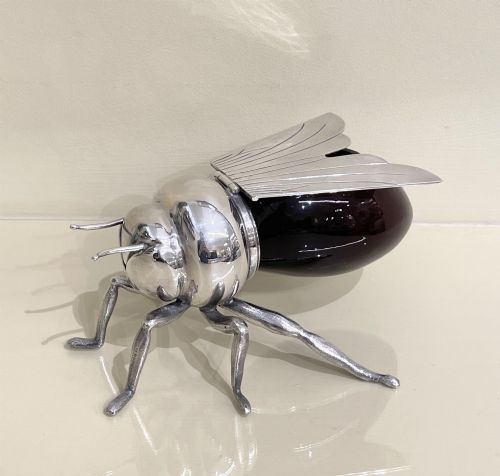
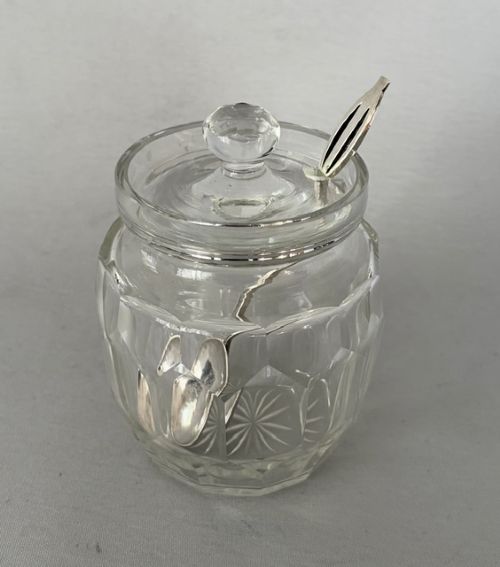
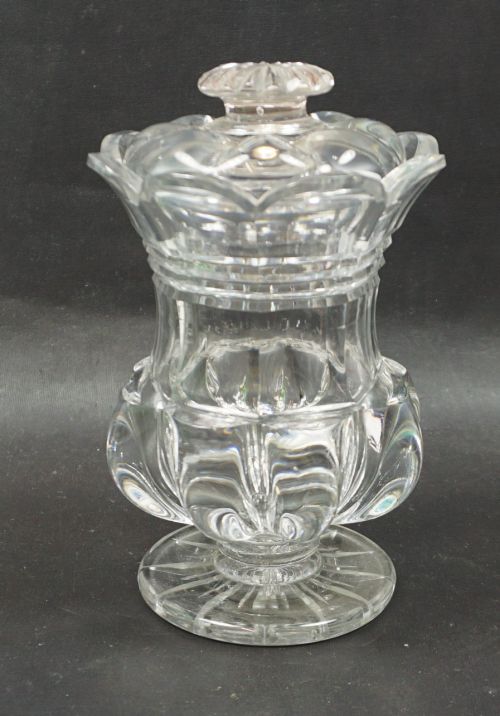
The most frequent examples on this page combine cut glass bodies with silver plate fittings or ceramic lids, often originating from the Victorian and Edwardian eras. Makers such as Hukin and Heath and Plichta are represented alongside unbranded cut glass jars.
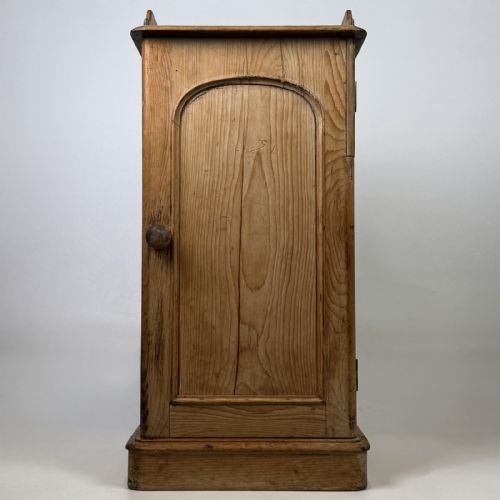
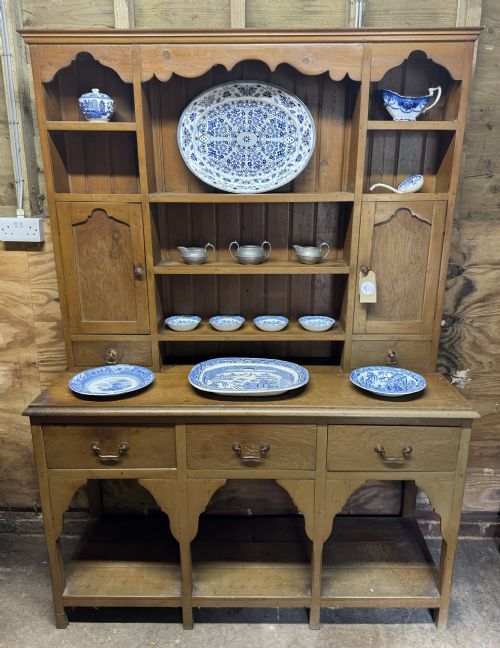
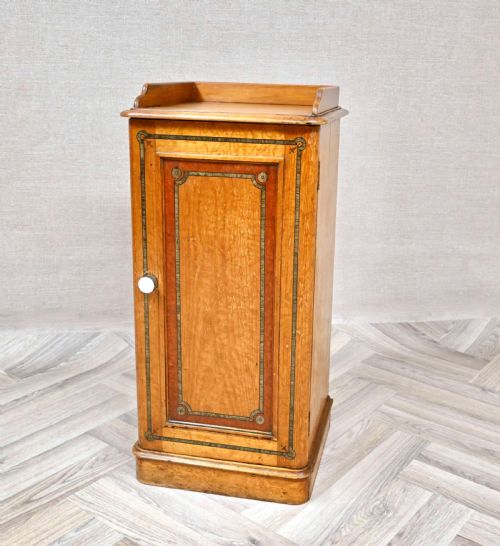
Alongside dedicated preserve jars, the evidence reveals occasional naming overlaps with bedside cabinets and pot cupboards, reflecting older domestic terminology for small bedside storage. Collectors focus primarily on the dedicated tableware pieces made for the dining table.
Materials and construction
Cut glass and crystal form the primary bodies of these honey pots and preserve jars, shaped through pillar moulding and deep facet cutting. Metal elements utilise silver plate, solid silver, and brass, often paired with fitted lids and spoons.
Pottery examples employ glazed earthenware and ceramic bodies decorated with hand-painted motifs, such as cherries, following traditional pottery techniques. Wood pieces in related categories utilise pine, satinwood, maple, and boxwood.
Vintage Honey Pot Retail Price Guide 2026
Typical asking prices for vintage honey pot among the pieces listed under this phrase on Sellingantiques today, from the lower quarter to the upper quarter. They describe what is for sale here now, not the wider market.
Some preserve pots take the literal form of ripening fruit, bringing a whimsical touch of the orchard straight to the breakfast table.
Assessing quality and finish
Quality rests upon the crispness of the glass cutting, the weight of the metal mountings, and the precision of the pottery painting. Superior pieces display deep, clean facets on the crystal and unblemished silver plate without excessive wear to the underlying metal.
The inclusion of original matching spoons and well-fitted lids elevates a piece above standard domestic wares. Maker marks from firms like Hukin and Heath or Plichta provide distinct points of provenance that distinguish named works from anonymous factory production.
Hukin and Heath·Plichta Pottery
The Vintage Honey Pot Glossary
- Preserve jar
- A glass or ceramic vessel designed specifically to hold jam, marmalade, or honey on the dining table. These typically feature fitted lids and sometimes dedicated stands.
- Silver plate
- A base metal, such as copper or nickel brass, coated with a thin layer of silver. This technique offered the appearance of solid silver at a lower cost for domestic tableware.
- Cut glass
- Glass decorated by grinding facets or patterns into the surface using a rotating wheel. Deeply cut crystal reflects light and provides a heavy, tactile feel.
- Treen
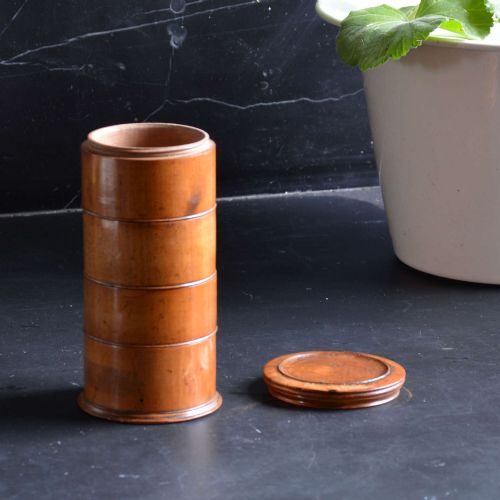
- Small handmade wooden objects for domestic use. This category includes turned items such as spice towers and small turned wooden containers.
- Pot cupboard
- An older term for a small bedside cabinet or cupboard. These pieces occasionally share search terminology with small storage pots.
Vintage Honey Pot: Frequently Asked Questions
How do I clean an antique glass honey pot?
Wash glass and crystal parts gently in warm soapy water using a soft cloth, avoiding harsh abrasives that might scratch the surface. Metal mounts and silver-plated stands require careful cleaning with dedicated metal polish to preserve the finish.
Are these pots safe for daily use?
Most glass and ceramic honey pots remain fully functional for serving honey or preserves at the table today. Silver-plated mounts should be checked for wear to ensure the underlying metal is not exposed to sticky foods.
How can I date a preserve jar?
Dating relies on stylistic clues, glass cutting techniques, and any maker marks or hallmarks stamped onto the metal mounts. Victorian and Edwardian pieces often exhibit distinct weight and decorative motifs compared to later twentieth-century Art Deco designs.