
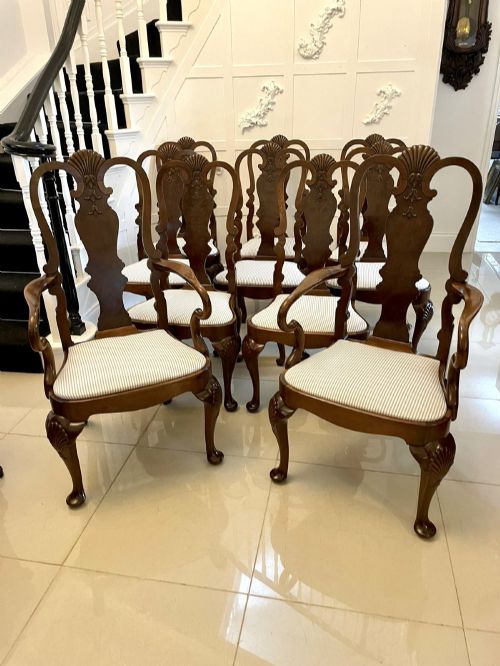
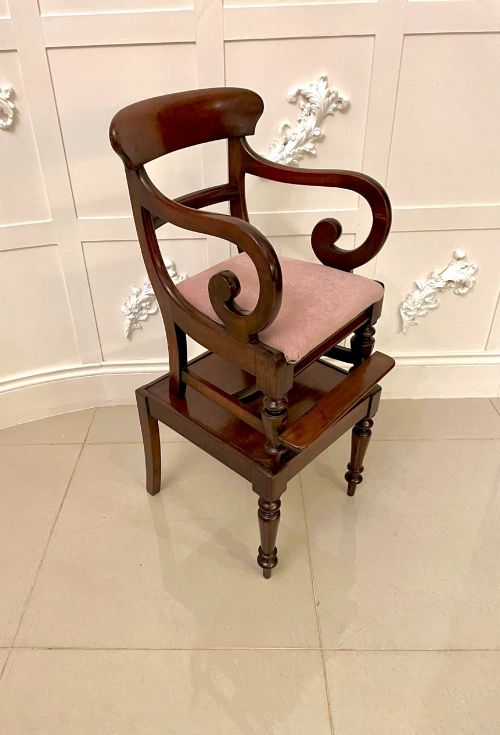
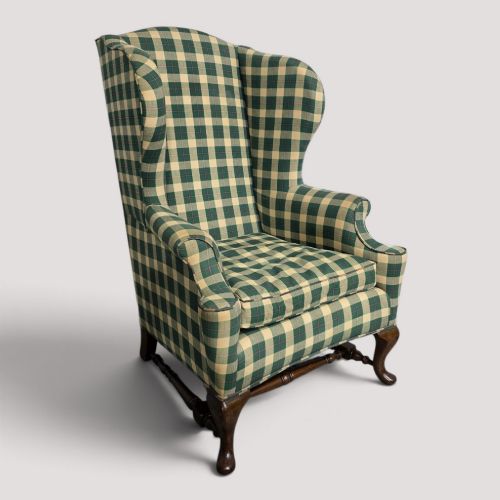
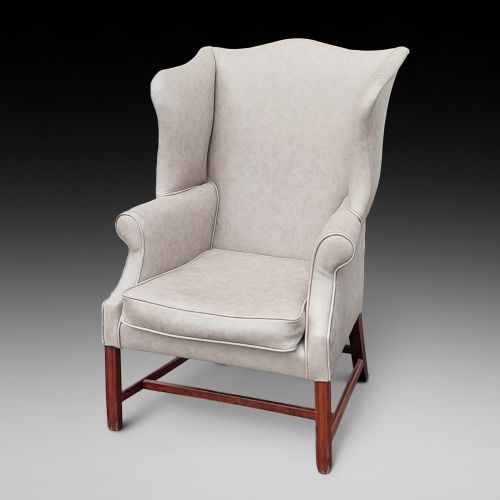
Vintage High Armchair
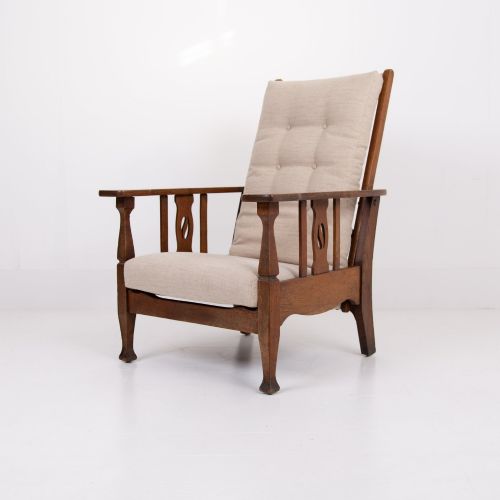
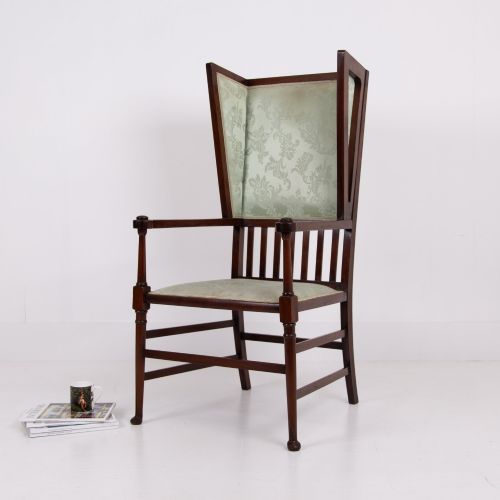
A vintage high armchair brings substantial presence and deep comfort to a room, offering elevated support through traditional forms.
Vintage High Armchair
A vintage high armchair encompasses various tall-backed seating options found across multiple historical periods and regional styles. These pieces provide extended back support, serving functional roles in studies, libraries, and living spaces.
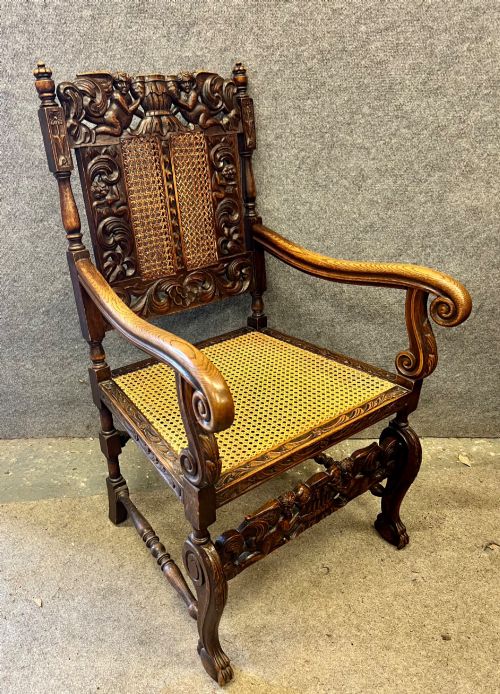
Buyers will encounter regional variations, including English country windsor chairs in elm and ash alongside formal mahogany gainsborough chairs. Many pieces reflect revival movements, drawing inspiration from Queen Anne, Jacobean, and Carolean styles.
How they were made
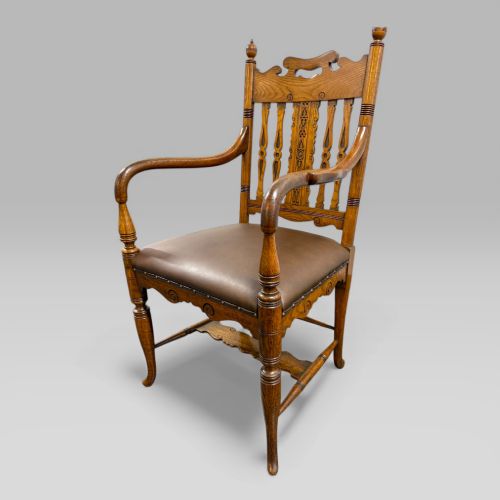
Cabinetmakers and joiners utilised solid hardwoods such as mahogany, oak, walnut, ash, and elm for structural frames and Windsor spindles. Turned components, mortise and tenon joinery, and carved detailing demonstrate traditional woodworking techniques across the periods.
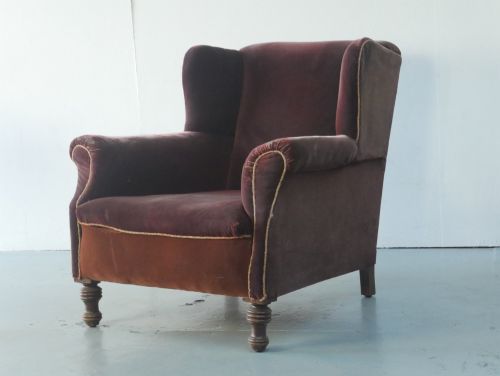
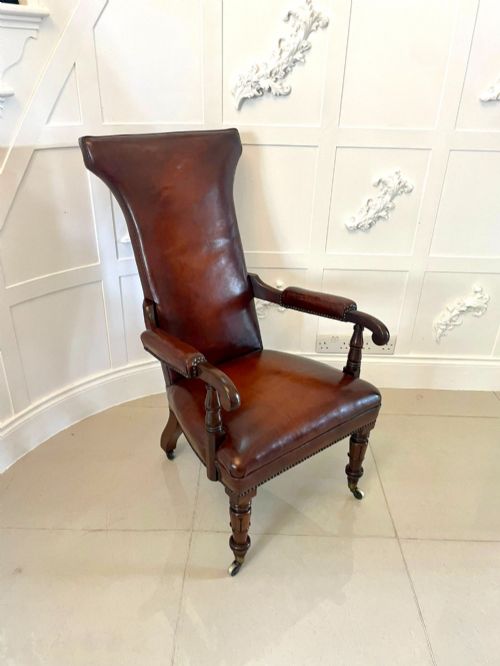
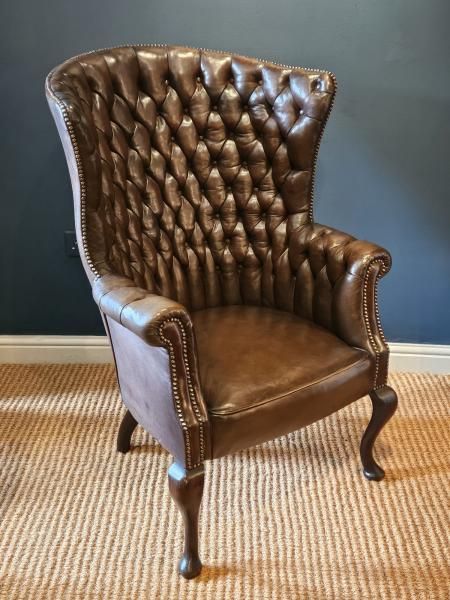
Upholstered models incorporate leather, velvet, chenille, and plaid fabrics, often hand-tacked or finished with embossed detailing. Feather filling and webbing provide internal support within wingback and fireside configurations.
Listings feature pieces spanning the eighteenth, nineteenth, and twentieth centuries, incorporating materials from brass and leather to mahogany and oak.
What varies in quality
The grade of timber selection and the precision of joinery determine the structural integrity of an armchair. Finer pieces display carefully chosen wood grain, harmonious proportions, and hand-carved elements executed with distinct clarity.
Upholstery execution and material choice dictate the finish and longevity of soft-seated models. Superior examples combine robust internal frame construction with quality leather or textile coverings that complement the period style.
Liberty Morris And Co·Howard And Sons
The Vintage High Armchair Glossary
- Wingback armchair
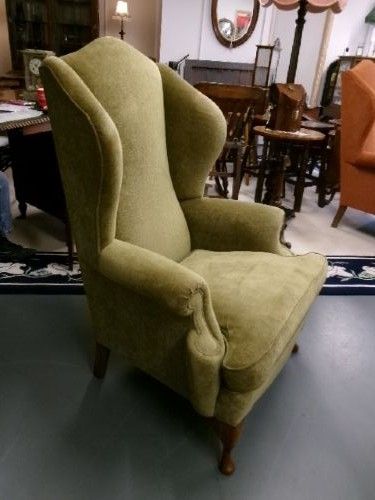
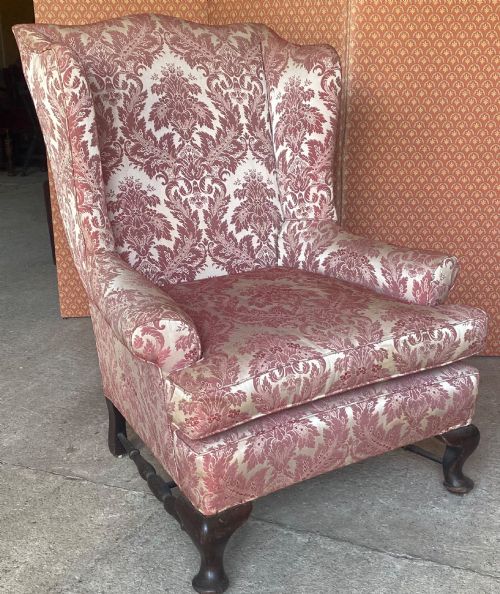
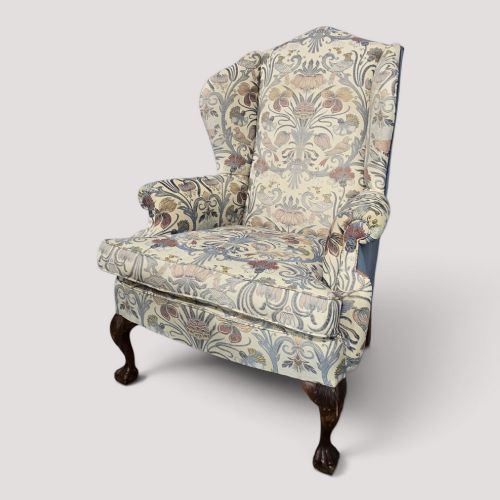
- A seat featuring protective side panels designed to shield the occupant from draughts. These panels extend upward from the arms to the backrest.
- Windsor chair
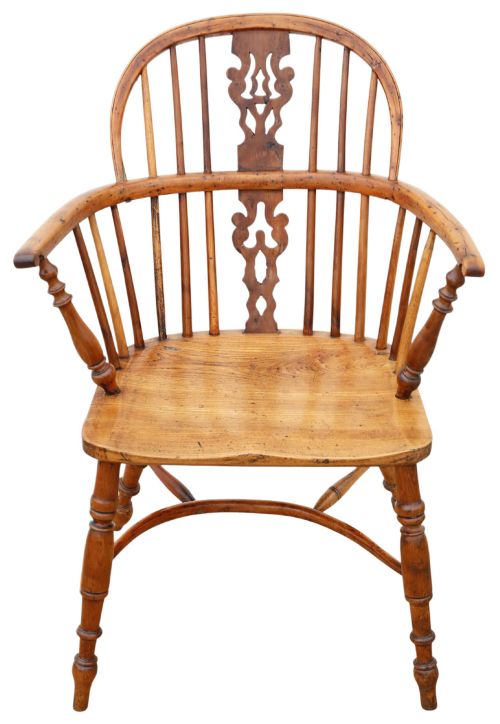
- A wooden seating form constructed with a solid saddle-shaped seat into which legs and back spindles are directly inserted. High-back variants often incorporate a comb or hoop structure.
- Gainsborough chair
- An upholstered armchair with an open-framed mahogany structure, short armrests, and a wide seat. They frequently serve as desk or writing chairs.
- Carver elbow-chair
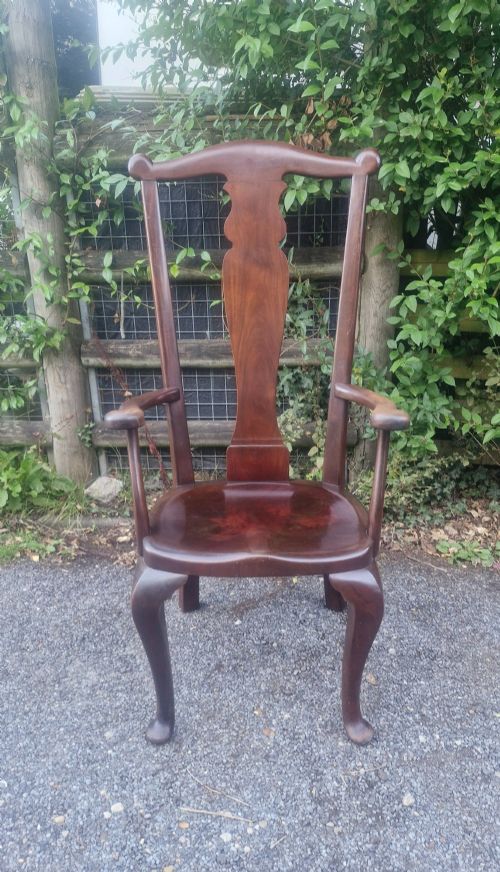
- A wooden armchair designed with arms, traditionally placed at the ends of dining tables. They share design traits with matching sets of dining chairs.
- Comb back
- A Windsor chair variation where the top rail resembles the teeth of a comb, supported by vertical spindles rising above the main back bow.
Vintage High Armchair: Frequently Asked Questions
What is a high back Windsor chair?
A high back Windsor chair utilises a wooden construction where spindles form the back support above a solid sculpted seat. These pieces often feature elm and ash timbers with distinctive comb or high-comb profiles.
They originated in rural workshops and provide sturdy, upright seating suitable for kitchens and farmhouse settings.
How do I identify a Georgian wing armchair?
Georgian wing armchairs exhibit proportions and upholstery styles characteristic of the eighteenth century and later revivals. They generally feature prominent side wings, scrolled arms, and exposed wooden legs.
Craftsmen frequently used mahogany or walnut for the underframes, pairing them with leather or woven textiles.
Where were Gainsborough chairs used?
Gainsborough chairs functioned primarily as desk chairs or parlor seating within refined interiors. Their open wooden arms allowed room for bulky historical clothing.
They combine upholstered comfort with a visible mahogany framework, aligning with formal interior aesthetics.
What woods are common in vintage armchairs?
Common timbers include mahogany, oak, walnut, elm, ash, and yew. Cabinetmakers selected these hardwoods for their strength and grain characteristics.
Lighter woods like elm and ash appear frequently in Windsor designs, while mahogany and walnut dominate formal seating.