



Vintage Heraldic Art
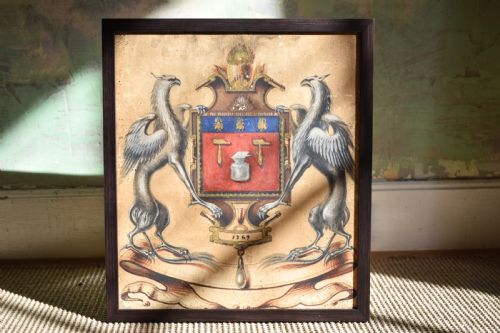
These pieces of vintage heraldic art bring coats of arms and historic insignia into modern spaces through centuries of decorative media.
Vintage Heraldic Art
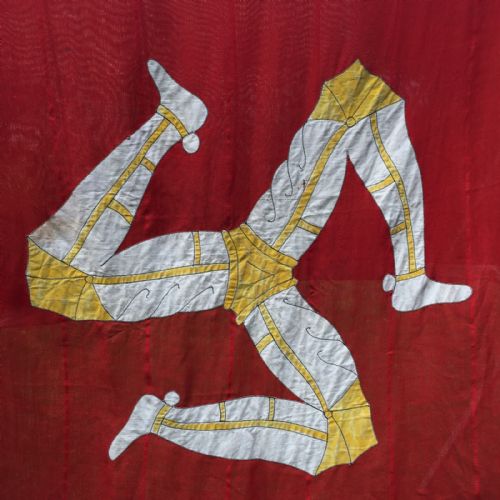
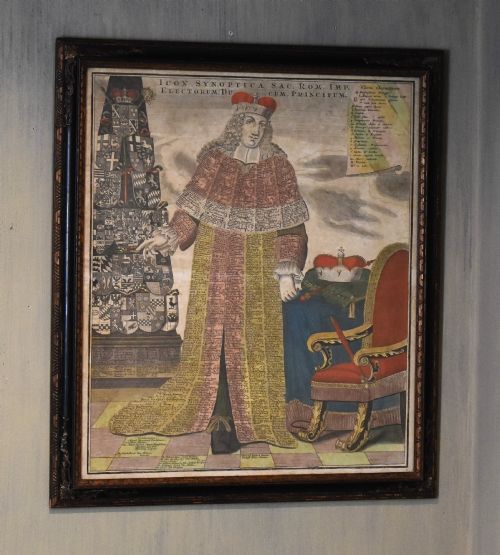
When you search for vintage heraldic art, you encounter a varied assortment of objects bearing coats of arms, crests, and noble insignia. The selection spans centuries of craftsmanship, ranging from seventeenth-century maps and eighteenth-century prints to Victorian cast iron plaques and early twentieth-century ceramics.
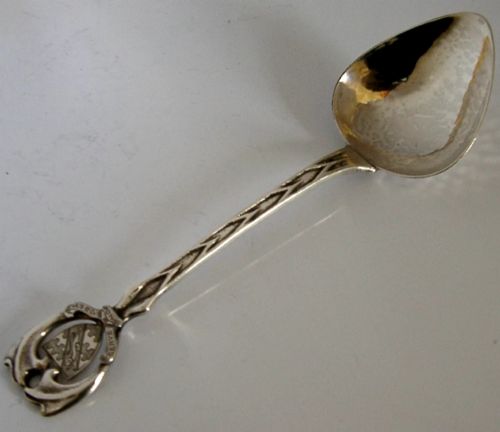
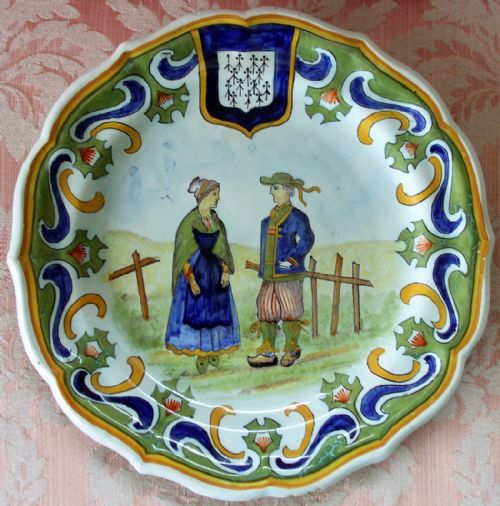
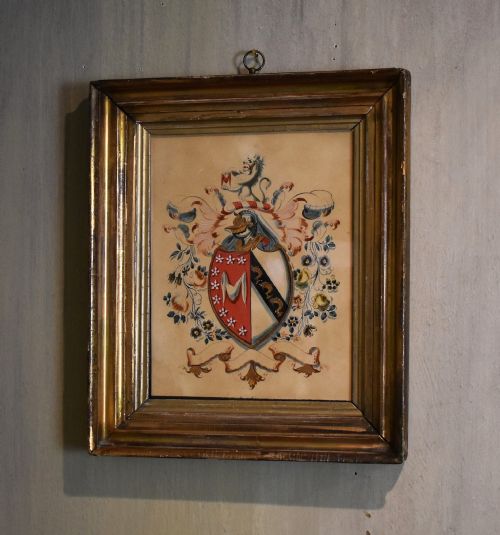
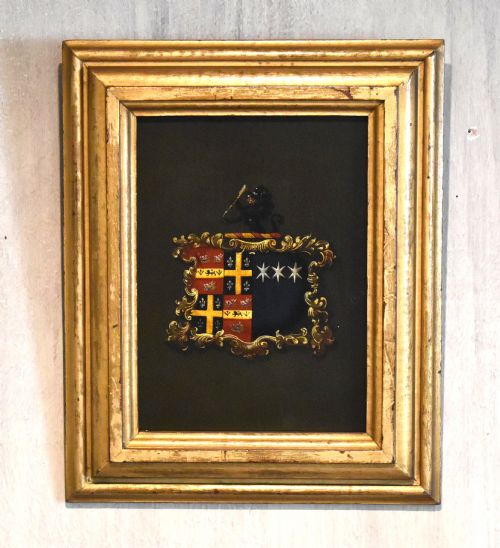
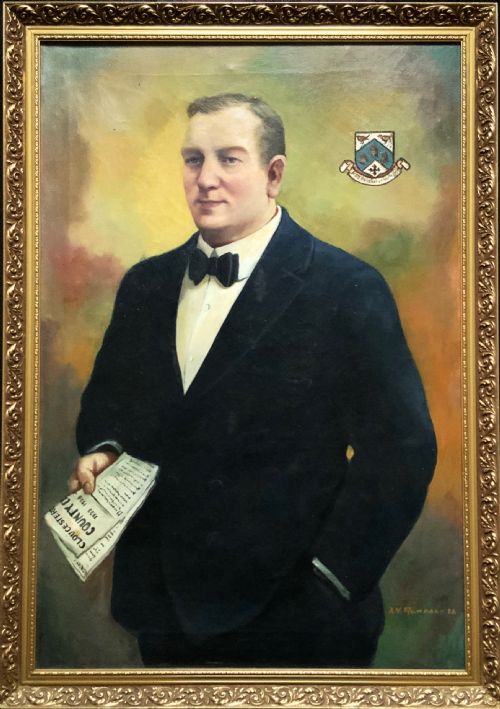
The objects most frequently met on this page include framed maps, painted dishes, and wall art bearing specific family or institutional arms. Pieces take the form of silver spoons, porcelain plates, oil paintings, and coaching panels rather than uniform prints.
Origins stretch across British, French, Dutch, and broader European workshops. Each item reflects the visual language of lineage, authority, and territorial identity as interpreted by artists and makers of its specific era.
Materials and construction
Makers utilised traditional supports such as laid paper, wood panels, and heavy textile or metal bases to carry the painted or printed imagery. Watercolours and oils on paper or canvas provide fine detail for portraits and coaching panels.
Ceramic pieces rely on tin-glazed earthenware and faience techniques, decorated with mineral pigments before firing. Metal objects incorporate sterling silver and cast iron, often achieved through traditional casting and engraving methods.
Vintage Heraldic Art Retail Price Guide 2026
Typical asking prices for vintage heraldic art among the pieces listed under this phrase on Sellingantiques today, from the lower quarter to the upper quarter. They describe what is for sale here now, not the wider market.
Listings span periods from the 17th century through the 1940s, encompassing paper, glass, wood, sterling silver, and earthenware.
Differences in quality
The upper end of the range is defined by precision in hand-painting, crispness of cast metal details, and the clarity of heraldic tinctures. Artisans working with precious metals or fine ceramics achieved superior definition in complex crests and mottos.
Simpler decorative items display more commercial execution with standardised transfers or heavier, less refined glazes. The survival of original framing, surface patination, and documented provenance elevate individual examples above standard decorative pieces.
Janssonius·Roger Guerin·Connell
The Vintage Heraldic Art Glossary
- Heraldry
- The system by which coats of arms and other familial or institutional insignia are devised, depicted, and granted. It developed in medieval Europe to identify combatants in armour.
- Faience
- Tin-glazed earthenware produced in Europe, particularly associated with French and Dutch workshops. The white opaque glaze provides a smooth background for painted heraldic motifs.
- Coating panel
- A painted wooden panel originally mounted on a horse-drawn carriage to display the owner's coat of arms. These panels survived as independent wall art after the vehicles were broken up.
- Cartography
- The study and practice of making maps, which frequently incorporated elaborate cartouches with regional coats of arms and noble crests during the seventeenth and eighteenth centuries.
Vintage Heraldic Art: Frequently Asked Questions
What is vintage heraldic art?
These items comprise historical objects decorated with coats of arms, crests, and genealogical insignia. They range from hand-coloured maps to ceramic dishes and silver spoons.
The selection covers multiple centuries of European craftsmanship, capturing how families and institutions displayed their lineage through visual art.
How were coat of arms panels used?
Coaching panels were fixed to the sides of private carriages during the eighteenth and nineteenth centuries to signal the owner's status while travelling. Cast iron plaques and wall art were similarly displayed on buildings or within interiors to mark authority.
Over time, many of these functional display pieces were removed from their original contexts and preserved purely as decorative wall art.
How do I date an antique map?
Dating relies on the paper stock, printing technique, and stylistic conventions of the cartouche and typography. Seventeenth-century maps often feature hand-colouring and distinctive regional borders distinct from later editions.
Publisher details and historical events referenced within the map margins also help narrow the period of creation.
How do I care for antique faience?
Tin-glazed earthenware requires gentle handling to protect the ceramic body and the surface glaze from impact. Keep pieces away from direct moisture and clean them only with a dry, soft cloth.
Display items securely on stable surfaces or use specialist wall hangers designed for heavy plates and dishes.