

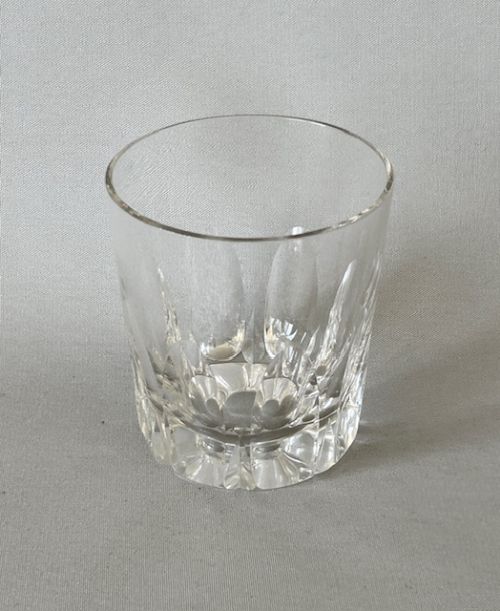


Vintage Heavy Crystal Glasses
Vintage heavy crystal glasses bring substantial weight and deep refraction to the table, sourced from centuries of skilled glass-cutting traditions.
Vintage Heavy Crystal Glasses
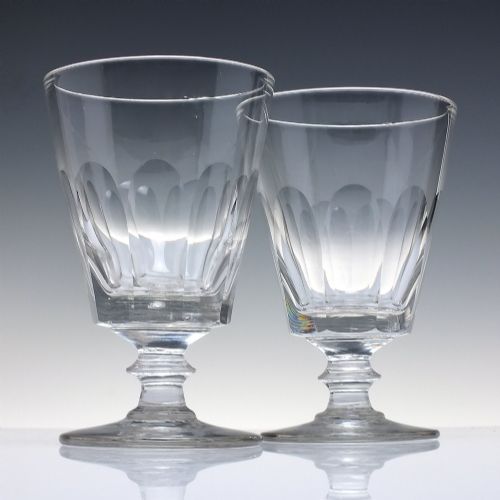
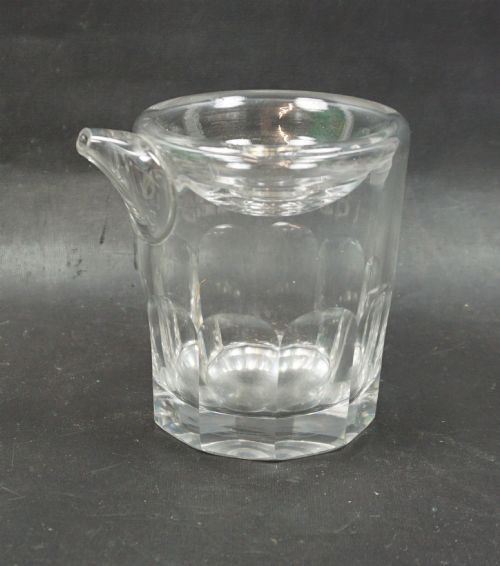
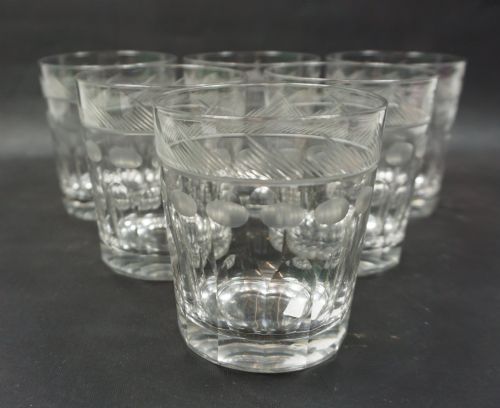
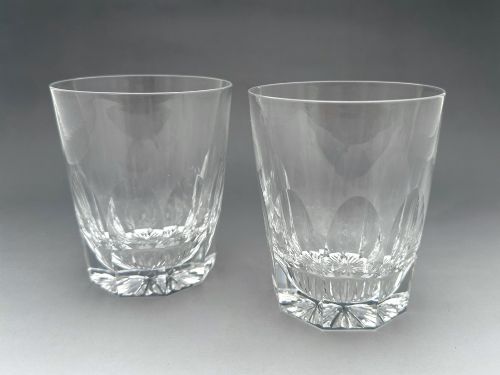
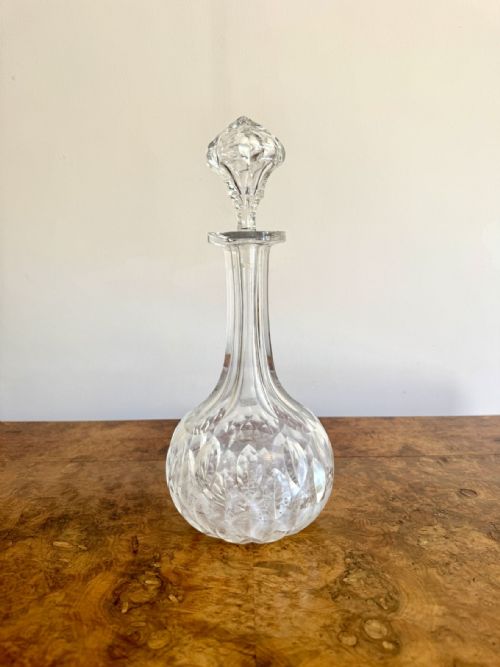
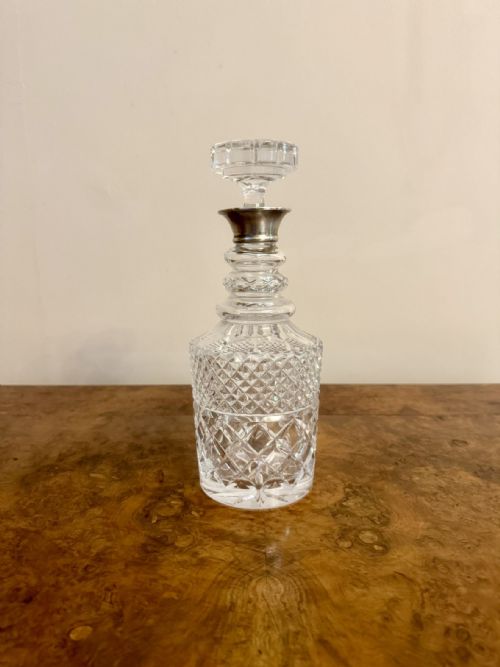
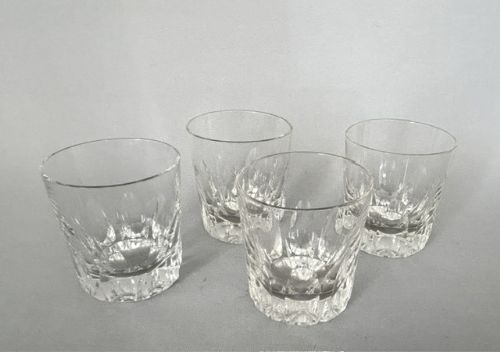
Vintage heavy crystal glasses encompass substantial drinking vessels, tableware and serving pieces collected for their solid feel and brilliant light refraction. When searching for vintage heavy crystal glasses, buyers most frequently encounter English and continental drinking sets, decanters and rummers dating from the nineteenth and early twentieth centuries.
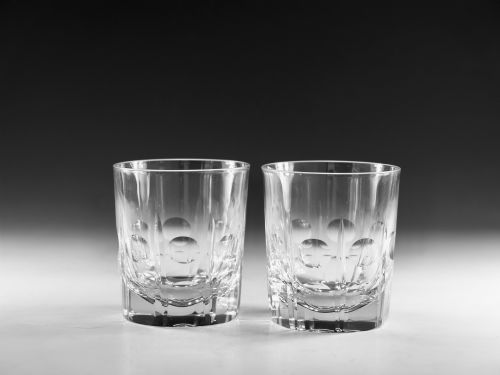
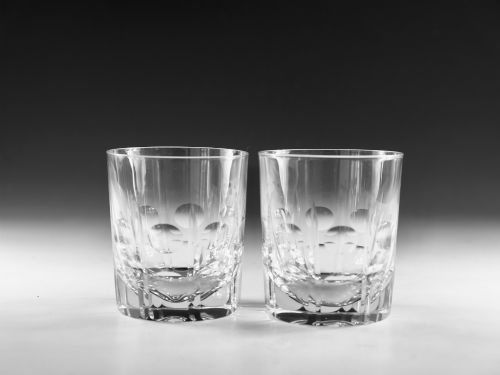
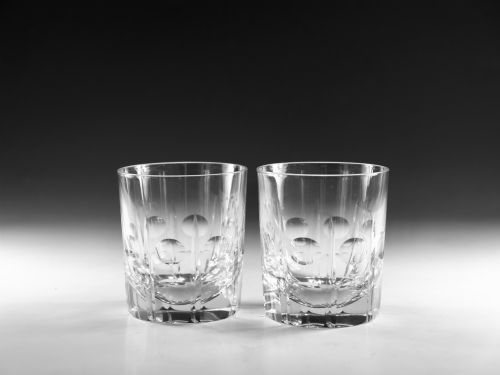
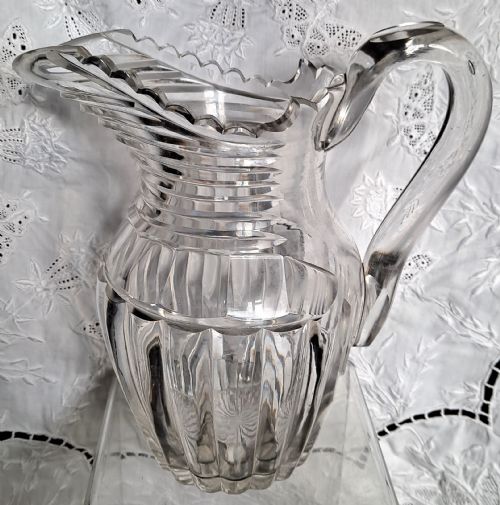
The selection ranges from pairs of whiskey tumblers and rummers with baluster stems to larger sets designed for formal dining. Alongside drinking vessels, the category broadens to include decanters, jugs, and pedestal bowls shaped during the Victorian, Edwardian and Art Deco periods.
These items originate from notable European glass-making centres in Britain and Belgium, reflecting shifting design preferences from classical Georgian symmetry to modernist Art Deco geometry. Each piece demonstrates the enduring appeal of thick-walled crystal designed for daily service or display.
How vintage heavy crystal glasses were made
Makers produced vintage heavy crystal glasses using lead crystal and cut glass compositions that allowed for thick walls and high optical clarity. The added lead content increased the weight of the material and made the glass softer, permitting artisans to carve deeper facets into the surface.
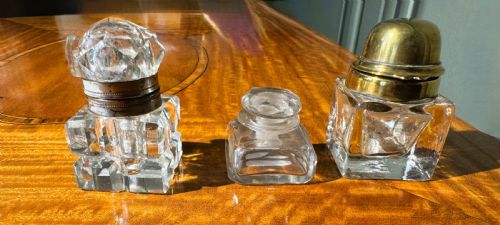
Craftsmen shaped the vessels using hand-blown techniques before applying intricate wheel-cut patterns such as flutes, pillars and prisms. Metal collars, silver mounts and bronze elements were frequently added to decanters, inkwells and door pulls using traditional silversmithing methods.
One extraordinary Art Deco vase tips the scales at over twelve kilograms, demanding serious muscle to polish.
What varies in quality in vintage heavy crystal glasses
Quality in vintage heavy crystal glasses is determined by the depth, precision and crispness of the wheel-cut facets. Sharply defined edges catch the light intensely, whereas worn or softly moulded patterns yield a duller reflection.
Val St. Lambert·Tiffany and Co·Freeman and Son Ltd·Jean Luce·Daum
The Vintage Heavy Crystal Glasses Glossary
- Lead crystal
- Glass containing a significant percentage of lead oxide, which increases weight, brilliance and softness for cutting. This material gives vintage heavy crystal glasses their characteristic heft and sparkle.
- Rummer
- A large, heavy goblet used in the eighteenth and nineteenth centuries for drinking beer, cider or wine. They typically feature sturdy baluster stems and capacious bowls.
- Prism cut
- A linear cutting technique producing parallel facets that refract light like an optical prism. It appears frequently on nineteenth-century decanters and jugs.
- Baluster stem
- A thick, swelling stem shape resembling an architectural baluster, commonly found on nineteenth-century drinking glasses and rummers for added stability.
Vintage Heavy Crystal Glasses: Frequently Asked Questions
How do I clean vintage heavy crystal glasses safely?
Wash them gently by hand in warm water using a mild liquid detergent. Avoid sudden temperature changes to prevent thermal shock.
Place a towel at the bottom of the sink to cushion the heavy base. Dry each piece immediately with a lint-free cloth to maintain the clarity of the lead crystal.
Are these glasses suitable for daily use?
Their thick lead crystal construction makes them remarkably durable for regular dining and entertaining. The substantial weight provides a sturdy feel in the hand.
Hand-washing remains essential to preserve the polished surfaces and any fitted silver collars. Storing them securely prevents chipping along the deeply cut rims.
How do I identify Victorian crystal from Edwardian pieces?
Victorian examples often display heavier, deeper geometric cutting alongside robust proportions and occasional silver mounts. Rummers and tummers from this era frequently feature traditional baluster stems.
Edwardian pieces tend toward lighter profiles while retaining substantial lead content, often showcasing refined starbursts and pillar cuts on decanters and jugs.
What is the difference between glass and lead crystal?
Lead crystal contains metallic lead oxide, which increases the density, weight and refractive index of the material. This composition allows artisans to achieve deep, sharp cuts.
Standard glass lacks this heavy lead content, resulting in lighter vessels with less acoustic resonance and lower light dispersion.