



Vintage Hearth Plate
These vintage hearth plate examples bring warmth and solid metalcraft to the fireplace, combining practical service with period presence.
Vintage Hearth Plate
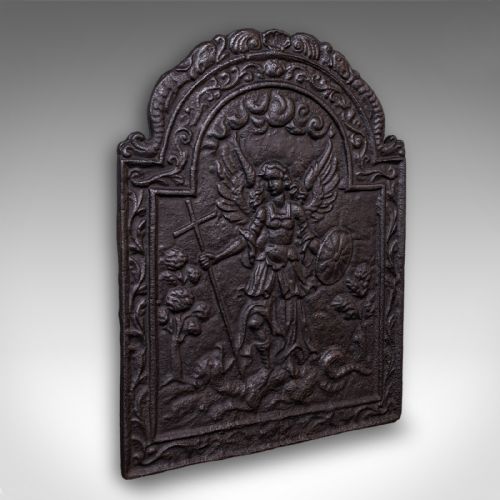
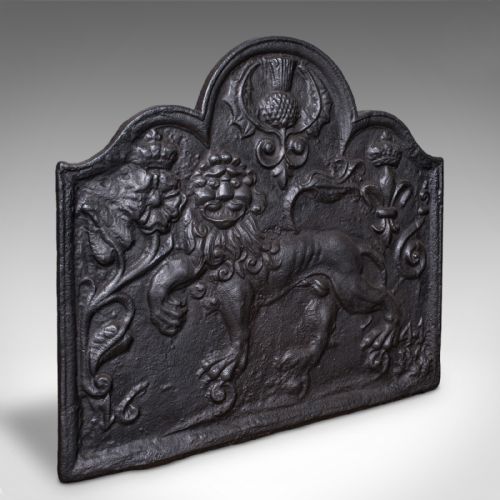
A vintage hearth plate typically encompasses heavy iron and brass items used around the fireplace, from firebacks and reflectors to trivets, footmen, and coal storage. These pieces bridge the gap between functional utility and decorative metalwork.
Most items you encounter here date from the Georgian, Victorian, and Edwardian eras, spanning cast iron, copper, brass, and silver plate. Forms range from simple scalloped copper trays to elaborate relief-moulded firebacks and multi-tiered kettle stands.
How they were made
Makers utilised heavy casting techniques for iron firebacks, pouring molten metal into sand or open moulds to capture intricate relief scenes like the Tree of Life or heraldic motifs. This heavy construction allowed the plates to absorb and radiate heat effectively behind the grate.
Brass and copper items involved sheet metal working, beating, and spinning, often paired with cast components such as feet or handles. Silver plating on later Edwardian pieces provided a refined finish over base metals for fireside accessories.
Vintage Hearth Plate Retail Price Guide 2026
Typical asking prices for vintage hearth plate among the pieces listed under this phrase on Sellingantiques today, from the lower quarter to the upper quarter. They describe what is for sale here now, not the wider market.
Cat stands patiently guard the hearth as specialised low trivets, keeping a warm iron tail permanently turned to the fire.
What varies in quality
Quality rests in the crispness of the cast relief on iron firebacks and the weight of the metal utilised in trivets and coal buckets. Finer pieces show deep, deliberate detailing rather than soft or worn contours from overworked moulds.
Construction integrity separates standard items from superior examples, particularly in the joining of legs on footmen and trivets or the thickness of the copper and brass walls on fireside storage.
The Vintage Hearth Plate Glossary
- Fireback
- A heavy metal plate placed at the back of an open hearth to reflect heat into the room and protect the masonry wall. They often feature pictorial or heraldic relief designs.
- Trivet
- A small metal stand with legs, used to support kettles or dishes near the fire. Victorian and Georgian versions frequently incorporate brass tops and iron frames.
- Footman
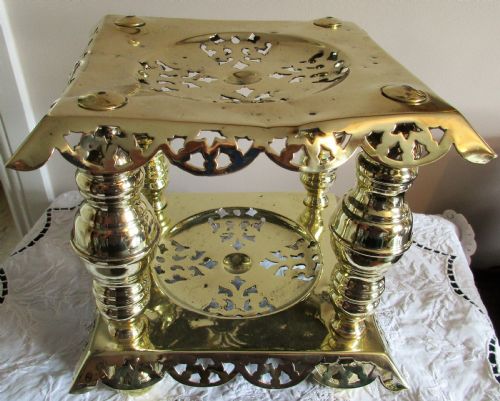
- A low metal stool placed before the hearth to keep food warm. These Georgian and Victorian accessories usually feature pierced brass aprons and sturdy legs.
- Reflector
- A polished metal plate designed to catch and project light or heat from the fireplace into the interior space. They appear primarily in copper and iron forms during the nineteenth century.
Vintage Hearth Plate: Frequently Asked Questions
How do I clean brass hearth items?
Clean brass gently with a mild soapy solution and a soft cloth to preserve any aged patina that accumulated over the decades. Avoid harsh abrasive compounds that strip the historic surface finish.
Dry the metal thoroughly after washing to prevent spotting or corrosion on older copper and brass components.
Can iron firebacks be used in modern fires?
Many cast iron firebacks are durable enough for active open fireplaces, provided they are subjected to gradual heating. Inspect older iron for existing thermal stress cracks before regular placement against a live flame.
Alternatively, these plates serve purely decorative roles within decorative hearth settings and non-working fireplaces.
What is the difference between a trivet and a footman?
Trivets are generally smaller stands designed to hold kettles or individual dishes close to the fire. They often feature a single top surface supported by three or four legs.
Footmen are larger, rectangular hearth stands with handles and pierced aprons intended for keeping multiple dishes warm in Georgian and Victorian dining rooms.
How do I date a copper hearth plate?
Dating relies on manufacturing clues such as edge finishing, hammer marks, and the style of any brass or iron fixings. Scalloped edges and hand-beated surfaces often point towards Georgian origins around eighteen hundred.
Later Victorian and Edwardian examples tend to show more uniform machine rolling or plated finishes rather than heavy hand-worked copper.