





Vintage Hat Display Stand
A vintage hat display stand holds millinery with sculptural presence, bringing authentic shop history into a modern interior.
Vintage Hat Display Stand
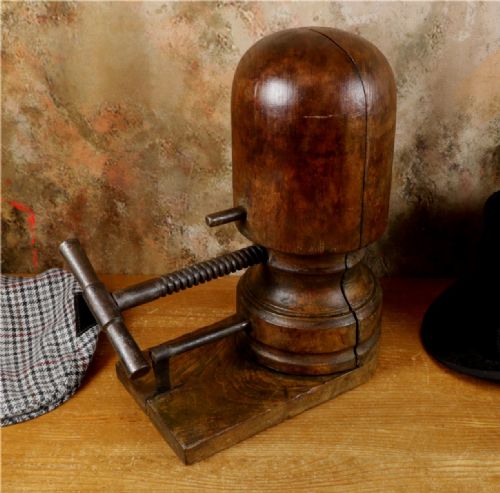
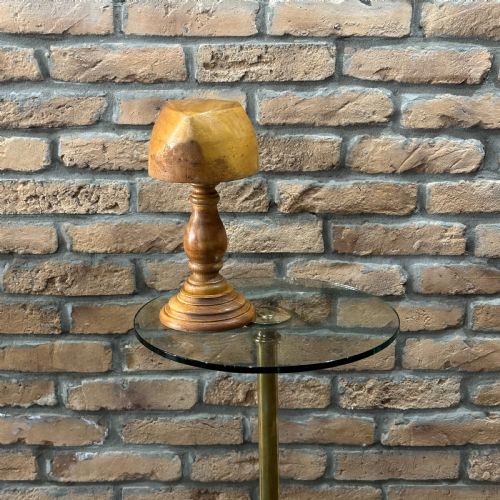
A vintage hat display stand serves to support and exhibit headwear, drawing on forms used by traditional milliners and shopkeepers. These pieces range from simple wooden blocks and stretchers to carved wig stands and countertop fixtures.
The version most commonly met on this page is the nineteenth century French hat block stand or shop display piece. Buyers also encounter English wig stands, Edwardian silver hat pin holders, and carved folk art milliner heads.
Periods span from the eighteenth century through to the 1930s, encompassing Georgian mahogany and oak, Edwardian craftsmanship, and Art Deco designs. Their origins mix domestic dressing tables with commercial haberdashery and French provincial workshops.
Materials and construction
Makers utilised timber extensively, shaping oak, beech, walnut, fruitwood, yew wood, and mahogany into solid blocks and stands. Carved wooden heads and turned shafts demonstrate traditional carpentry and lathe work.
Metal components appear in cast iron and brass for sturdy countertop bases and adjustable mounts. Fabric elements such as velvet feature alongside painted finishes on French marotte heads.
Vintage Hat Display Stand Retail Price Guide 2026
Typical asking prices for vintage hat display stand among the pieces listed under this phrase on Sellingantiques today, from the lower quarter to the upper quarter. They describe what is for sale here now, not the wider market.
Factors of quality
The balance between functional utility and decorative sculptural form dictates the distinction between standard shop equipment and finer display pieces. Original painted surfaces on French marotte heads elevate the visual impact significantly.
Crisford and Norris
The Vintage Hat Display Stand Glossary
- Hat block
- A solid wooden form carved to the shape of a head or crown upon which hats are shaped and dried. Milliners rely on these wooden blocks to form felt and straw into specific styles.
- Hat stretcher
- A wooden device inserted into the crown of a hat and expanded via a screw mechanism to increase the inner circumference. Hatters utilise them to adjust sizing for clients.
- Hat pin holder
- A small vessel or stand designed to hold long decorative pins used to secure hats to hair. Examples from the Edwardian and George V periods frequently incorporate silver.
- Wig stand
- A pedestal or carved head designed to support and shape wigs when not in worn use. Eighteenth and nineteenth-century examples often employ turned yew wood or mahogany.
- Haberdashery
- Commercial shop fittings and display items sourced from retail environments. Industrial haberdashery pieces prioritize sturdy cast iron and brass alongside practical timber.
Vintage Hat Display Stand: Frequently Asked Questions
What is a vintage hat display stand used for today?
These pieces serve as sculptural display objects for hats, wigs, and scarves in domestic settings. Collectors also use them simply as decorative artefacts that reflect historical retail design.
Their substantial timber forms and patinated surfaces bring texture and height to console tables and shelving units without needing any items placed upon them.
How do I date an antique hat block?
Dating relies on identifying the timber species, tool marks, and overall turning style relative to known periods. Georgian and eighteenth-century examples typically show dense yew or mahogany with hand-turned proportions.
Nineteenth-century and later pieces often present in beech, fruitwood, or oak, sometimes bearing stamps or labels from specific French and English millinery suppliers.
What is the difference between a hat block and a marotte?
A hat block is a utilitarian wooden form focused purely on the geometry of shaping a crown. A marotte includes a sculpted or painted head intended specifically for shop display.
Marottes frequently feature detailed facial painting and coiffures typical of the Art Deco era, whereas blocks prioritize clean wooden surfaces for pressing millinery.
Are these stands suitable for modern hats?
Most vintage stands accommodate standard hat sizes because historical headwear proportions match contemporary requirements. Adjustable stretchers also allow for minor sizing adjustments.
Care should be taken with delicate vintage fabrics resting against dry antique wood, though most functional blocks provide stable and safe support.