





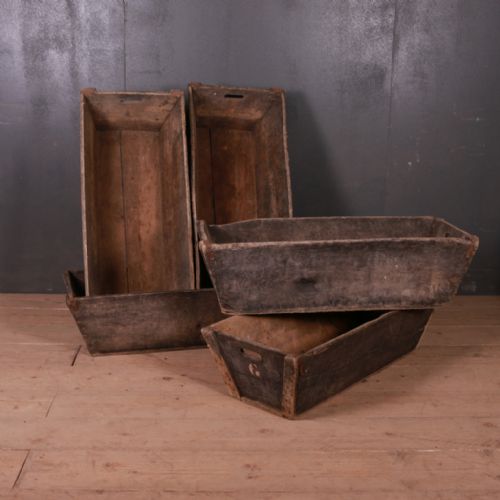
Vintage Harvesting Basket
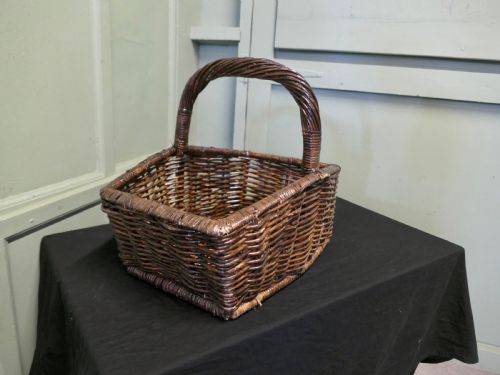
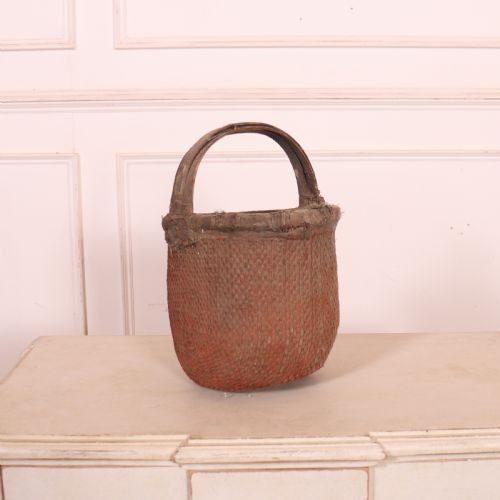
A vintage harvesting basket brings honest, utilitarian texture into a room, fashioned from tough natural materials like wicker, willow, and elm.
Vintage Harvesting Basket
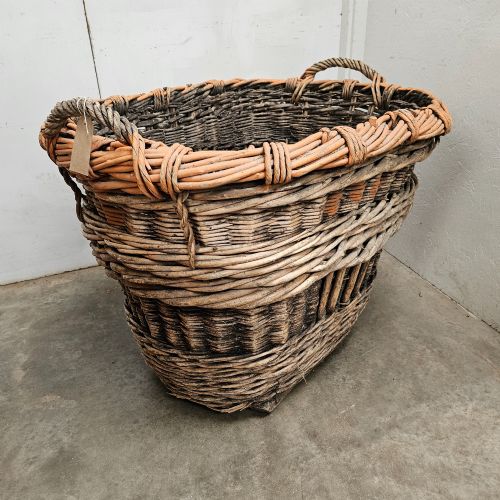
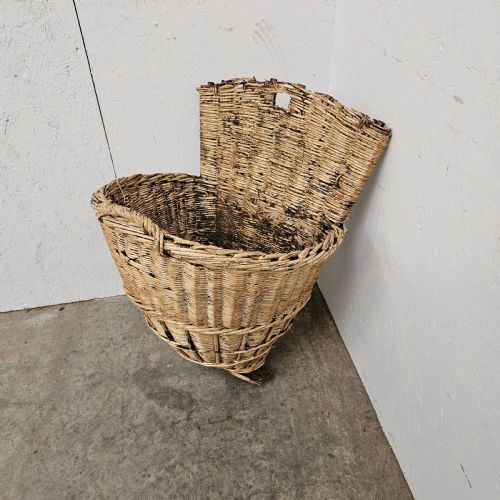
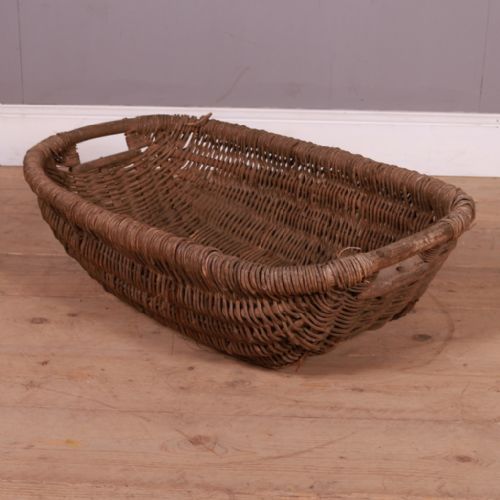
A vintage harvesting basket comprises sturdy agricultural containers designed for gathering crops, fruit, and wood across European and Asian countrysides. Buyers browsing this selection encounter utilitarian forms such as grape pickers' hottes, market seller baskets, and iron-bound trugs originating from the eighteenth century onwards.
These items serve practical storage needs in modern interiors while retaining the rustic country character of their working origins. Whether utilised as log holders or decorative containers, each object reflects the traditional methods of agricultural communities.
How They Were Made
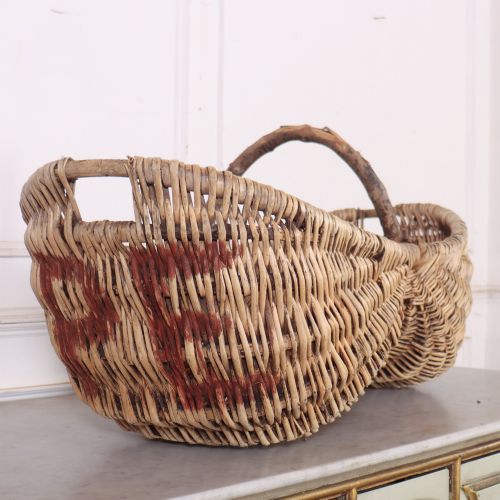
Maker communities constructed these vessels using resilient plant fibres and local timbers suited to heavy manual labour in the fields. Craftsmen wove pliable materials like willow and wicker into robust walls, often pairing them with solid timber bases made from elm, oak, and pine.
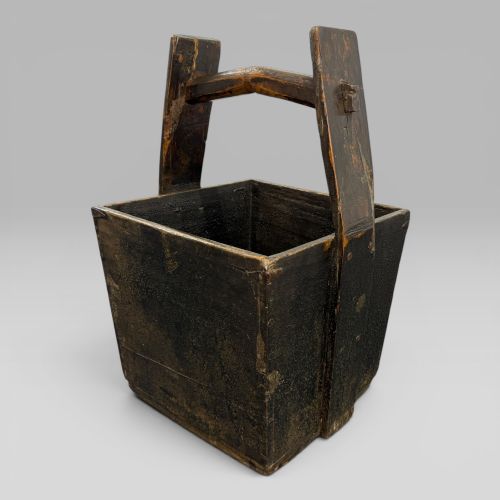
Structural reinforcement often involved iron banding and sturdy wooden handles designed to withstand the heavy loads of grapes, truffles, and garden produce. Some agricultural containers also received protective coatings of paint or featured zinc elements to resist moisture during daily farm use.
Even grape pickers needed a sturdy carry, leaving us with centuries-old wicker backpacks that once smelled delightfully of crushed autumn fruit.
What Varies in Quality
The integrity of the weave and the sturdiness of the timber frame distinguish robust examples from heavily degraded specimens. Superior pieces retain tight, uniform construction across wicker walls and secure joints in wooden elements despite decades of agricultural service.
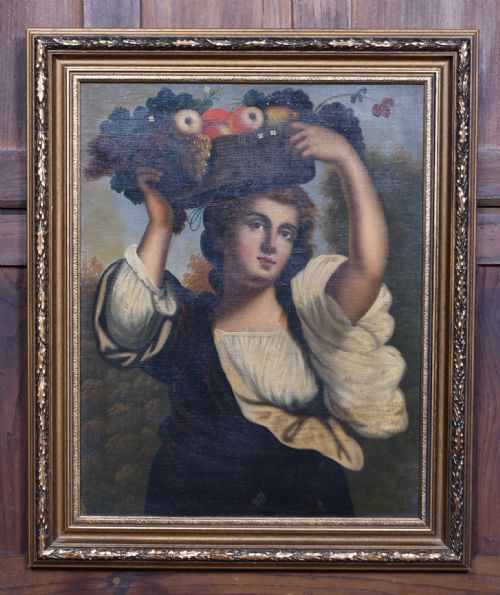
Provenance and specialised forms elevate certain items, such as specialised German truffle trugs or signed European school canvases depicting rural scenes. Material variety also plays a role, with thick iron-bound bindings and dense hardwoods like elm representing the sturdier end of the production spectrum.
The Vintage Harvesting Basket Glossary
- Hotte
- A traditional deep carrying basket or hod, often strapped to the back for harvesting grapes in French vineyards. These tall wicker or wooden vessels taper towards the base.
- Trug
- A shallow agricultural basket traditionally utilised for gathering fruit, vegetables, or truffles. They often feature reinforced rims and solid wooden or woven bodies.
- Wicker
- A pliable material utilised for weaving baskets and furniture, typically made from peeled willow, rattan, or similar plant shoots. It provides both flexibility and tensile strength.
- Elm
- A durable hardwood utilised for the wooden bases and structural components of agricultural carriers. It resists splitting under heavy weight and moisture exposure.
Vintage Harvesting Basket: Frequently Asked Questions
What is a hotte?
A hotte is a traditional deep carrying basket designed for harvesting grapes in vineyards. Workers typically carried these tall vessels on their backs during the vintage.
They represent a specific subset of agricultural containers built for heavy loads of fruit.
How were harvest baskets used?
Agricultural workers utilised these containers to gather grapes, truffles, flowers, and general farm produce from the fields. Their robust construction handled the daily weight of crops during busy seasons.
Today, buyers repurpose them in the home for log storage or general organisation.
What materials make up these pieces?
Maker communities built these utilitarian objects from natural plant fibres and local timbers suited to manual labour. Common materials include woven wicker, willow, pine, oak, and elm.
Iron bindings and paint finishes frequently appear to reinforce the structures and protect the wood.
How do I date an antique basket?
Dating relies on examining the construction techniques, material wear, and structural hardware characteristic of specific periods like the nineteenth century. Stylistic markers connect pieces to French, German, or Chinese provincial traditions.
Records often attribute pieces to broader eras such as the Victorian period or the 1920s based on their build.