

Vintage Handle Bowl
A vintage handle bowl brings functional elegance to a table, offering convenient grips paired with period craftsmanship.
Vintage Handle Bowl
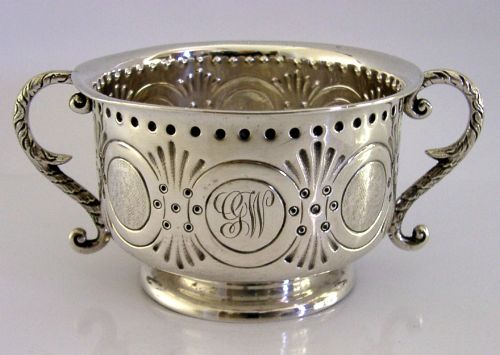
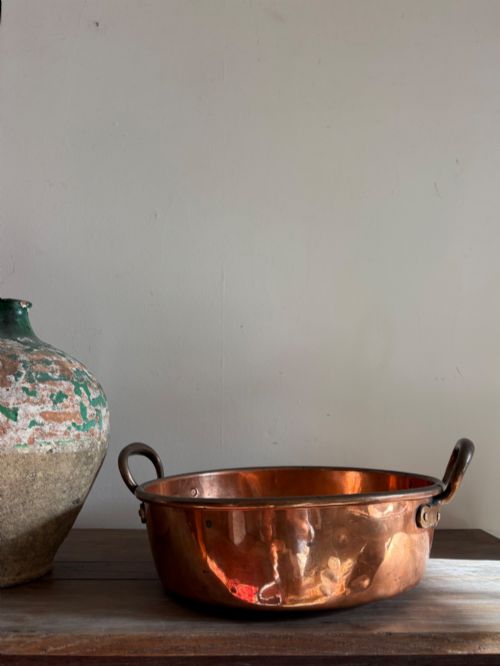
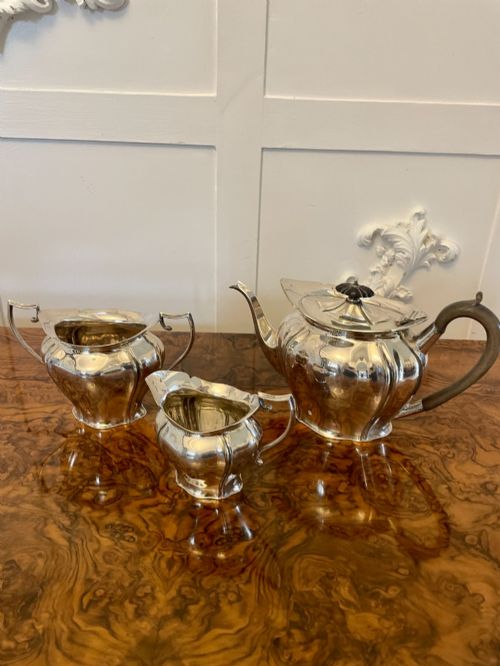
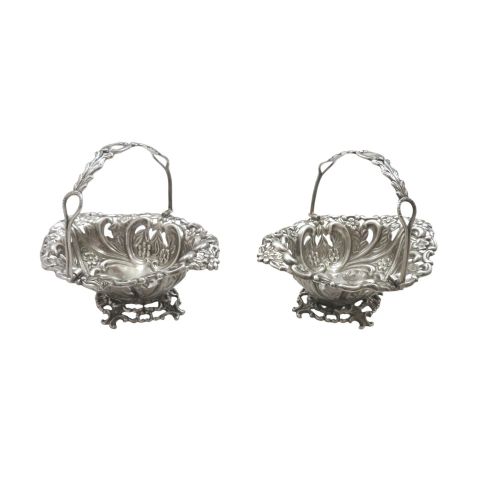
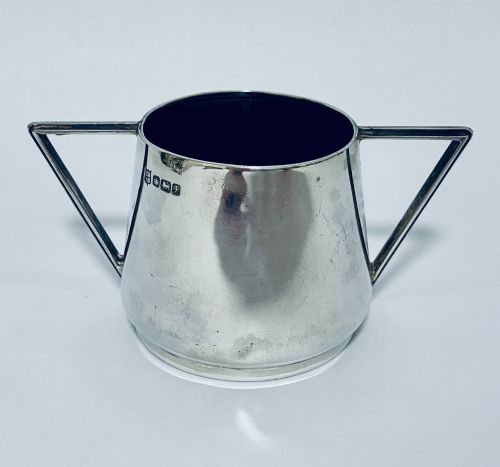
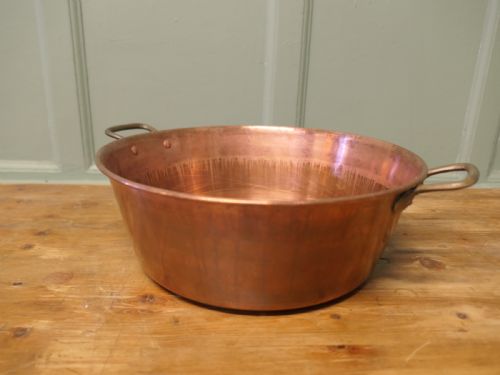
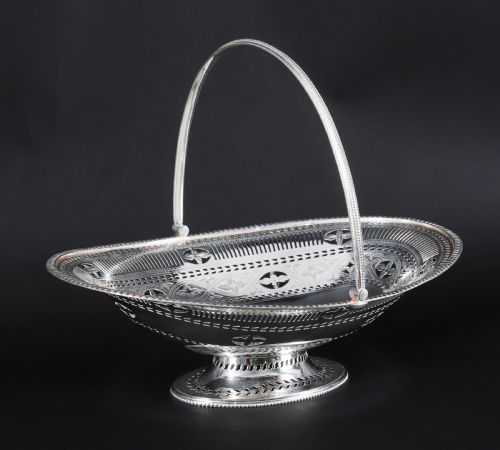
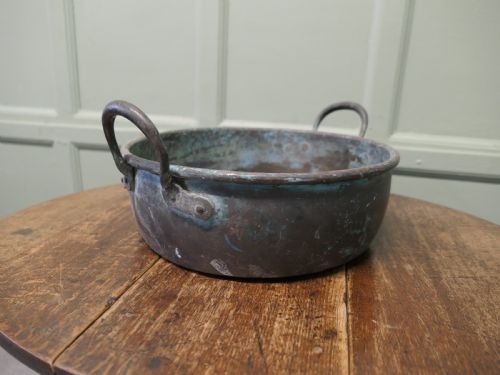
When searching for a vintage handle bowl, buyers encounter a diverse selection of domestic vessels spanning multiple centuries and aesthetic movements. These items range from sturdy nineteenth-century copper preserving pans with brass grips to delicate sterling silver baskets and sugar bowls designed for formal dining.
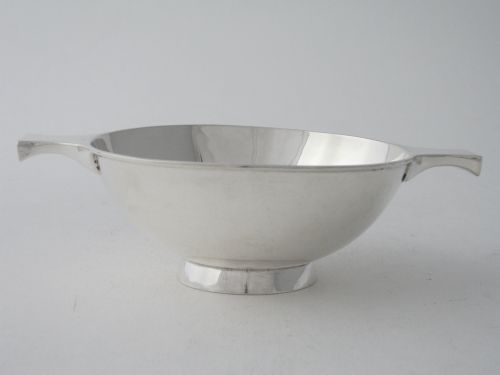
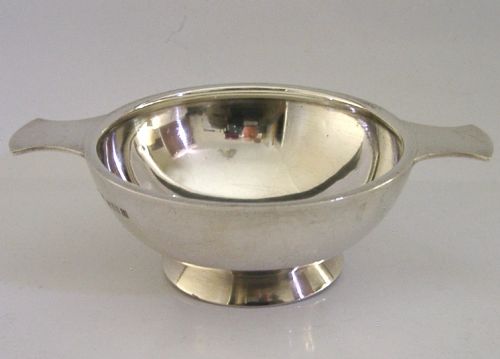
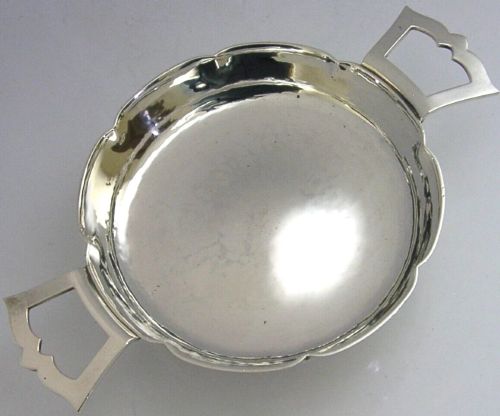
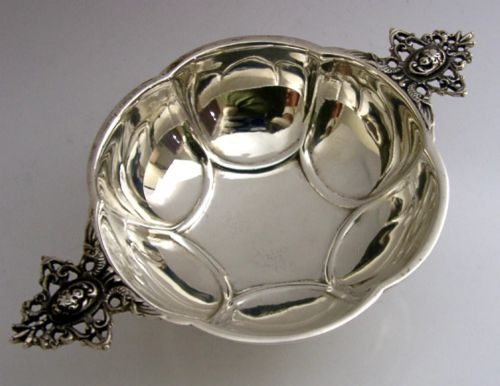
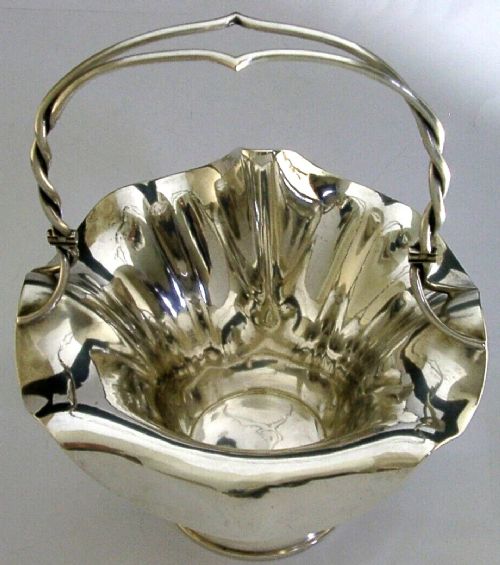
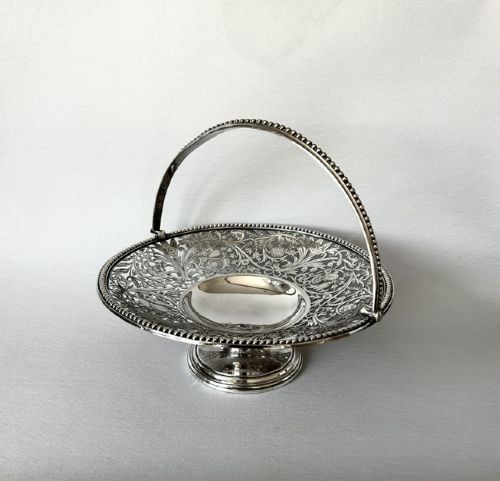
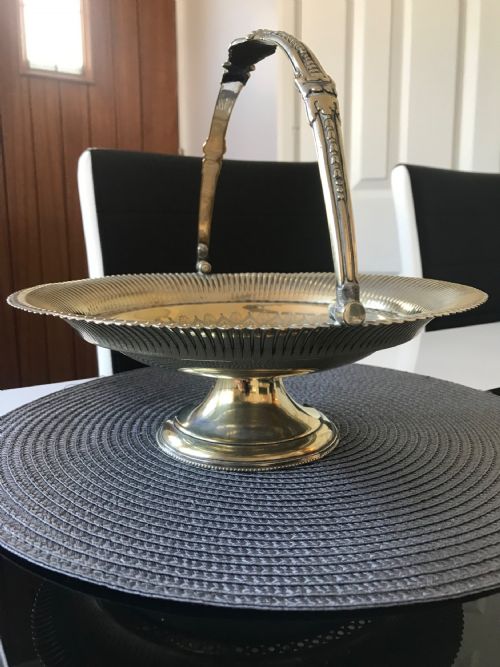
The most common forms appearing in this category include swing-handled fruit baskets, traditional two-handled quaich cups in sterling silver, and heavy metallic cookware featuring securely attached metal handles. Pieces originating from the Victorian, Edwardian, and Art Deco periods dominate the selection, reflecting domestic utility and decorative display.
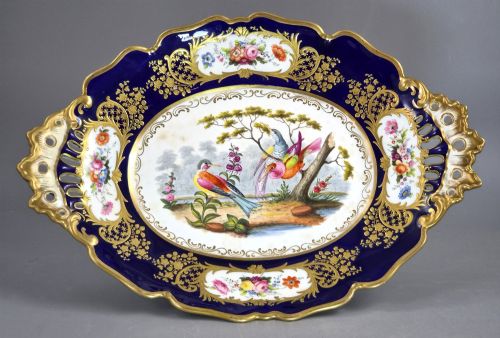
Vessels span various utilitarian and ornamental roles, including barware whisky cups, porcelain dishes, and ceramic bowls. Whether utilised for serving fruit or gathered as decorative barware, each variant exhibits the distinct stylistic markers of its manufacturing era.
Materials and Construction Techniques
Makers utilised a combination of sterling silver, silver plate, copper, and pewter, shaping them through hammering, planishing, and casting. Copper preserving pans typically feature heavy gauge metal secured with solid brass handles, whilst silver baskets often display intricate pierced work and repoussé rims.
Silversmiths and metalworkers employed techniques such as swing-handle attachments and soldered joints to create durable, functional vessels. Ceramic and porcelain alternatives utilised moulded earthenware finished with hand-painted or transfer-printed cobalt blue details.
Vintage Handle Bowl Retail Price Guide 2026
Typical asking prices for vintage handle bowl among the pieces listed under this phrase on Sellingantiques today, from the lower quarter to the upper quarter. They describe what is for sale here now, not the wider market.
Listings feature items spanning the eighteenth, nineteenth, and twentieth centuries, utilising materials from copper and pewter to sterling silver.
Distinctions in Quality
Quality rests upon the gauge of the metal, the integrity of the handle attachments, and the crispness of decorative detailing such as repoussé or piercing. Substantial weight in silver and copper pieces indicates superior durability and material thickness.
The refinement of execution separates standard domestic wares from exceptional studio output, visible in balanced proportions and hand-planished surfaces left by skilled metalworkers.
R E Stone·Elkington·Armada Pewter·Joseph Simon for VSL
The Vintage Handle Bowl Glossary
- Quaich
- A shallow two-handled drinking vessel traditionally associated with Scotland, utilised here in sterling silver and pewter formats.
- Repoussé
- A metalworking technique where the design is hammered into relief from the reverse side, frequently seen along bowl rims.
- Planished
- A surface finish characterised by small, deliberate facet marks left by a hammer, typical of Arts and Crafts metalwork.
- Old Sheffield Plated
- An early fusion method where a thin sheet of silver is fused to a copper base, creating layered metal plates.
- Porringer
- A small, single or double-handled bowl used historically for porridge, broth, or as a christening gift.
Vintage Handle Bowl: Frequently Asked Questions
What were vintage handle bowls used for?
These vessels served diverse domestic functions, ranging from preserving fruit in large copper pans to presenting sugar, sweets, or fruit at dining tables. Many smaller handled bowls also functioned as drinking vessels or christening gifts.
Over time, their roles shifted from purely utilitarian kitchen or dining implements into decorative display pieces and collectible barware.
How do I date a silver handle bowl?
Dating relies heavily on hallmarks stamped into sterling silver and silver-plated items, which indicate the assay office and year of manufacture. Stylistic clues such as floral repoussé work or geometric Art Deco lines also narrow down the era.
Examining construction methods, such as the style of handle fixings and the thickness of the metal, provides further temporal context.
Can I use copper handle bowls for cooking?
Many heavy copper pans were originally designed for preserving jams and culinary tasks over a heat source. However, modern use depends on the interior lining and overall structural condition of the pan.
Buyers often choose to preserve these nineteenth-century copper vessels for display rather than active kitchen use.
How should I clean silver-plated bowls?
Silver plate requires gentle cleaning with specialised silver cloth or mild polish to preserve the thin metallic layer over the base metal. Abrasive cleaners must be avoided to prevent wearing away the plating.
Regular dusting and careful storage away from direct moisture help maintain the finish of antique metalware.