



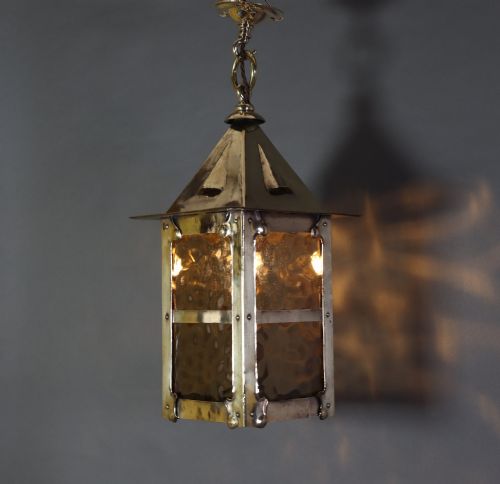

Vintage Hallway Lighting
Vintage hallway lighting brings immediate character to an entryway through period lanterns, chandeliers, and sconces made to illuminate transitional spaces.
Vintage Hallway Lighting
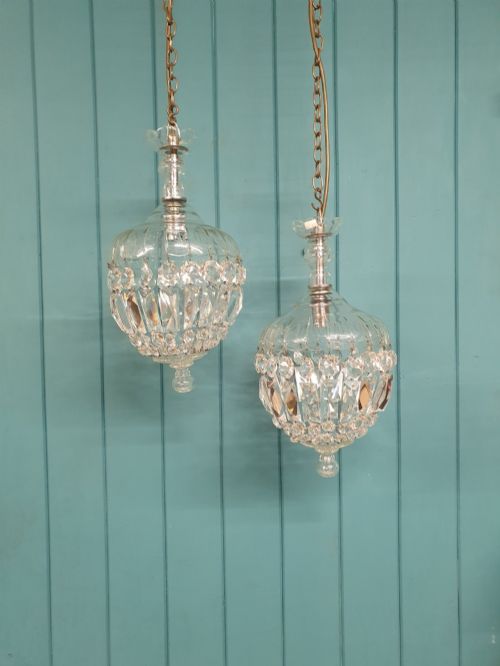
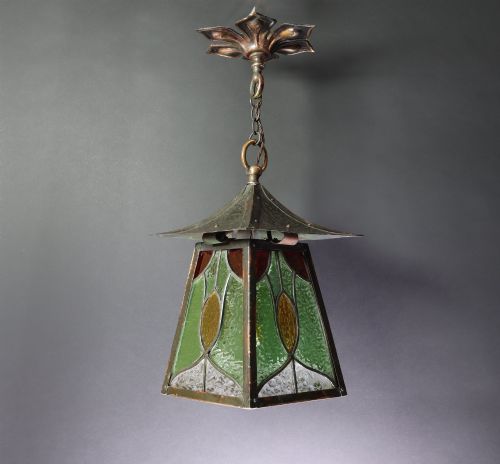
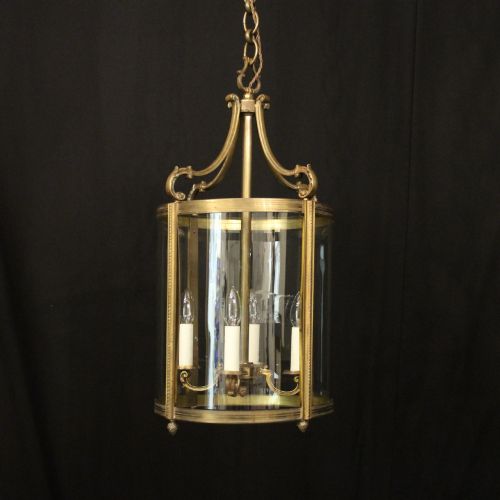
Vintage hallway lighting encompasses hanging lanterns, ceiling lights, pendants, and compact chandeliers designed to illuminate entranceways and corridors. The pieces on this page span from the late nineteenth century through the Art Deco and Edwardian eras, reflecting the shifting tastes of those periods.
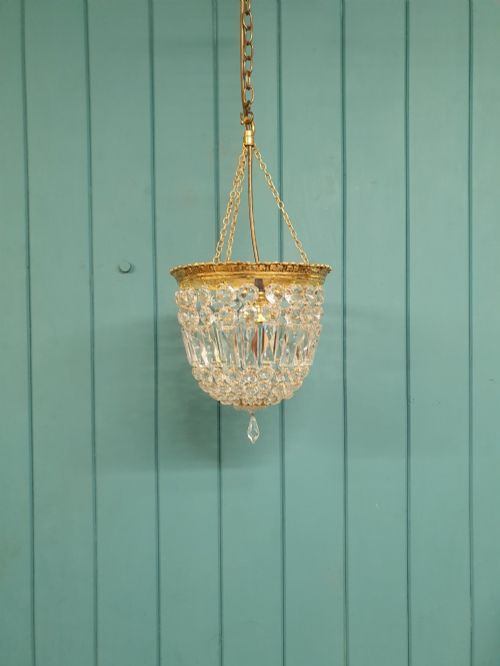
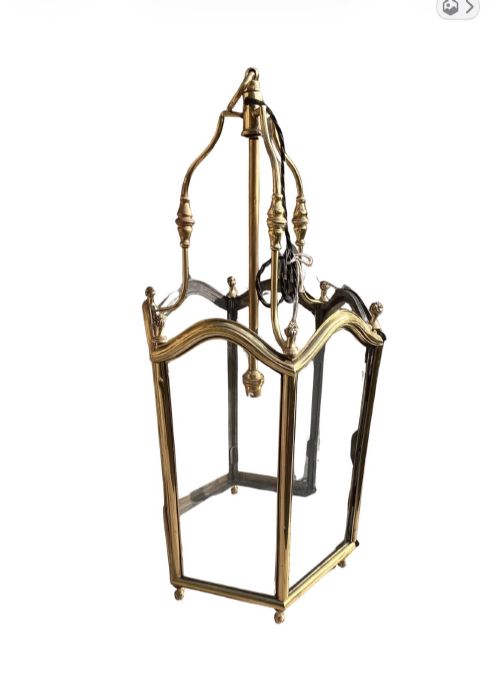
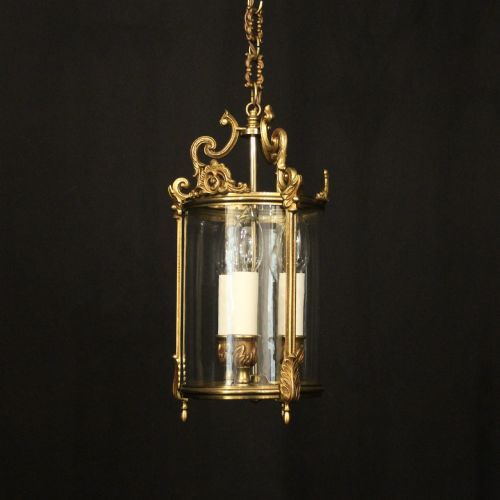
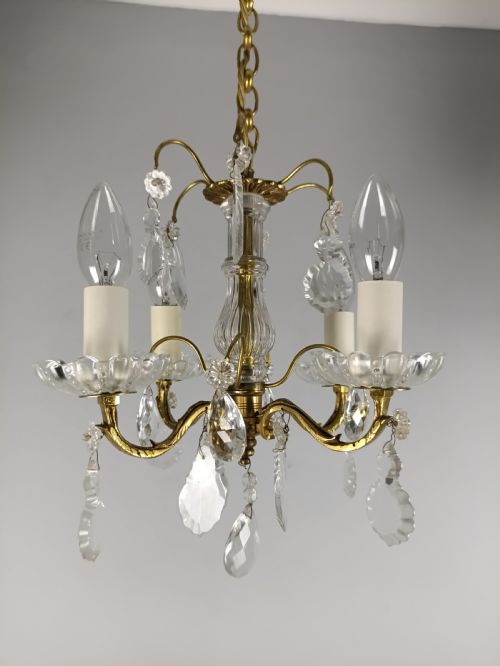
Buyers will most frequently encounter brass lanterns and glass fixtures originating from Edwardian and 1930s workshops. These functional forms range from simple copper pendants to elaborate French gilt bronze and crystal chandeliers intended to make a strong first impression.
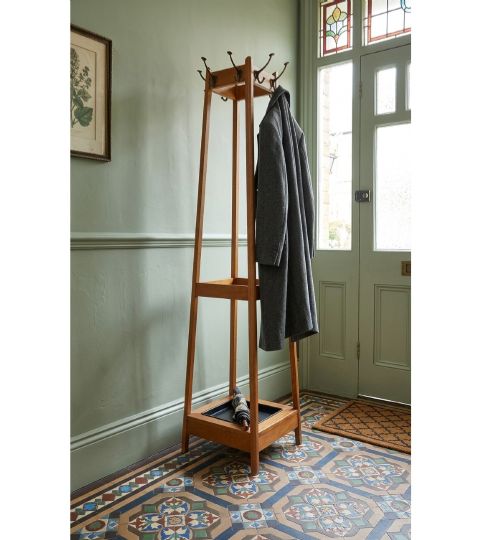
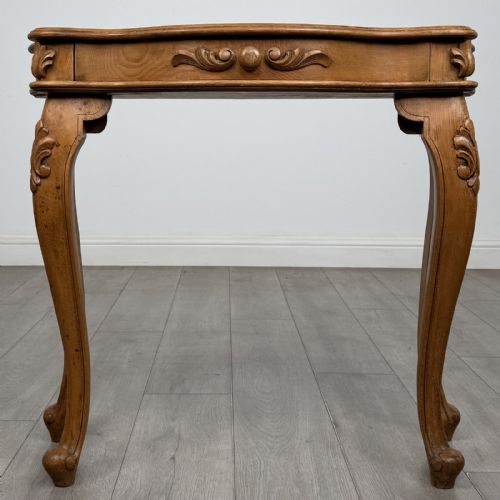
Alongside dedicated hanging lights, the selection includes related entrance furniture such as console tables and wall mirrors in oak, maple, and gilt frames. These pieces share the same period aesthetic, offering a unified approach to furnishing a period hallway.
Materials and Construction
Metalwork forms the structural backbone of these fixtures, utilising brass, copper, wrought iron, and bronze alongside gilded or toleware finishes. Workshops shaped these metals into rigid lantern frames, delicate bezels, and decorative mounts designed to support glass panes or crystal drops.
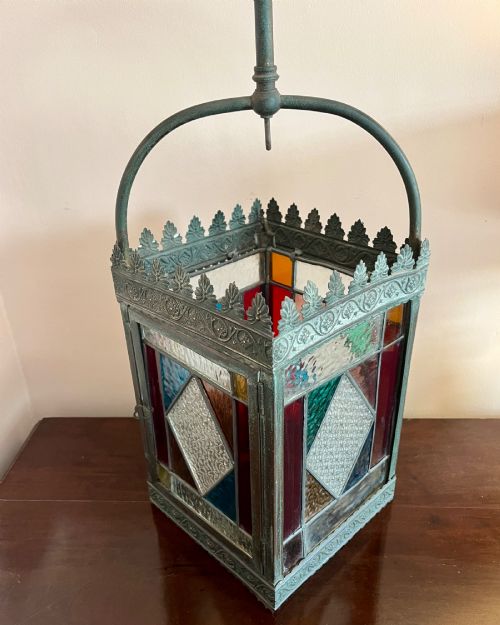
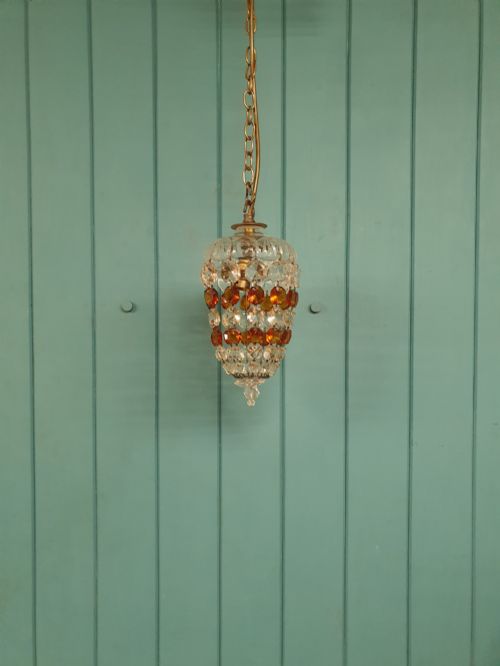
Glass and crystal elements define the optical quality of the lighting, incorporating cut glass, moulded glass, frosted panels, and leaded stained glass. Many items combine these transparent or translucent materials with metal armatures to diffuse light effectively in narrow spaces.
Vintage Hallway Lighting Retail Price Guide 2026
Typical asking prices for vintage hallway lighting among the pieces listed under this phrase on Sellingantiques today, from the lower quarter to the upper quarter. They describe what is for sale here now, not the wider market.
At least one robust hall lantern on record spent its earliest days keeping wind and weather away from actual burning candles before the introduction of modern wiring.
Assessing the Pieces
Quality reveals itself in the weight and thickness of the metal casting, the crispness of the chasing on brass and bronze, and the integrity of the soldered or riveted joints. Superior examples display careful hand-finishing and substantial materials that maintain their rigidity over decades of hanging.
The sophistication of the glass components separates standard production from finer work, seen in deep hand-cutting, clear crystal prism distribution, and intact original leaded or moulded panels. Complete period hanging mechanisms and matching ceiling roses also elevate a piece.
Fortnum and Mason·Savoy Hotel London·Voysey
The Vintage Hallway Lighting Glossary
- Hall Lantern
- A hanging light fixture enclosed in glass panels with a metal frame, traditionally designed to protect candle or oil flames from drafts in corridors. These fixtures remain central to period entrance illumination.
- Bag Chandelier
- A small chandelier featuring a flattened or rounded lower basket of glass beads suspended from a metal crown. They often appear in compact sizes suitable for lower hallway ceilings.
- Chasing
- The technique of hammering metal from the front to refine surface decoration and crisp up cast details. This hand-work indicates higher workshop standards.
- Opaline
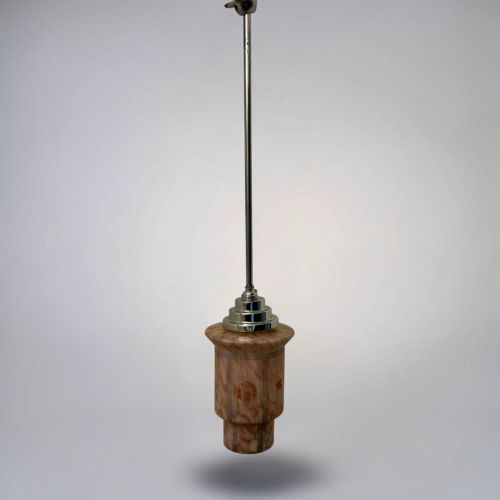
- A type of semi-opaque glass with a milky appearance, popular for diffusing light softly without harsh glares. It frequently occurs in pendant forms.
- Toleware
- Painted or lacquered sheet metal used to create decorative light fixtures with durable coloured finishes. It offers a distinct matte or semi-gloss visual texture.
Vintage Hallway Lighting: Frequently Asked Questions
How do I choose the right size?
Consider both the ceiling height and the floor area of your corridor to ensure the fixture is neither overwhelming nor lost in the space. Compact bag chandeliers and small lanterns suit lower ceilings, while monumental lanterns require substantial clearance.
Measure the drop from the ceiling to ensure people can pass underneath comfortably without obstruction. Hallways often demand a balance between adequate illumination and physical scale.
Were these lights originally electrified?
Many early fixtures started life burning candles or oil before being converted to electricity during later renovations or modern restorations. Candle-lit lanterns from the nineteenth century often show internal adaptations for wiring.
Conversions allow historical pieces to function safely in contemporary homes while retaining their original exterior metalwork and glass panels.
Can I hang these in a low ceiling hallway?
Compact pendant lights, flush-fitting ceiling lights, and small dome top chandeliers work well where vertical space is limited. Selecting a fixture with a minimal drop keeps the walkway clear.
Half lanterns mounted directly against the wall offer an alternative method of lighting narrow corridors without taking up overhead space.
How do I match a light to my door furniture?
Look at the primary metal of your existing hardware, such as brass, bronze, or iron, and seek out complementary finishes in the lighting frames. Consistency in metal tone helps tie an entrance space together.
Mixing metals can work if the styles share a cohesive period aesthetic, such as pairing Arts and Crafts brass with similar period hardware.