

Vintage Green Ornament
These vintage green ornament selections span decorative sculptures, cold-painted bronzes, and porcelain figures from the Victorian era to the mid-twentieth century.
Vintage Green Ornament
A vintage green ornament search gathers diverse decorative objects united primarily by their verdant colouration and age, ranging from Victorian glass lustres to Art Deco ceramic figures. Buyers seeking these items encounter a broad mix of materials including bronze, jadeite, porcelain, and onyx.
Origins stretch from English potteries and European foundries to Chinese carving workshops, offering collectors varied regional interpretations of decorative green objects. Pieces cross multiple categories such as desk items, garden ornaments, and cabinet sculptures.
Materials and techniques in manufacture
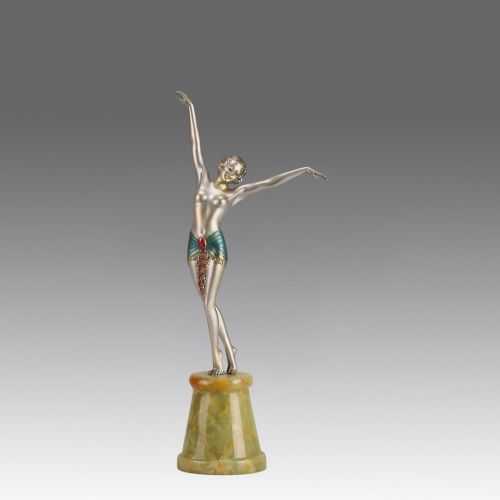
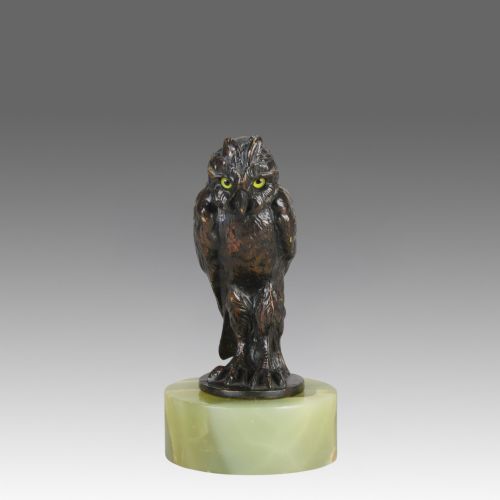
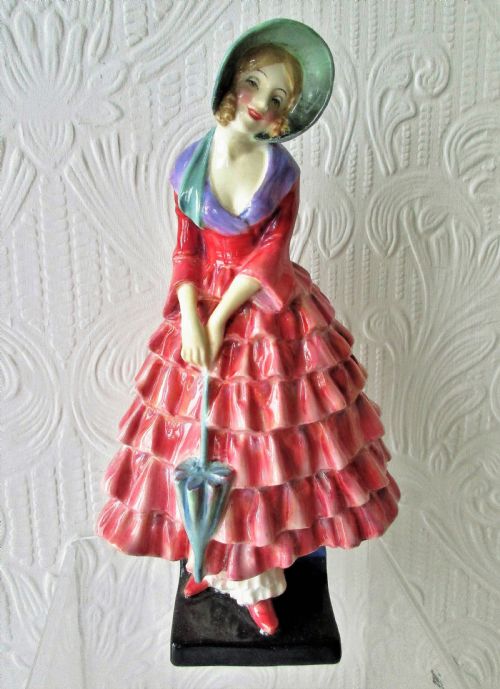
Bronzes rely on traditional casting methods, often enhanced by cold-painted polychrome enamel details applied to the surface before mounting on marble or onyx plinths. Ceramic and porcelain items utilise moulded clay bodies finished with specialised glazes or hand-painted pigments.
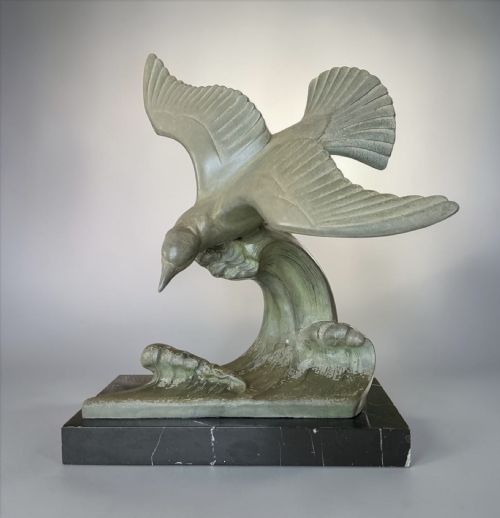
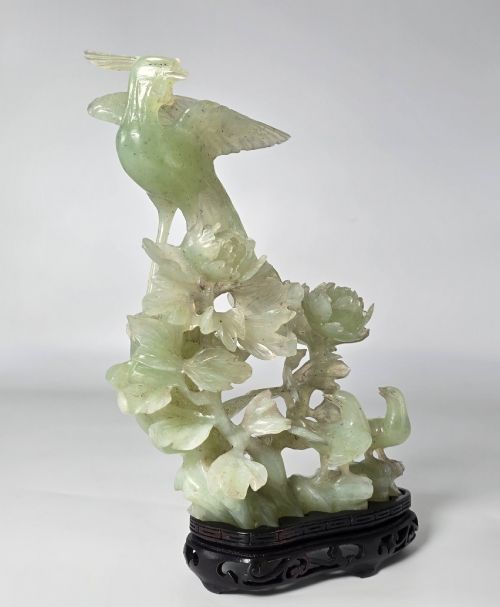
Carved pieces employ hardstones like jade and jadeite, shaped using abrasive techniques to define intricate wildlife or landscape compositions. Iron and spelter objects involve metal casting processes, sometimes paired with applied patinas or chemical treatments to achieve surface colour.
Listings feature items spanning the eighteenth century through the nineteen-forties, using materials such as bronze, porcelain, onyx, and jade.
Factors separating quality tiers
Quality rests upon the crispness of the casting or carving, where finer details in animal feathers, facial expressions, and architectural elements remain sharp and well-defined. The synergy between the main sculptural subject and its mounting, such as a bronze figure properly fitted to an onyx base, dictates the overall execution.
Pigment preservation on cold-painted metal and the depth of glaze on ceramics distinguish superior examples from heavily worn pieces. Artist attribution and documented foundry marks further elevate a piece by confirming its origin and production standard.
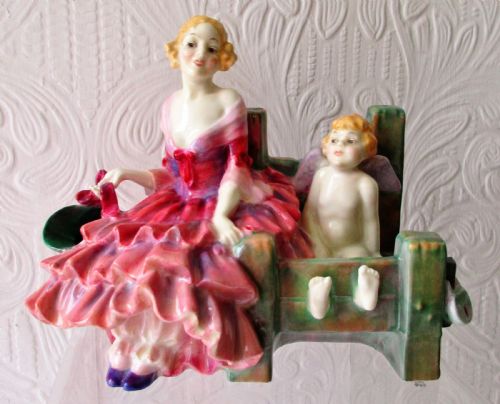
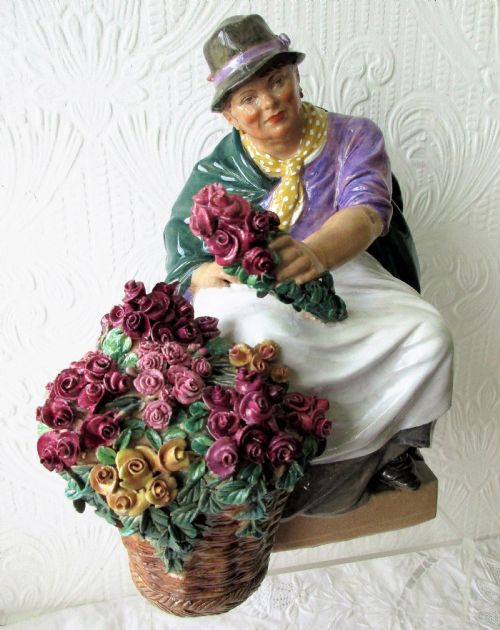
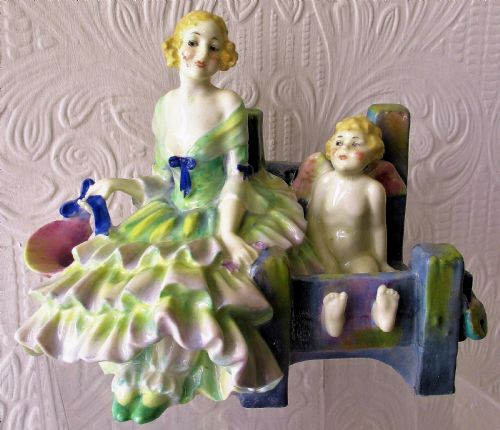
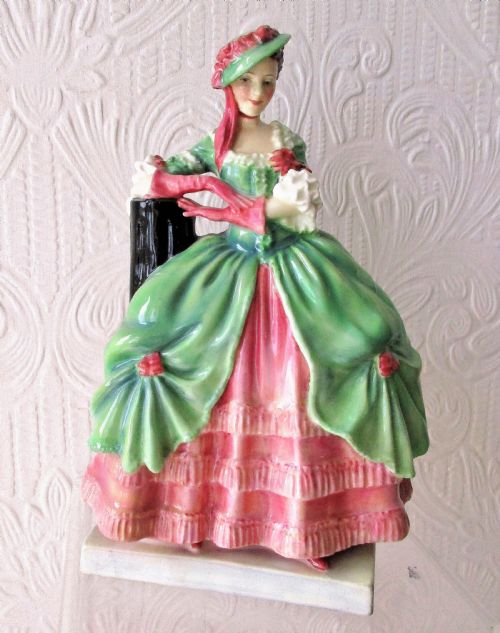
Karl Ens·Royal Doulton·Josef Lorenzl·George Philips and Son Ltd·Charles Vyse·Royal Dux·P Sega·Antoine L Barye·Mabel Lucie Attwell Shelley
The Vintage Green Ornament Glossary
- Cold-painted bronze
- A method where bronze figures receive paint layers without subsequent kiln firing. This technique was widely utilised by Austrian foundries in the late nineteenth and early twentieth centuries.
- Animalier
- A nineteenth-century artistic genre focusing on the realistic portrayal of animals. French sculptors frequently worked in this style using bronze.
- Sancai
- A three-colour glaze tradition originating in China, typically employing green, amber, and cream tones. It is commonly associated with Tang dynasty style pottery figures.
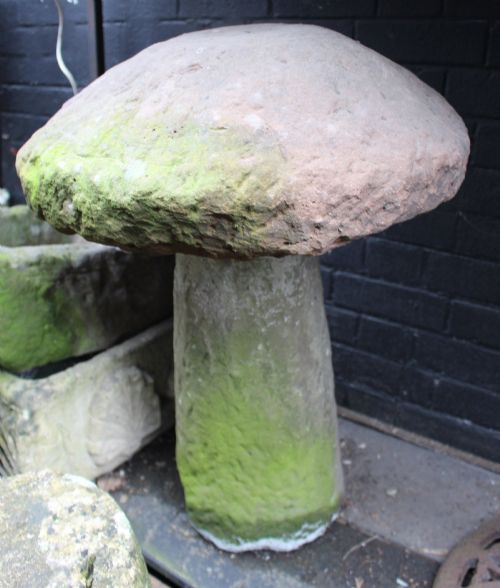
- Staddlestone
- A mushroom-shaped stone pillar formerly used to support granaries off the ground to deter vermin. They now serve as garden ornaments.
- Table lustre
- A decorative glass ornament featuring hanging crystal prisms designed to catch the light. Victorian examples often incorporate green glass.
Vintage Green Ornament: Frequently Asked Questions
What defines an Art Deco green ornament?
Art Deco pieces from the interwar period often feature streamlined figures, stylised animals, or ceramic ladies rendered in geometric forms with characteristic green glazes.
These items reflect the modern design movements of the nineteen-thirties, contrasting with the more ornate aesthetic of earlier Victorian works.
How are cold-painted bronzes cared for?
Cold-painted bronze requires gentle dusting with a soft brush, avoiding any liquid cleaners or chemical polishes that might strip the delicate enamel surface.
Keeping the piece away from direct sunlight helps preserve the original painted colours on subjects like birds and dancers.
What is the difference between jade and jadeite?
Jade encompasses two distinct mineral species, nephrite and jadeite, both utilised in Chinese carvings and pendants across various historic periods.
Jadeite typically displays a crystalline structure and vibrant green tones, while nephrite tends to have a denser, slightly more muted appearance.
Where were Vienna bronzes produced?
Vienna bronzes originated in Austrian workshops during the nineteenth and early twentieth centuries, specialising in small, highly detailed animal and human figures.
These miniature sculptures frequently incorporate cold-painting techniques and are occasionally mounted on stone bases like green onyx.