



Vintage Grand Tour Bronze
These vintage grand tour bronze pieces bring classical antiquity and Renaissance sculpture into the home as souvenirs of European travel.
Vintage Grand Tour Bronze
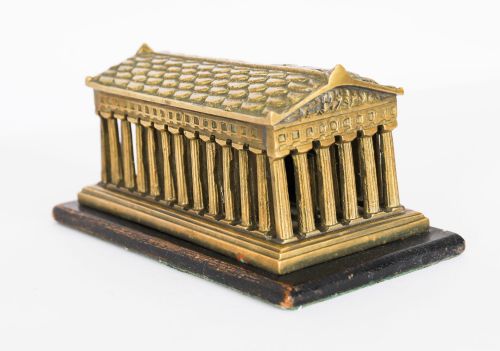
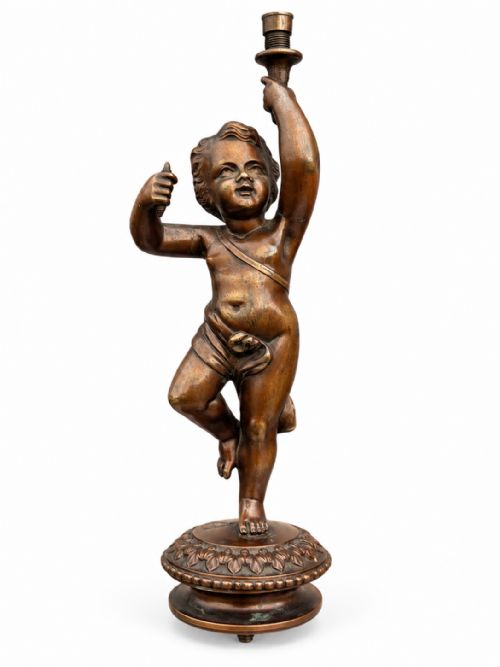
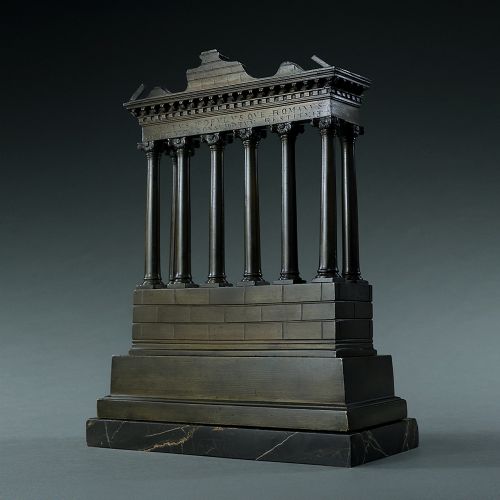
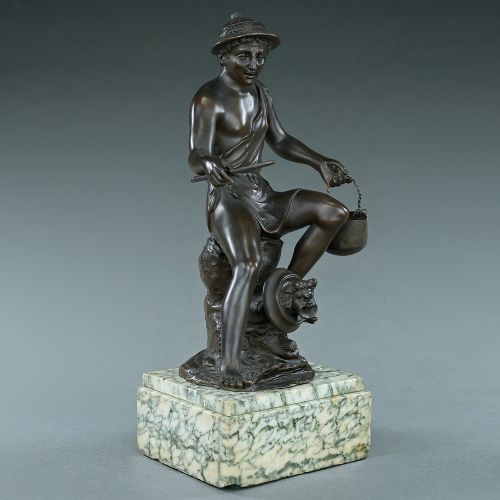
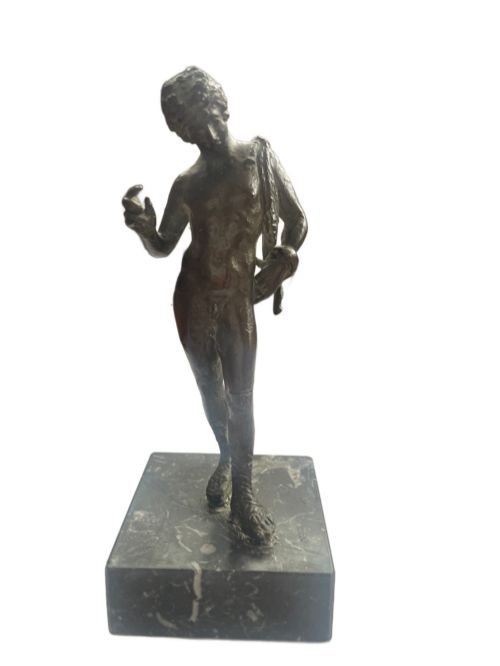
When you search for vintage grand tour bronze, you encounter reductions of classical sculptures, architectural models, and mythological figures collected by travellers across Europe. These items range from figures of Bacchus and Narcissus to models of the Arc de Triomphe and Campana urns.
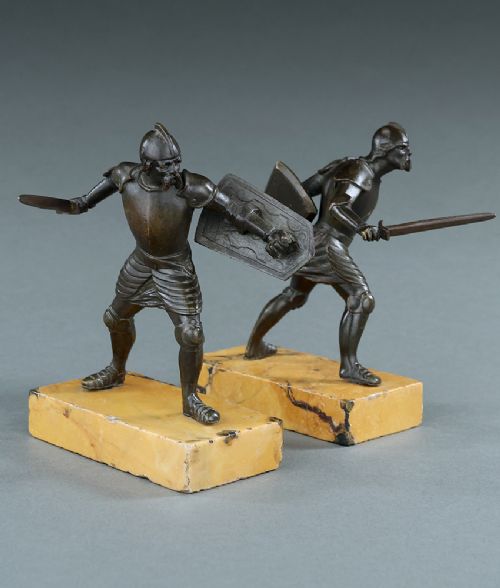
The selections on this page draw heavily from the nineteenth century, including specific dates such as 1870, 1860, and 1880, alongside Victorian interpretations. Forms vary widely from single sculptural figures to pairs of duelling knights, oil lamps, and wall plaques.
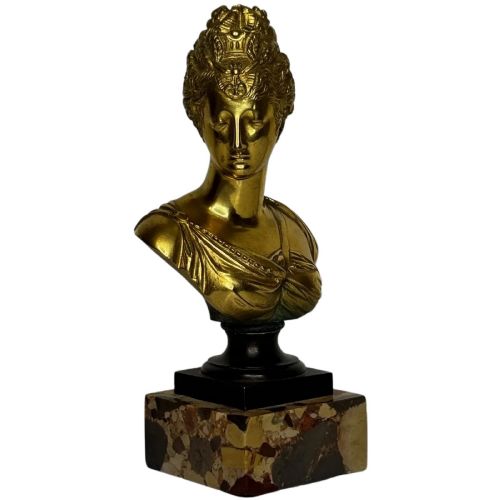
Origins span Italian and French workshops, capturing the neoclassical and Renaissance revival tastes of the period. Pieces frequently incorporate marble bases to elevate the bronze study or model.
Materials and construction
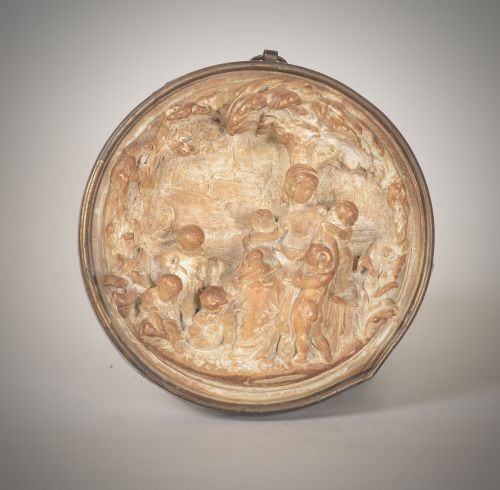
Foundries utilised bronze, brass, gilt bronze, and ormolu, often pairing metal figures with marble, fossil marble, or painted surfaces. Plaster and terracottas also appear alongside metal casts for library busts and relief plaques.
Techniques relied on traditional casting methods to produce detailed reductions after the antique, sometimes finished with specific patinations like green patination or silvered surfaces. Architectural models and chamber sticks additionally incorporate materials like cloisonné and micro mosaic.
Vintage Grand Tour Bronze Retail Price Guide 2026
Typical asking prices for vintage grand tour bronze among the pieces listed under this phrase on Sellingantiques today, from the lower quarter to the upper quarter. They describe what is for sale here now, not the wider market.
Listings feature nineteenth-century dates alongside seventeenth-century and Regency pieces, utilising bronze, marble, brass, and plaster.
Assessing quality and execution
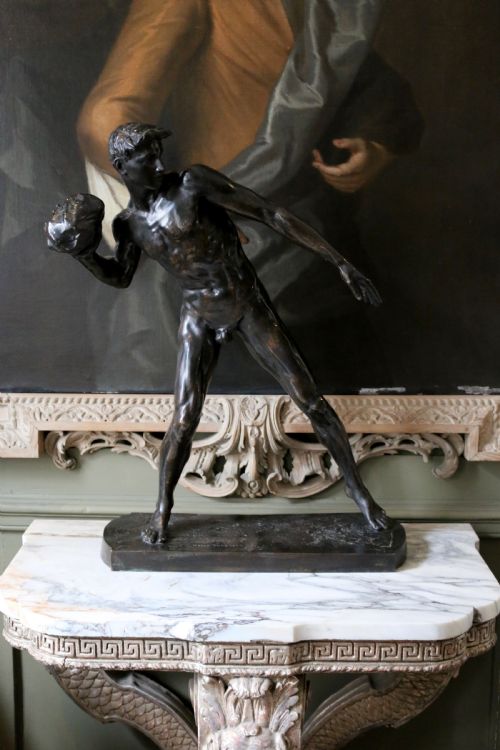
Quality rests in the crispness of the cast and the fidelity of the reduction to the original antique sculpture or monument. Finer examples display sharp anatomical details, clean chasing, and well-defined facial expressions on figures such as Dionysus or the Emperor Augustus.
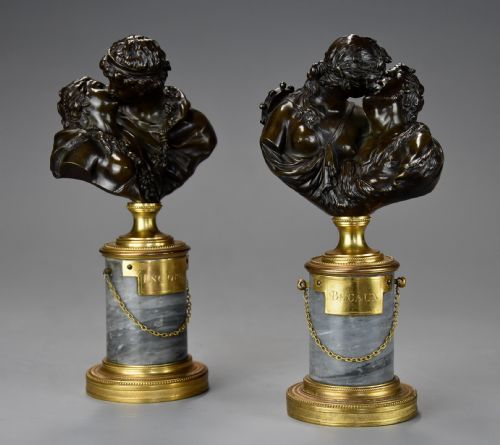
The integration of the object with its base further defines the standard of the piece, whether mounted on a white marble plinth, black marble, or fossil marble. Superior works maintain balanced proportions and harmonious patination across both the main subject and any secondary elements.
Hamo Thornycroft·Jean Antoine Houdon·Eden Antony Paul Noel
The Vintage Grand Tour Bronze Glossary
- Grand Tour
- A traditional trip through Europe, undertaken by upper-class young men and adults, resulting in the acquisition of art and souvenirs. These objects reflect the classical and Renaissance sculpture studied abroad.
- Reduction
- A smaller copy of a larger sculpture, often produced in bronze for travellers to transport home. These studies captured famous public monuments and museum pieces.
- Campana Urn
- A bell-shaped vessel style originating from classical antiquity, frequently rendered in bronze or brass as a decorative object. They draw inspiration from ancient pottery and marble forms.
- Patination
- The surface coloration or sheen developed on bronze naturally over time or applied chemically by a foundry. Green and dark brown patinations are common on nineteenth-century casts.
- Ormolu
- Gilt bronze produced by applying a finely ground high-carat gold-mercury amalgam to a bronze object. This finish provides a bright golden surface seen on decorative mounts and candlesticks.
Vintage Grand Tour Bronze: Frequently Asked Questions
What is a grand tour bronze?
A grand tour bronze is a small-scale nineteenth-century sculpture or architectural model purchased by travellers touring European cultural centres.
These pieces reproduced famous classical, Hellenistic, and Renaissance works found in Italian and French collections.
How were these bronzes displayed?
Travellers typically placed these sculptures on desks, mantels, and library tables mounted on marble plinths.
They served as both intellectual conversation pieces and tangible reminders of classical art studies.
What subjects are most common?
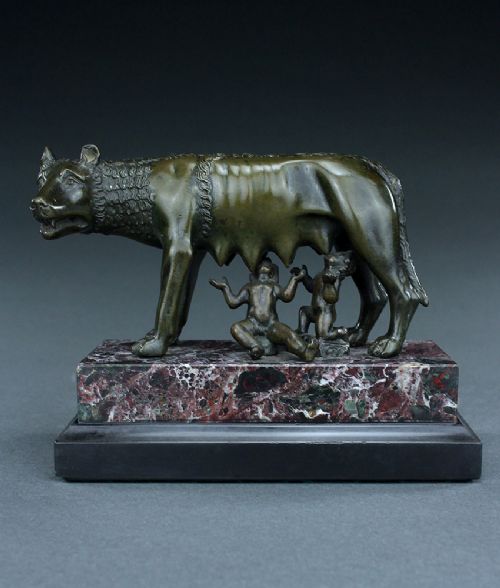
Common subjects include mythological figures like Bacchus and Narcissus, Roman gladiators, animals such as the Capitoline Wolf, and architectural models like the Arc de Triomphe.
Artists also reproduced Renaissance figures and classical literary characters.
How do you date a vintage bronze?
Dating relies on foundry marks, casting style, material composition, and the specific patination applied to the metal.
Nineteenth-century pieces often feature characteristic mounting styles on marble bases that distinguish them from later reproductions.