

Vintage Golden Oak
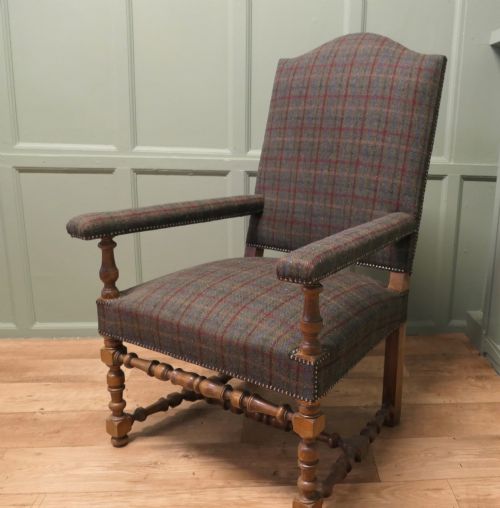
These vintage golden oak pieces bring warm honey tones and robust timber construction into everyday interiors.
Vintage Golden Oak
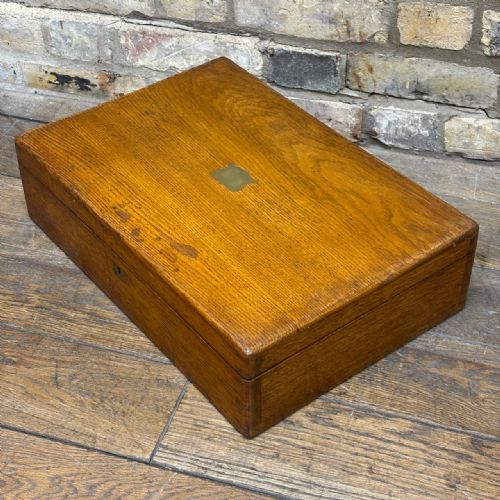
Vintage golden oak encompasses a range of domestic and office furniture produced from the late nineteenth century through to the mid-twentieth century. Buyers seeking this search phrase encounter pieces defined by a warm, honeyed timber tone rather than dark, polished finishes.
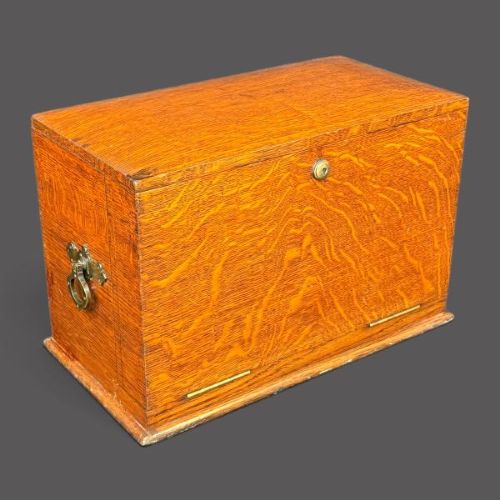
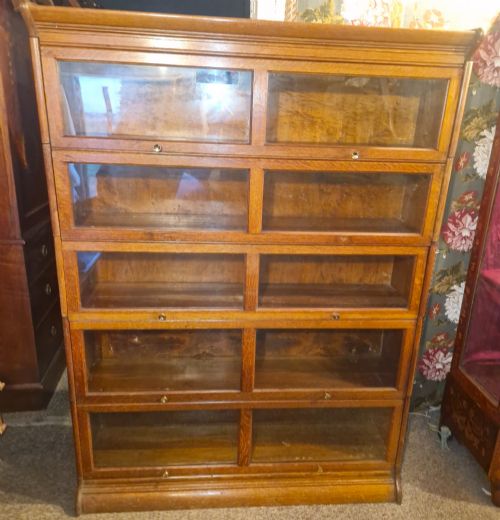
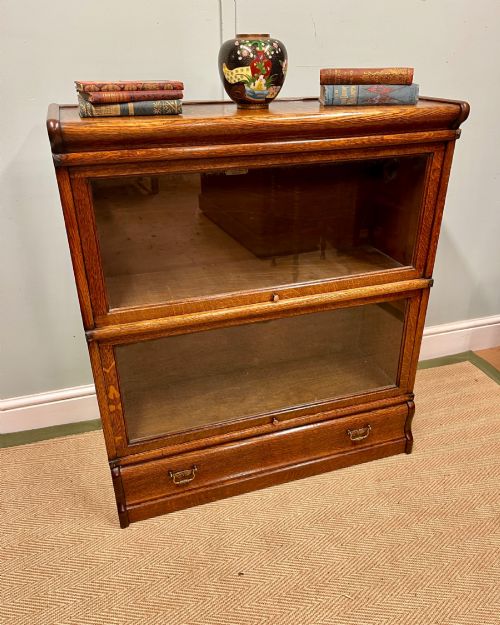
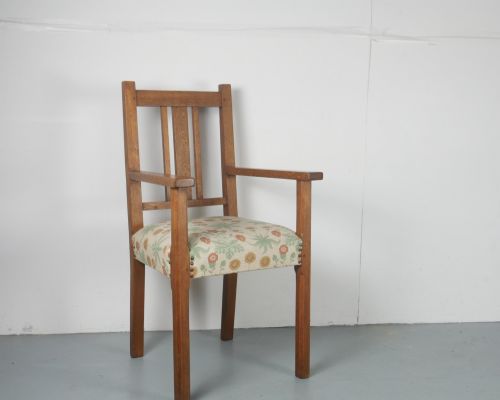
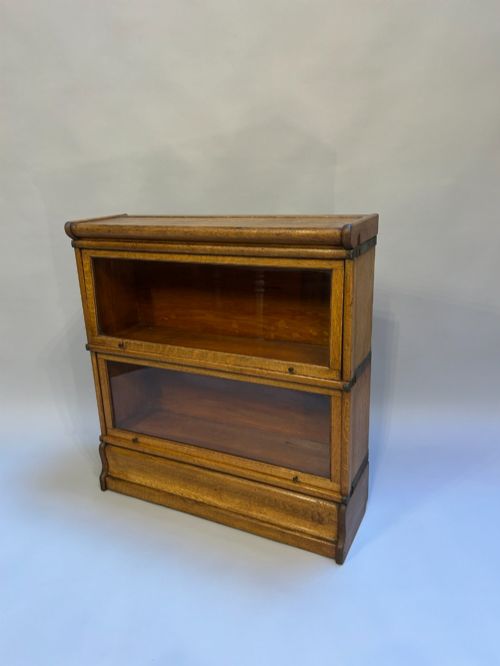
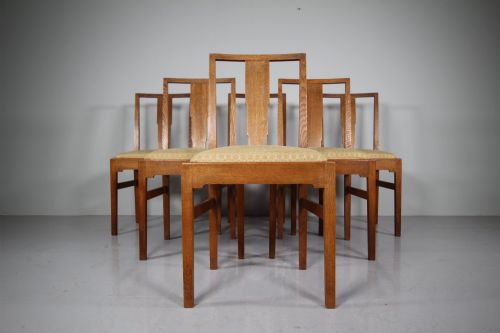
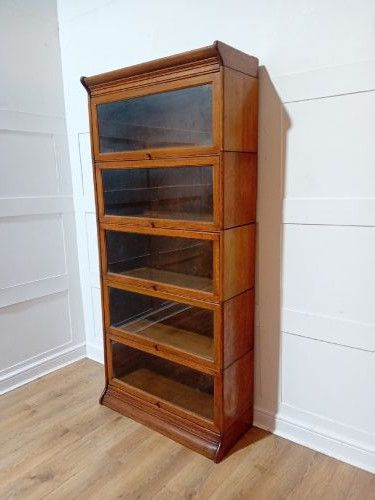
The selection on this page leans heavily towards practical forms from the Edwardian era and the 1920s and 1930s. Common pieces include modular barristers bookcases, roll-top desks, chests of drawers, dining tables, and sideboards displaying Arts and Crafts or Art Deco influences.
Originating predominantly from British workshops and prominent retailers of the period, these items combine utility with distinct stylistic flourishes like carved galleries, leaded glass, and original brass hardware.
Materials and construction
Construction relies primarily on solid oak and select veneers, chosen for durability and distinctive grain patterns. Workshops utilised traditional joinery methods, incorporating brass handles, iron mechanisms, and glass panels into bookcases and display cabinets.
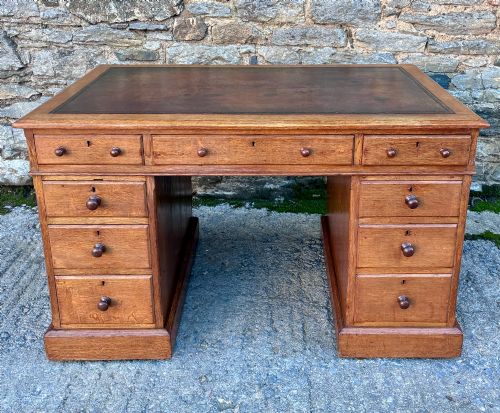
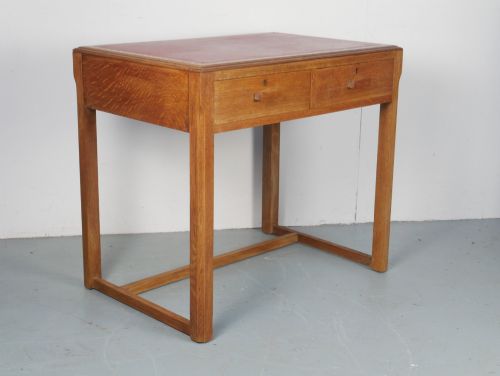
Finishes emphasise the natural honey colour of the timber, sometimes enhanced with subtle inlay work in contrasting woods or fitted with green leather inserts on desk surfaces. Structural elements balance heavy timber frames with functional details such as splayed legs, fold-over tops, and revolving mechanisms.
Vintage Golden Oak Retail Price Guide 2026
Typical asking prices for vintage golden oak among the pieces listed under this phrase on Sellingantiques today, from the lower quarter to the upper quarter. They describe what is for sale here now, not the wider market.
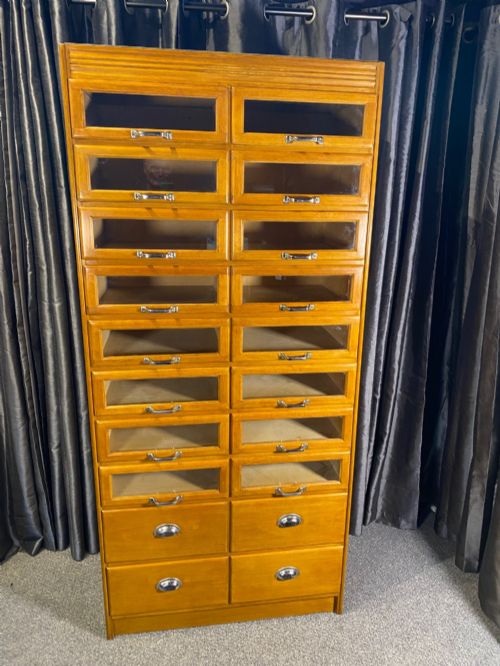
Office furniture forms include revolving armless desk chairs, vertical filing cabinets, and perpetual desk calendars.
Assessing quality and craftsmanship
Quality in these items rests upon the integrity of the timber selection and the retention of original maker details. Pieces bearing paper labels, stamps, or specific hardware from notable makers stand apart from standard commercial production.
The refinement of carved detailing, the smoothness of mechanical actions in desks and filing cabinets, and the presence of original fittings such as brass acorn handles define the upper tier of the range.
Heals of London·Gunn·Heal's·Gillows
The Vintage Golden Oak Glossary
- Barristers bookcase
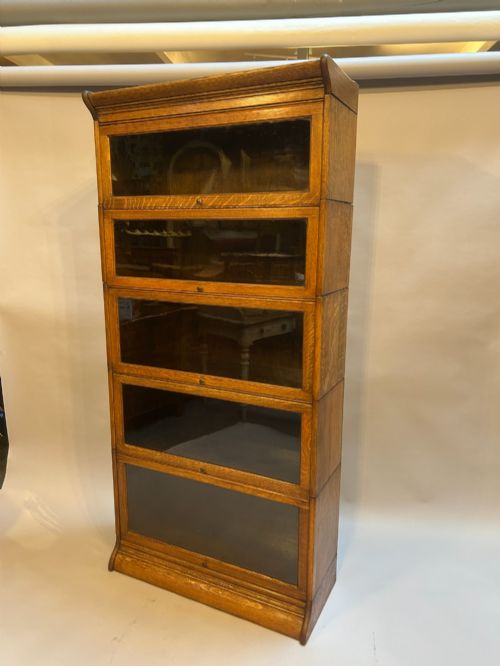
- A sectional modular bookcase featuring stacking glass-fronted shelves that lift and slide inward. This design allowed legal professionals to transport their libraries easily.
- Roll-top desk
- A form of writing desk featuring a flexible slatted wooden tambour that pulls down to conceal the pigeonholes and drawers. It typically incorporates a central locking mechanism for security.
- Refectory table
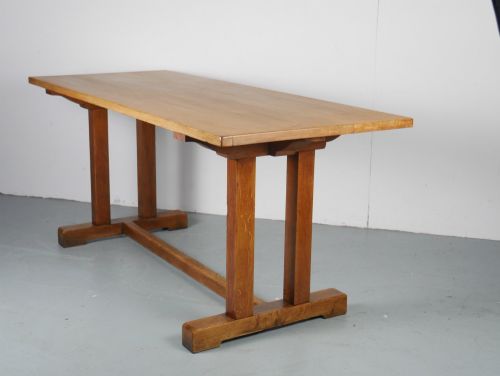
- A long, narrow dining table traditionally used for communal dining and adapted in later periods with sturdy timber legs and stretchers. Arts and Crafts interpretations often highlight the natural grain of the oak top.
- Pollard oak
- Timber taken from trees that have been pollarded, producing a heavily figured burl grain with swirling patterns. Cabinet makers utilised this material for decorative drawer fronts and cabinet doors.
- Raised gallery
- A low decorative railing or backboard attached to the top surface of a chest of drawers, desk, or sideboard. It prevents items from sliding off the rear edge.
Vintage Golden Oak: Frequently Asked Questions
What periods do these oak items come from?
The pieces span the Victorian era, the Edwardian period, and the interwar decades up to the mid-twentieth century. Styles range from heavy Victorian and Arts and Crafts designs to streamlined Art Deco forms.
Manufacturing dates cluster around 1900 to 1930, reflecting a period of high demand for functional, well-built domestic and office furniture.
How do I care for golden oak furniture?
Maintain the finish by dusting regularly with a soft, dry cloth and avoiding placement near direct heat sources or strong sunlight. These precautions prevent the timber from drying out or fading.
Applying a traditional beeswax polish occasionally helps nourish the wood and preserves the warm honey tone without building up heavy residues.
Where were these pieces used originally?
Many items served in professional environments such as solicitors' offices, libraries, and studies, evidenced by the prevalence of roll-top desks, filing cabinets, and modular bookcases. Other forms were designed for domestic dining rooms, hallways, and bedrooms.
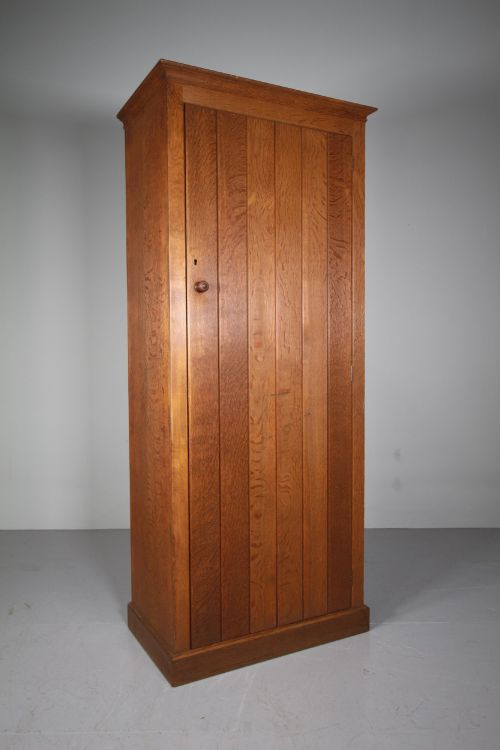
Dining tables, sideboards, wardrobes, and tea tables catered to the functional needs of Edwardian and interwar households.
How do I identify an Arts and Crafts oak piece?
Arts and Crafts pieces emphasise honest construction, visible joinery, and minimal applied ornamentation. They often feature hand-hammered brass hardware, strap hinges, and simple geometric lines.
The focus remains on the natural qualities of the solid oak rather than elaborate surface decoration.