
Vintage Gold Solitaire Ring
A vintage gold solitaire ring centres a single stone on a precious metal band, holding enduring appeal for collectors of twentieth-century jewellery.
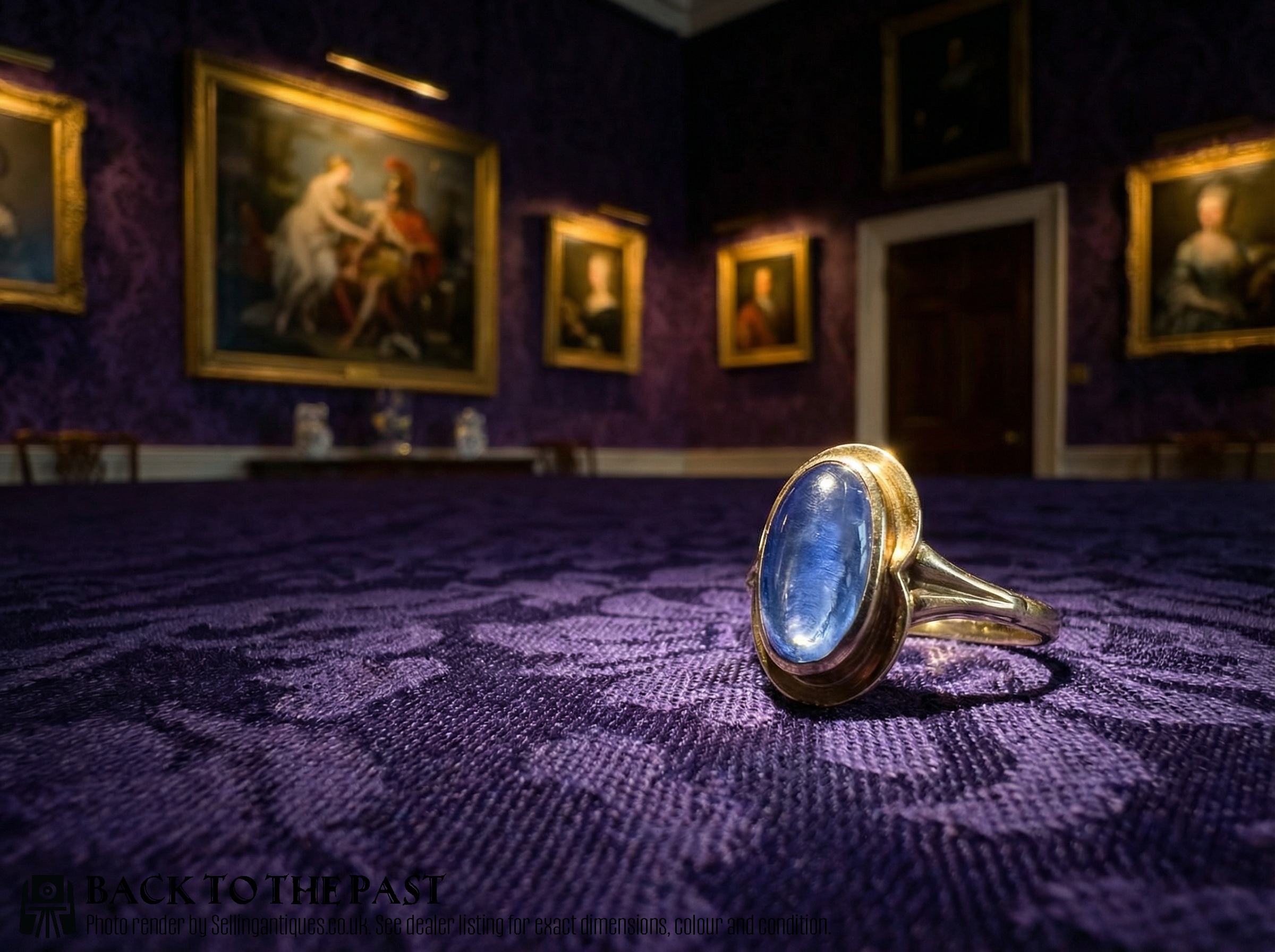
Vintage Gold Solitaire Ring
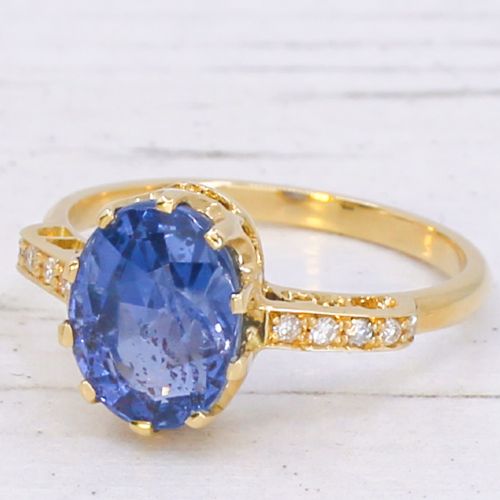
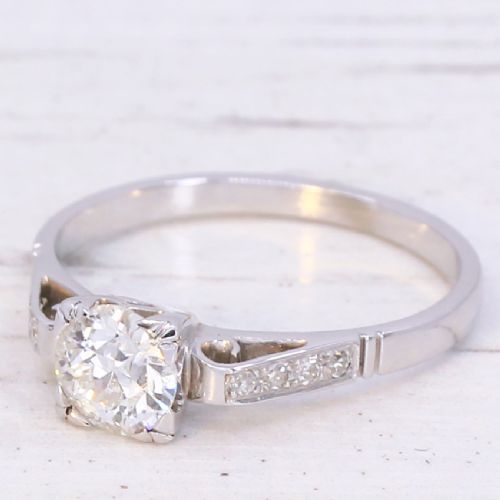
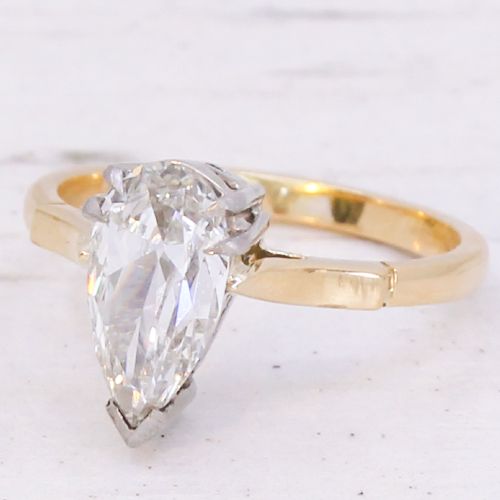
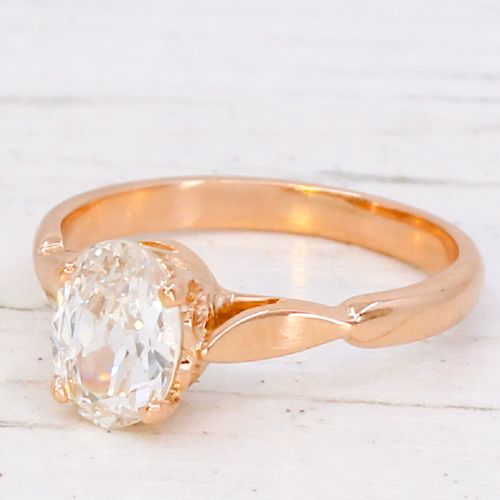
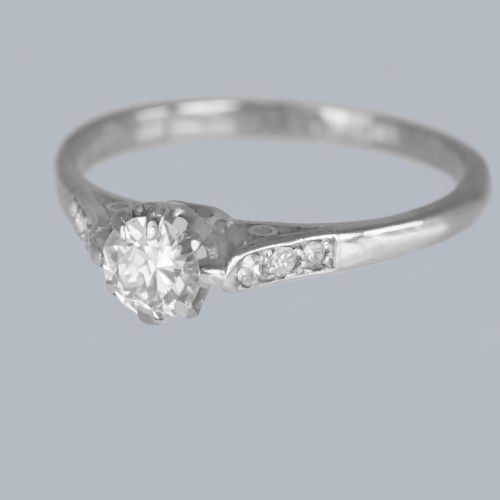
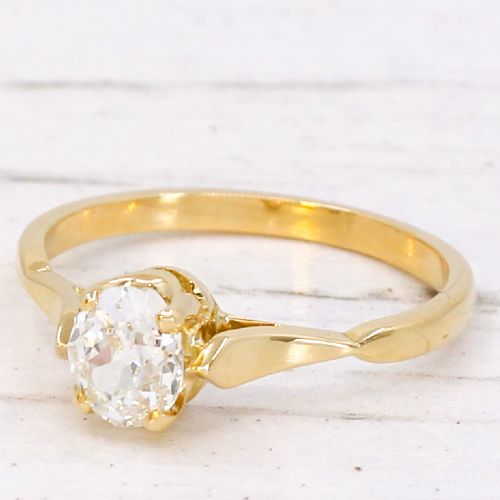
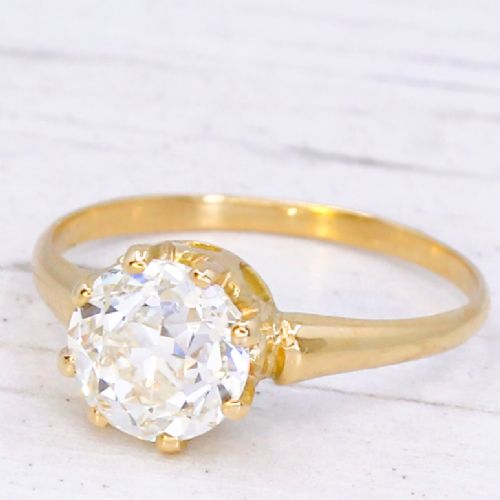
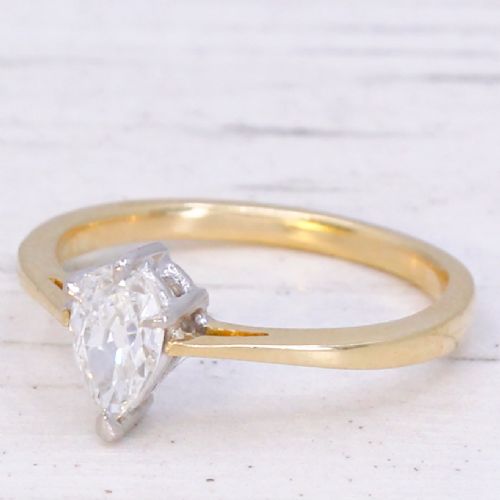
A vintage gold solitaire ring places a single gemstone at the focal point of the design, most frequently taking the form of an engagement ring set with a diamond. These pieces emerge across several decades, spanning Edwardian, Art Deco, Mid-Century, and later vintage periods.
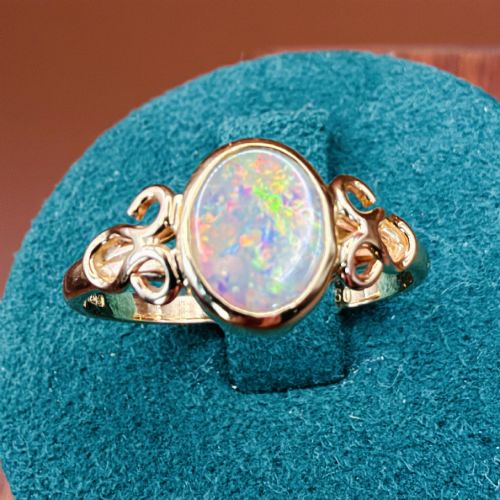
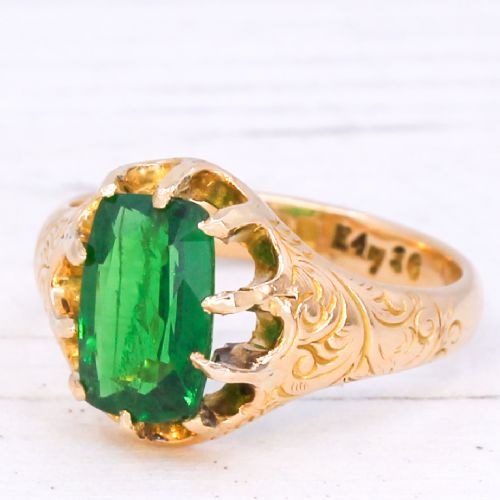
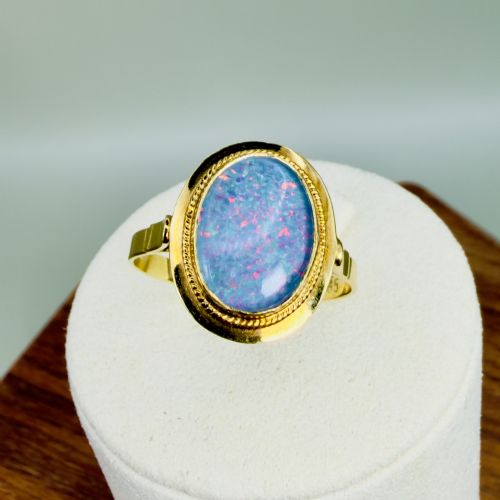
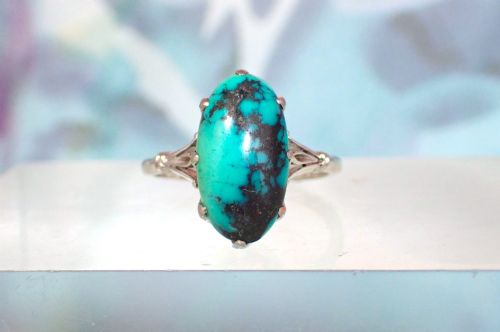
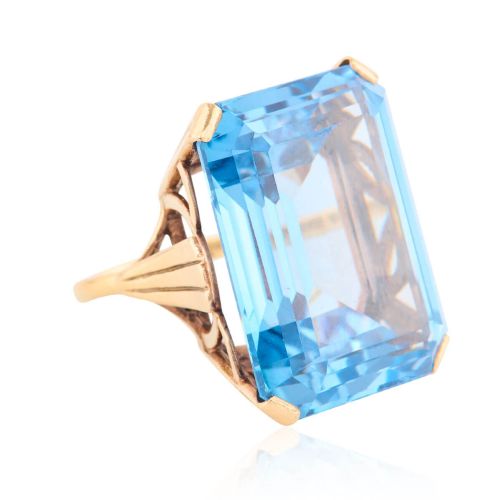
While diamond remains predominant, the selection also encompasses coloured stones such as amethyst, aquamarine, chalcedony, carnelian jasper, and opal. Bands are fashioned in yellow gold, white gold, rose gold, and platinum combinations, often utilising multiple metals in a single mount.
Materials and construction
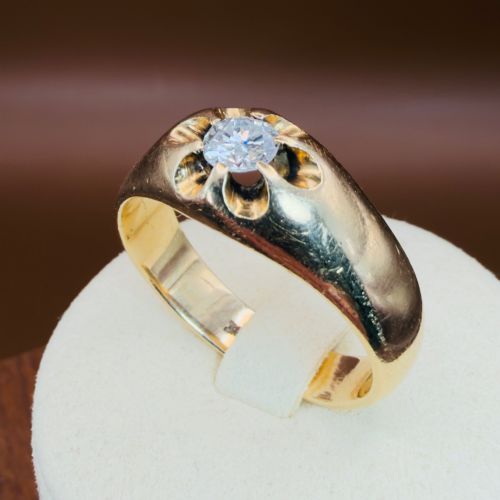
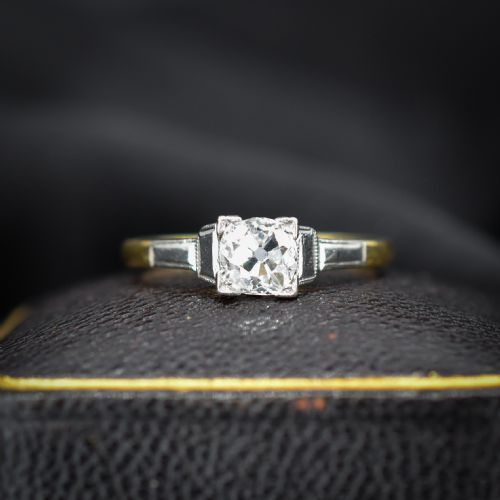
Goldsmiths employ varied purities of gold, notably 9ct, 14ct, and 18ct, alongside platinum for heightened durability in setting stones securely. Old cut diamonds and antique cushion cuts appear frequently in earlier examples, paired with prong, bezel, or gypsy settings.
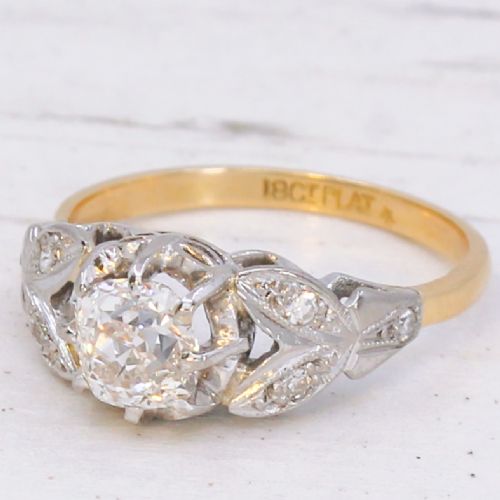
Construction techniques include both hand-fabrication and early casting methods, often combining yellow gold shanks with white gold or platinum settings to enhance the visual brilliance of diamonds.
Vintage Gold Solitaire Ring Retail Price Guide 2026
Typical asking prices for vintage gold solitaire ring among the pieces listed under this phrase on Sellingantiques today, from the lower quarter to the upper quarter. They describe what is for sale here now, not the wider market.
The archive records styles spanning Edwardian, Art Deco, Mid-Century, and general vintage periods.
Distinctions in quality
Quality rests in the optical properties and cut of the central gemstone, alongside the structural integrity of the metalwork and settings. Superior examples display precise integration between the stone and the shoulders of the band.
The choice of alloys, such as combining 18ct gold with platinum for claw settings, indicates a higher grade of manufacture intended to secure precious stones reliably over decades of wear.
Perroud
The Vintage Gold Solitaire Ring Glossary
- Solitaire
- A ring design featuring a single prominent gemstone mounted on a band. This setting draws complete focus to the qualities of the central stone.
- Old Cut
- A diamond cutting style prevalent in antique and vintage pieces, characterised by a smaller table, higher crown, and distinctively deep culet. These stones catch candlelight and softer illumination differently than modern brilliant cuts.
- Gypsy Setting
- A mounting style where the gemstone is flush-set directly into the metal band, with the surrounding gold pushed up to secure the girdle. This technique creates a smooth, continuous outer profile on the ring.
- Platinum
- A dense, durable white metal utilised in jewellery manufacturing since the Edwardian era. Its strength permits delicate claw settings that maximise the light entering a diamond.
Vintage Gold Solitaire Ring: Frequently Asked Questions
What defines a vintage gold solitaire ring?
A vintage gold solitaire ring consists of a single feature stone mounted on a gold band, originating from periods spanning the early to mid-twentieth century.
These pieces typically showcase engagement ring designs from the Edwardian, Art Deco, or Mid-Century eras.
Which stones are used besides diamonds?
While diamonds dominate the selection, goldsmiths frequently set amethysts, opals, aquamarines, and chalcedony into these mounts.
Coloured stone rings often adopt cocktail or signet forms alongside traditional engagement styles.
How do I identify the metal purity?
British hallmarking conventions stamped inside the band indicate the specific gold purity, ranging from 9ct through to 18ct.
Platinum is frequently paired with gold, particularly in Edwardian and Art Deco mounting techniques.
How should I care for a vintage ring?
Daily wear requires mindful handling, particularly with softer coloured stones like opal or amethyst which sit lower on the Mohs hardness scale.
Periodic inspection by a jeweller ensures that older claw settings remain secure around the central stone.