



Vintage Gold Shelves
Vintage gold shelves bring metallic warmth and functional display to a room, drawing on periods from the Victorian era to the 1930s.
Vintage Gold Shelves
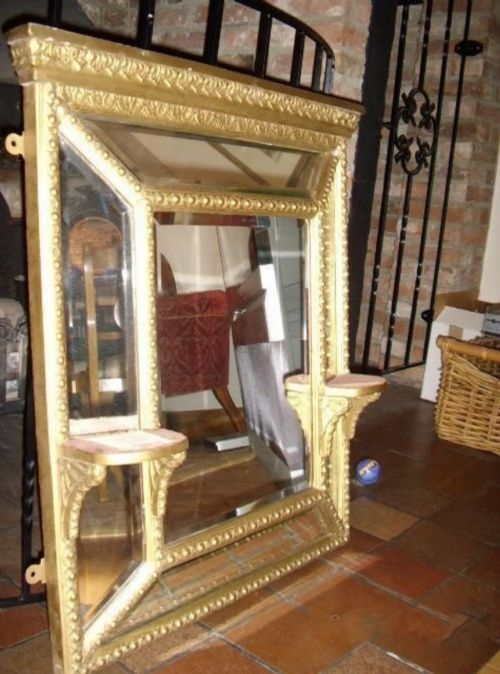
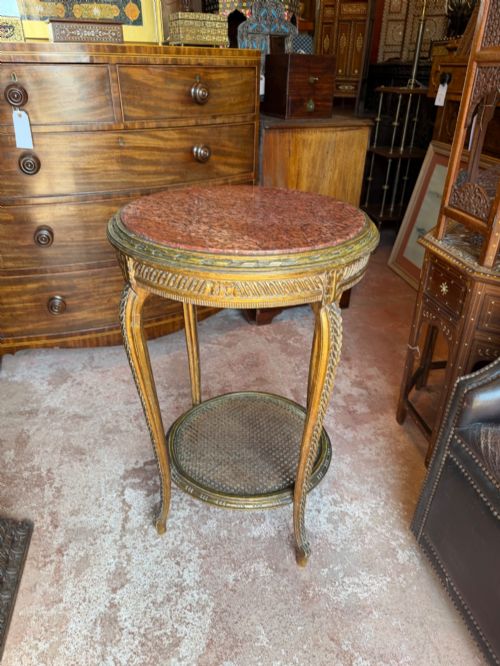
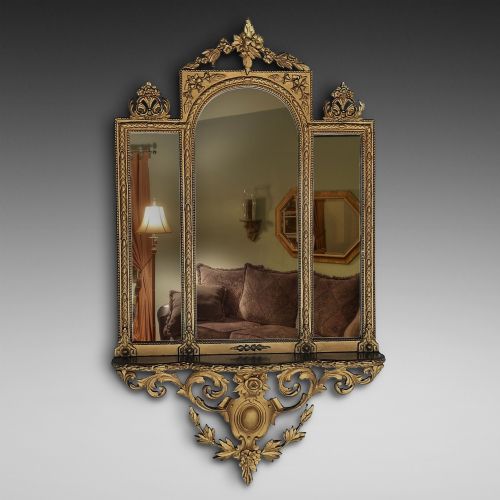
Vintage gold shelves encompass wall brackets, mirrored display shelves, and etagere units finished in giltwood, brass, and ormolu. These pieces emerge from styles spanning Victorian and Edwardian periods through to Art Deco and Italian Rococo.
The selection leans heavily toward decorative wall brackets and carved giltwood ledges from the late nineteenth and early twentieth centuries. Many incorporate glass tiers or mirrored backs to amplify light within a room.
Originating largely from French and Italian workshops, these items serve as both practical storage and ornamental focal points. Their construction reflects the decorative tastes of the nineteenth century and the early decades of the twentieth.
How they were made
Wood elements rely on carved giltwood and gesso, building intricate scrollwork and architectural profiles by hand before applying gold leaf or gilding. Brass and ormolu components utilise cast bronze and polished metal to achieve durable metallic sheens.
Mirrored inserts and glass tiers integrate with metal frames and wooden brackets, secured with traditional fixings appropriate to the Victorian and Edwardian eras. Surface treatments include lacquering and hand-gilding to protect the metallic finishes.
Vintage Gold Shelves Retail Price Guide 2026
Typical asking prices for vintage gold shelves among the pieces listed under this phrase on Sellingantiques today, from the lower quarter to the upper quarter. They describe what is for sale here now, not the wider market.
The documented periods range from the 1860s through the Edwardian era and into the 1930s.
What varies in quality
The crispness of the carving in giltwood and the depth of the casting in brass or ormolu dictate the refinement of a piece. Earlier examples from the nineteenth century often demonstrate superior hand-chasing and denser wood substrates compared to later adaptations.
The integrity of the original gilding and the retention of authentic mirrored plates or glass tiers influence the overall character. Pieces that retain their original structural joinery without excessive regilding present a truer representation of their period.
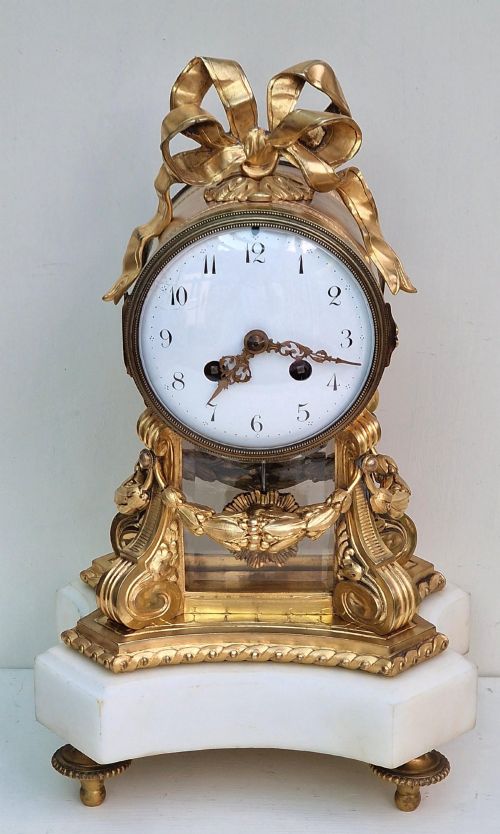
C Omin·Drocourt·Japy Freres
The Vintage Gold Shelves Glossary
- Giltwood
- Wood that has been coated with gold leaf or gold paint over a prepared ground such as gesso. This technique was widely utilised across nineteenth century wall brackets and decorative furniture.
- Ormolu
- Finely chased gilded bronze applied to decorative objects and furniture fittings. The method produces a rich, durable metallic finish typical of French 19th-century pieces.
- Etagere
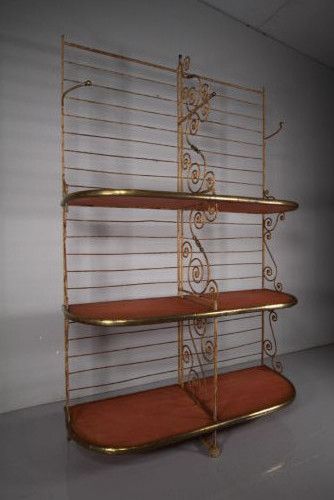
- A piece of furniture consisting of a set of open shelves for displaying small objects or ornaments. These units frequently feature tiered glass or polished brass construction.
- Gesso
- A plaster-like mixture applied to wood as a base for gilding or painting. It allows craftsmen to carve intricate relief details before applying gold leaf.
- Wall Bracket
- A decorative projecting support fixed to a wall to hold an ornament, clock, or shelf. They appear frequently in carved giltwood and Italian styles.
Vintage Gold Shelves: Frequently Asked Questions
Where should I mount a gilt wall bracket?
Gilt wall brackets suit spaces where they can hold small decorative objects or act as focal points on plain walls. Ensure the fixing matches the weight of the carved wood or brass structure.
Position them at eye level in hallways, living rooms, or bedrooms to showcase small sculptures or clocks effectively.
How do I clean antique brass and giltwood shelves?
Dust these surfaces gently with a soft, dry cloth to prevent accumulation without damaging delicate gilding. Avoid liquid cleaners or abrasive cloths that strip gold leaf or modern lacquer.
For glass tiers, use a minimal amount of window cleaner applied to a cloth rather than sprayed directly near the frame.
What rooms suit an etagere or tiered display stand?
Tiered display stands and etagere units fit well in drawing rooms, studies, or bedrooms for organising collections. Their open structure adds vertical interest without blocking light.
They pair effectively with surrounding period furniture from the Edwardian or Art Deco eras.
How can I tell a Victorian shelf from a 1930s piece?
Victorian and 19th-century pieces often feature heavier cast brass, intricate hand-carved giltwood, and ornate Rococo or classical revival motifs. The construction relies on traditional joinery and heavier materials.
Twentieth-century items from the 1920s and 1930s tend toward cleaner lines, lighter brass frameworks, and influences from Art Deco design.