

Vintage Gold Frame
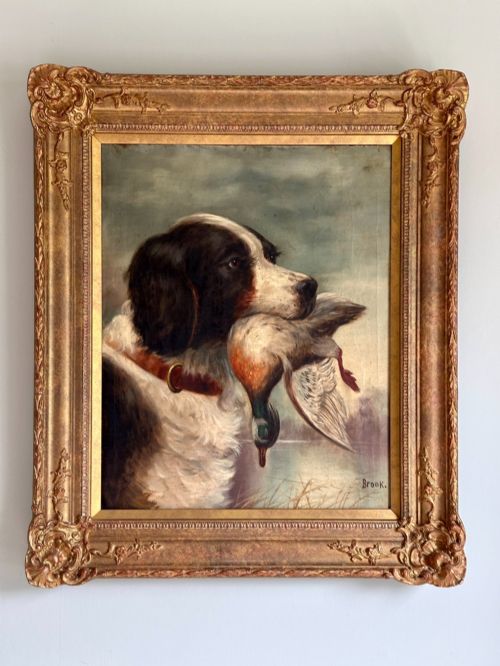
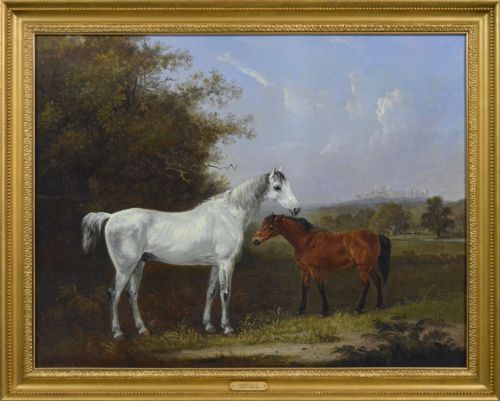
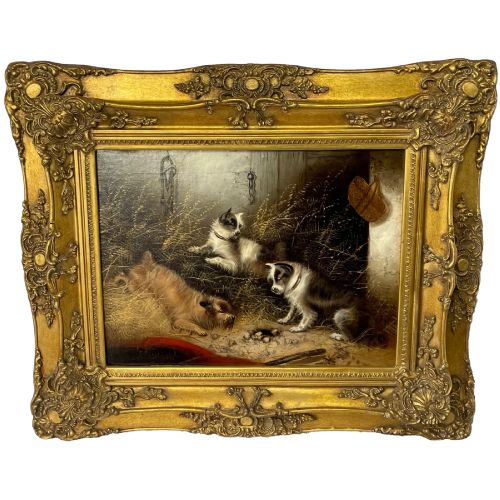
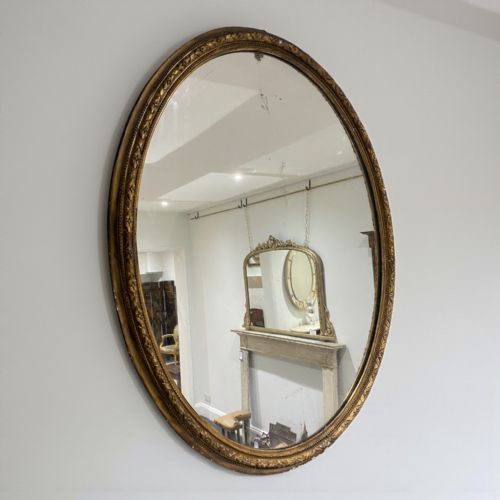
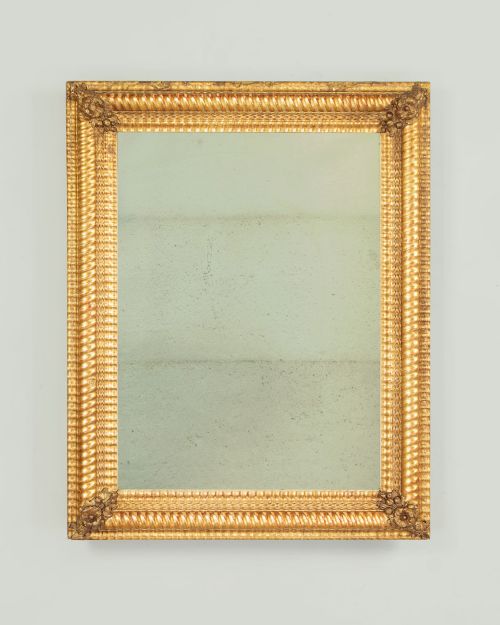
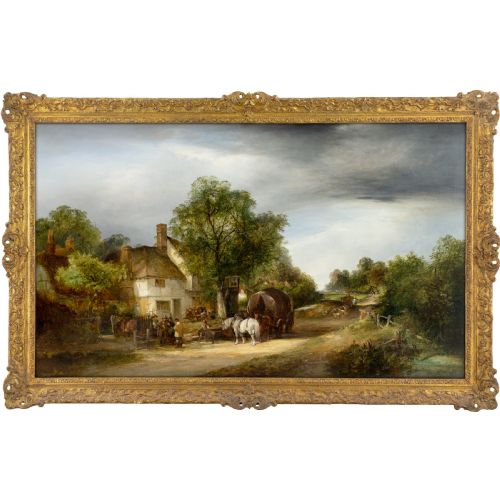
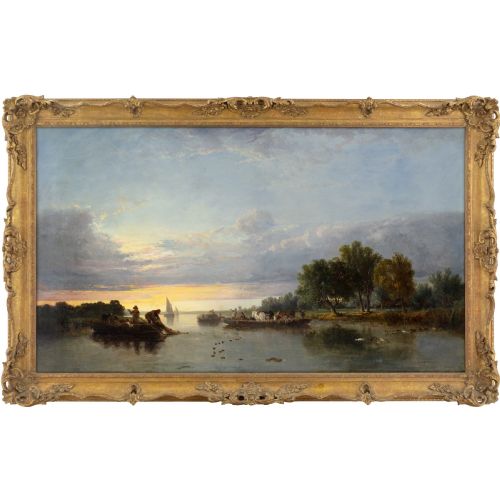
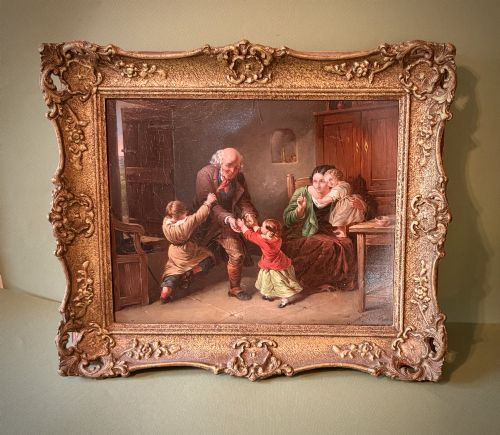
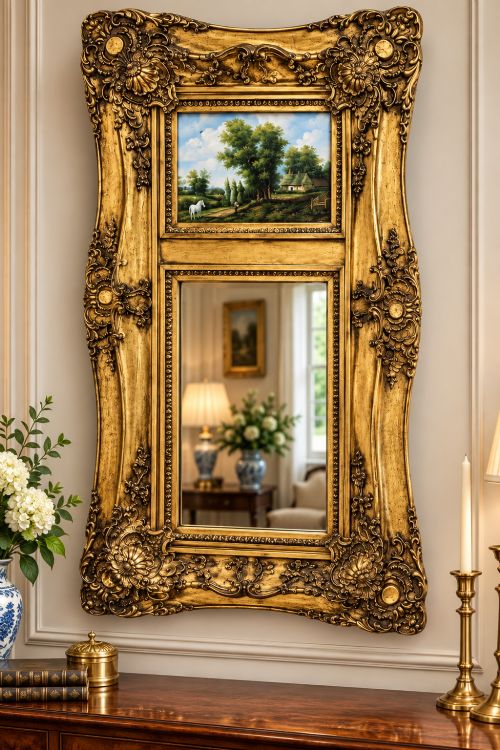
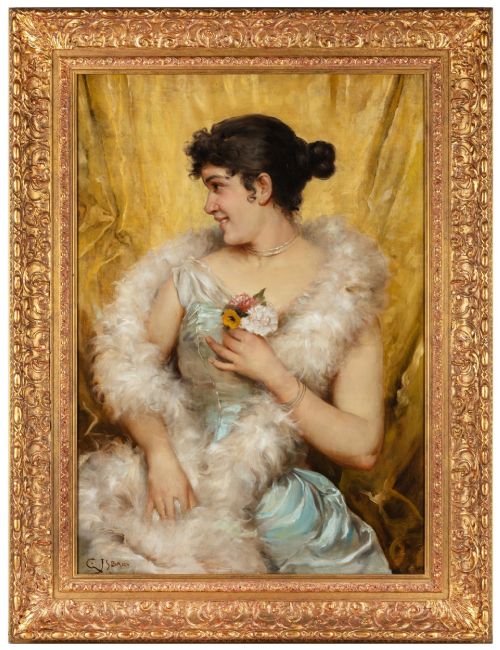
A vintage gold frame brings warmth and a sense of history to a room, whether housing an oil painting or catching the light in a heavy wall mirror.
Vintage Gold Frame
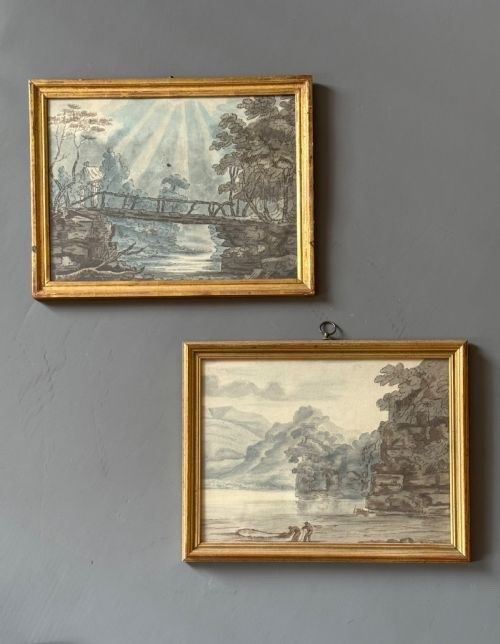
When searching for a vintage gold frame, buyers encounter a diverse selection of objects ranging from oil paintings and portrait works to large wall mirrors and overmantles. The listings present pieces spanning several centuries, including Victorian, Edwardian, and mid-century items, alongside earlier Georgian examples.
The most common formats on this page are carved giltwood mirrors and ornate picture frames housing canvases, pastels, or prints. Many of these items originate from French and English workshops, displaying styles such as French Rococo, Louis Philippe, and Florentine carving.
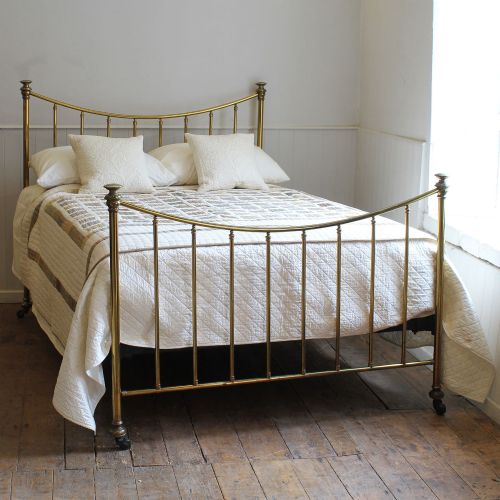
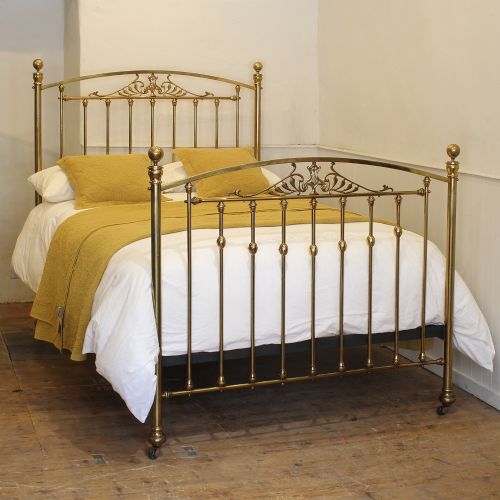
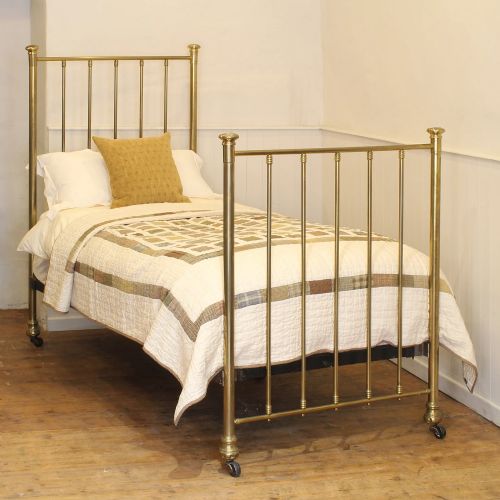
Beyond standalone frames, the category encompasses brass bedsteads and decorative lanterns featuring gilt details or brass finishes that read as gold within a room scheme. These items share a reliance on reflective metallic surfaces and traditional craftsmanship.
Materials and construction methods
The construction of these pieces relies heavily on timber substrates, gesso, and gold leaf or gilt finishes. Carved giltwood and gesso over wood provide the sculptural depth seen on ornate mirror frames and overmantles.
Metal items utilise cast brass or bronze, often combined with iron components or fitted with glass mirror plates. Oil paintings and drawings sit within these surrounds on canvas, board, or paper supports.
Several frames have spent centuries watching dinner parties, carriage arrivals, and stern portrait sitters blink under early candlelight.
Judging quality in gilded and framed items
Quality rests in the depth of hand-carved detail and the preservation of the original gilding rather than a uniform, factory-finished appearance. Superior examples show crisp carving in the gesso or wood beneath the gold leaf, where human touch remains evident in every scroll and leaf.
The integrity of the underlying structure matters significantly, whether inspecting a heavy overmantle mirror frame or the stretcher bars of an oil painting. Finer pieces maintain their original mirror plates or period canvas supports, showing harmonious ageing across both frame and artwork.
Charles Nosotti·G. J. S. Bary·George Armfield·Jozsef Molnar·John Hayls·Dumini Leopoldo·Eugène-Louis Gillot·Robert Heinrich·William McAlpine·François-Nicolas Martinet·Reginald Arthur Borstel·William Joseph Shayer Senior·Emily Eyres·Donald Grant
The Vintage Gold Frame Glossary
- Giltwood
- Wood that has been coated with gold leaf or a gold-coloured metallic finish. This material forms the base of many decorative antique mirrors and picture frames.
- Gesso
- A plaster-like mixture applied to wood frames as a base before gilding. Artisans carve intricate relief patterns directly into this layer.
- Overmantle
- A large mirror designed to hang specifically above a fireplace mantelpiece. These pieces often feature grand proportions and ornate crests.
- Girandole
- A branched wall sconce or mirror fitted with candle holders. They reflect light into a space through their polished plates and gilded surfaces.
- Plate
- The sheet of glass used in a mirror. Antique plates often display slight foxing and imperfections that indicate age.
Vintage Gold Frame: Frequently Asked Questions
How do I hang a heavy giltwood mirror safely?
Heavy overmantle and wall mirrors require secure fixings anchored directly into structural wall studs or masonry using appropriate heavy-duty brackets. Professional installation ensures the substantial weight of the timber and glass is distributed safely.
Due to the age of these frames, checking the integrity of the hanging wire or wooden backing before mounting is essential. Ensuring the wall plate bears the full load protects both the antique frame and the surrounding wall.
Can I change the artwork inside an antique frame?
Swapping artwork inside a period frame is possible, but requires careful handling to avoid damaging brittle gesso mouldings or original backing boards. Many antique frames were built to fit specific canvases or mirror plates.
Forcing a different size into the rebate can crack the delicate carved corners or strain the mitred joints. Consulting a professional framer ensures any internal changes respect the structural limits of the piece.
How should I clean a vintage gold frame?
Dusting gently with a soft, dry ostrich feather duster or a clean, dry artist's brush removes surface particles without harming delicate leaf. Avoid using water, chemical sprays, or abrasive cloths on gilded surfaces.
Moisture and harsh cleaners strip away the thin metallic leaf and underlying gesso. Regular, gentle dusting preserves the fragile patina accumulated over decades.
What does an antique mirror plate look like?
An antique mirror plate often exhibits small dark spots, slight distortion, and surface speckling known as foxing. These natural signs of oxidation occur as the backing degrades slowly over time.
Such characteristics distinguish genuine period glass from modern replacements and add depth to the reflection. Collectors value these subtle flaws as proof of authenticity.