

Vintage Gold Case
When you search for vintage gold case, you step into a world of portable precision housing and precious metal protection.
Vintage Gold Case
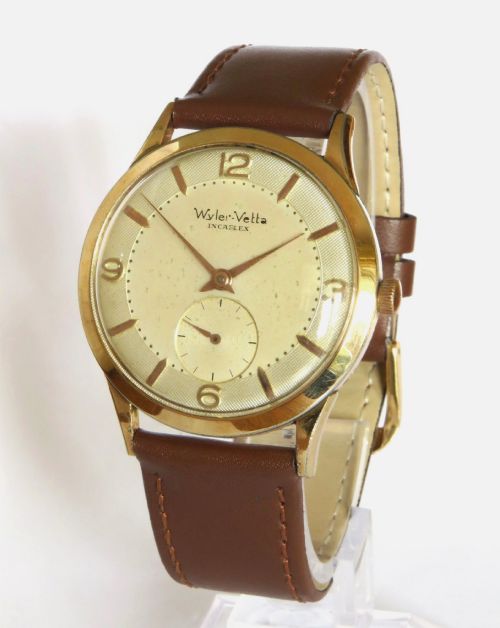
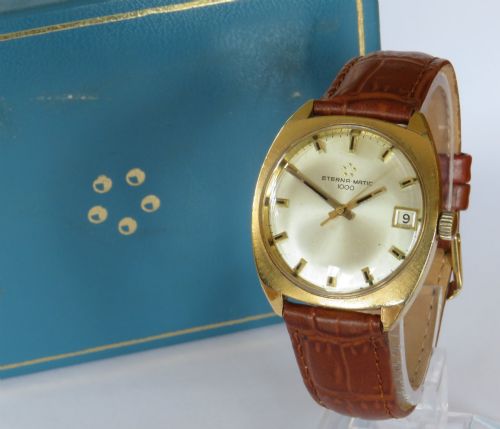
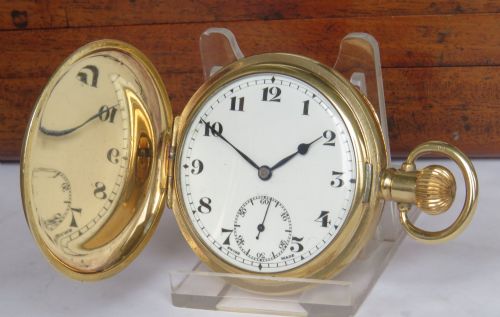
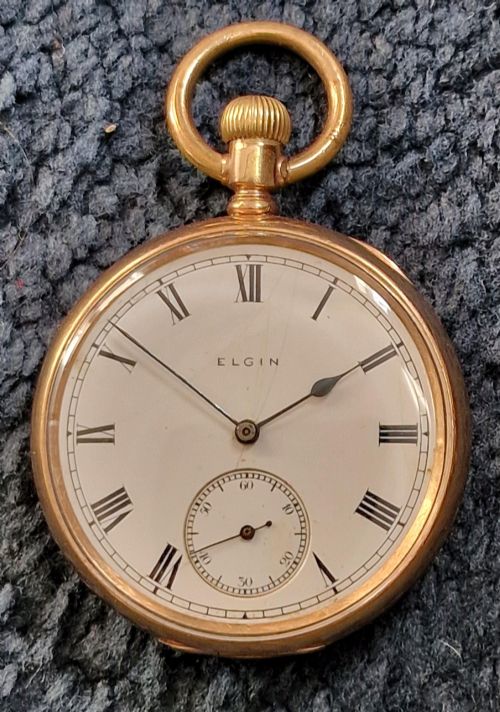
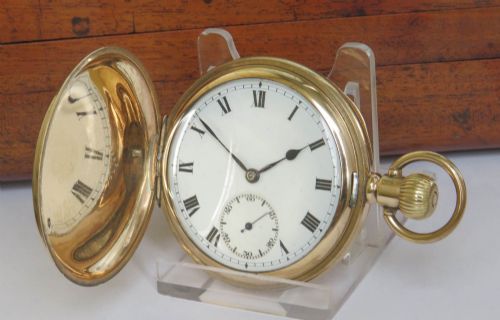
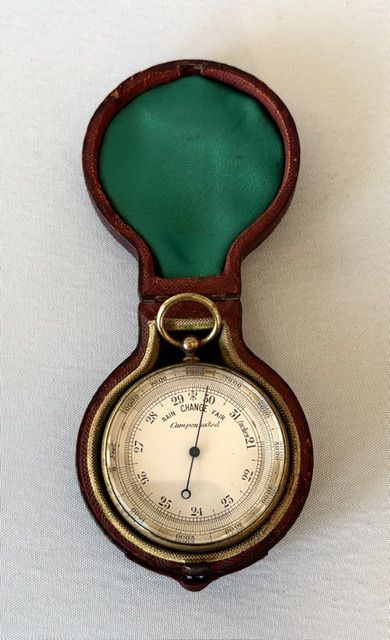
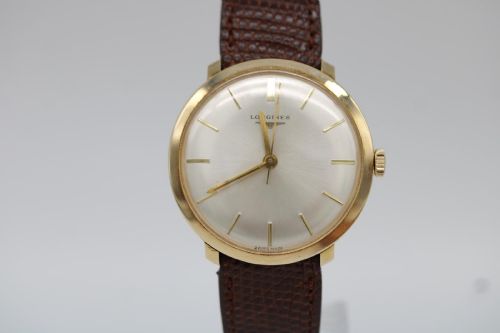
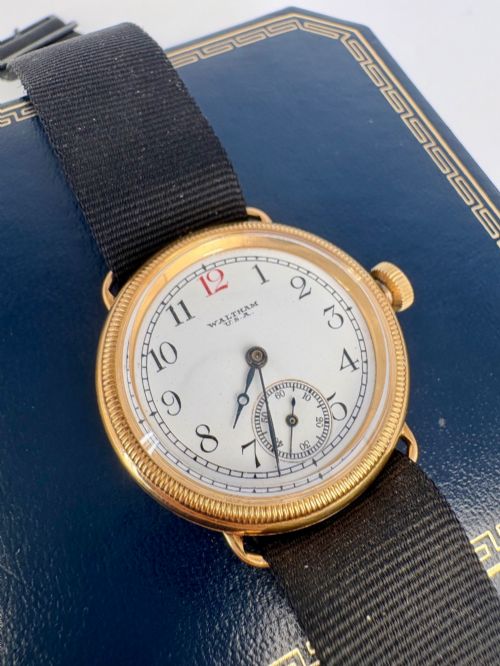
The most frequent examples encountered within this category are pocket watch housings and wristwatch chassis created in yellow, rose, or white gold, alongside specialised presentation boxes and fitted cases. Makers utilised these structures to shield mechanical movements, precision instruments, and personal valuables from dust and impact.
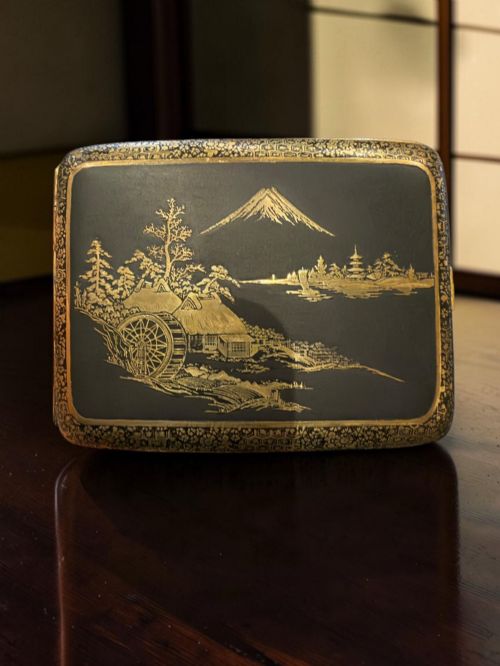
Beyond timepieces, the classification extends to cigarette cases, vesta cases, and notelet cases fashioned in precious metals, enamel, and brass. Each object demonstrates the utility and decorative ambition of past generations, offering solid housings designed for daily carriage or secure display.
How they were made
The construction of a vintage gold case relies on traditional metalworking techniques, utilising solid gold, gold plate, and silver-gilt over structural foundations like brass or base metals. Artisans hammered, cast, and engraved precious metals to form hinged lids, snap closures, and protective bezels.
Many housings incorporate supplementary materials such as glass for watch crystals, leather for protective outer layers, and enamel for decorative surface panels. Mechanical components and inner frames were assembled by hand, requiring exact measurements to ensure dust-proof and secure seals.
Vintage Gold Case Retail Price Guide 2026
Typical asking prices for vintage gold case among the pieces listed under this phrase on Sellingantiques today, from the lower quarter to the upper quarter. They describe what is for sale here now, not the wider market.
The listings here incorporate items spanning from the nineteenth century through the 1970s, utilising materials including gold plate, brass, leather, and glass.
What varies in quality
The distinction between standard examples and superior specimens rests upon the purity of the metal, the weight of the gold used, and the intricacy of the hand engraving. Heavier solid gold construction and fully marked hallmarked panels elevate an object above base metal alternatives or thin gold-plated versions.
Artisanal execution dictates the ultimate refinement of the piece, visible in the smoothness of the hinge movement, the crispness of chased decoration, and the preservation of original fitted boxes. Pieces bearing signatures from established makers or recognised case makers demonstrate superior workshop standards.
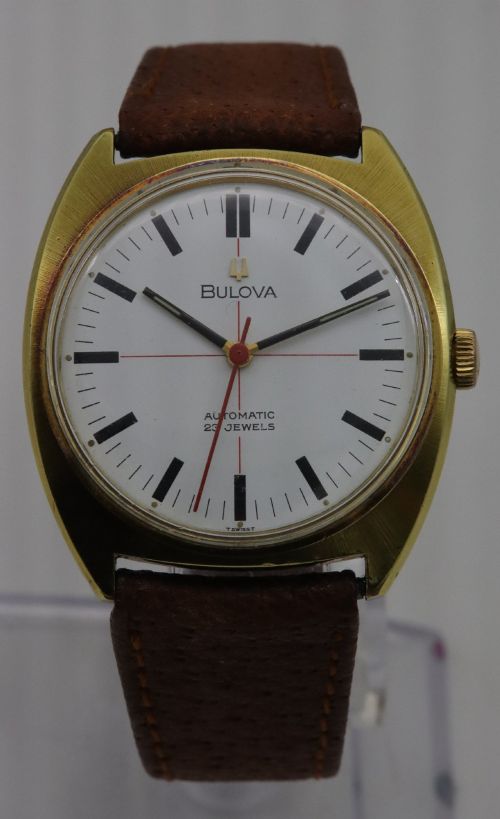
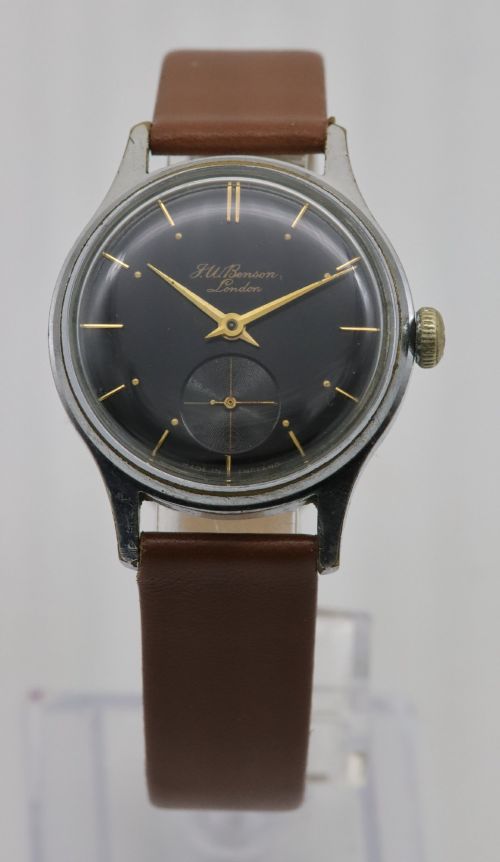
JW Benson·Bulova·Waltham USA·Kutchinsky·Deakin & Francis·Omega·Henri Jacot·Vishnyakov Workshop·Cartier
The Vintage Gold Case Glossary
- Full hunter
- A pocket watch case featuring a spring-loaded metal cover that completely protects the dial from damage. This design requires the user to press a button on the crown to open the lid and read the time.
- Carriage clock
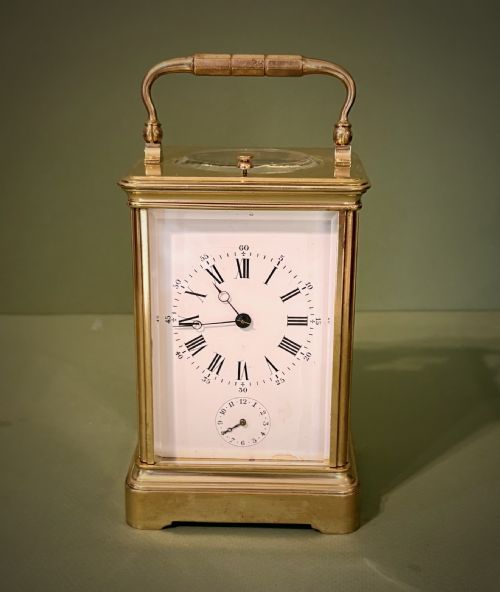
- A small, spring-driven clock designed for travel during the nineteenth century, typically housed in a brass or gilt case with glass panels. These portable timepieces often feature striking or repeating mechanisms.
- Gilt
- A thin layer of gold applied to the surface of a base metal or silver object through chemical or mechanical means. This technique provides the visual warmth of solid gold while utilising a more accessible underlying material.
- Hallmark
- An official stamp or series of marks applied to precious metals indicating purity, origin, and the assay office responsible for testing. These stamps offer reliable evidence for dating and attributing historical metalwork.
- Vesta case
- A small pocket-sized container specifically designed to hold and protect wooden matches. They commonly feature a striking surface on the base and a tight-fitting hinged lid.
Vintage Gold Case: Frequently Asked Questions
What is a gold case?
A gold case is a protective enclosure fashioned from solid gold, gold plate, or silver gilt, designed to house items such as watches, instruments, or cigarettes. These housings served both a functional purpose of protection and a decorative display of personal status.
Over the decades, makers shaped these enclosures to match prevailing aesthetic movements, ranging from ornate nineteenth-century engraving to streamlined mid-century geometry.
How do I care for a gold case?
Caring for a precious metal enclosure involves gentle cleaning with a soft, dry cloth to remove oils and dust without abrasive friction. Avoid harsh chemical polishes that can wear away thin gold plating or damage inset enamel.
Store the item in a dry environment away from direct sunlight, ideally within its original fitted box or a soft pouch to prevent surface scratches.
How can I tell the period?
Dating these objects requires examining hallmarks, maker signatures, and stylistic cues such as Art Deco geometric lines or Victorian floral engraving. Comparing the mechanical movement style inside a watch case also helps narrow down the decade of manufacture.
Documentation like original fitted presentation boxes or retailer inscriptions can provide further historical context regarding the production era.
Were these cases made for travel?
Many examples, particularly carriage clocks, pocket watches, and folding sundials, were engineered specifically for travel and portable use. Their robust housings protected delicate internal mechanisms from the rigours of movement.
Other varieties, such as dresser clocks or stationary desk pieces, were intended for static display within a domestic interior rather than daily transit.