



Vintage Glazed Pottery Ornament
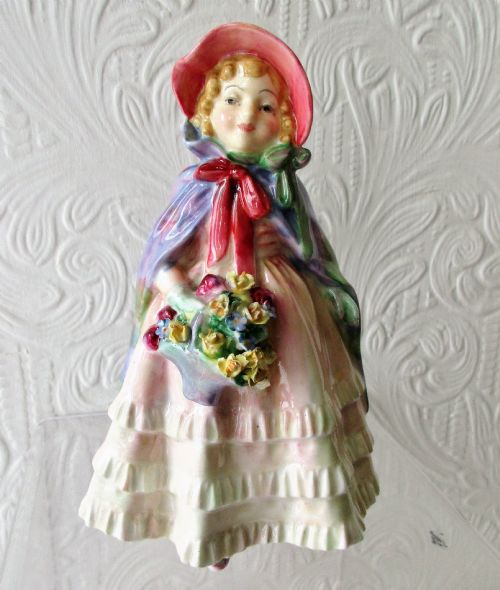
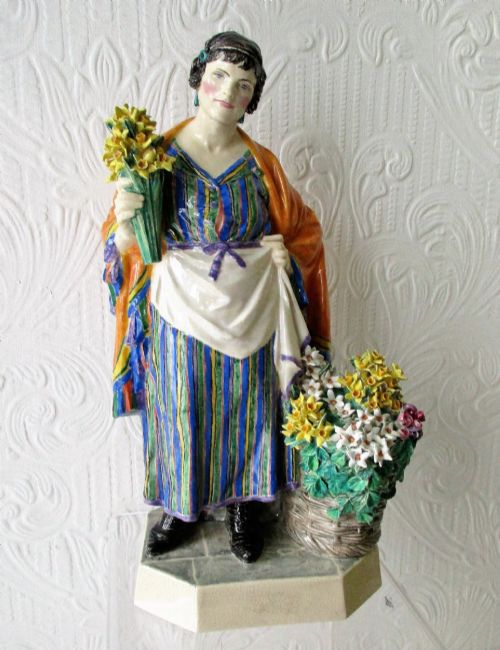
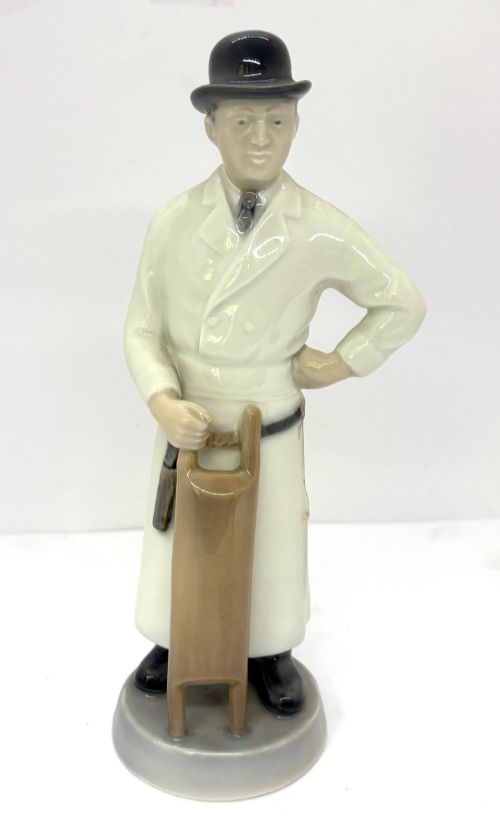
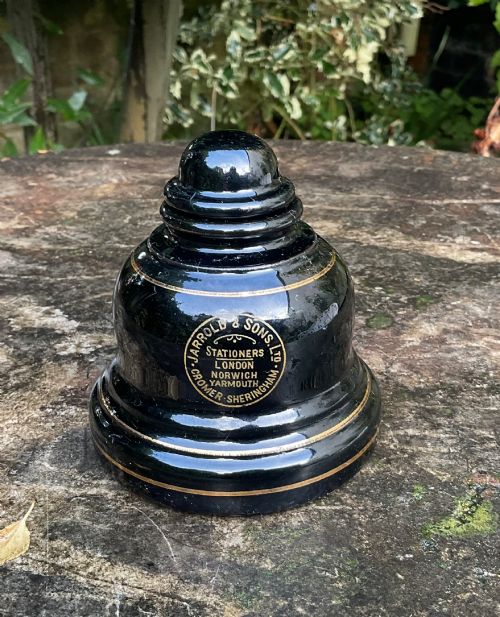
These vintage glazed pottery ornament examples bring sculptural character and colour to interiors through figures, animals and decorative groups.
Vintage Glazed Pottery Ornament
A vintage glazed pottery ornament represents a broad range of ceramic sculpture, from Victorian Staffordshire dogs and pugs to Art Deco cats, deer and pheasants. Buyers encounter sculptural forms that span functional items like inkwells and bookends alongside purely decorative animal figures and human figurines.
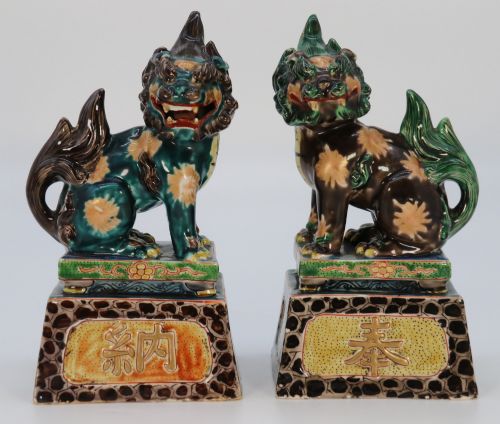
The selection on this page draws heavily from nineteenth-century Staffordshire works and early twentieth-century studio pottery or Art Deco productions. English earthenware figures sit alongside French Quimper stoneware, Dutch Delft blue and white animals, and Japanese ceramic roof ornaments.
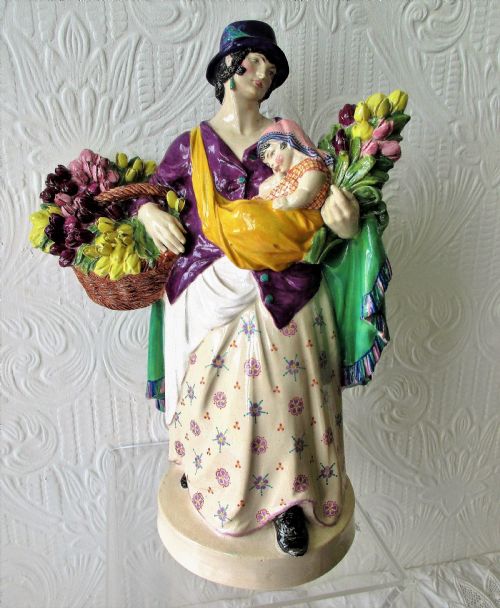
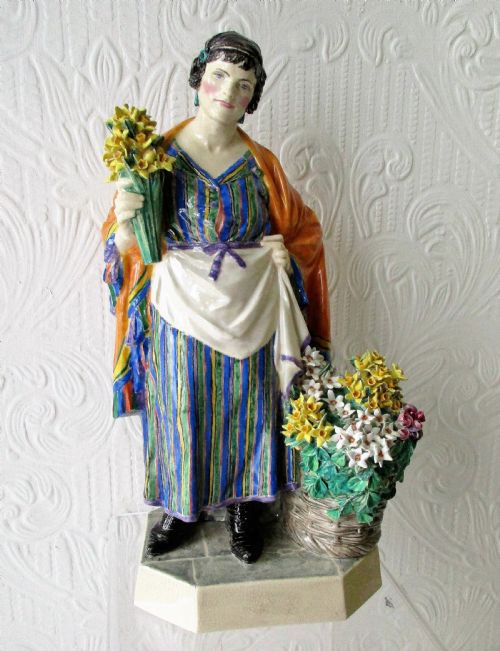
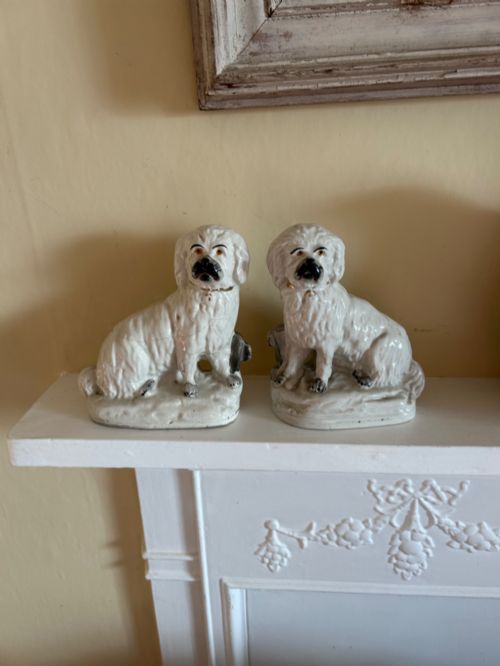
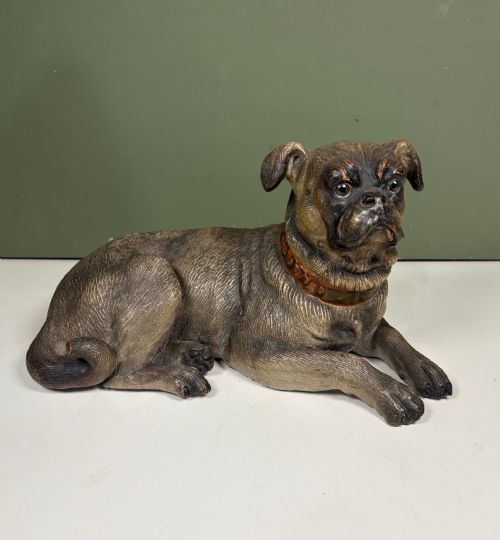
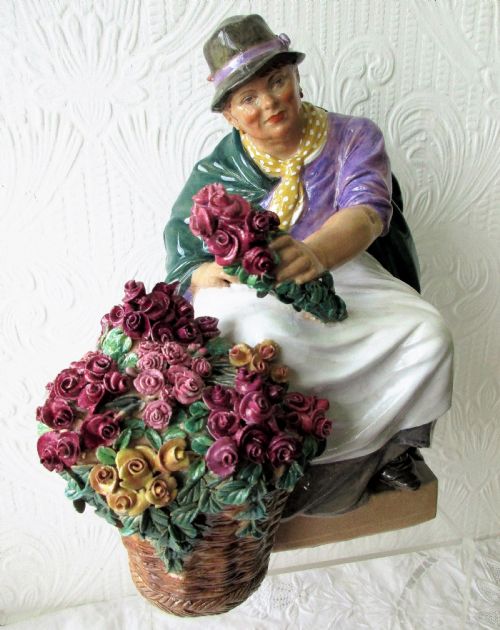
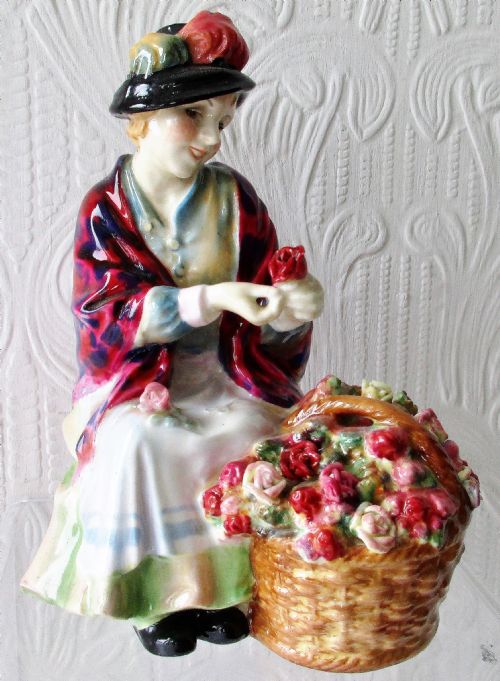
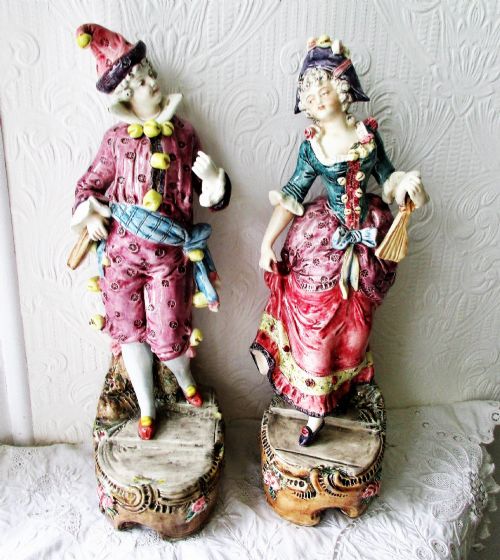
Pairs of animals such as spaniels, greyhounds, lions and pug dogs dominate the domestic output, while individual human subjects range from street vendors to figures modelled by studio potters. Pieces vary from miniature poodles to substantial sculptures designed for mantelpieces and display shelves.
How they were made
Makers shaped these ornaments using earthenware, stoneware, terracotta, bone china and porcelain, often applying hand-sculpting techniques alongside moulded production. Earthenware bodies received opaque or translucent glazes, sometimes highlighted with enamel colours, copper lustre or gold leaf details.
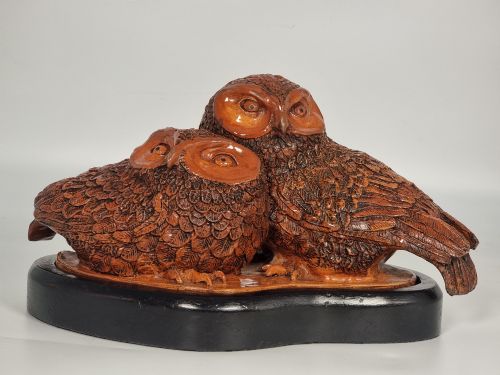
Specialist decorative techniques defined the aesthetic of different periods, such as the three-colour Sancai lead glaze on Tang Dynasty style horses or the ebonised wooden bases paired with hand-modelled pottery owls. Glass eyes occasionally added realism to Art Deco animal sculptures, while roof tiles utilised durable terracotta clays meant for exterior architectural display.
Vintage Glazed Pottery Ornament Retail Price Guide 2026
Typical asking prices for vintage glazed pottery ornament among the pieces listed under this phrase on Sellingantiques today, from the lower quarter to the upper quarter. They describe what is for sale here now, not the wider market.
Listings feature earthenware, porcelain and stoneware pieces spanning the Victorian era through to Art Deco productions of the 1930s.
What varies in quality
The distinction between a standard decorative item and a collector's piece also lies in the provenance and attribution to known artist-potters or established factories. Pieces bearing distinct maker signatures or retaining original hand-decorated highlights command greater attention from discerning collectors.
Charles Vyse·Berthe Savigny·Royal Doulton·Wedgwood and Co·Lancaster and Sons·Royal Dux
The Vintage Glazed Pottery Ornament Glossary
- Earthenware
- A porous ceramic body fired at lower temperatures that requires a glaze to become impermeable. It forms the base of the majority of Staffordshire animal figures and Victorian shelf ornaments.
- Sancai
- A three-colour glaze technique traditionally associated with Chinese ceramics utilising amber, green and creamy white tones. This glaze style appears on decorative horses and musical figures.
- Flatback
- A Staffordshire figure style moulded with a detailed front and a largely unglazed, flat back intended for display against a wall on a mantelpiece. These figures often depict historical characters or animals.
- Staffordshire dog
- A type of earthenware mantel ornament, commonly spaniels or greyhounds, produced in the English potteries during the nineteenth century. They were typically made in symmetrical pairs to face inward on either side of a fireplace.
- Lustreware
- Pottery decorated with a metallic glaze that produces an iridescent or shiny copper finish. This technique highlights the surfaces of lions and pugs.
Vintage Glazed Pottery Ornament: Frequently Asked Questions
Where should I display these animal ornaments?
These ceramic animals look best grouped on mantelpieces, bookshelves or side tables where their glaze catches the light. Paired figures work well arranged symmetrically to frame a central fireplace or mirror.
Ensure they sit on stable surfaces away from heavy traffic areas to protect fragile extremities and glazed surfaces from accidental knocks.
How do I clean glazed pottery figures?
Dust these decorative items gently using a soft, dry brush or a feather duster to prevent dirt accumulating in crevices and recessed glaze lines. Avoid using harsh chemical cleaners or submerging antique earthenware in water, as moisture can penetrate porous clay bodies or damage old enamel highlights.
For stubborn surface marks, use a slightly damp cloth with mild soap, drying the piece immediately with a soft towel afterwards.
Are Staffordshire dogs always sold in pairs?
Staffordshire dogs were traditionally manufactured and sold in symmetrical pairs designed to sit facing one another on opposite ends of a mantelpiece. While many survive today as matching pairs, collectors frequently encounter individual dogs separated over time.
Both single figures and matched pairs hold decorative appeal, though matched sets remain particularly sought after by traditional collectors.
How can I tell Art Deco figures apart from Victorian ones?
Art Deco pottery ornaments from the 1920s and 1930s typically feature stylised geometric forms, smooth streamlined contours, and colours like maroon, black or vibrant green. In contrast, Victorian pieces from the nineteenth century lean towards realistic or folk-art representations with hand-painted facial expressions and floral motifs.
Examining the base glaze, clay body and subject matter often reveals the manufacturing era of the ceramic.