



Vintage Glazed Earthenware Pot
These vintage glazed earthenware pots span centuries of utilitarian service, offering robust domestic vessels that now anchor interior planting and rustic kitchen displays.

Vintage Glazed Earthenware Pot
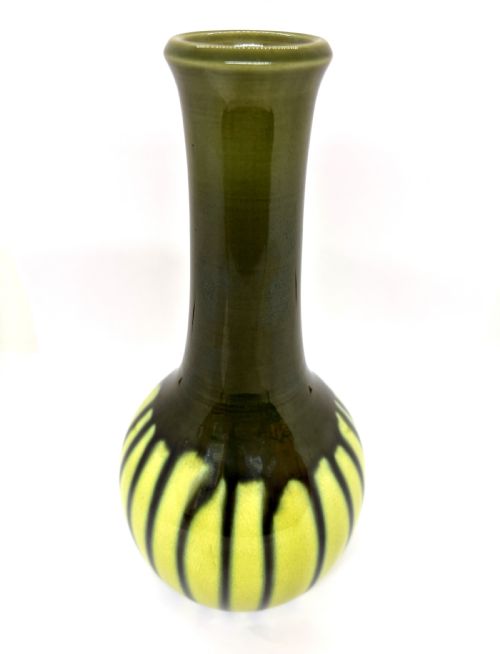
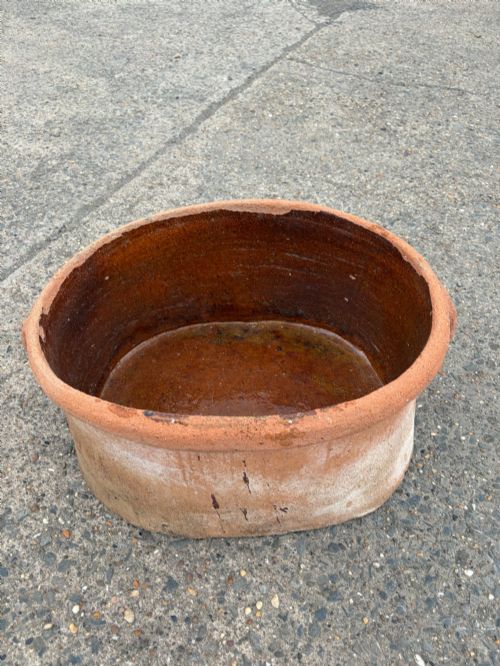
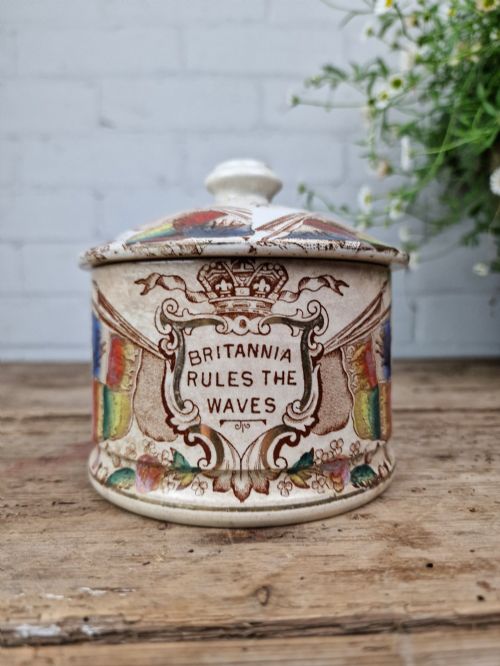
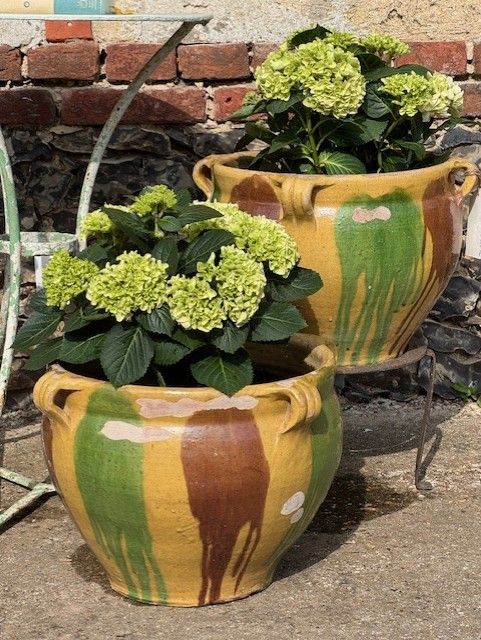
A vintage glazed earthenware pot is a functional vessel designed for storage, food preparation, or horticulture, appearing in forms ranging from French confit pots to English jardinieres. The examples you encounter on this page span the eighteenth century through to the art deco period, predominantly originating from English and French provincial workshops.
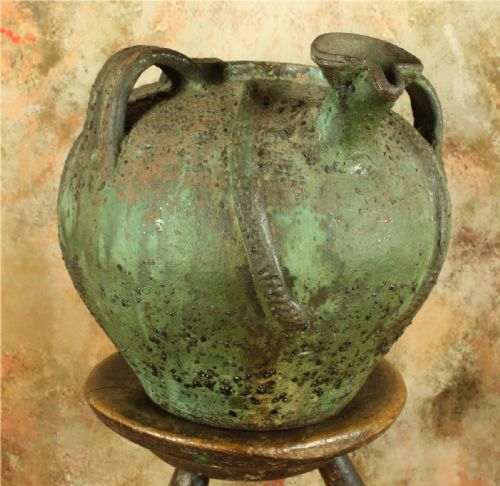
Domestic service dictated the physical shape of these items, leading to forms such as multi-handled olive jugs, dairy salting crocks, and pharmacy wet drug jars. Many surviving pieces served utilitarian roles in dairies, kitchens, and gardens before transitioning into decorative roles.
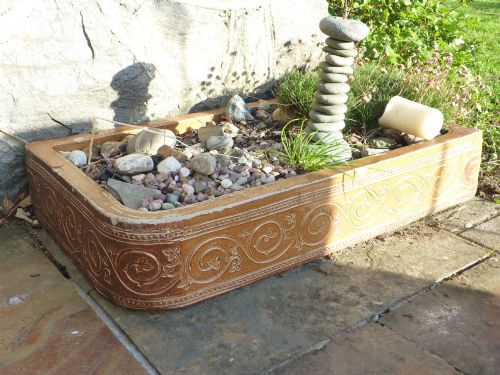
French provincial and Victorian country aesthetics dominate the available selection, frequently presenting distinct local characteristics in handle placement and glaze colouration. Collectors find everything from simple chamber pots to grand terracotta planter urns intended for indoor and conservatory planting.
Materials and construction
Makers utilised local clays, primarily terracotta and standard earthenware, throwing them by hand on a wheel or forming them within moulds before applying liquid mineral glazes. These glazes provided a non-porous seal necessary for holding liquids, oils, and foodstuffs.
Firing took place in traditional kilns where fluctuating temperatures often produced uneven surface textures, drips, and accidental colour variations within the glaze layer. Salt glazing and lead-based coatings were common methods used to vitrify the porous clay body.
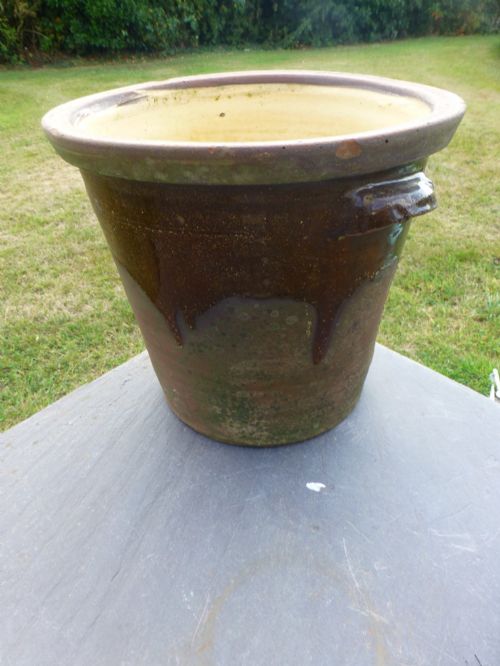
Early dairy salting crocks frequently bear the distinct thumbprints of the potter who shaped the wet clay before firing.
Assessing quality and character
Quality in these utilitarian items relates to the integrity of the surviving glaze and the symmetry of the thrown clay body. Pieces that retain their original rich surface sheen and show minimal structural repair command greater attention.
The distinction between standard kitchenware and superior examples often lies in the depth of the glaze pooling and the crispness of any applied decoration or maker's mark. Potters who exercised greater control over their kiln temperatures produced finishes with exceptional depth and stability.
Guichard Carriès·Doulton Lambeth·Royal Doulton
The Vintage Glazed Earthenware Pot Glossary
- Confit pot
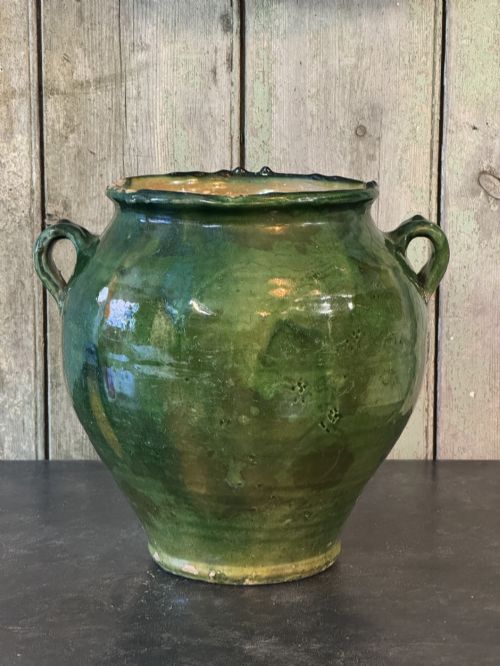
- A traditional French earthenware jar featuring single or multiple handles, originally utilised for preserving meats and provisions. Most examples display a dipped lead glaze over a terracotta body.
- Jardiniere
- An ornamental pot or stand designed to hold a living plant, frequently manufactured in ceramic or terracotta during the Victorian era. These vessels often sit on matching saucers or bases.
- Albarello
- A cylindrical earthenware jar used by apothecaries to store ointments and dry drugs, often decorated with maiolica or tin-glazed finishes. The shape derives from Middle Eastern drug jars brought to Europe through trade.
- Terracotta
- Fired unglazed or glazed clay possessing a porous red-brown body, widely utilised for garden planters and large agricultural vessels. The material breathes slightly, which influences moisture retention in plants.
- Salt glaze
- A vitreous coating formed by throwing common salt into the kiln during high-temperature firing, creating an orange-peel texture on stoneware. This chemical reaction results in a durable finish resistant to acids.
Vintage Glazed Earthenware Pot: Frequently Asked Questions
What were confit pots used for?
Confit pots served primarily in French country kitchens for cooking and preserving meats, such as duck or pork, sealed beneath a layer of fat. Their internal glazing prevented the porous earthenware from absorbing fats and oils during long periods of storage.
Over time, these utilitarian jars moved from cellars and larders into domestic interiors. Today, buyers utilise them to hold cut flowers, kitchen utensils, or large indoor plants.
How do I care for glazed earthenware?
Glazed earthenware requires gentle cleaning with warm water and mild soap, avoiding harsh chemical detergents that might penetrate micro-fissures in the glaze. Placing felt pads on the base prevents scratching furniture surfaces when moving heavier vessels.
Because historical earthenware remains porous beneath its glaze, keep these pots away from prolonged freezing temperatures if used outdoors. Moisture trapped in the clay body can expand and cause the historic glaze to crack or flake off.
How can I tell the age of a pot?
Dating relies on examining the throwing rings, base formation, and glaze characteristics against known historical periods. Eighteenth-century pieces frequently show hand-thrown irregularities and heavier potting, whereas late nineteenth-century items often display more industrial consistency.
Maker's marks, impressed stamps, and registration numbers provide the most precise chronological indicators. When marks are absent, stylistic clues such as art nouveau floral motifs or art deco geometric patterns point toward specific decades of manufacture.
Are these pots waterproof?
Many glazed earthenware pots hold water effectively, but older vessels may develop hairline crazing in the glaze over centuries of use. This natural ageing process can allow slow seepage through the porous clay body underneath.
To protect wooden tabletops, place a modern saucer or a discreet plastic liner inside antique jardinieres and vases. This simple precaution ensures you can display live plants safely without risking moisture damage to furniture.