


Vintage Glazed Ceramic
Vintage glazed ceramic pieces span centuries of earthenware, porcelain, and stoneware forms, bringing distinctive texture and colour to any interior.
Vintage Glazed Ceramic
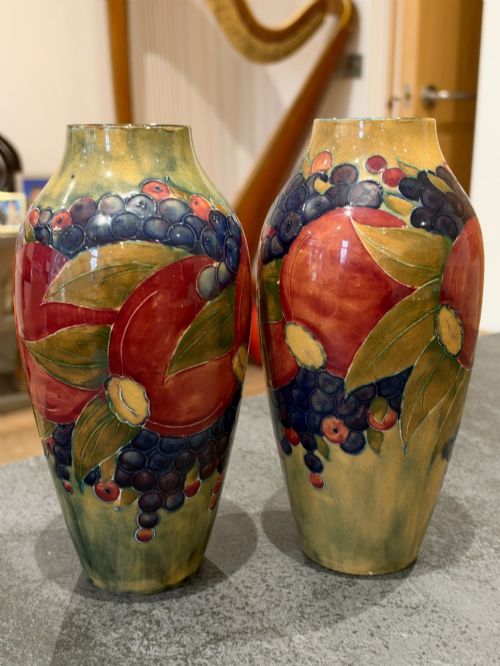
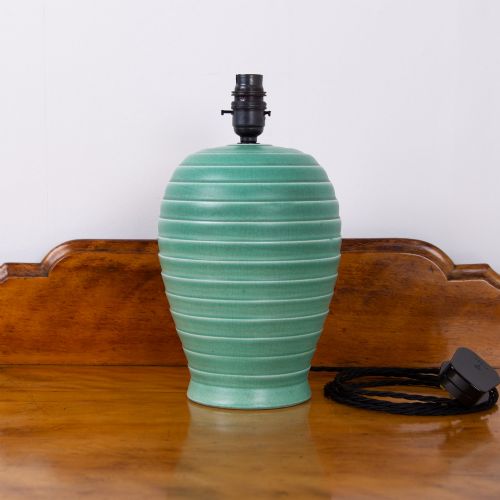
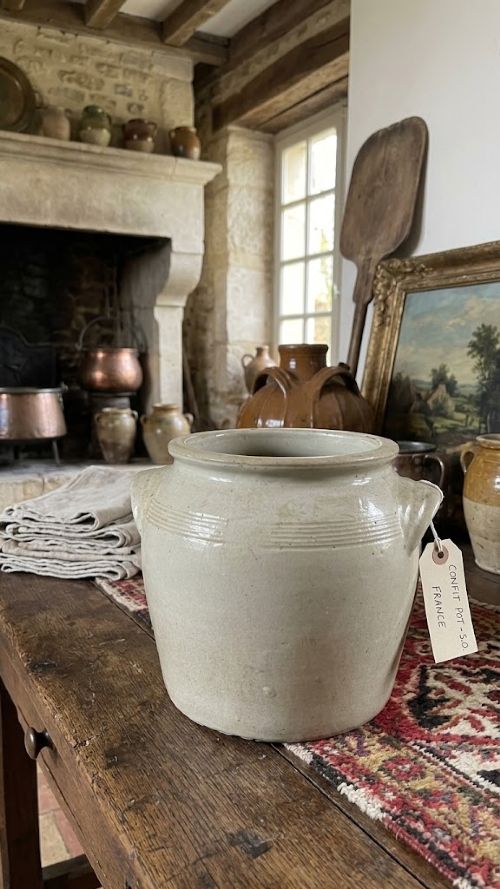
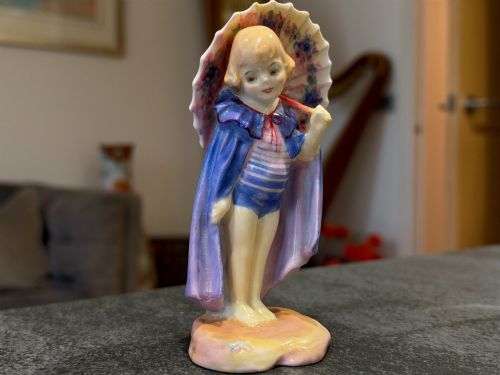
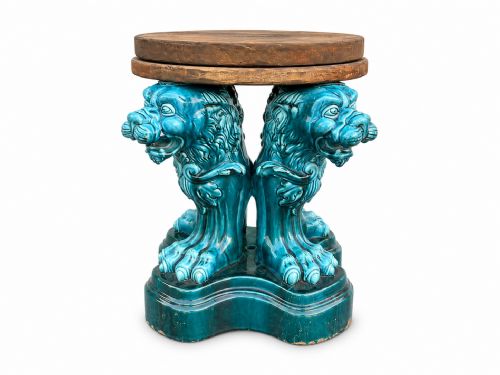
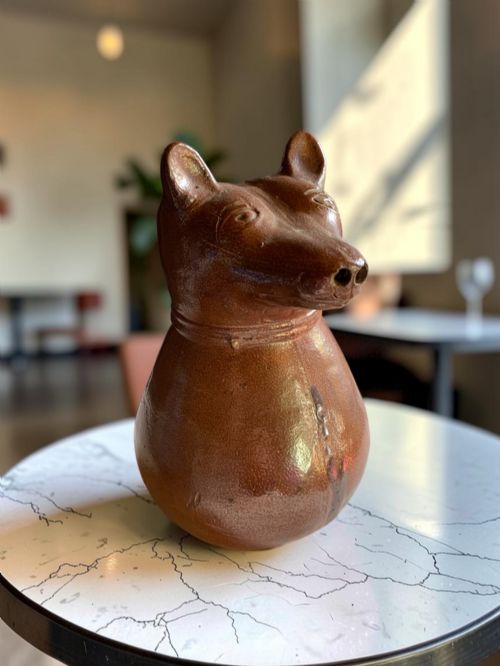
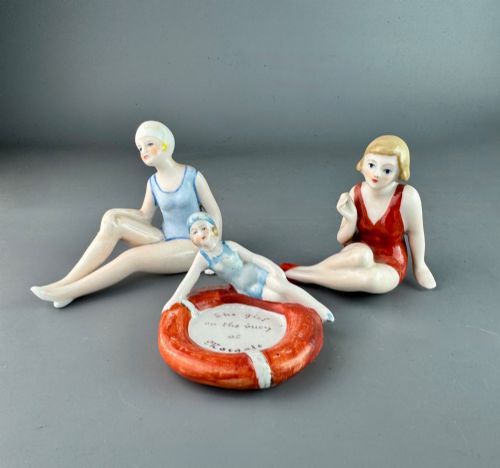
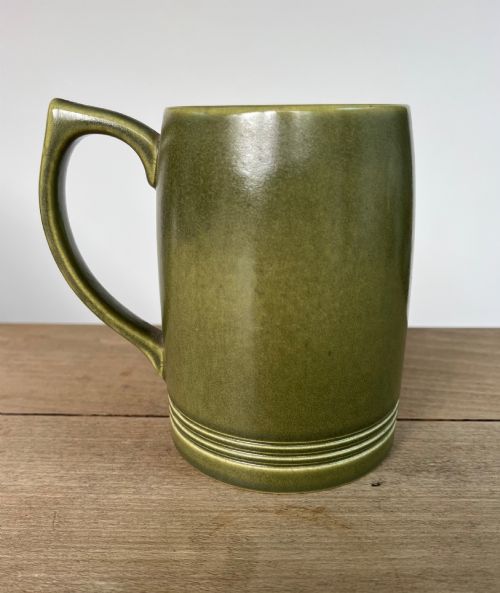
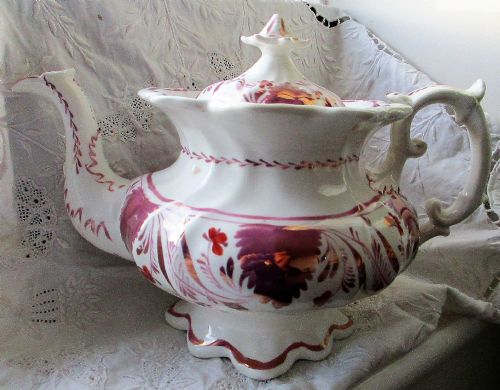
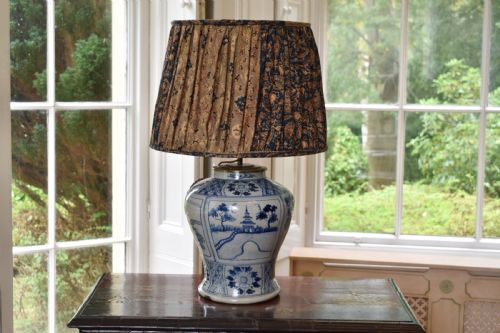
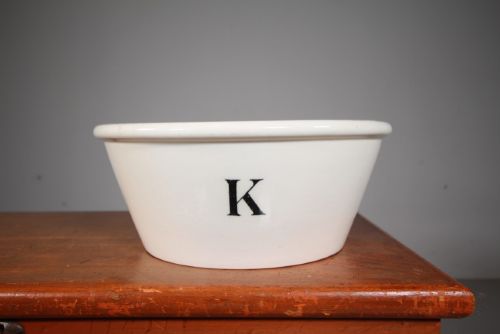
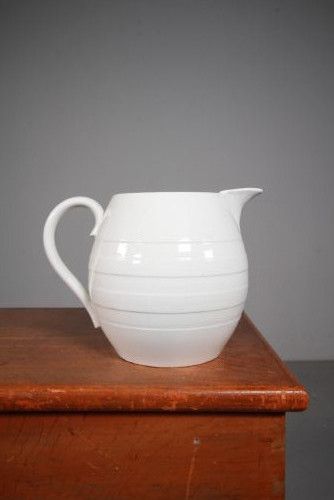
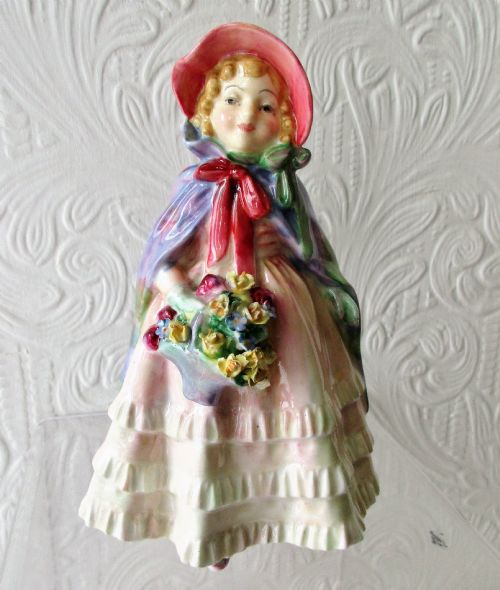
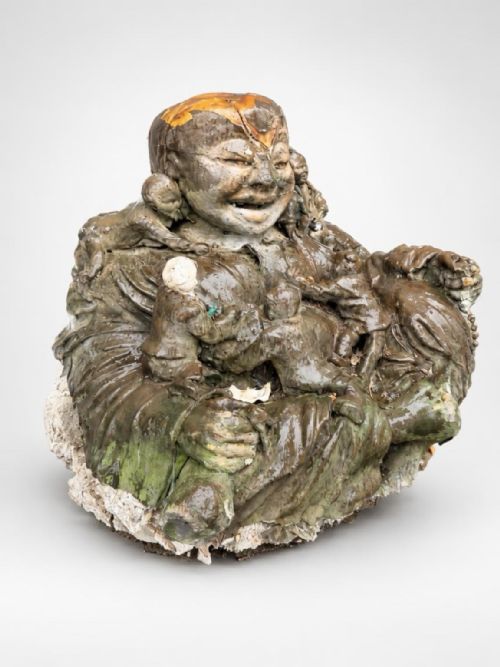
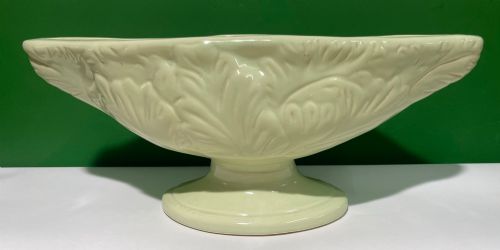
Vintage glazed ceramic encompasses a wide array of functional and decorative items, drawing from periods ranging from the seventeenth century through to the mid-twentieth century. When searching for vintage glazed ceramic, buyers encounter everything from utilitarian apothecary jars and measuring jugs to highly decorative vases, figurines, and table lamps.
The selection reflects diverse regional traditions and design movements, including Victorian, Art Nouveau, Arts and Crafts, Art Deco, and Dutch Baroque styles. Earthenware, porcelain, and stoneware dominate the forms, originating from British potteries, continental European workshops, and Asian kilns.
Materials and Techniques
Potters utilised natural clays - principally earthenware, stoneware, and porcelain - shaped by hand or thrown on the wheel before applying liquid mineral glazes. These finishes range from simple salt glazes and treacle coatings to complex majolica and tube-lined designs that seal the porous clay body.
Firing techniques varied according to the clay and desired finish, taking place in traditional kilns where temperature control determined the hardness and vitrification of the vessel. Specialist decorative methods such as blue and white Delft painting, lustre work, and polychrome relief glazing added distinct surface textures.
Vintage Glazed Ceramic Retail Price Guide 2026
Typical asking prices for vintage glazed ceramic among the pieces listed under this phrase on Sellingantiques today, from the lower quarter to the upper quarter. They describe what is for sale here now, not the wider market.
Listings feature items from the seventeenth century through to the mid-twentieth century, encompassing earthenware, stoneware, and porcelain.
Distinctions in Quality
Quality rests upon the precision of the throw, the stability of the clay body during firing, and the control demonstrated in the glaze application. Finer pieces display crisp definition in moulded or relief details and harmonious distribution of colour across the surface.
The sophistication of the design execution separates standard utility items from distinguished studio or factory productions. Works bearing distinct decorative movements, such as Art Nouveau tube-lining or intricate hand-painting, demonstrate greater artistic ambition.
Wedgwood·Royal Doulton·Moorcroft·Royal Copenhagen·Burmantofts Pottery·John Dwight Fulham Pottery·Leeds Pottery·Minton
The Vintage Glazed Ceramic Glossary
- Earthenware
- Porous pottery fired at lower temperatures, typically requiring a glaze to hold liquids. It forms the foundation for many traditional jugs, plates, and decorative figures.
- Stoneware
- A dense, impermeable ceramic fired at higher temperatures until the clay vitrifies. This material is robust and frequently used for storage jars and heavy vases.
- Majolica
- A type of earthenware covered with an opaque tin-lead glaze and painted with brightly coloured metallic oxides. It produces rich, glossy surfaces seen on nineteenth-century jardinières and table lamps.
- Tube-lining
- A decorative technique where lines of clay slip are squeezed through a nozzle onto the vessel to outline a pattern before glazing. This creates raised borders that contain pools of coloured glaze.
- Delft
- Tin-glazed earthenware originating from the Netherlands, traditionally decorated in blue and white pigments. It often depicts classical landscapes, floral motifs, or animals.
Vintage Glazed Ceramic: Frequently Asked Questions
How do I clean vintage ceramics?
Wash glazed ceramics gently in warm water using a mild, non-abrasive soap and a soft cloth. Avoid soaking pieces that show signs of hairline cracks or old repairs.
Dry thoroughly with a lint-free towel to protect the glaze and any delicate surface decoration from moisture damage over time.
Are these ceramic pieces waterproof?
Many glazed stoneware and porcelain items remain fully waterproof and function well for holding cut flowers. Earthenware pieces, particularly older or porous examples, can sometimes seep moisture.
Place a small glass or dish inside antique vases and jugs if you intend to use them regularly for fresh water.
How can I date my ceramic piece?
Examine the base for factory stamps, impressed marks, or handwritten signatures that correspond to known registry dates and maker timelines. The style of the glaze and the weight of the clay body also offer strong clues to the era of production.
Compare the decorative motifs, such as Art Nouveau or Victorian aesthetic patterns, against documented examples from the same period.
What is the difference between earthenware and stoneware?
Earthenware is fired at lower temperatures, leaving the ceramic body porous and relatively soft unless sealed completely with a durable glaze. Stoneware undergoes firing at much higher heats, causing the clay to vitrify into a dense, non-porous material.
Stoneware resists liquid absorption naturally, whereas earthenware relies entirely on its glazed surface for waterproofing.