







Vintage Glass Vanity Pot
A vintage glass vanity pot brings tactile elegance to a dressing table, housing powder, trinkets or pins beneath a fitted metal lid.
Vintage Glass Vanity Pot
When searching for a vintage glass vanity pot, buyers encounter small dressing table containers designed to hold cosmetics, pins or trinkets. These pieces emerge predominantly from the Edwardian era through the mid-twentieth century, capturing the aesthetic shifts of the early 1900s, Art Deco period and Mid-Century Modern design.
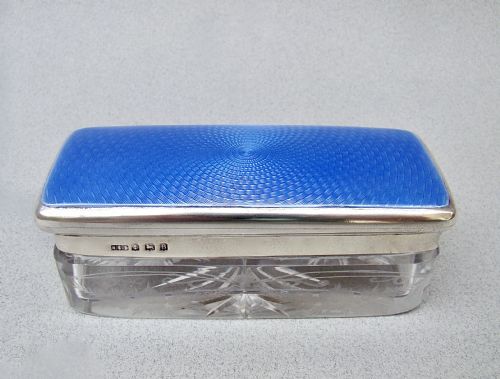
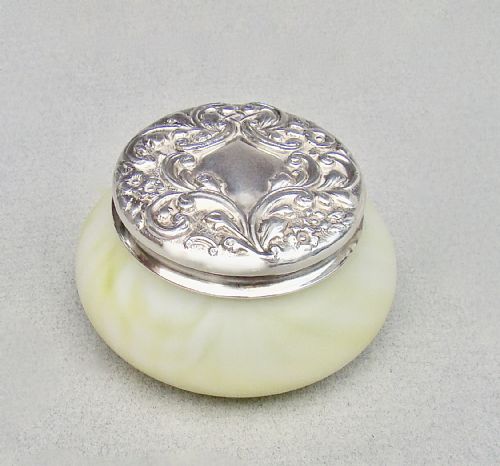
The most common examples on this page combine heavy glass bodies with hallmarked sterling silver lids, often accented by colourful enamel. Forms range from straightforward cylindrical jars to heart-shaped boxes, lidded bowls and specialised powder boxes.
Makers and silversmiths of the early twentieth century produced these items in vast numbers for dressing table sets, ensuring a steady supply of surviving pieces today. Buyers will find both simple cut crystal containers and elaborate moulded glass works bearing period assay marks.
Materials and manufacture
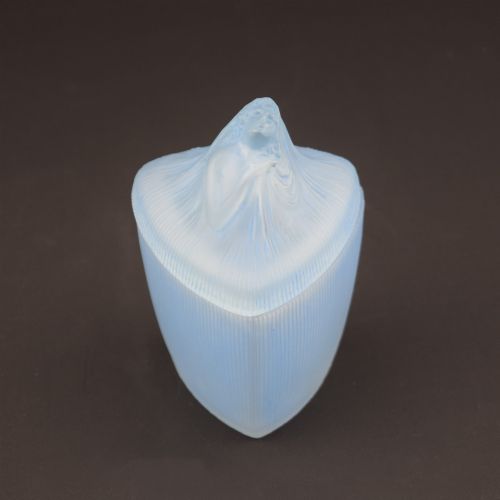
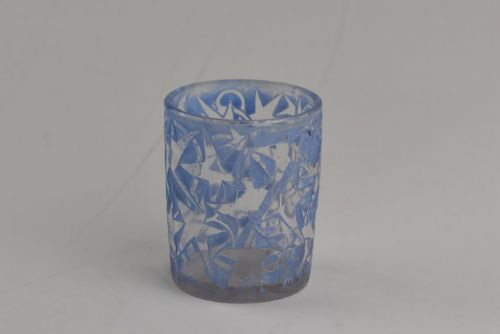
Craftsmen shaped the vessels using heavy glass, cut crystal, satin glass or pressed frosted glass, frequently employing deep cutting techniques to refract light through the base. Moulded pieces, such as those by René Lalique, utilise contrast between clear and frosted surfaces with stained details to define the relief.
Lids and mounts consist of solid sterling silver, stamped with assay offices such as Birmingham, and are frequently embellished with translucent guilloche enamel or tortoiseshell inserts. Metal mounts fit precisely over the glass collars, secured by internal flanges or threaded collars.
Vintage Glass Vanity Pot Retail Price Guide 2026
Typical asking prices for vintage glass vanity pot among the pieces listed under this phrase on Sellingantiques today, from the lower quarter to the upper quarter. They describe what is for sale here now, not the wider market.
Listings span from Edwardian and Art Deco periods through to the 1960s, uniting cut crystal, sterling silver and guilloche enamel.
Assessing quality and finish
Quality rests in the weight and clarity of the glass vessel, where deep, crisp facet-cutting outclasses shallow moulding. The presence of hand-applied guilloche enamel on the silver lid introduces another tier of craftsmanship, particularly when the pattern shows engine-turned precision without chipping or dullness.
The integration between the silver mount and the glass body distinguishes finer examples, as does the legibility of hallmarks confirming the maker and year of production.
A. J. Pepper & Co·Henry Clifford Davis·A. Bromet & Co·René Lalique·Asprey
The Vintage Glass Vanity Pot Glossary
- Guilloche enamel
- A decorative technique where metal is engine-turned with an intricate geometric pattern beneath translucent coloured enamel. This finish appears frequently on Art Deco silver vanity lids.
- Satin glass
- Glass treated to have a dull, frosted surface resembling the texture of satin. It diffuses light softly across Edwardian trinket boxes.
- Sterling silver
- An alloy of silver containing 92.5 percent pure silver and 7.5 percent other metals, usually copper. British pieces bear assay marks denoting this standard.
- Cut crystal
- High-quality glass containing lead oxide, which increases brilliance and allows for deep, sharp facets. It forms the heavy base of many dressing table jars.
- Assay mark
- A stamp or series of stamps applied to precious metals indicating the standard of purity, the assay office, and the year of manufacture.
Vintage Glass Vanity Pot: Frequently Asked Questions
What were vanity pots used for?
These containers held loose face powder, rouge, hairpins or small jewellery on a dressing table or vanity surface.
Their fitted metal lids kept contents clean while adding a decorative metallic accent to the bedroom.
How do I date a silver lidded jar?
British pieces feature hallmarks stamped into the silver lid or mount, including a date letter that corresponds to a specific year and assay office.
Stylistic cues such as geometric guilloche patterns or flowing Art Nouveau motifs also point to specific decades.
How should I clean the enamel lids?
Wipe the enamel surfaces gently with a soft, damp cloth and dry them immediately to protect the delicate metalwork beneath.
Avoid submerging pieces that combine silver, glass and enamel in liquid cleaning solutions.
Are Lalique vanity boxes different?
René Lalique pieces focus primarily on moulded art glass bodies and figural lids rather than standard sterling silver mounts.
These items often feature frosted surfaces and coloured staining that highlight intricate relief designs.