





Vintage Glass Vanity Box
A vintage glass vanity box brings dressing table elegance to everyday storage, holding small treasures behind cut crystal and precious metal lids.
Vintage Glass Vanity Box
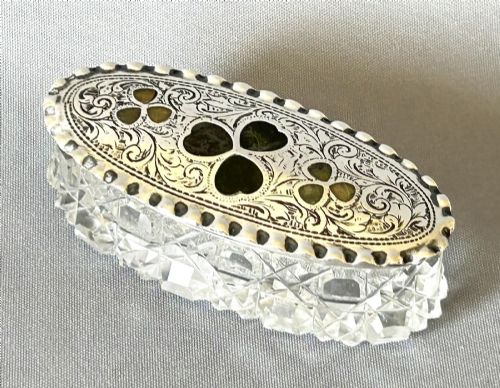
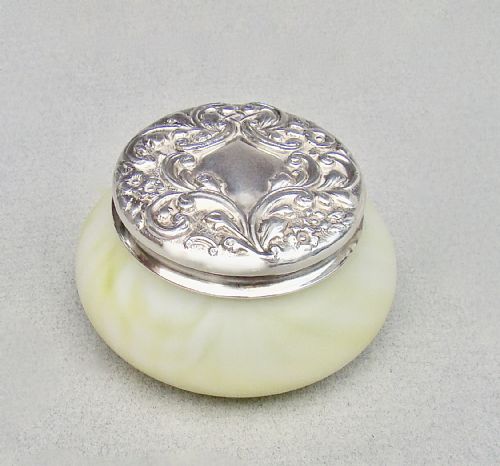
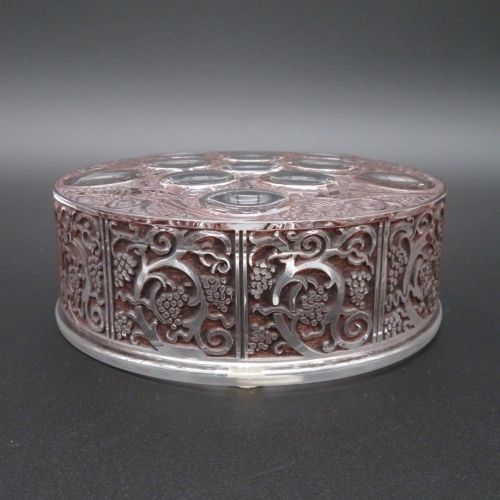
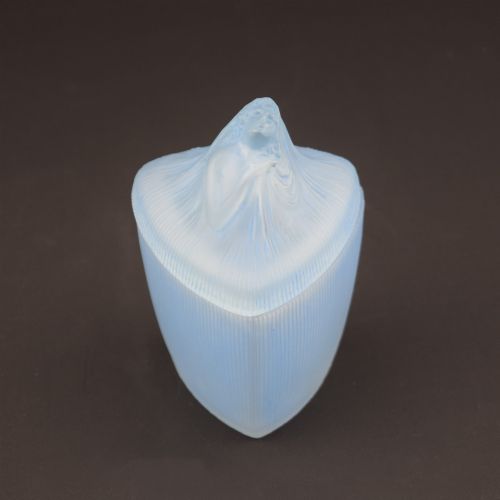
A vintage glass vanity box encompasses everything from heavy crystal powder jars to hinged trinket containers resting on dressing tables. Buyers searching this phrase encounter receptacles designed to hold cosmetics, pins and personal items within clear or coloured glass bodies.
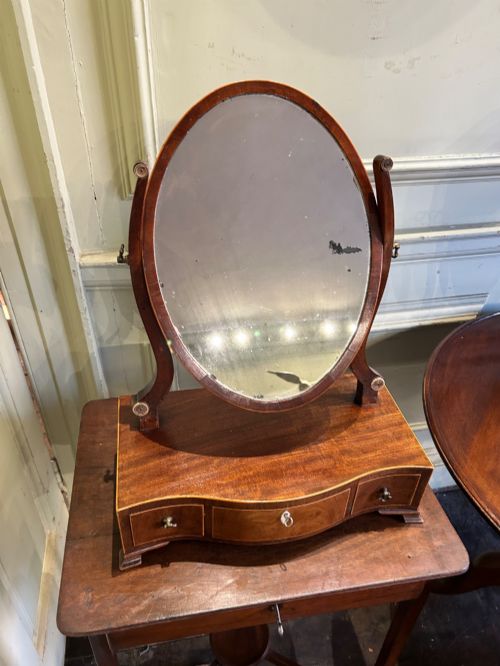
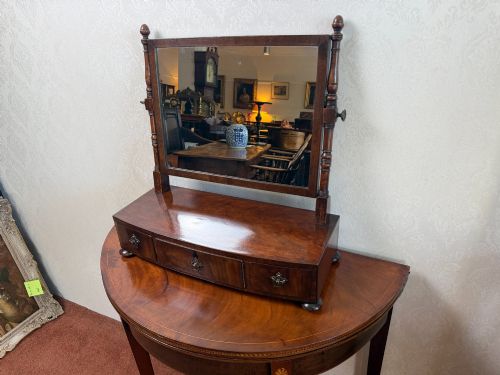
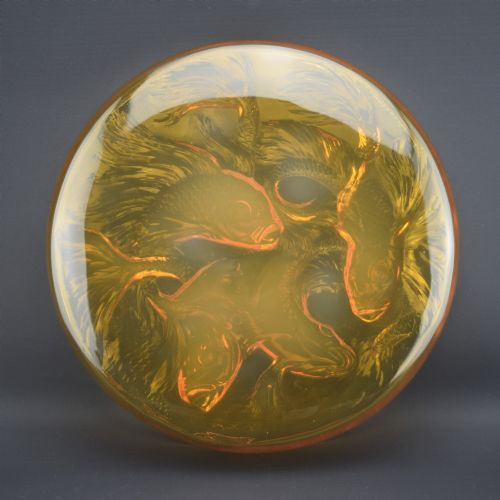
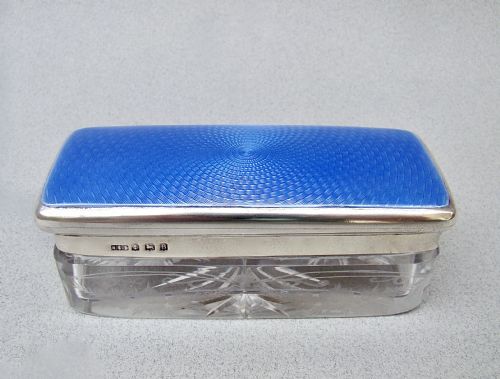
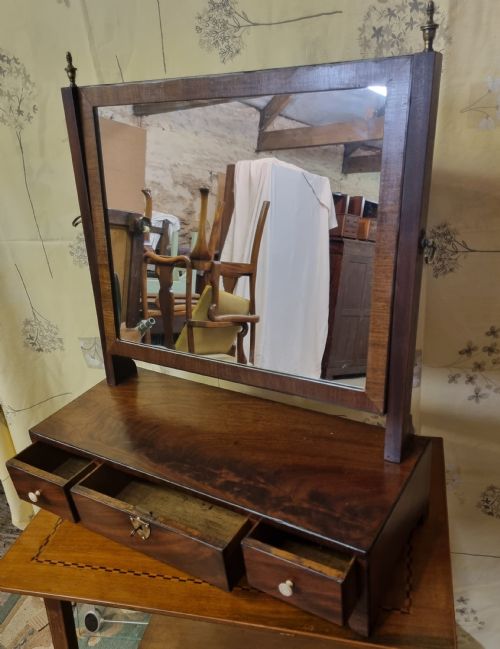
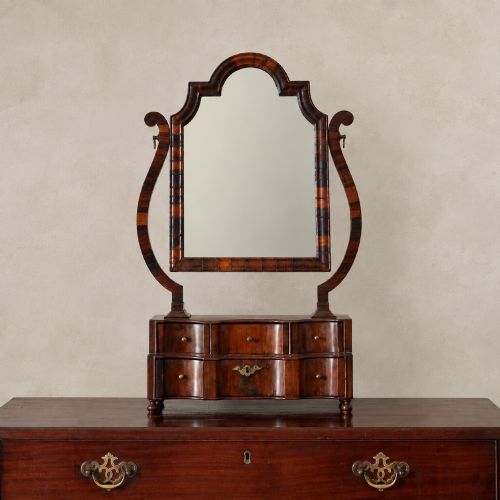
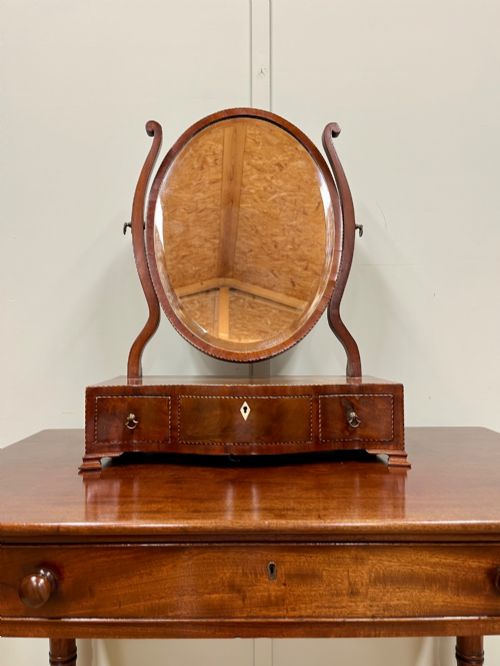
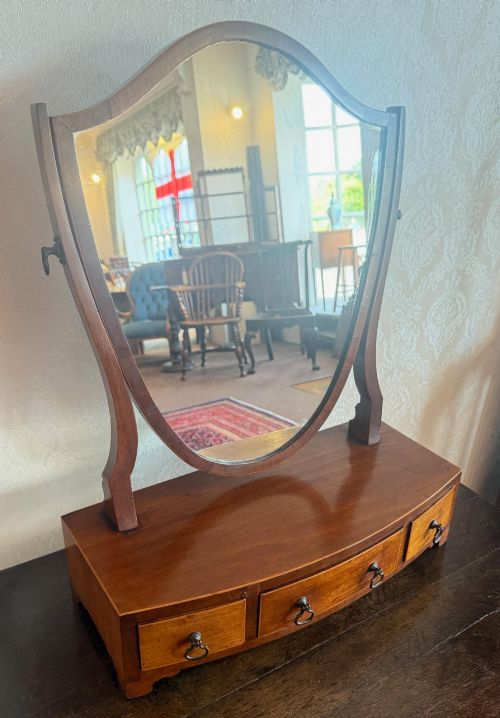
The pieces represented here lean heavily toward early twentieth-century production, particularly Art Deco and Edwardian designs featuring sterling silver or enamel lids. Alongside these smaller vessels, the selection includes Georgian and Victorian wooden-framed dressing table and toilet mirrors that completed the same morning routine.
Materials and construction
Glass bodies were formed through moulding, pressing or heavy cutting to create faceted surfaces that caught dressing table light. These were paired with fitted mounts, hinged collars and lids cast from sterling silver or brass.
Many lidded jars incorporate colourful guilloche enamel work applied over engine-turned metal bases. Wooden companions rely on mahogany and walnut timbers, frequently crossbanded and fitted with small storage drawers.
Vintage Glass Vanity Box Retail Price Guide 2026
Typical asking prices for vintage glass vanity box among the pieces listed under this phrase on Sellingantiques today, from the lower quarter to the upper quarter. They describe what is for sale here now, not the wider market.
Birmingham silversmiths produced the vast majority of the silver and enamel lids found on these Edwardian and Art Deco glass pots.
Assessing craftsmanship
Quality rests in the crispness of the glass cutting and the weight of the metal mounts rather than decorative surface alone. Deeper, sharper facets on crystal bodies and heavier gauge silver lids indicate superior workshop standards.
Maker marks stamped onto silver rims or base mounts separate mass-produced items from pieces bearing traceable silversmith attribution. The precision of the hinge fitting and the clarity of the enamel layer further distinguish finer examples.
A. J. Pepper & Co·Henry Clifford Davis·A. Bromet & Co·Rene Lalique·Posen of Frankfurt
The Vintage Glass Vanity Box Glossary
- Guilloche enamel
- A decorative technique where translucent enamel is layered over mechanically engraved metal. It produces a repeating geometric pattern visible beneath coloured glass-like surfaces.
- Kralik glass
- Art glass produced by the Kralik factory in Bohemia, known for distinctive iridescent finishes and experimental colours. Pieces often appear with metal mounts from British silversmiths.
- Toilet mirror
- A smaller portable mirror designed to sit upon a chest of drawers or dressing table. These often incorporate small box bases with drawers for cosmetics.
- Crossbanding
- A strip of veneer applied across the grain direction around the border of a wooden panel. It frames the primary timber on Georgian and Victorian dressing furniture.
- Cut glass
- Glassware shaped and patterned by holding it against rotating abrasive wheels. The process creates deep, light-refracting facets across trinket boxes and jars.
Vintage Glass Vanity Box: Frequently Asked Questions
What fits inside a vintage glass vanity box?
These receptacles suit small dressing table items such as rings, brooches, hairpins and loose powder puffs. Their enclosed spaces protect delicate trinkets from dust while keeping daily accessories visible.
Larger jars accommodate small perfume bottles or medicinal flasks alongside cosmetic items. The scale remains intimate, intended for personal organisation rather than bulk storage.
How do I date a silver-lidded glass jar?
British silver lids carry hallmarks that indicate the assay office, standard of purity and the specific year of manufacture. Examining these tiny stamped letters provides an exact date for the metal mount.
The glass body may occasionally predate the mount or belong to the same workshop period, though hallmarked silver offers the most reliable chronological anchor.
Are wooden dressing mirrors part of this group?
Wooden toilet mirrors share the dressing table history and functional space of glass vanity containers. Many period dressing sets combined table mirrors with matching crystal powder jars and brush sets.
While constructed from mahogany or walnut rather than glass, these framed mirrors reflect the same domestic rituals of nineteenth and eighteenth-century dressing rooms.
How should I clean guilloche enamel?
Enamel surfaces require gentle wiping with a soft, dry cloth to remove dust without scratching the delicate glass-like layer. Moisture can seep beneath cracked enamel edges, so liquid cleaners should be avoided near metal joins.
Silver mounts respond to careful polishing with a dedicated cloth while taking care to keep abrasive compounds away from the surrounding enamel and glass.