

Vintage Glass Shelves
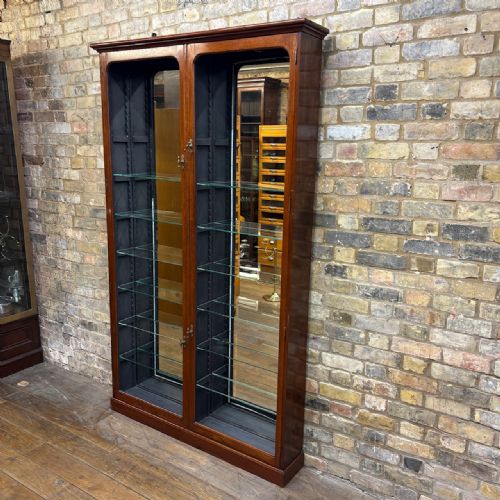
These vintage glass shelves and glazed display pieces bring functional clarity to rooms through period oak, mahogany, and brass.
Vintage Glass Shelves
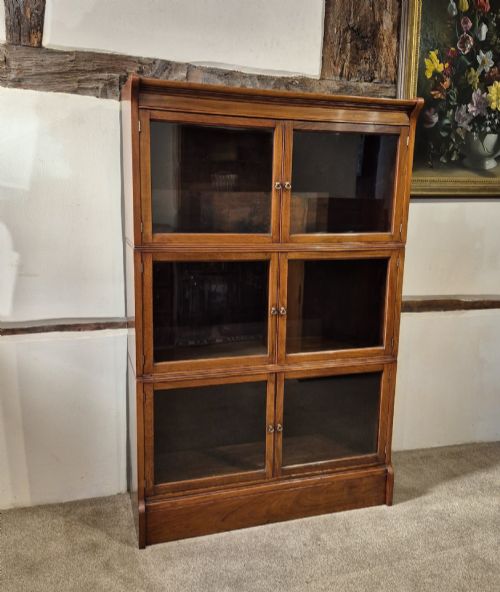
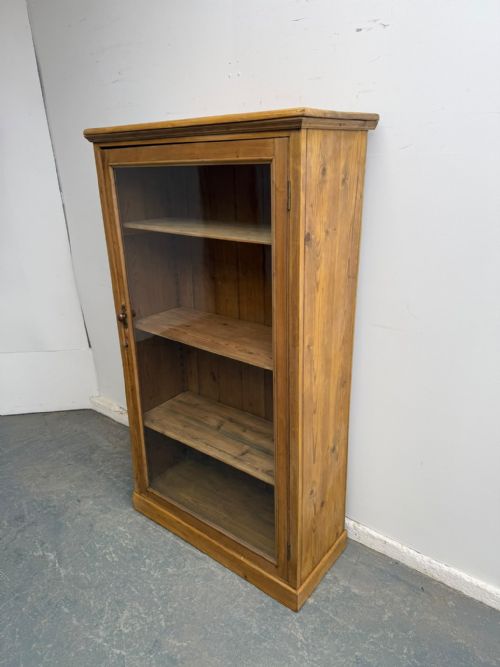
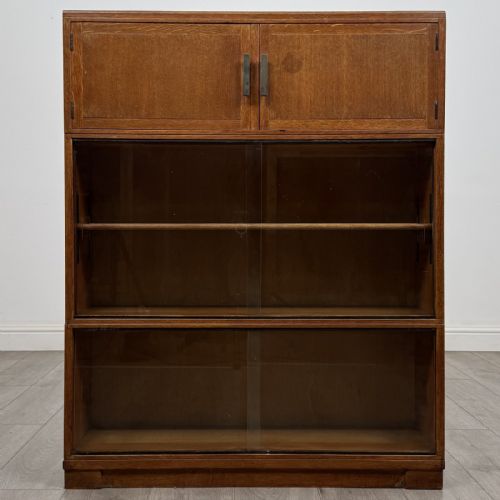
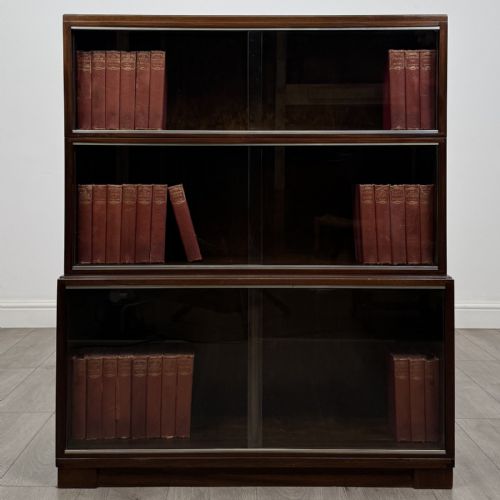
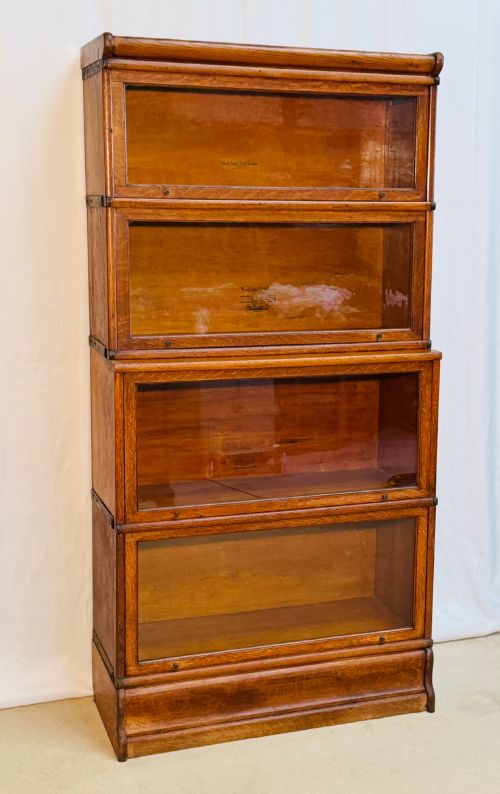
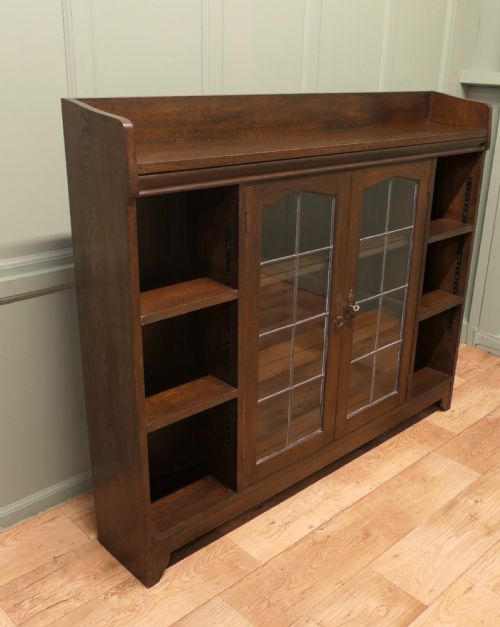
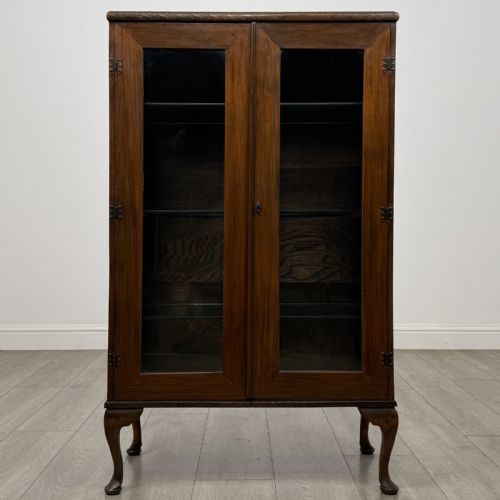
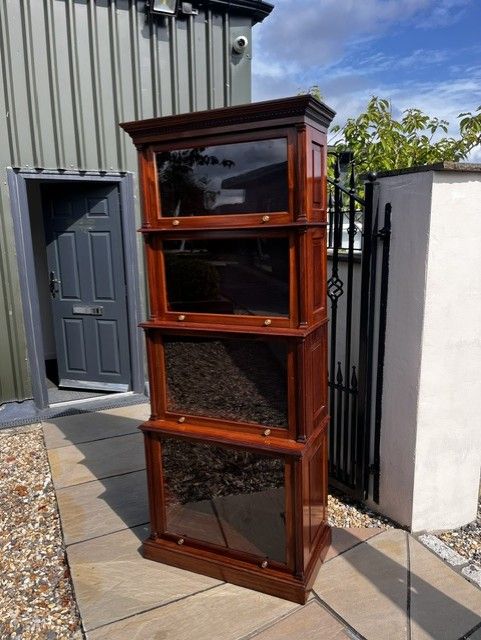
When searching for vintage glass shelves, buyers encounter a variety of glazed cabinetry, shop counters, and sectional barrister bookcases from the Edwardian era through the nineteen-thirties. These pieces primarily serve to display books, china, and curated objects while protecting them behind glass doors.
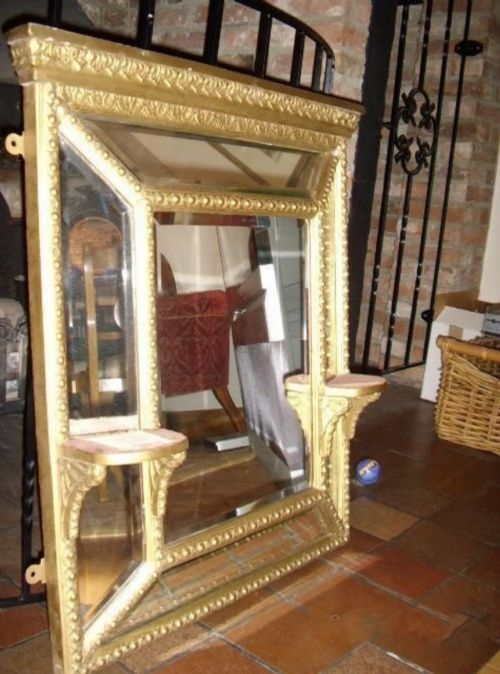
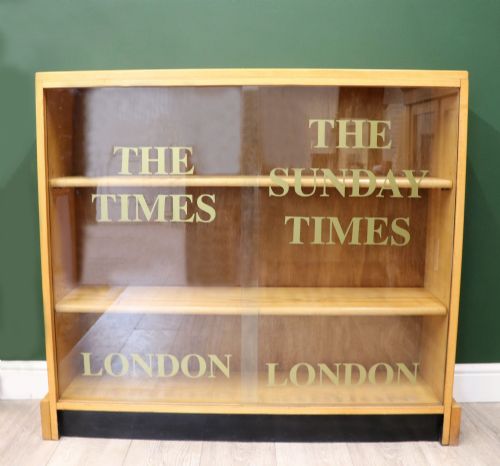
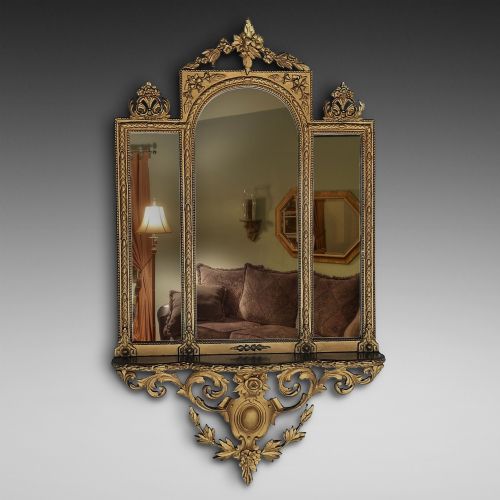
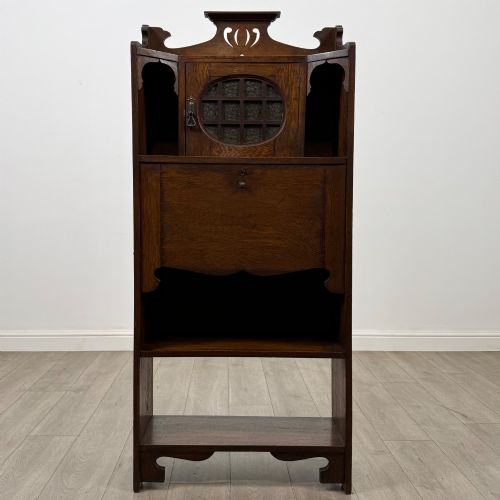
The selections on this page lean heavily toward Edwardian mahogany display cabinets and oak sectional bookcases equipped with original glass panels. One also finds industrial shop fittings and Art Deco occasional pieces utilising glass surfaces.
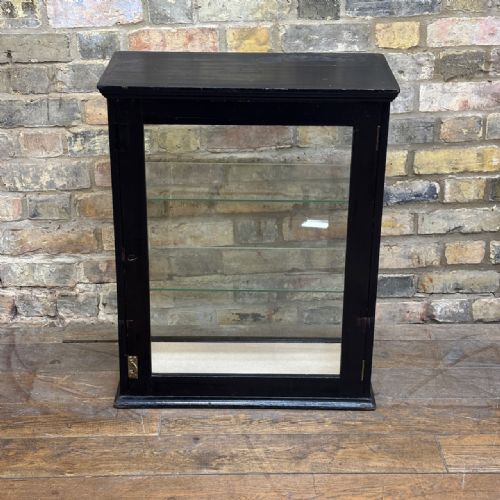
Forms range from wall-mounted opticians cabinets to large freestanding mahogany bookcases and multi-tier stacking systems by notable makers. Each type utilises transparent glazing to lighten the visual weight of dense hardwoods like oak, walnut, and mahogany.
Materials and construction methods
The construction relies on solid hardwoods such as mahogany, oak, and walnut, frequently enhanced with satinwood inlay or burr veneers. Frames are jointed to support the weight of heavy glass doors and internal shelving without warping over decades of use.
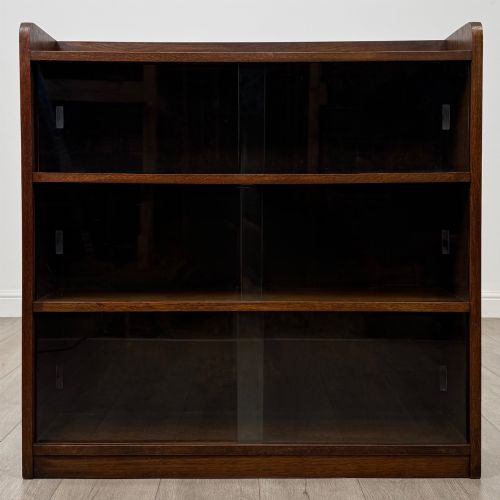
Glazing techniques include sliding glass panels, leaded sections, and hinged doors fitted into timber or metal frames. Brass hardware, iron brackets, and cast-iron components often secure the structural elements and allow adjustable shelving within shop display cases and sectional bookcases.
Vintage Glass Shelves Retail Price Guide 2026
Typical asking prices for vintage glass shelves among the pieces listed under this phrase on Sellingantiques today, from the lower quarter to the upper quarter. They describe what is for sale here now, not the wider market.
Opticians and chemists once relied on these very glass cabinets to keep spectacles and remedies safe from curious fingers.
Factors influencing quality and craftsmanship
Quality rests in the integrity of the timber selection and the precision of the mechanical components, such as the smooth action of stacking bookcase doors and sliding glass tracks. Finer examples display carefully matched grain patterns, subtle inlay work, and solid brass fittings rather than plated base metals.
The condition and originality of the glass panes significantly affect the standing of a piece, with surviving transparent plates free of excessive scratching representing superior examples. Structural soundness in modular systems ensures that individual tiers align correctly and function as intended.
Minty of Oxford·Maple & Co.·Globe Wernicke·Heal's·Epstein·Lebus
The Vintage Glass Shelves Glossary
- Sectional bookcase
- A modular storage unit comprising multiple stackable tiers with glass doors, commonly associated with systems like Wernicke or Globe Wernicke.
- Display cabinet
- A freestanding or wall-mounted piece featuring glazed doors or panels designed to showcase china, books, and decorative objects.
- Inlay
- A decorative technique where contrasting woods or metals, such as satinwood, are inserted into recessed areas of the primary timber surface.
- Shop counter
- A commercial retail fixture, often constructed from mahogany with glass viewing areas, utilised historically in pharmacies and merchant shops.
Vintage Glass Shelves: Frequently Asked Questions
How do sectional bookcases work?
Sectional bookcases consist of separate modular tiers that stack vertically, each featuring its own glazed lifting door. This design allows the unit to be disassembled easily for transport and reconfigured as storage needs change.
Originally popular in offices and law chambers, these systems protect books from dust while maintaining visibility through the glass fronts of each individual section.
Where were shop display cabinets used?
Shop display cabinets originated in commercial retail environments such as Edwardian pharmacies, drapery shops, and jewellers. Merchants utilised them to present goods securely to customers while keeping merchandise clean.
Today, these robust glass-fronted counters and wall cabinets function in residential settings as kitchen pantries, cocktail bars, or prominent display furniture in dining rooms.
How do I care for antique glass cabinets?
Maintenance involves dusting timber surfaces with a dry cloth and occasionally applying appropriate wax to nourish hardwoods like mahogany and oak. Glass panes should be cleaned with gentle solutions that do not damage aged wooden frames or historical brass hardware.
Avoid placing these heavy glazed pieces in areas subject to extreme humidity or direct sunlight, which can dry out veneers and affect the stability of the joints.
What defines Edwardian display furniture?
Edwardian display pieces are characterised by lighter proportions than their Victorian predecessors, frequently utilising mahogany inlaid with satinwood or polished oak. They often incorporate large glass viewing areas to brighten domestic interiors.
Craftsmen of this period balanced utilitarian display requirements with refined decorative details, producing slender cabinets and wall-mounted shelves suited to smaller, well-lit rooms.