

Vintage Glass Shade
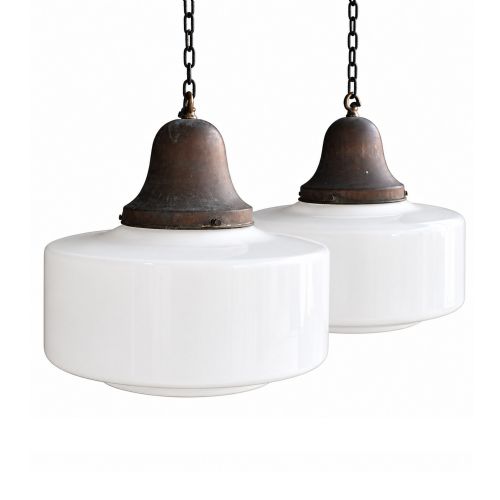
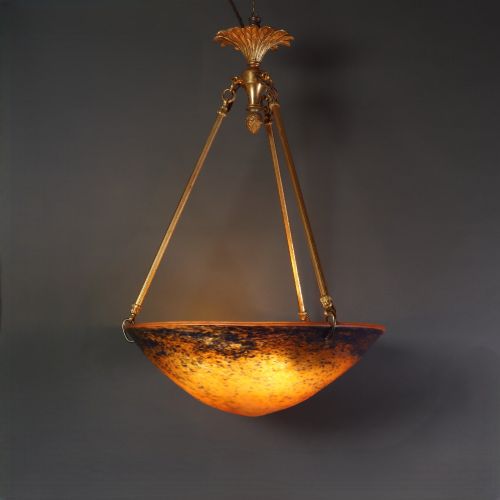
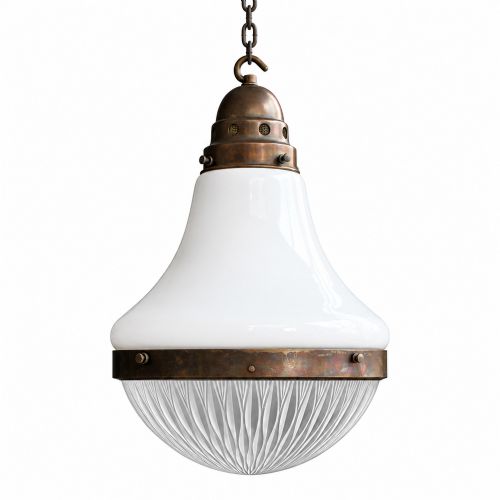
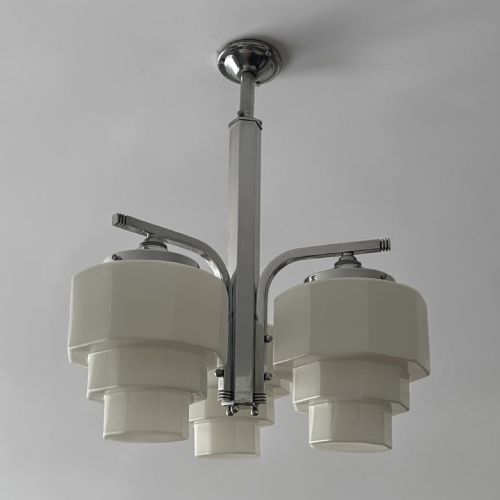
A vintage glass shade brings focused illumination and period character to a room, turning utilitarian lighting into a focal point.
Vintage Glass Shade
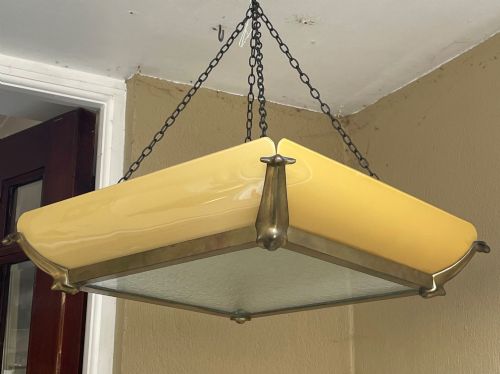
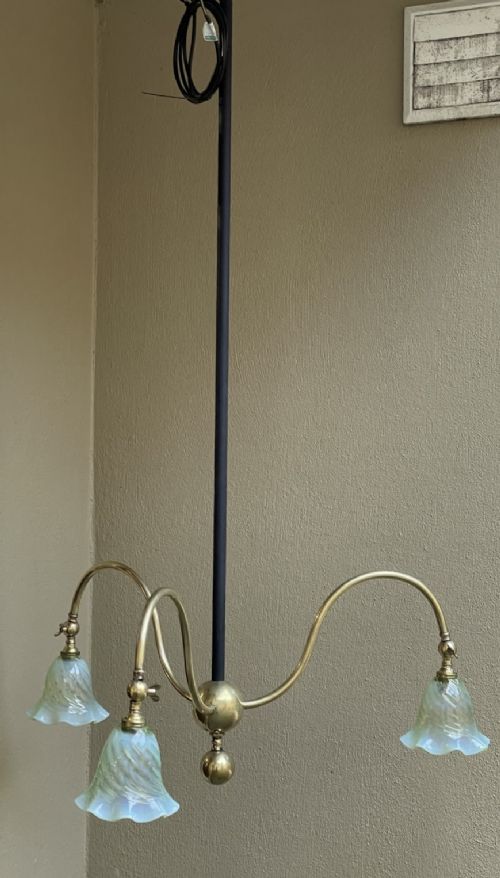
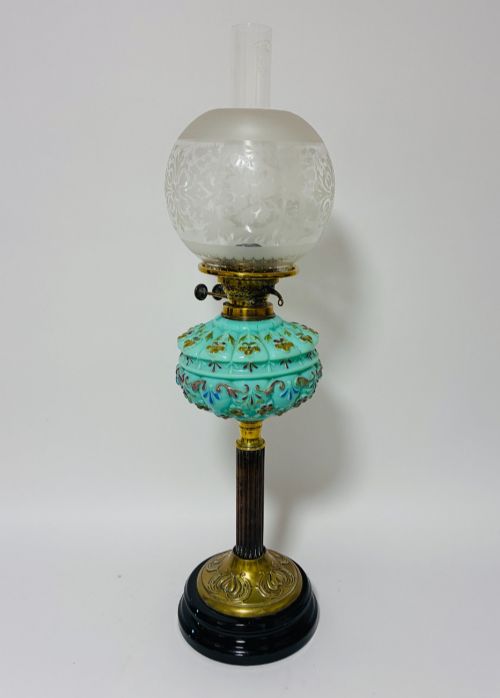
A vintage glass shade forms the protective and diffusing element of a period light fitting, filtering the output of oil burners, gasoliers or early electric bulbs. These pieces appear across dining spaces, hallways and living rooms where decorative glasswork was specified to soften harsh light.
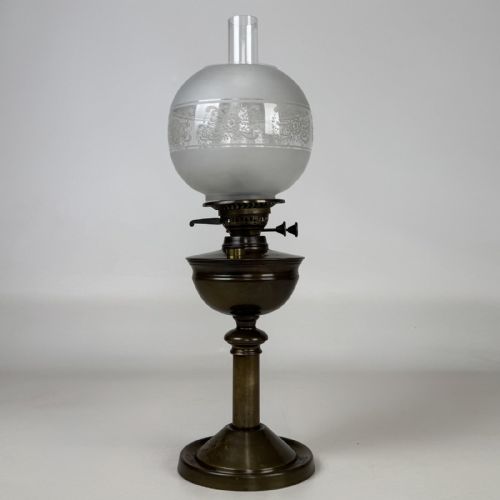
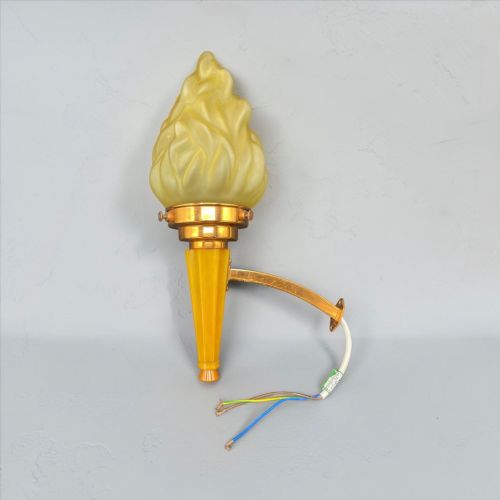
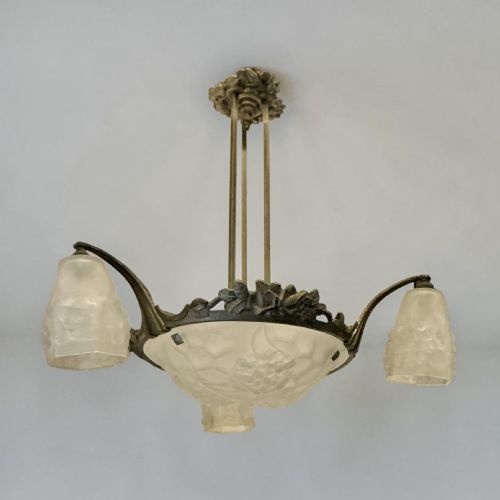
The selections on this page span several decades of production, incorporating Victorian oil lamp chimneys, Edwardian opaline fittings and geometric Art Deco designs. Buyers meet diverse forms ranging from ceiling pendants and wall sconces to slip shades intended for domestic and commercial interiors.
Origins stretch from English workshops to French studios, capturing the shifting tastes of the nineteenth and early twentieth centuries. The glass often combines with brass, copper or crystal components, anchoring the shade within its original mounting hardware.
How they were made
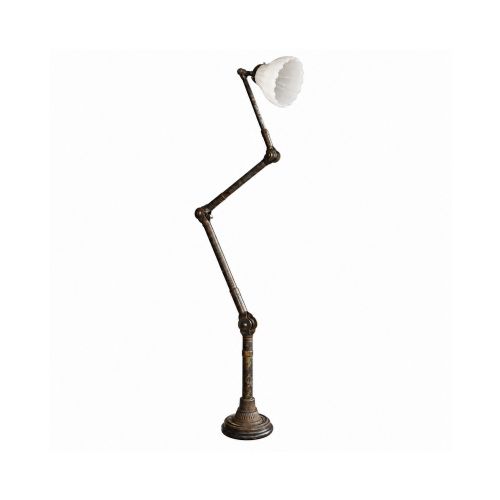
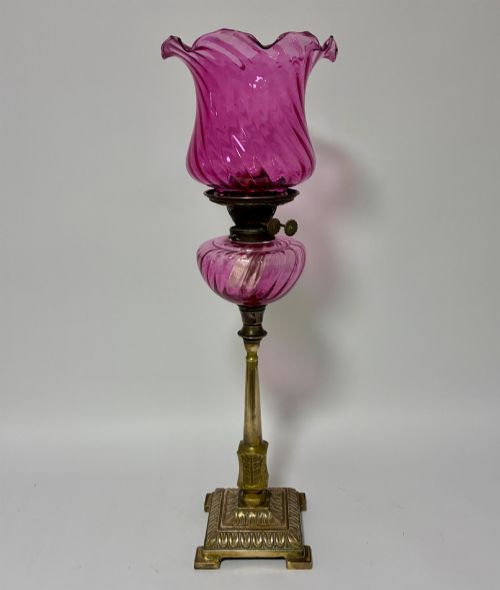
Makers utilised traditional hot-glass techniques, blowing molten material into moulds or shaping it freehand to achieve spherical, frilled or panelled profiles. Cranberry and opaline varieties relied on specific chemical additions to the glass batch during melting to produce rich pinks or solid milky translucency.
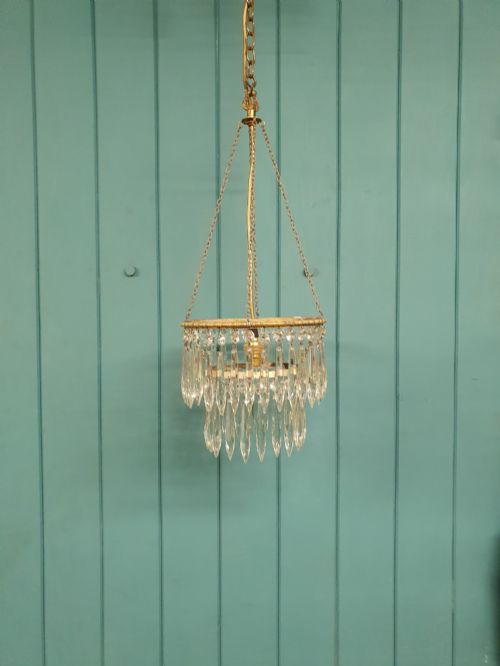
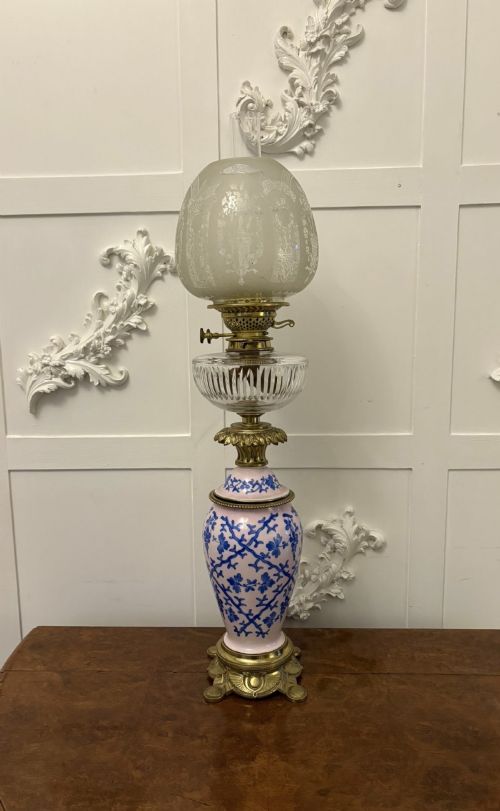
Cut glass and crystal examples required laborious wheel-cutting and polishing to carve facets that caught and refracted light. Brass and copper mounts were cast or spun to fit the precise neck dimensions of each individual shade.
The listings on this page span the Victorian era, the Edwardian period, and the nineteen-twenties, incorporating brass, copper, and crystal.
What varies in quality
Quality rests in the depth of the glass colour, the crispness of moulded or cut detail, and the integrity of the original metal mounts. Thick, heavy glass with uniform wall thickness and absence of modern imperfections separates high-end studio pieces from standard utilitarian wares.
Artistic provenance and named design attribution elevate certain shades, particularly those associated with known glassmakers or high-profile architectural installations. The precision of the fitting and the complexity of decorative scenes or relief patterns further distinguish superior examples.
Charles Schneider·Degué·Émile-Jacques Ruhlmann
The Vintage Glass Shade Glossary
- Opaline Glass
- An opaque white glass developed to diffuse light evenly while reducing glare. It appears frequently on Victorian and Edwardian oil lamps and gasoliers.
- Cranberry Glass
- A striking red-pink glass created by adding gold chloride to the molten mixture. This material is characteristic of Victorian tableware and oil lamp reservoirs.
- Slip Shade
- A moulded glass panel designed to slot into a metal frame, common in American and European Art Deco ceiling fixtures. These shades work together to form a cohesive bowl or basket shape around the bulb.
- Plafonnier
- A ceiling-mounted bowl light that sits flush or close to the surface. French designers frequently utilised this format for decorative interior lighting during the nineteen-twenties.
- Gasolier
- A multi-branched lighting fixture originally designed to burn coal gas before being converted for electricity. They often feature opalescent or frosted shades to soften the direct flame illumination.
Vintage Glass Shade: Frequently Asked Questions
How do I date a glass shade?
Dating relies on observing the manufacturing technique, the form of the fitter rim, and stylistic markers such as Victorian frills or geometric Art Deco moulding. Comparing the glass colour and weight against documented period examples provides further context.
Hardware elements like brass collars and screw threads can also indicate whether the shade originates from the nineteenth century or the interwar decades.
Are vintage shades compatible with modern fittings?
Many vintage shades fit standard modern suspension sets, provided the fitter neck diameter matches contemporary gallery measurements. Standardised sizes allow these historic components to house modern electrical lampholders safely.
Careful measurement of the opening is essential before pairing an antique shade with a newly sourced ceiling rose or pendant cable.
What is opaline glass?
Opaline glass is a translucent, milk-white material designed to soften harsh illumination without absorbing excessive light output. It became popular during the Victorian era for oil lamps and early electric globes.
The dense composition completely hides the bulb interior while casting an even, warm glow across the room.
How should I clean a fragile glass shade?
Cleaning requires lukewarm water and a mild detergent, avoiding abrasive cloths or harsh chemical solvents that might damage historic surfaces. Hand washing prevents accidental impacts against hard sinks.
Thorough drying with a soft lint-free cloth restores clarity to cut crystal and smooth opaline finishes alike.