



Vintage Glass Plates
These vintage glass plates span Edwardian to mid-century periods, offering decorative and functional forms that collectors value for their craftsmanship.
Vintage Glass Plates
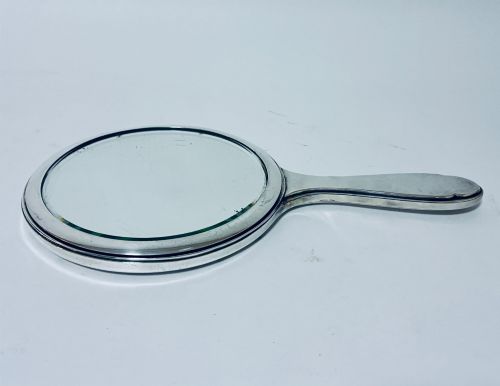
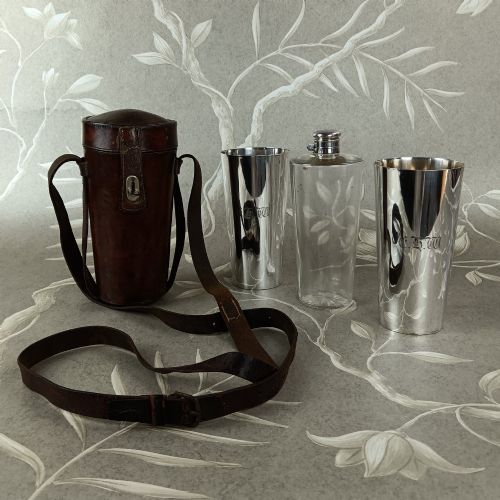
When searching for vintage glass plates, buyers encounter a selection that includes decorative pieces, tableware, and moulded items spanning the late nineteenth century to the mid-twentieth century. The listings on this page reflect diverse origins, incorporating decorative plates alongside functional vessels and desk accessories paired with glass elements.
The objects stem from distinct periods such as the Edwardian era, the Art Deco years, and the Victorian epoch. Makers utilised varied techniques to produce tableware, decorative dishes, and moulded opalescent designs that define the category.
Materials and Techniques
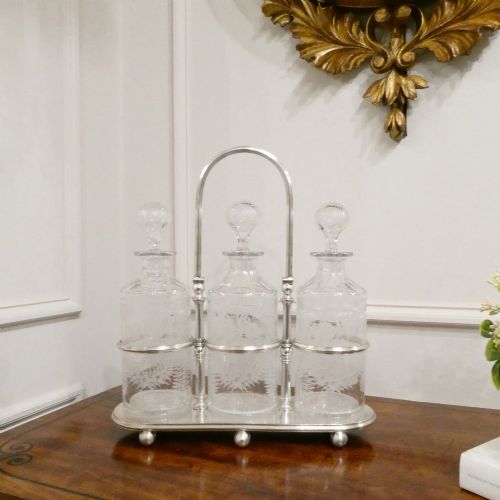
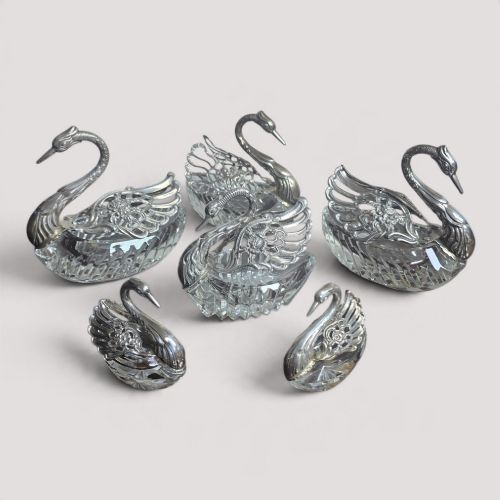
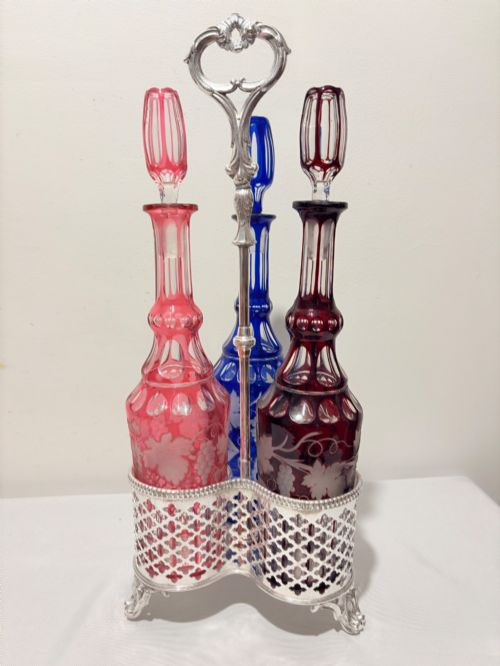
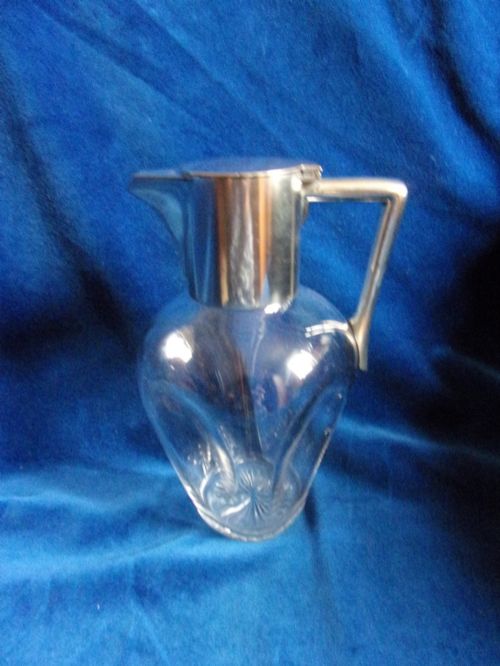
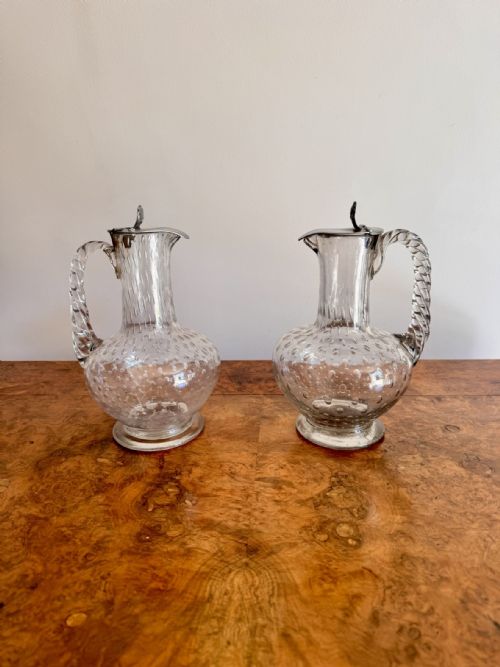
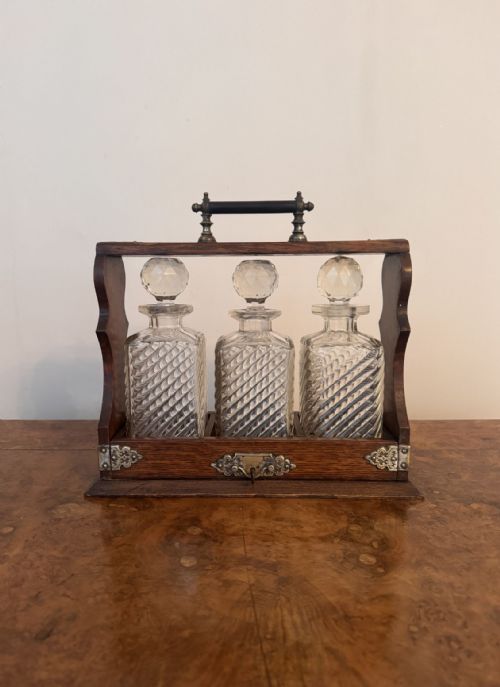
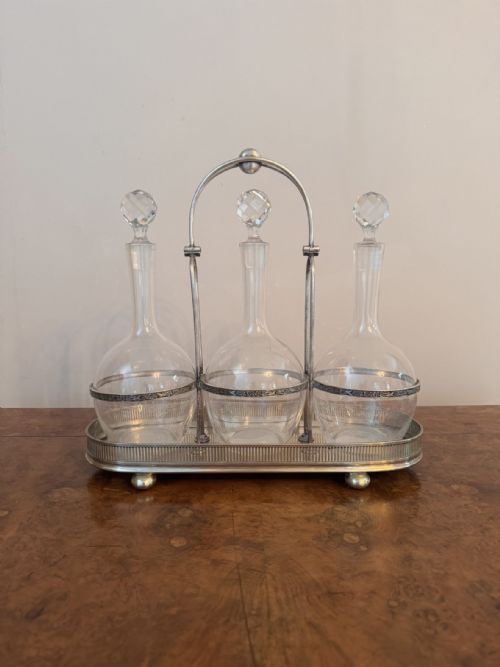
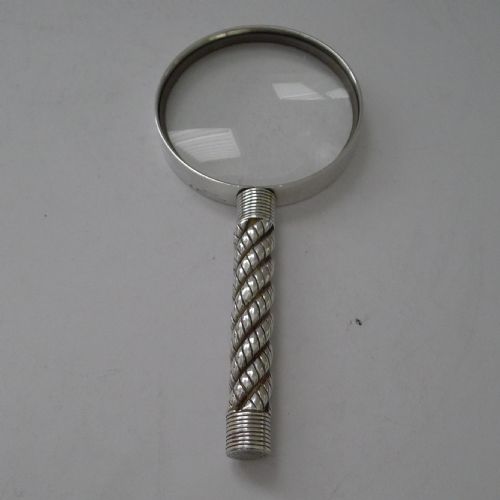
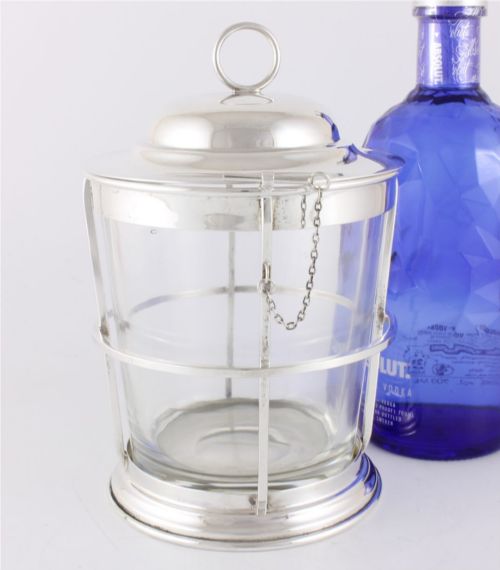
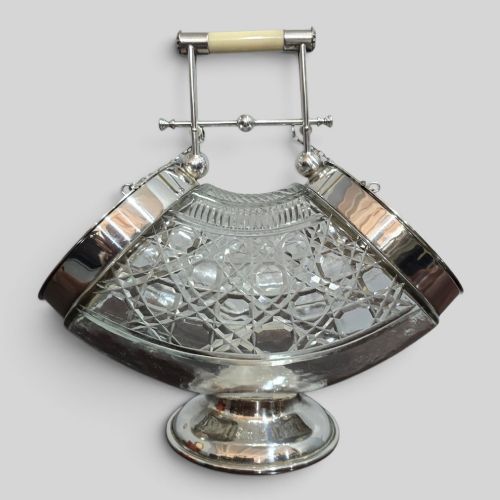
Many items combine moulded or cut glass with silver plate mounts, frames, or handles. Artisans shaped the glass through cutting, hobnail patterns, or opalescent moulding.
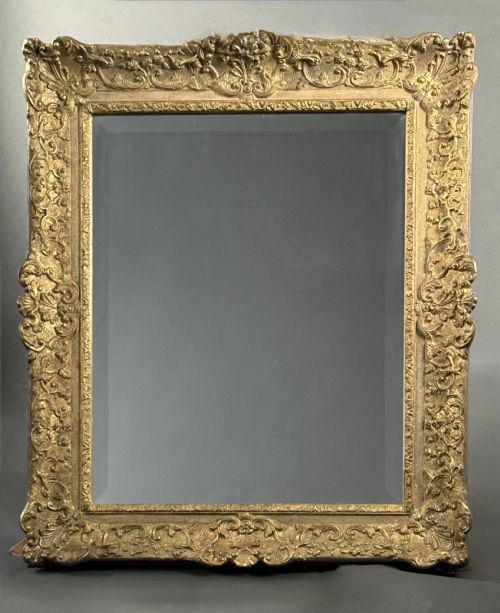
Metalwork complements the glass components, utilising silver plate, giltwood, and gesso for stands, mounts, and frames. These combined materials required collaboration between glassmakers and metal smiths.
Vintage Glass Plates Retail Price Guide 2026
Typical asking prices for vintage glass plates among the pieces listed under this phrase on Sellingantiques today, from the lower quarter to the upper quarter. They describe what is for sale here now, not the wider market.
A few clever birds and beasts watch over the room through silver-plated jugs featuring realistic glass eyes.
Assessing Quality
Quality rests in the precision of the cut, the clarity of the glass, and the integration of the metal mounts. Finer pieces demonstrate crisp detail in hobnail cutting or smooth execution in opalescent moulding.
The weight of the glass and the proportion of the silver plating relative to the glass vessel indicate the standing of a piece. Superior examples maintain balance between their glass bodies and metal fixtures.
Hermes Paris·PH Vogel·James Dixon And Sons·Elkington·Christofle·Rene Lalique·WMF·Walker And Hall
The Vintage Glass Plates Glossary
- Opalescent glass
- Glass containing ingredients that create a milky, bluish lustre when viewed by reflected light. This technique gained prominence during the art deco period.
- Silver plate
- A layer of silver applied to a base metal foundation, frequently used for mounts, handles, and frames on glass vessels. This process allowed makers to produce ornate tableware at lower costs than solid silver.
- Hobnail cut
- A raised, faceted pattern cut into the surface of glass resembling the head of a hobnail boot. It creates texture and catches light across tableware and decorative items.
- Cruet set
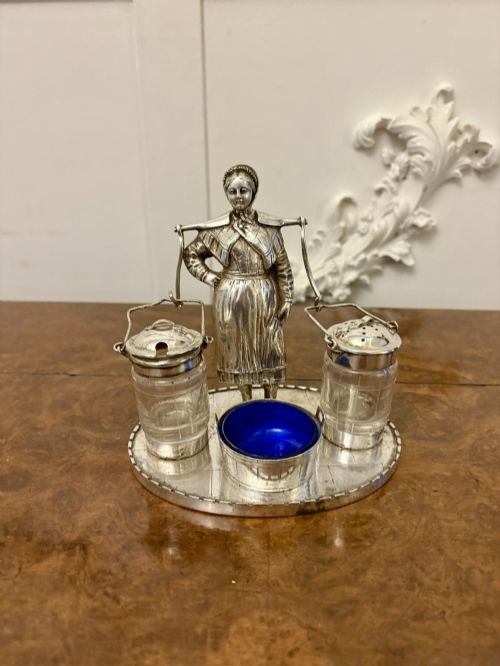
- A matched group of small glass bottles or jars for condiments, usually held within a metal stand. These sets sat on dining tables throughout the Victorian and Edwardian eras.
Vintage Glass Plates: Frequently Asked Questions
What periods do these pieces represent?
The selection spans from the Victorian and Edwardian eras through the Art Deco period and into mid-century modern design.
Items date from the late nineteenth century up to the 1960s, showing shifting tastes in glass production.
How were silver plated mounts attached to glass?
Makers secured metal collars, handles, and stands around glass bodies using custom fittings, adhesives, or tight mechanical tension.
These mounts served to reinforce the glass while adding decorative handles and pouring spouts.
How do I care for vintage glass and silver plate?
Wash glass items gently in warm water using mild soap, avoiding abrasive scrubbers that might scratch the surface.
Polish silver plated elements separately with a soft cloth to prevent tarnish accumulation without harming the adjacent glass.
What is the difference between cut glass and moulded glass?
Cut glass involves physically grinding facets and patterns into the hardened surface using wheels, creating sharp edges and high brilliance.
Moulded glass is shaped while molten by pressing it into a form, resulting in softer lines and recurring motifs.