



Vintage Glass Painting
These vintage glass painting pieces capture light and pigment across centuries, offering buyers unique decorative depth for domestic interiors.
Vintage Glass Painting
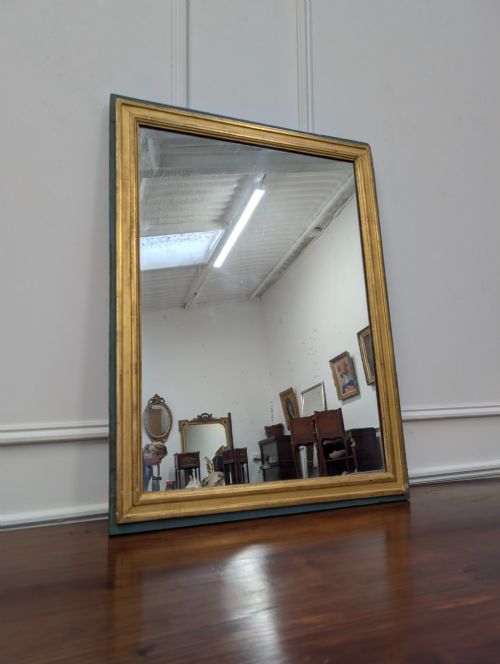
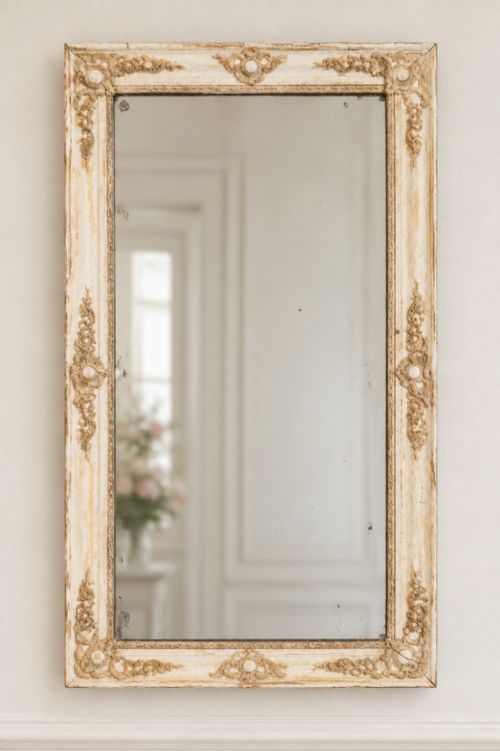
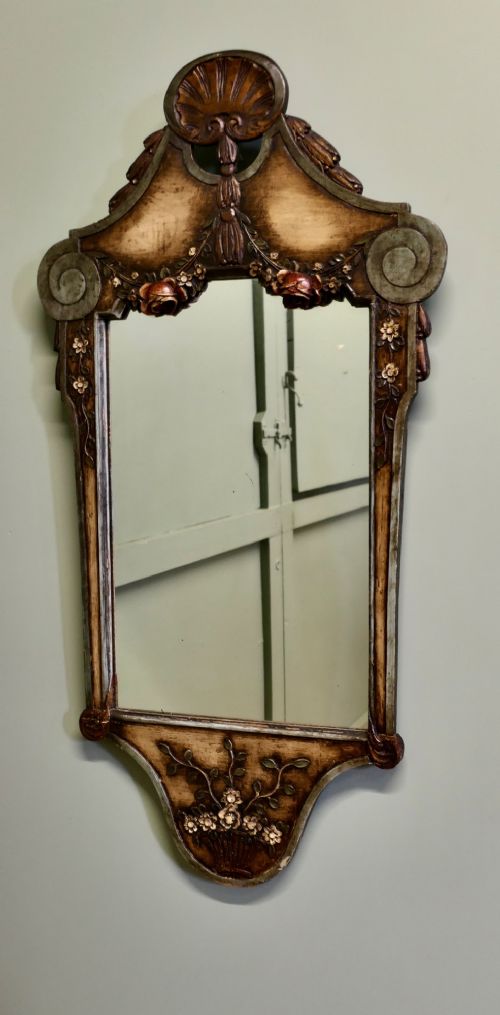
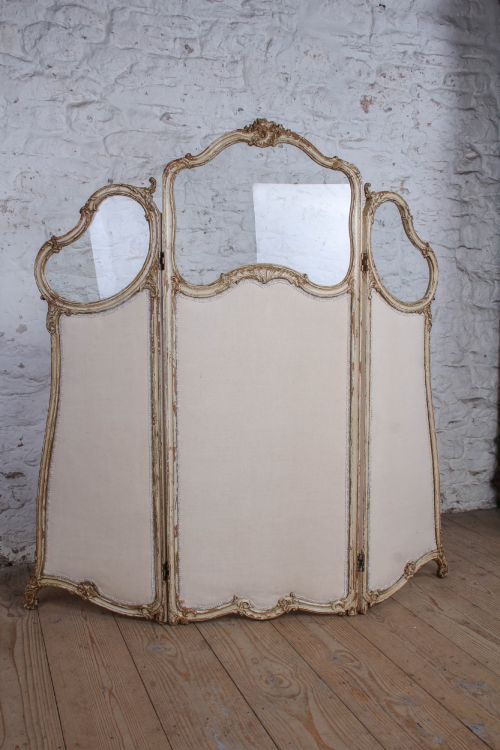
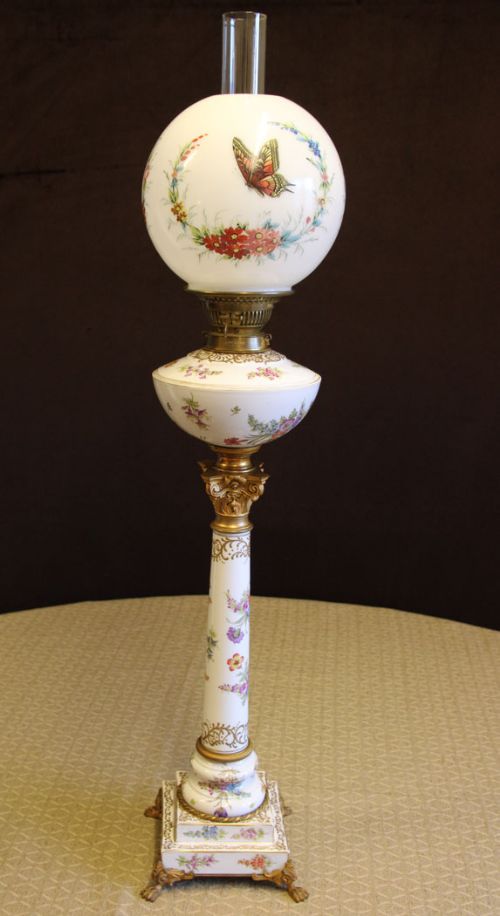
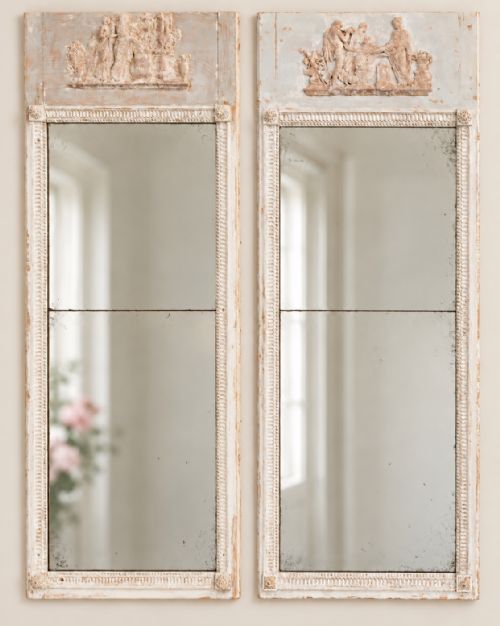
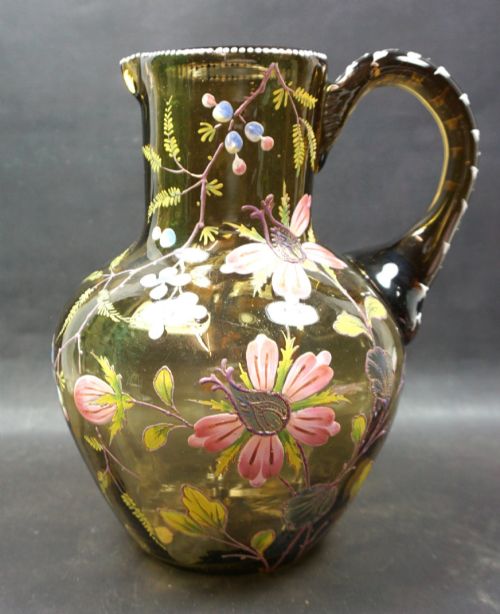
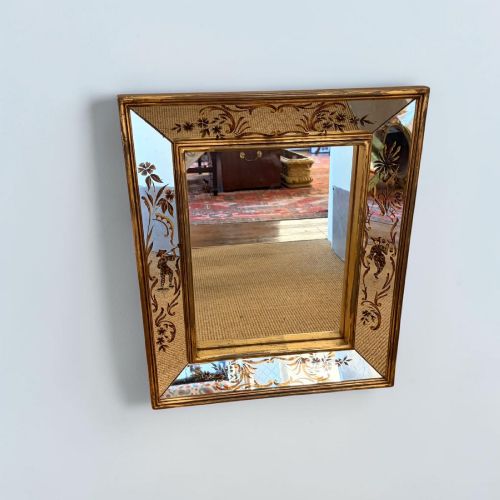
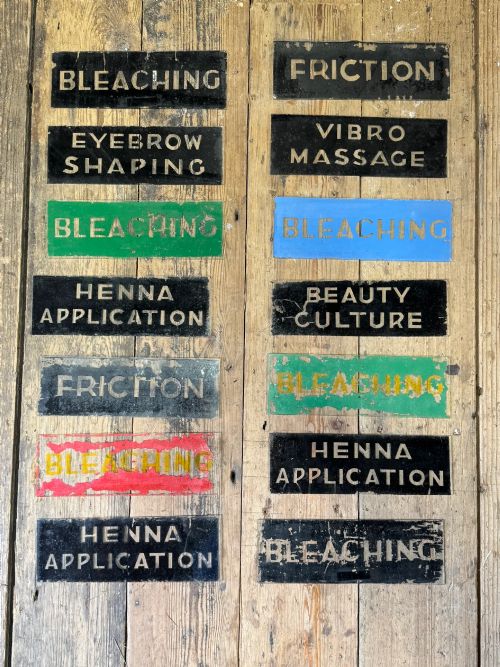
When you search for vintage glass painting, you encounter a diverse range of objects that utilise pigment directly upon glass or incorporate painted glass elements into larger forms. The selection spans domestic mirrors, commercial signs, lighting shades, and decorative vessels from the nineteenth and twentieth centuries.
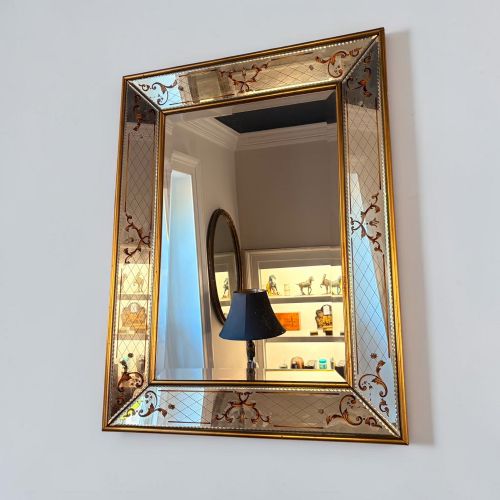
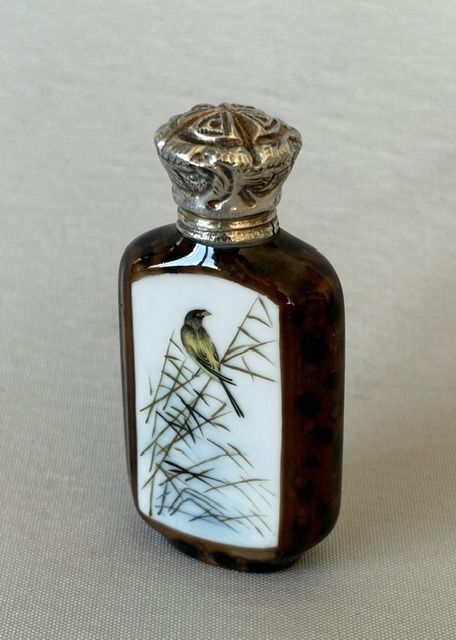
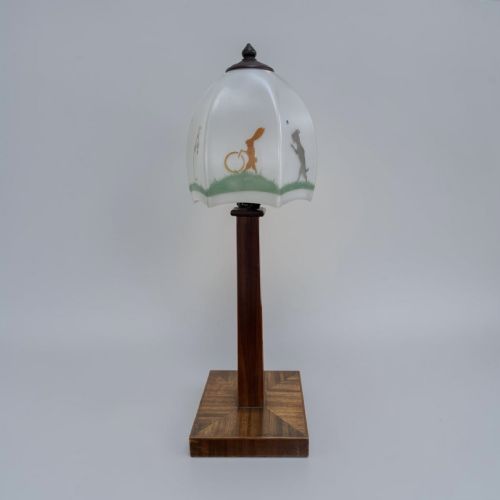
Mirrors and signs form a substantial portion of these listings, often employing reverse techniques or gilt decoration. Alongside these, buyers find tableware, scent bottles, and lamp shades originating from Victorian, Edwardian, and Art Deco periods.
The objects originate from various European and domestic workshops, displaying styles from Rococo Revival and Aesthetic Movement to clean Art Deco geometry. This variety ensures that individual pieces suit different architectural spaces and interior schemes.
How they were made
Makers applied paint, enamel, and gold leaf directly to glass surfaces, frequently utilising reverse painting techniques where the design is viewed through the transparent pane. This method protects the pigment behind the glass while imparting a glossy finish.
Substrates often include wood, brass, gesso, and crystal to house or mount the painted glass components. Frames and structures employ traditional joinery and metalwork appropriate to periods such as the nineteenth century and the 1920s.
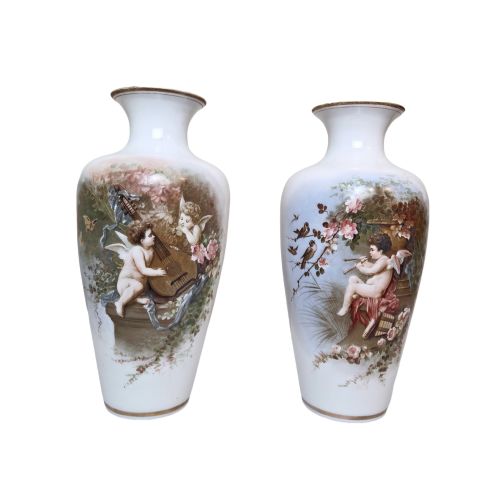
Enamelling involves fusing powdered glass to the surface through firing, creating durable colours that resist fading. Hand painting and tempera application on panels or glass add fine detail to signs, mirrors, and decorative vessels.
Vintage Glass Painting Retail Price Guide 2026
Typical asking prices for vintage glass painting among the pieces listed under this phrase on Sellingantiques today, from the lower quarter to the upper quarter. They describe what is for sale here now, not the wider market.
A solitary terracotta pug dog sits quietly among the glass, watching the mirrors and lamps with ceramic vigilance.
What varies in quality
The execution of the painted detail separates standard production from finer examples. Precision in brushwork, particularly on reverse-painted signs, floral decanters, and figural scenes, indicates the maker's competency.
The integrity of the supporting materials, such as giltwood frames, brass mounts, and original mirror plates, dictates the overall character of the piece. Superior items retain their original mounting hardware and undisturbed surface patination.
Clarity and preservation of the glass substrate alongside stable adherence of gold leaf and enamel layers determine the longevity and visual impact of each object.
Irene Christobelle Pownoll Williams·Konstantin Stoitzner·Alexander Harwood·Thereisenthal
The Vintage Glass Painting Glossary
- Eglomise
- A technique where gold or silver leaf is applied to the reverse of glass and then etched or painted. This process produces a reflective, metallic background often utilised on decorative mirrors and wall panels.
- Enamel
- A decorative glass-like substance fused to a substrate through high-temperature firing. It provides vibrant, durable colour on glassware and scent bottles.
- Reverse-painted
- Artwork executed on the rear side of a glass panel so the observer views the final image through the clear front. This method protects the pigment and creates a glossy surface sheen.
- Gesso
- A plaster-like material applied to wooden frames or panels to prepare a smooth surface for gilding or painting. It is commonly found on antique mirrors and vitrines.
- Table lustre
- A glass ornamental vase hung with cut glass prisms designed to refract candle or gas light. These pieces appear frequently in Victorian domestic interiors.
Vintage Glass Painting: Frequently Asked Questions
How do I clean vintage glass painting items?
Clean glass surfaces gently with a dry or barely damp microfiber cloth, avoiding harsh chemical cleaners that might strip delicate enamel or paint.
Keep moisture away from any exposed wooden frames, gesso, or the reverse sides of painted panels to prevent lifting of the pigment.
Are reverse-painted glass signs durable?
Reverse painting protects the artwork from surface abrasion because the glass itself acts as a shield.
However, the backing materials can be fragile, so these signs require careful handling during placement and hanging.
How do I date an eglomise mirror?
Examine the construction of the wooden frame, the bevel or flatness of the glass plate, and the style of the mounting hardware on the reverse.
Nineteenth-century examples often feature heavy timber frames and hand-beveled glass, while 1920s pieces align with Art Deco or Chinoiserie design motifs.
Where should I place a glass lamp shade?
Position painted or opaline glass lamp shades on compatible antique brass or metal bases away from high-traffic areas where accidental impacts might occur.
Ensure that modern bulb wattages match the thermal tolerances of historical glass to prevent heat damage.