

Vintage Glass Flowers
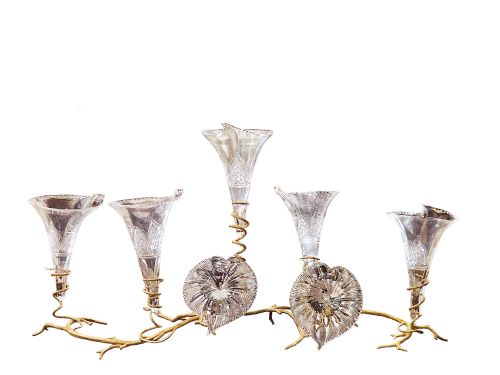
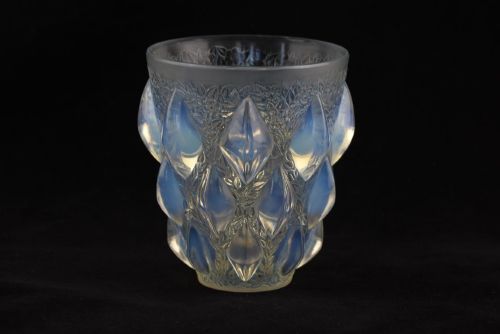
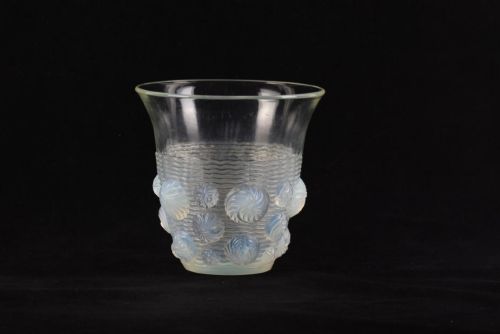
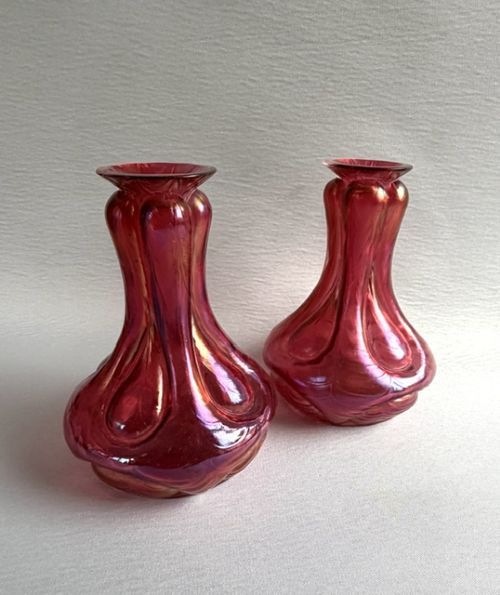
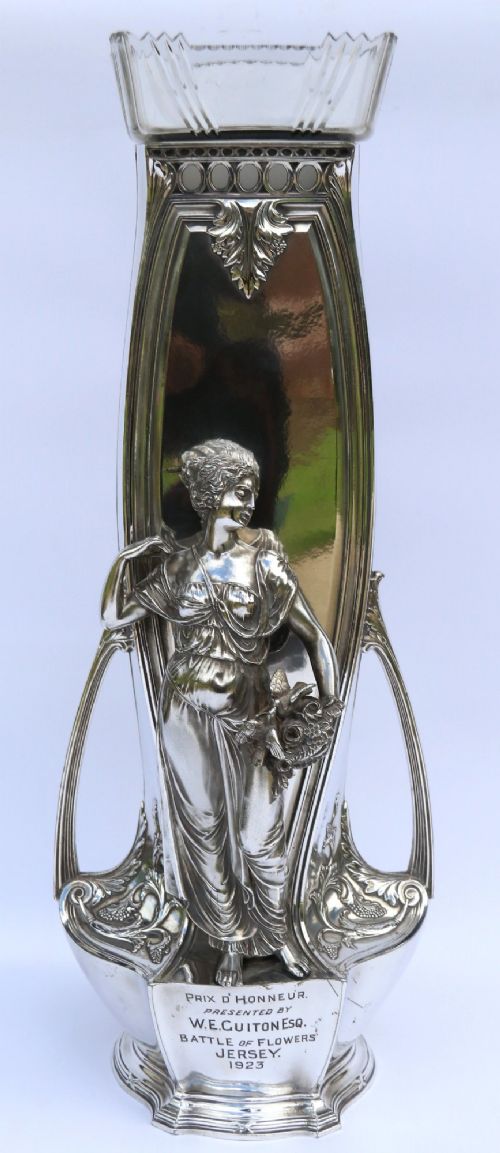
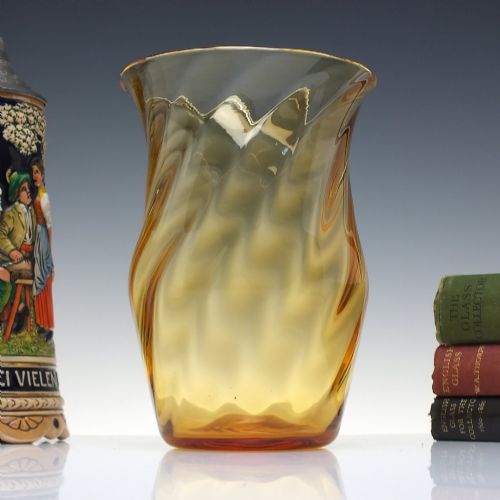
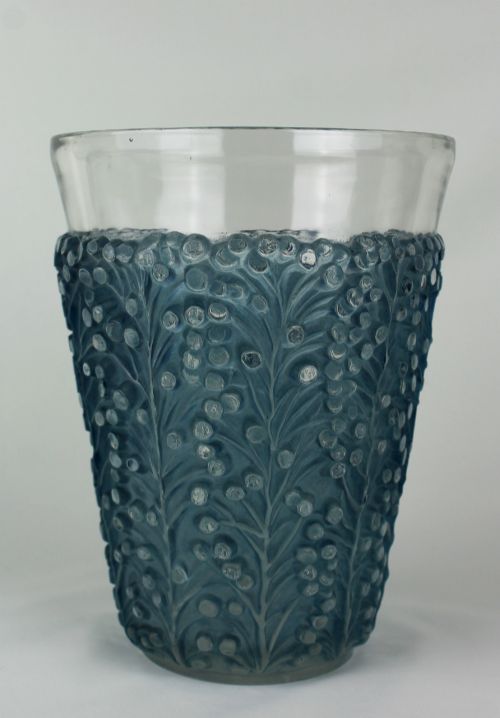
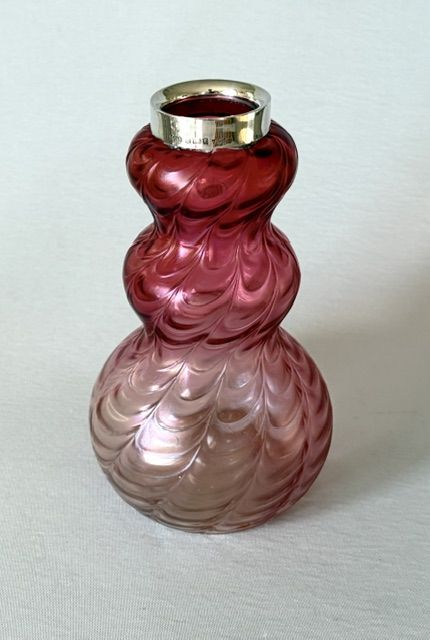
These vintage glass flowers bring botanical forms into domestic interiors through moulded, blown, and enamelled pieces spanning the nineteenth and twentieth centuries.
Vintage Glass Flowers
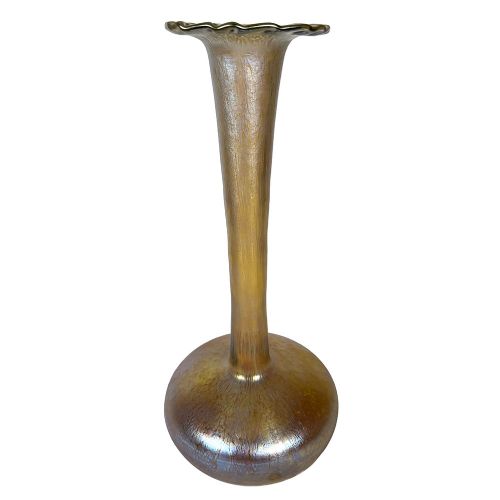
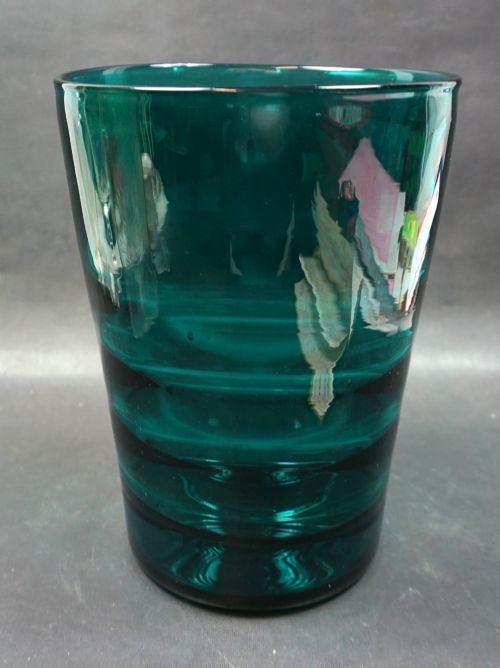
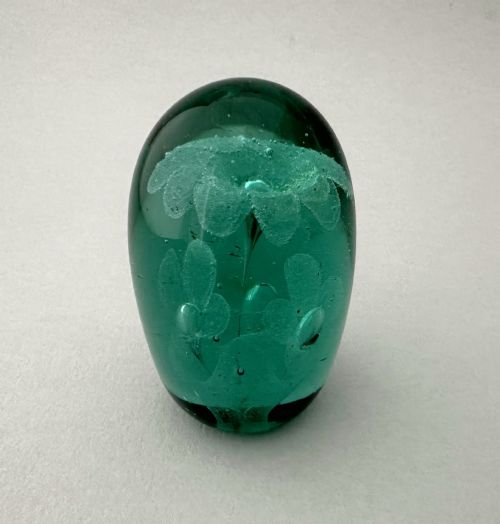
When you search for vintage glass flowers, you encounter a diverse gathering of decorative objects, lighting fixtures, and tableware that incorporate floral motifs or botanical shapes in glass. The selection ranges from pressed paperweights capturing single blossoms to tall iridescent vases decorated with enamelled petals and foliage.
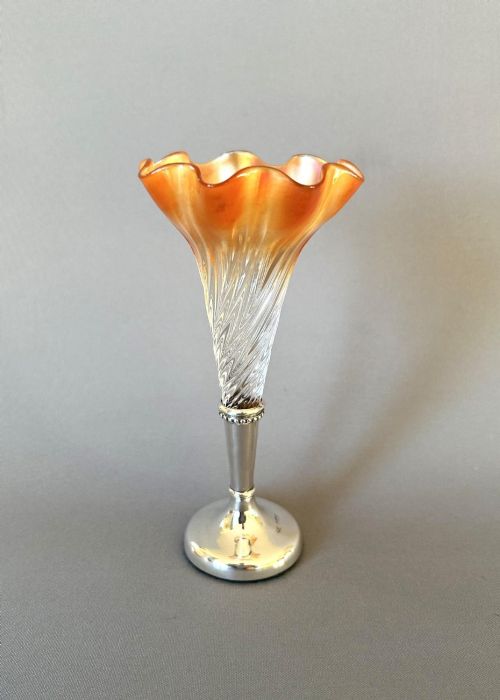
The objects span multiple periods, with pieces originating from the late nineteenth century through to the mid-twentieth century. Art Nouveau and Art Deco designs feature heavily alongside Edwardian silver-mounted posy holders and Victorian dump paperweights.
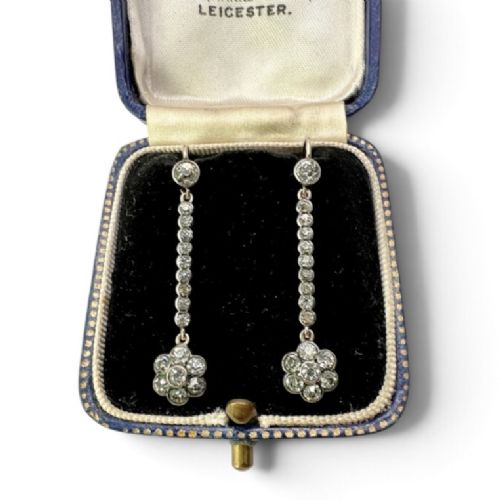
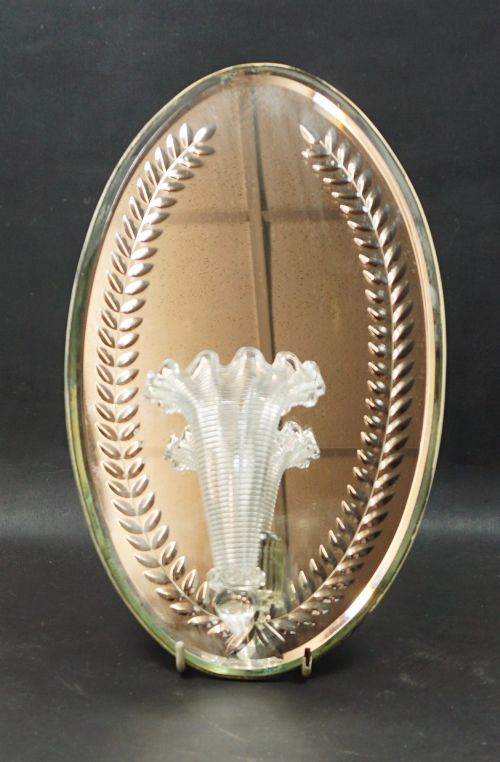
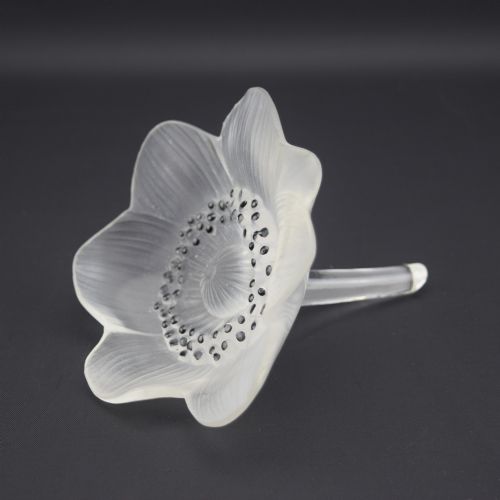
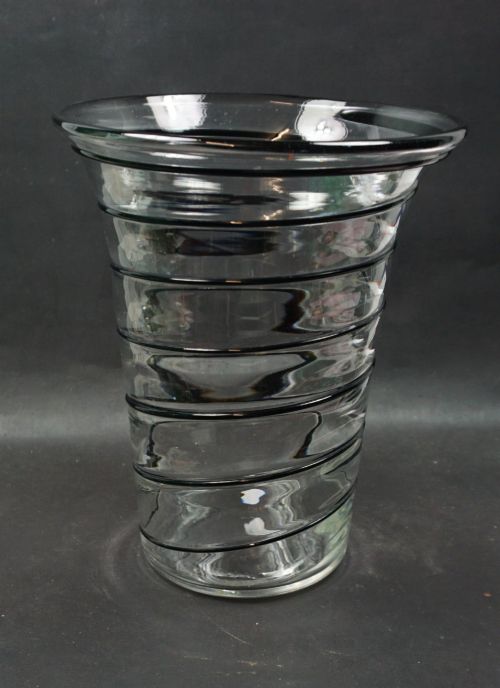
Vases and decorative bowls dominate the available forms, often utilising coloured, frosted, or opalescent glass to render naturalistic flower heads. Wall mirrors, chandeliers, and earrings also appear, integrating glass blooms into metalwork and crystal settings.
How they were made
Maker workshops employed varied techniques including mould-blowing, acid-etching, and surface enamelling to achieve botanical detail. Iridescent effects were attained by treating the hot glass with metallic salts, creating shimmering surfaces seen in pieces from major European makers.
Clear, frosted, and coloured glass served as the foundation for pieces, sometimes combined with silver, gold, or base metals for mounts and stems. Enamelling and gilding were frequently applied over the glass surface to delineate petals and leaves in high detail.
Vintage Glass Flowers Retail Price Guide 2026
Typical asking prices for vintage glass flowers among the pieces listed under this phrase on Sellingantiques today, from the lower quarter to the upper quarter. They describe what is for sale here now, not the wider market.
Materials represented include crystal, frosted glass, opalescent glass, and enamel alongside silver and gold mounts.
What varies in quality
The distinction between standard production and exceptional output lies in the crispness of the moulding and the depth of the finish. Master glassworks achieved subtle gradients of colour and precise control over iridescent patinas that lesser workshops could not replicate.
Artistry in hand-painted enamelling and the weight of the crystal or glass body also separate fine pieces from simpler utilitarian items. The integration of metal mounts, whether silver or gilt bronze, reflects the overall ambition of the design.
René Lalique·Loetz·Kralik·Whitefriars Glass·Daum·Emile Galle
The Vintage Glass Flowers Glossary
- Iridescent glass
- Glass treated with metallic oxides while hot to produce a rainbow-like sheen on the surface. This technique was favoured by Art Nouveau makers to mimic natural petrol-like sheens.
- Opalescent glass
- A milky, semi-translucent glass that diffuses light and appears to glow from within. It alters in tone depending on the angle of illumination.
- Posy vase
- A small vessel designed to hold a short bunch of flowers rather than a large arrangement. They often feature narrow necks or fitted silver collars to support stems.
- Wrythen
- A decorative spiral pattern moulded into the body of glassware. It creates a twisting optical effect as the light moves across the vessel.
Vintage Glass Flowers: Frequently Asked Questions
How do I clean vintage glass flower pieces safely?
Wash glass items gently in lukewarm water using mild soap and a soft cloth to avoid scratching the surface. Avoid submerging pieces with delicate metal mounts, enamel work, or glued elements.
Dry the glass thoroughly with a lint-free cloth to prevent water spots from forming on the surface.
Were these glass flowers used daily?
Many pieces served practical functions as vases, jugs, or centrepieces on dining tables and mantelpieces during the Edwardian and Art Deco eras. Others, such as paperweights and decorative bowls, were intended purely for display.
Fragile items with intricate glass petals were generally handled with care and kept out of heavy traffic areas in the home.
How can I distinguish Art Nouveau from Art Deco pieces?
Art Nouveau items display organic, flowing lines inspired by natural plant forms, often featuring iridescent finishes and asymmetrical botanical motifs. Enamelled flowers and sinuous stems dominate this earlier aesthetic.
Art Deco design relies on symmetry, geometric precision, and stylised representations of blooms. Etched patterns and bold colours are more common in these later twentieth-century works.
Where should I place these items in my home?
Position glass flower vases and bowls near windows or light sources to allow natural daylight to pass through the coloured and opalescent materials. This highlights the textures and hues within the glass body.
Keep delicate chandeliers and wall mirrors secure, mounting them away from direct heat sources and areas prone to vibration.