

Vintage Glass China Case
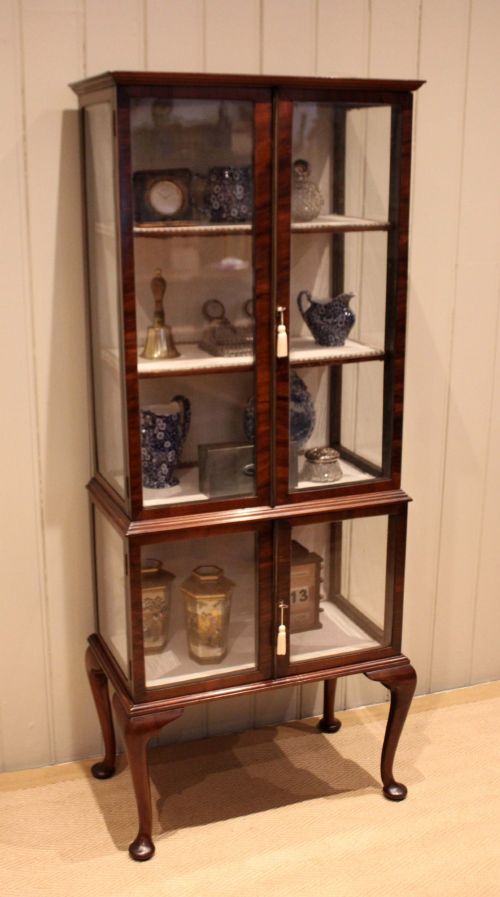
A vintage glass china case protects and exhibits prized ceramics within glazed wooden frames.
Vintage Glass China Case
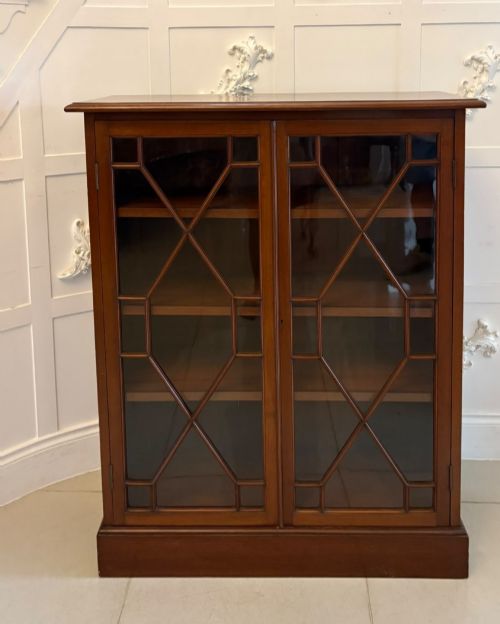
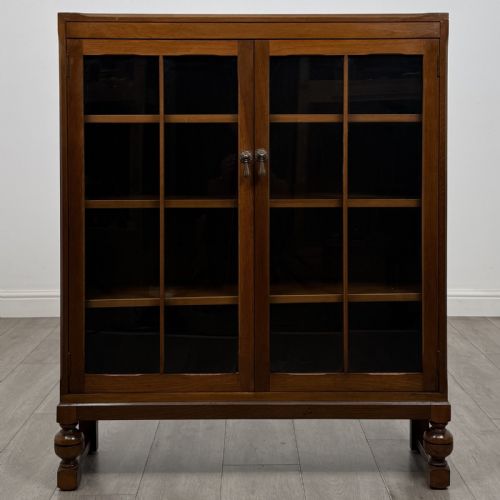
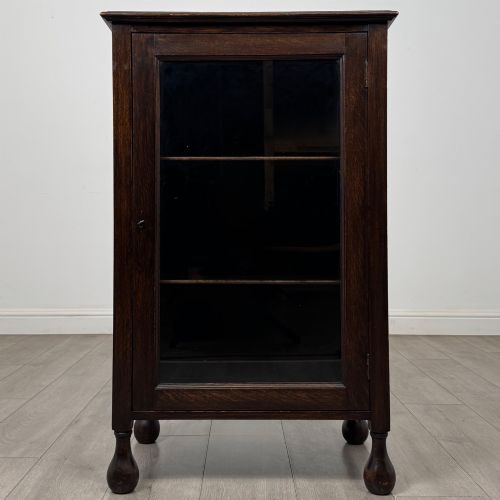
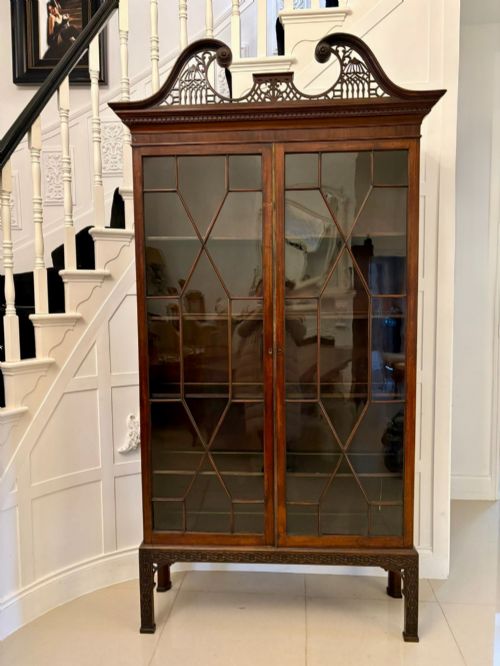
When you search for a vintage glass china case, you encounter glazed display furniture designed to showcase ceramics and glassware. The selections span periods from the nineteenth century through the Edwardian era and the nineteen-thirties.
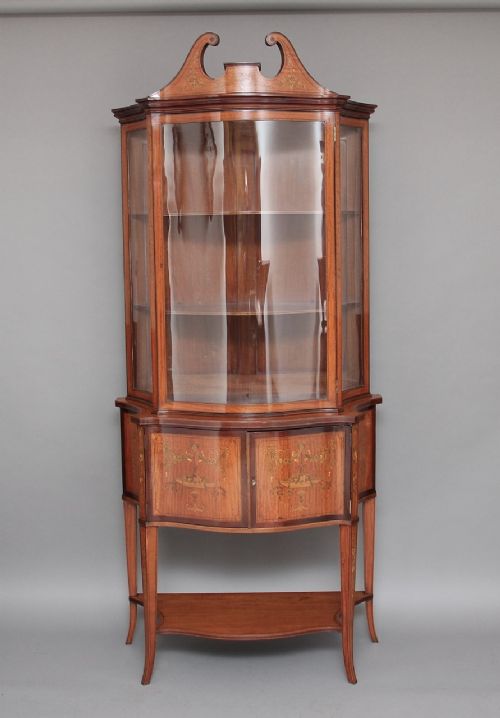
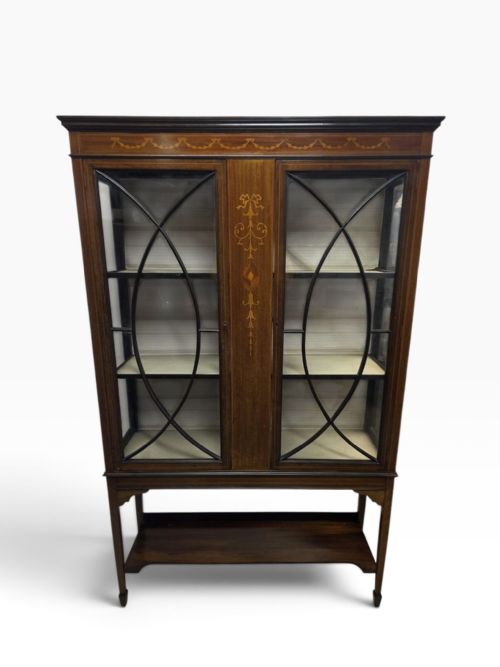
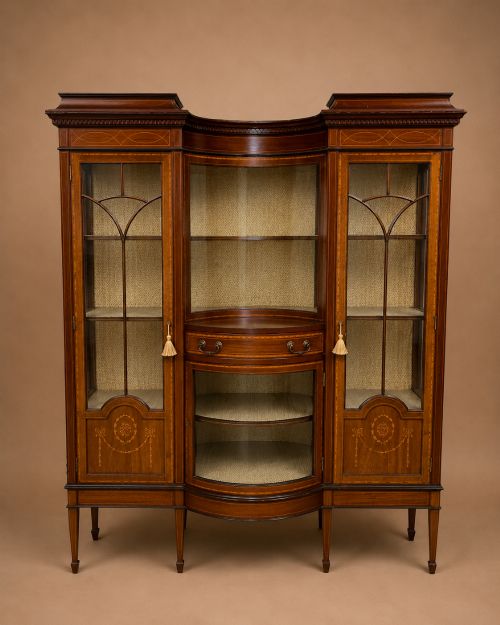
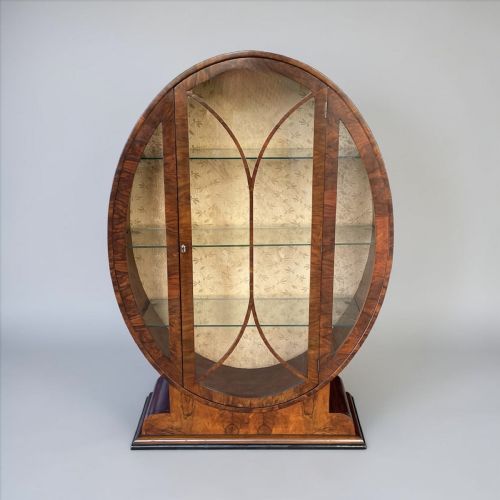
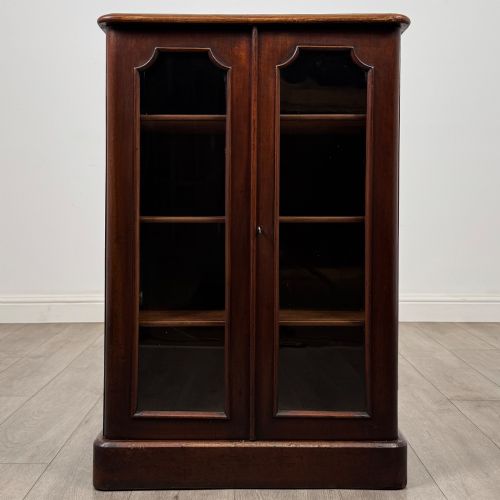
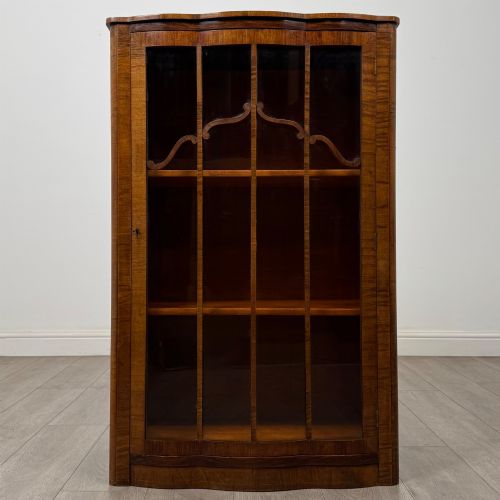
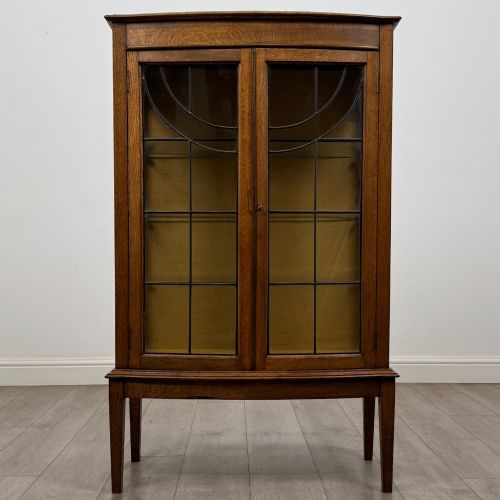
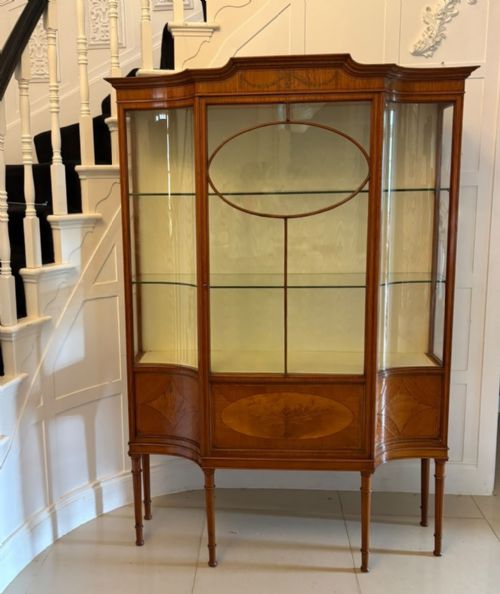
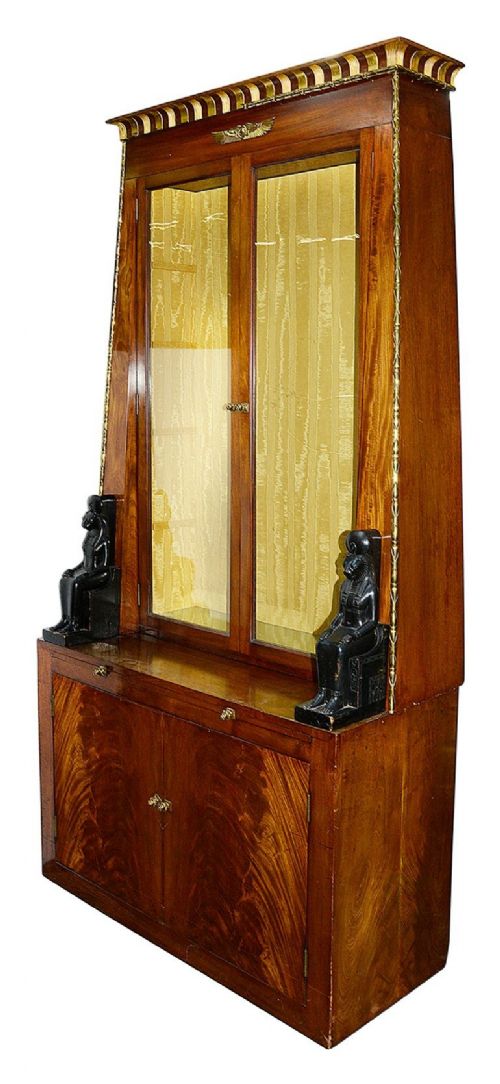
Edwardian mahogany display cabinets and Art Deco walnut pieces form the core of what you meet here. Forms range from upright glazed bookcases to circular vitrines and corner cabinets.
Origins include English workshops and continental revival styles, utilising timbers like mahogany, walnut, and oak. These cabinets serve to keep delicate porcelain visible yet secure behind glass doors.
How they were made
Cabinet makers constructed the primary carcases using solid and veneered timbers, predominantly mahogany, walnut, and oak, often reinforced with brass hardware. Satinwood inlay and intricate marquetry frequently decorate the exterior surfaces.
Glazing techniques involve fitted glass panels secured within wooden framing, sometimes incorporating leaded sections or astragal bars. Interiors occasionally feature fabric linings to complement the displayed china.
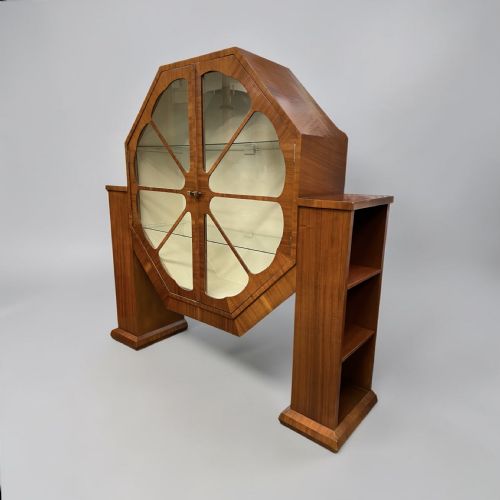
A clove-shaped Art Deco display cabinet from the nineteen-thirties offers an unusual curved silhouette for china.
What varies in quality
The selection of timber veneer determines much of the visual depth, with figured or burr walnut and carefully chosen mahogany elevating the appearance. The crispness of inlaid satinwood and carved details indicates the maker's skill.
Structural joinery and the integrity of the glazed doors separate standard production from superior examples. Original brass fittings and sound construction ensure the piece maintains its function and aesthetic.
Epstein
The Vintage Glass China Case Glossary
- Vitrine
- A glass-sided cabinet designed for displaying objects of curiosity or fine china. These pieces frequently feature glazed doors on multiple sides.
- Astragal
- Moulding profiles used to hold glass panes within a frame. They divide the glazed door into smaller geometric lights.
- Marquetry
- Decorative veneer work arranged in pictorial or geometric patterns. Craftsmen apply contrasting woods to the carcase surface.
- Burr walnut
- Timber taken from walnut tree growths that produces swirling grain patterns. Cabinet makers prize this material for decorative veneer panels.
- Sheraton Revival
- A late nineteenth and early twentieth century style emulating the classical furniture designs of Thomas Sheraton. These items often feature satinwood inlay and tapered legs.
Vintage Glass China Case: Frequently Asked Questions
What is a vintage glass china case?
A vintage glass china case is a glazed cabinet built to hold and display porcelain, ceramics, and glassware.
These furnishings emerged in various periods including the Edwardian era and the Art Deco thirties, utilising woods like mahogany and walnut.
How do I date a glass cabinet?
Dating relies on stylistic clues, construction methods, and materials present in the cabinet.
Edwardian pieces often feature mahogany with satinwood inlay, while nineteen-thirties examples display Art Deco geometry and burr walnut veneers.
Where were these cabinets placed?
These cabinets stood in formal dining rooms and drawing rooms to display valuable porcelain collections.
Corner units and slim vitrines also allowed them to fit into smaller domestic spaces while keeping contents visible.
Are the glass doors original?
Examining the glass panes helps determine if they retain their original character.
Older glass often exhibits slight imperfections, waviness, or thickness variations distinct from modern float glass.