


Vintage Glass Chandelier
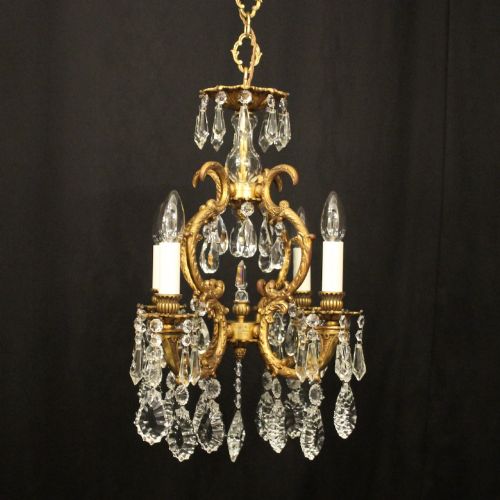
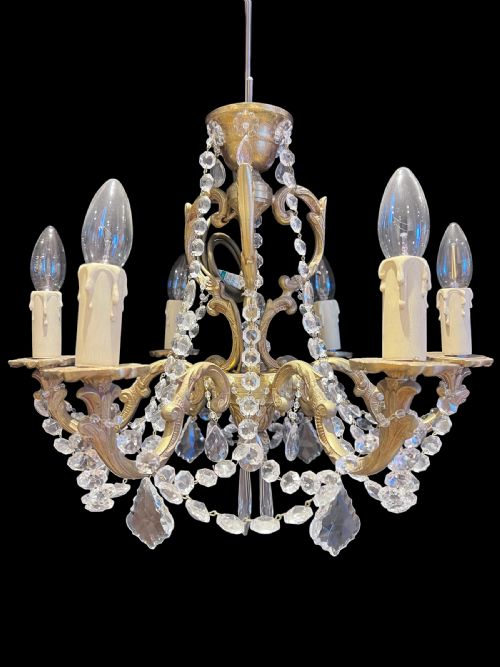
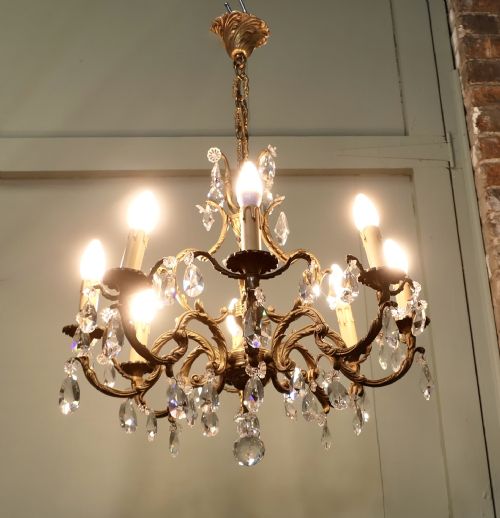
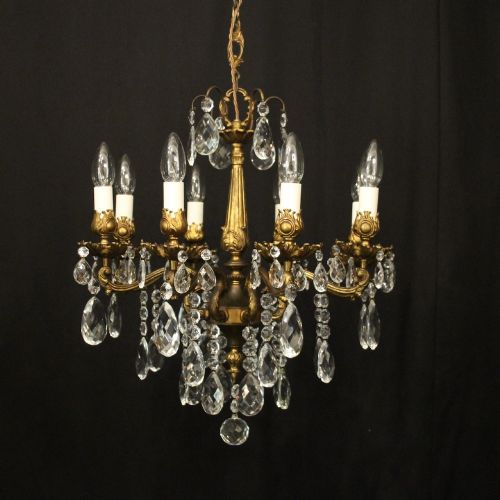
When you choose a vintage glass chandelier, you select a suspended light fixture that brings cut crystal and brass illumination to a room.
Vintage Glass Chandelier
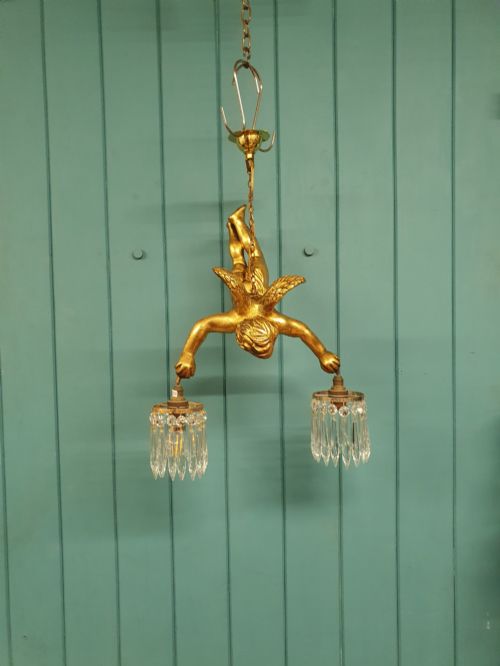
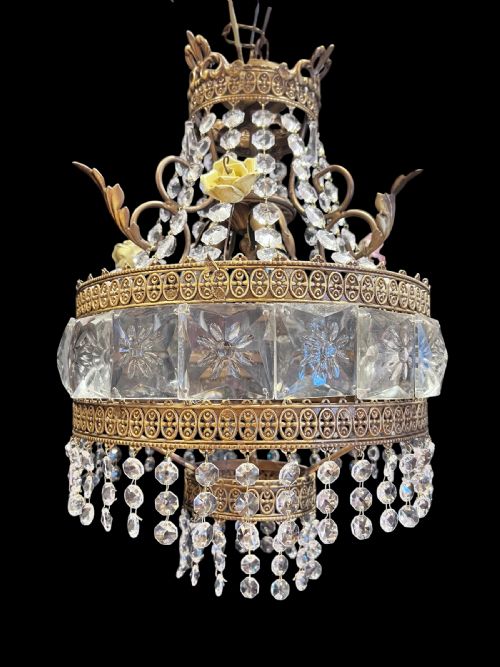
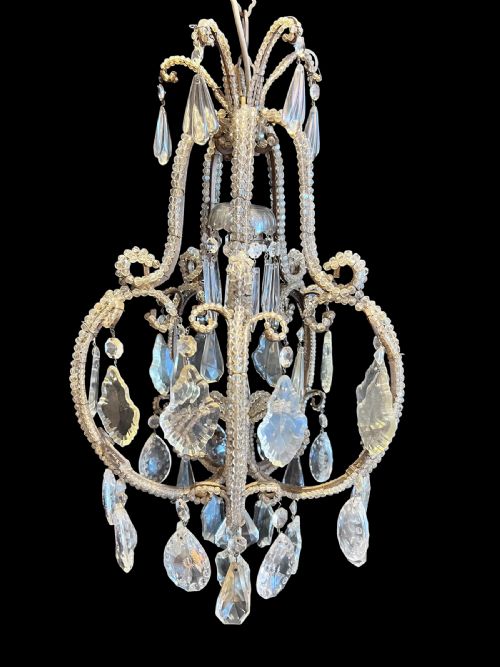
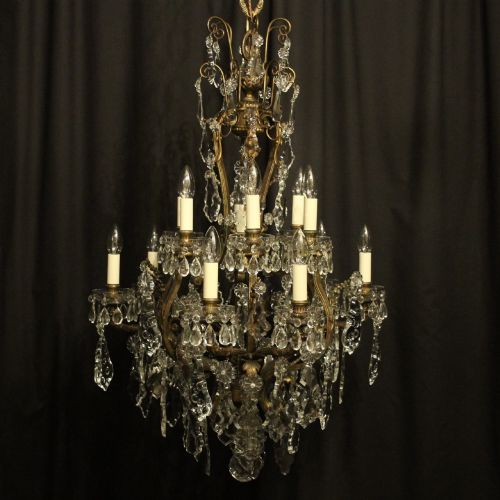
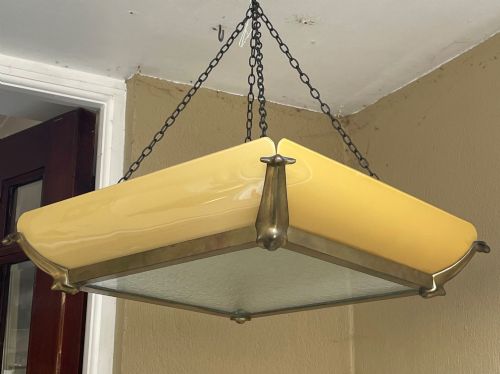
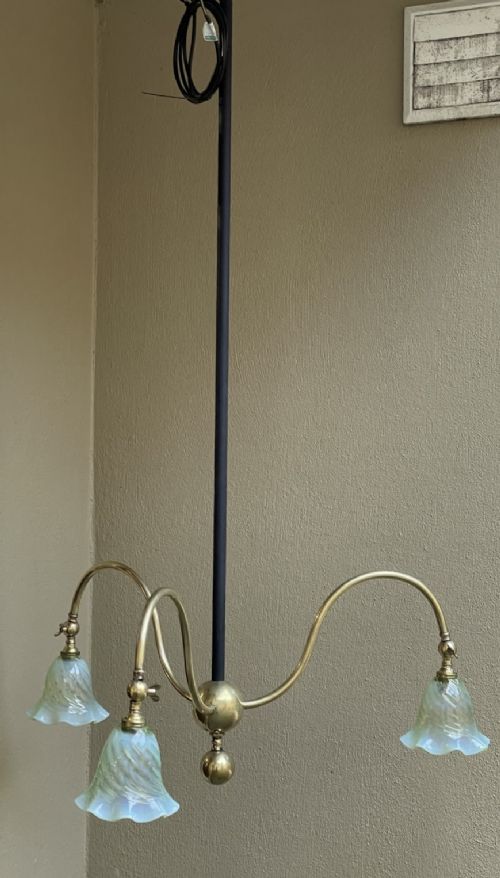
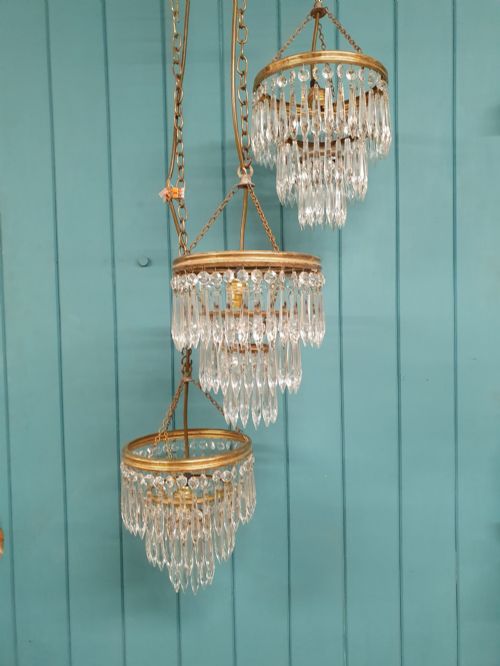
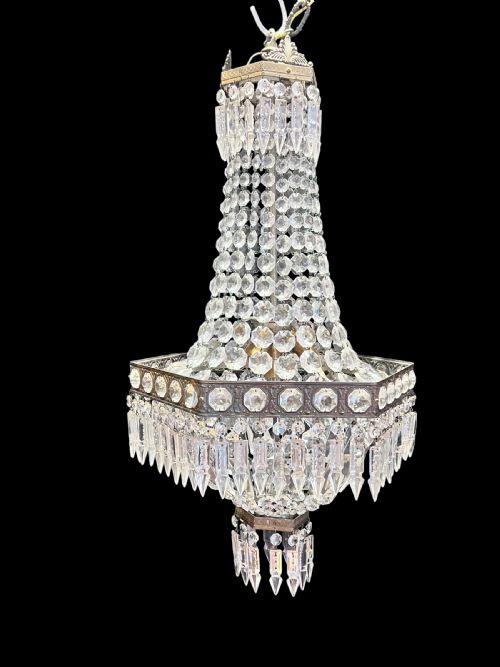
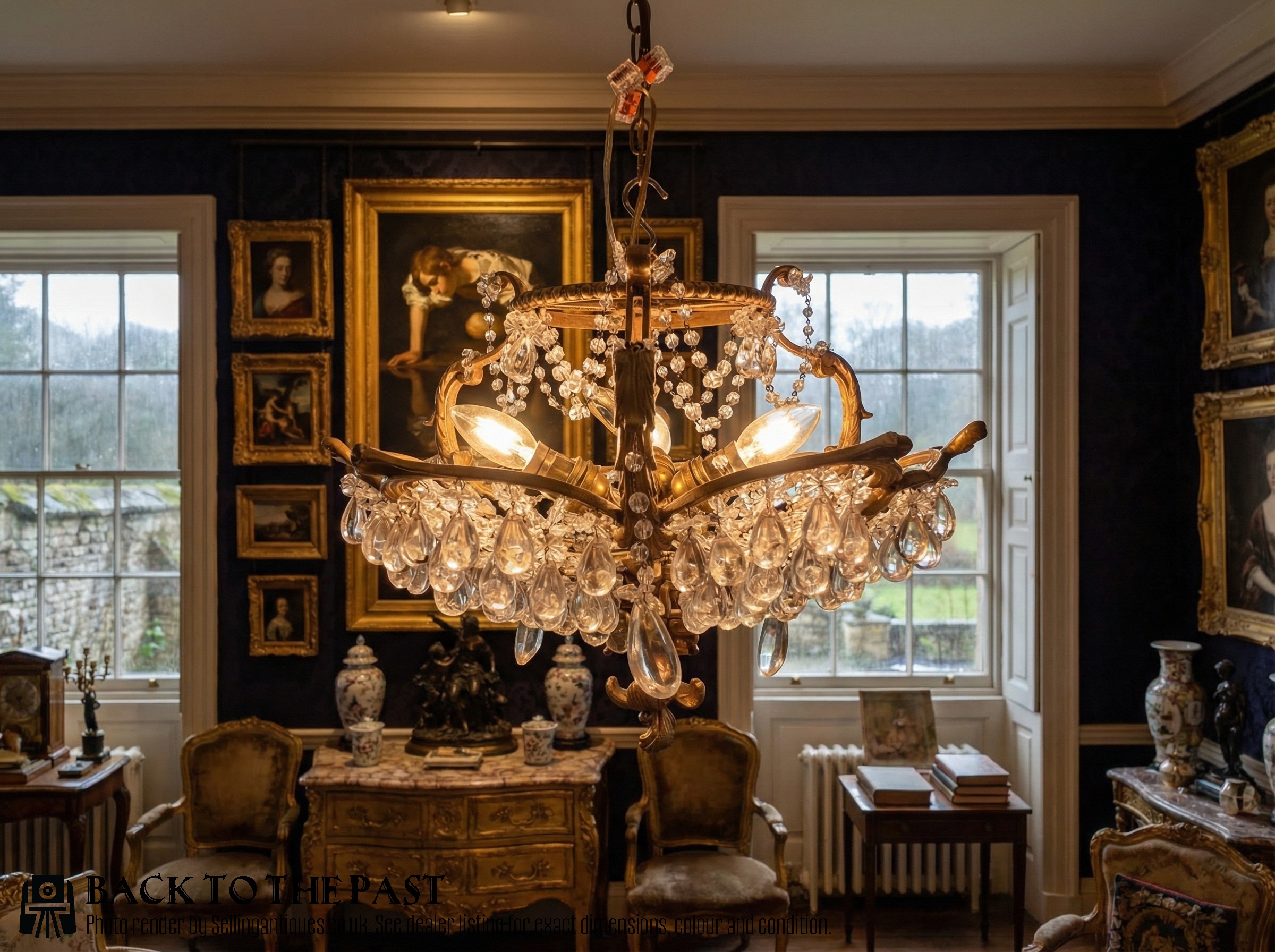
A vintage glass chandelier spans multiple decades, drawing on periods such as the Victorian era, Edwardian period, and the 1920s and 1930s. Buyers searching for a vintage glass chandelier encounter various forms, including basket designs, tent and waterfall configurations, and multi-light fixtures.
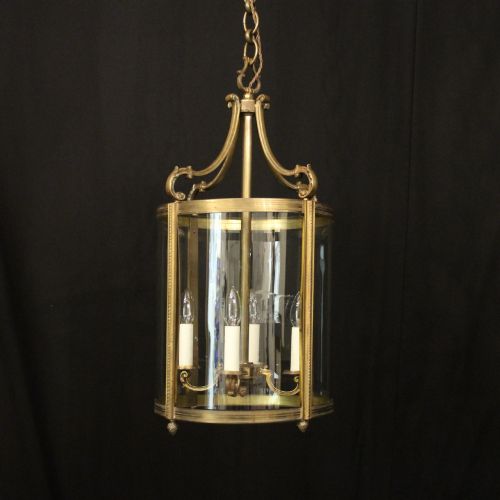
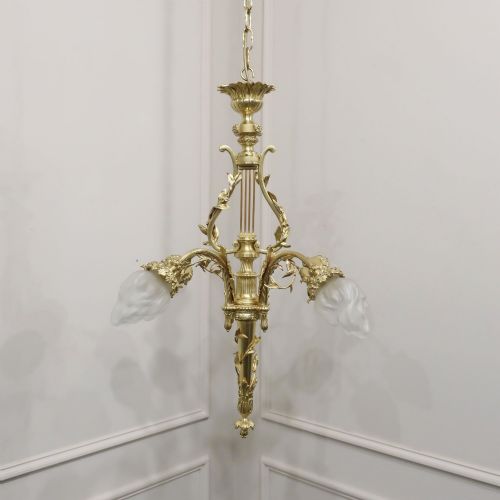
French influences dominate the selection, appearing alongside Italian styles, Arts and Crafts pieces, and Art Deco designs. Common variations include hall lanterns, pendant lights, and ceiling lights suspended from brass, gilt bronze, or metal frames.
Pieces range from single-light fixtures to large twelve-light arrangements decorated with crystal lustres, porcelain flowers, or opalescent shades. The selection reflects diverse European and British workshops operating from the late nineteenth century into the mid-twentieth century.
How they were made
Makers constructed these fixtures using metal frameworks of brass, gilt bronze, and gilded metal to support heavy glass elements. Workers shaped brass and bronze through casting and piercing techniques, creating structural branches and decorative lanterns.
Glass components required specialised cutting and moulding methods to produce the crystal drops, bevelled glass panels, and slip shades found on these lights. Artisans wired the metal and glass assemblies together, integrating components like porcelain flowers and beaded chains into the finished frames.
Vintage Glass Chandelier Retail Price Guide 2026
Typical asking prices for vintage glass chandelier among the pieces listed under this phrase on Sellingantiques today, from the lower quarter to the upper quarter. They describe what is for sale here now, not the wider market.
Manchester City Town Hall contributed an Arts and Crafts ceiling light to the heritage mix, illuminating municipal business with vintage style.
What varies in quality
Quality depends on the precision of the metal casting and the clarity of the glass or crystal components. Finer examples feature crisply chased bronze frames and deeply cut glass that refracts light effectively.
The complexity of the design also distinguishes tiers of production, separating simple single-light pendants from elaborate multi-tiered tent and waterfall chandeliers with extensive crystal beadwork.
Émile-Jacques Ruhlmann
The Vintage Glass Chandelier Glossary
- Tent and waterfall
- A chandelier style featuring an upper conical section of glass beads above a cascading arrangement of crystal drops. This form gained popularity in French lighting design.
- Plafoniere
- A ceiling-mounted glass bowl or shade held close to the ceiling by a metal frame. These fixtures often feature moulded or frosted glass characteristic of the Art Deco period.
- Hall lantern
- A pendant light enclosed in glass panels held within a metal framework. These pieces hung traditionally in entrance hallways and corridors.
- Spike chandelier
- A vertical central metal rod surrounded by radiating arms and glass drops. These compact fixtures appear frequently in early twentieth-century sizes.
- Cut glass
- Glass decorated by grinding facets into the surface using a wheel. This technique maximises the sparkle of crystal components under artificial light.
Vintage Glass Chandelier: Frequently Asked Questions
How do I hang a vintage glass chandelier?
Suspension requires a secure ceiling hook fixed to a ceiling joist capable of supporting the combined weight of the metal frame and glass components. Professional electrical installation ensures the internal wiring connects safely to the mains supply.
Height adjustment depends on room proportions and ceiling clearance. Installers usually position dining room fixtures above the table surface while ensuring adequate headroom in walkways.
What rooms suit a tent and waterfall chandelier?
These large tiered fixtures suit principal reception rooms and high-ceilinged entrance halls where their downward cascade of crystal receives adequate visual space. Their substantial drop requires generous vertical clearance to display the composition properly.
Smaller rooms benefit from compact spike chandeliers or flush plafonniers instead. These alternative formats provide ambient illumination without dominating low ceilings.
How do I clean a crystal chandelier?
Regular maintenance involves dusting the glass elements with a soft dry cloth or feather duster while the fixture remains suspended. For deeper cleaning, wiping individual crystal drops with a mild glass cleaning solution restores their refractive clarity.
Technicians often detach fragile glass lustres and brass components for thorough restoration work. Care must be taken to protect antique metal finishes from harsh chemical cleaners.
How can I tell an Edwardian chandelier from a 1930s piece?
Edwardian fixtures frequently utilise polished brass, elaborate scrolling frames, and traditional cut glass drops reflecting late nineteenth-century revival styles. Their construction leans towards formal classical motifs and ornate decorative metalwork.
Thirties pieces often adopt streamlined Art Deco geometries, slip shades, or geometric bronze frames. These later designs emphasise simplified silhouettes and frosted or moulded glass.