
Clear Crystal Light Fixture
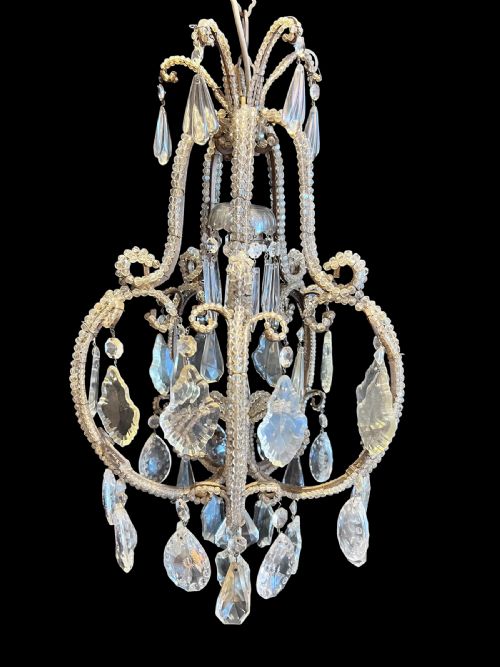
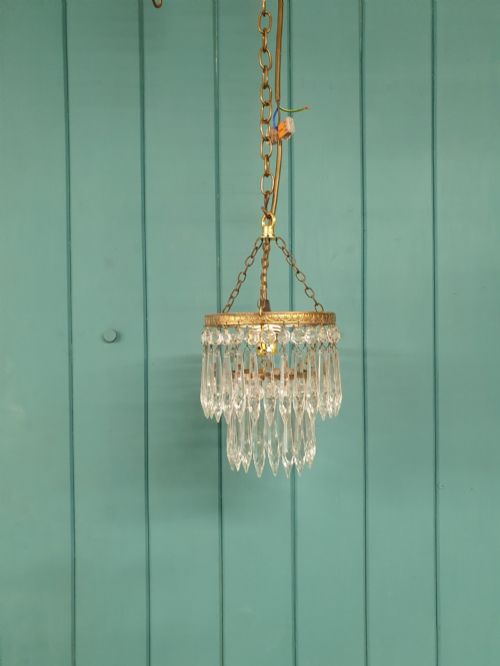
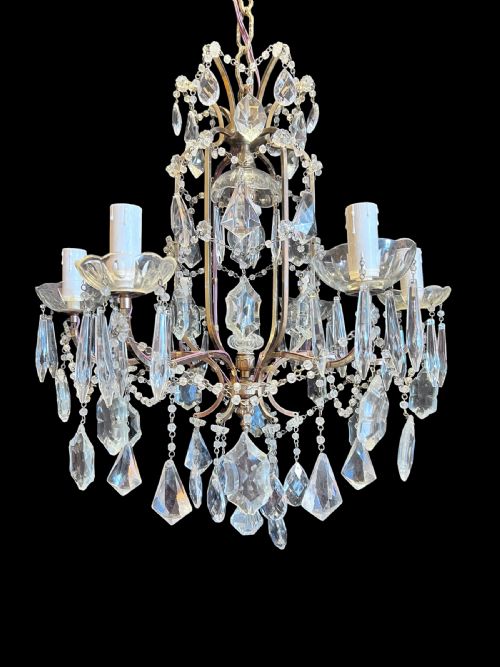
A clear crystal light fixture brings refracted sparkle and period elegance to a room, drawing the eye upwards through glass prisms and metallic mounts.
Clear Crystal Light Fixture
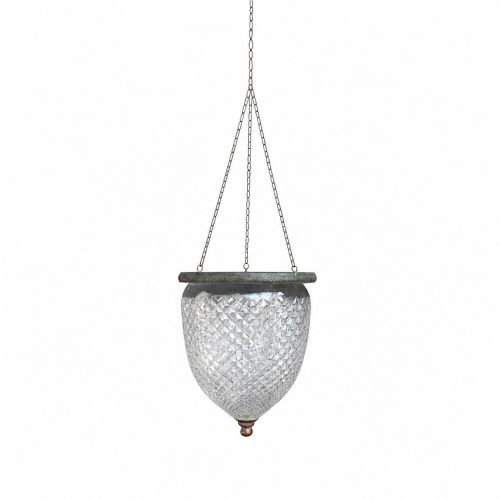
When you search for a clear crystal light fixture, you encounter a selection of hanging ceiling lights, chandeliers, plafonniers and lamps designed to illuminate interiors with polished brilliance. The pieces span from the nineteenth century through the Edwardian era and into the nineteen-fifties, capturing diverse stylistic movements.
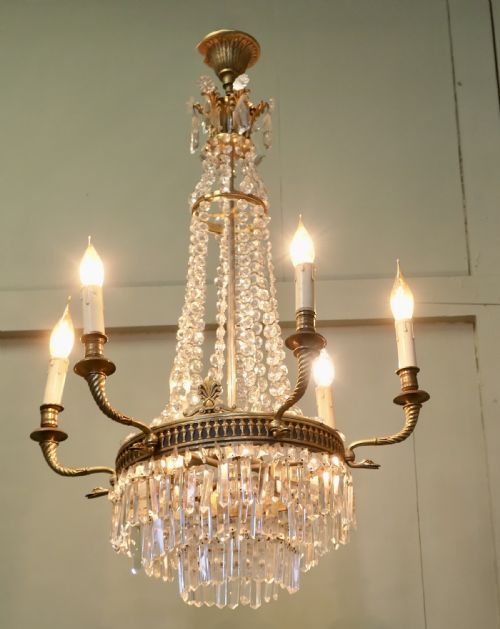
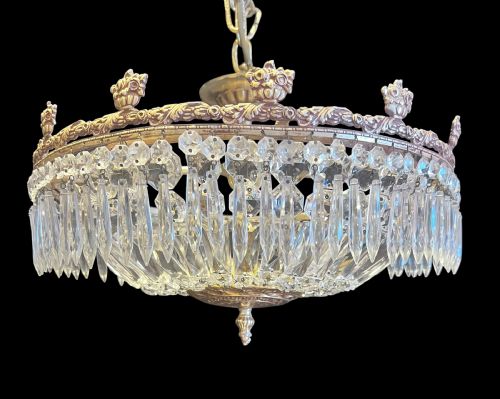
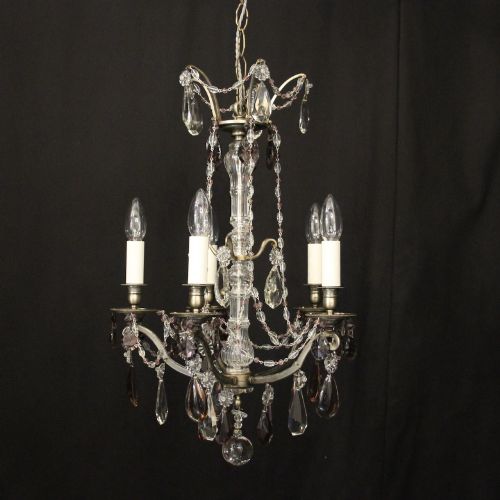
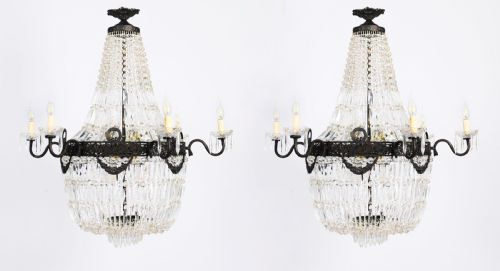
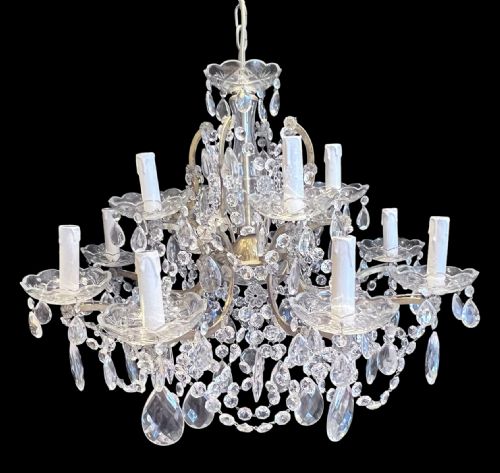
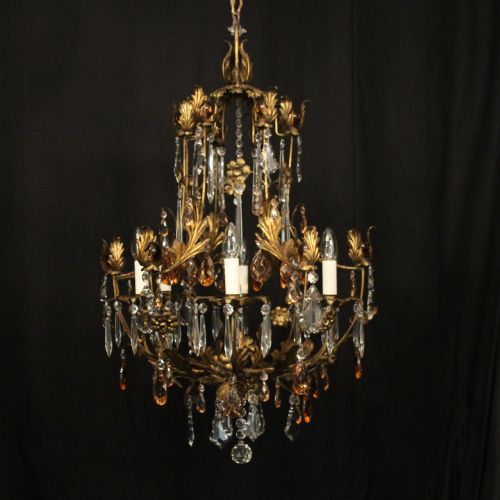
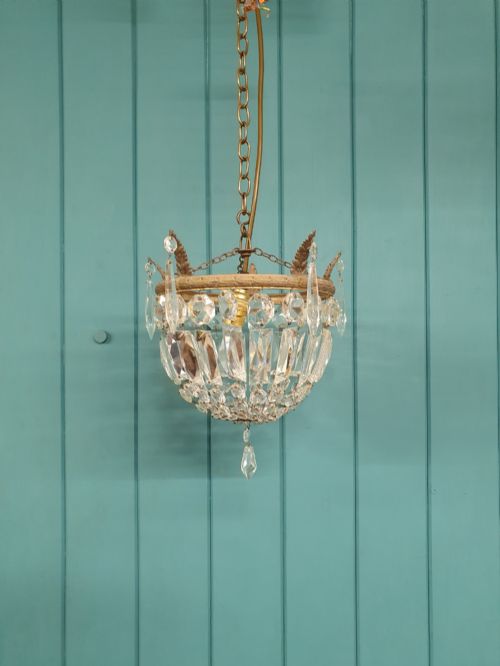
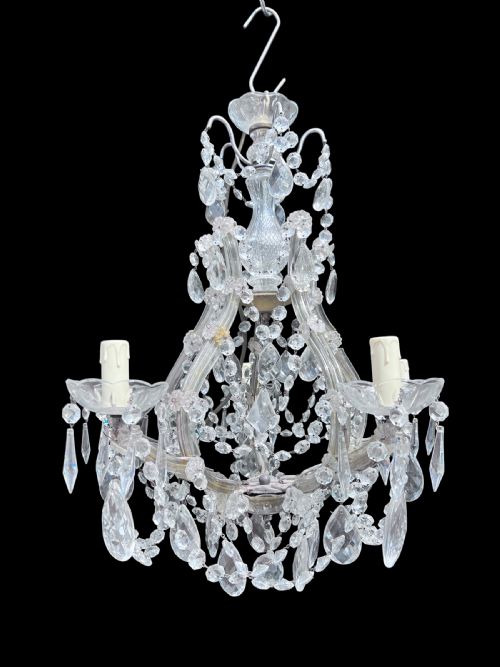
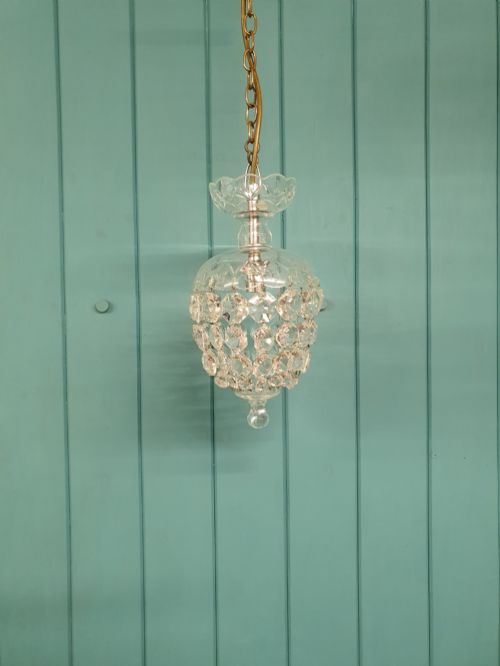
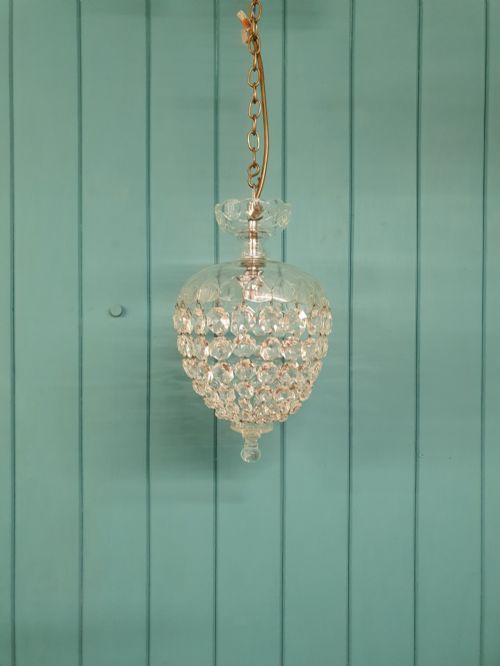
The most common forms on this page include multi-branch chandeliers, tent and waterfall configurations, and ceiling-mounted plafonniers. These objects frequently incorporate decorative glass drops, beads and prisms suspended from metal frameworks.
Origins stretch across European traditions, with French, Italian, Swedish and English workshops dominating the selection. Stylistic influences range from French Empire and Italian Rococo to Art Deco and Edwardian designs.
How they were made
Manufacturers built the primary structural frames using brass, bronze and metal, often employing silver or gold gilding to enrich the visible surfaces. Glass and cut crystal components were then wired or pinned directly to these metal armatures.
Artisans shaped the hanging elements through cutting, moulding and polishing glass to maximise light refraction. Specific prismatic forms, such as coffin prisms and teardrop drops, were hand-assembled to create dense curtains of crystal.
Certain early twentieth-century examples incorporate tiny glass acorns among their crystal drops.
What varies in quality
The refinement of the metalwork and the precision of the glass-cutting determine the upper tier of these fixtures. Heavier cast brass frames and deeply faceted cut crystal demonstrate superior manufacturing standards compared to simpler pressed glass alternatives.
Proportion and structural complexity also differentiate the range, as seen in elaborate tent and waterfall formations with numerous branches against single-light ceiling fixtures.
The Clear Crystal Light Fixture Glossary
- Plafonnier
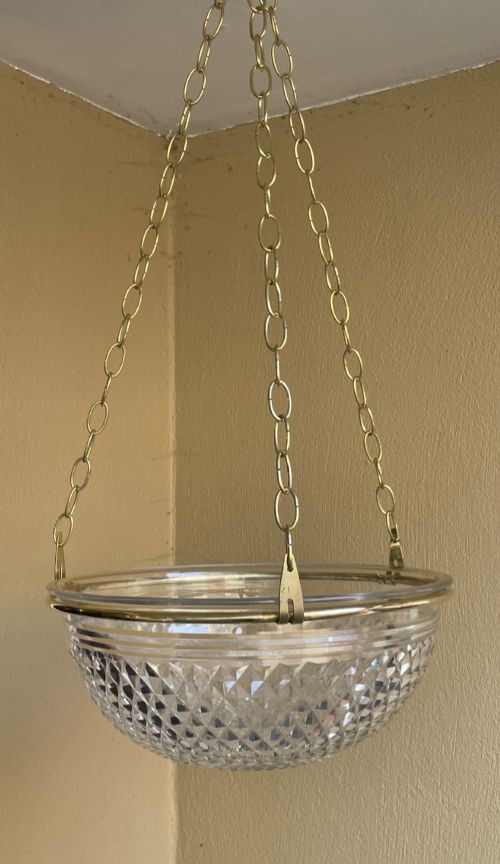
- A ceiling-mounted light fixture that sits close to the surface, often featuring a glass or crystal bowl contained within a metal mount.
- Tent and waterfall
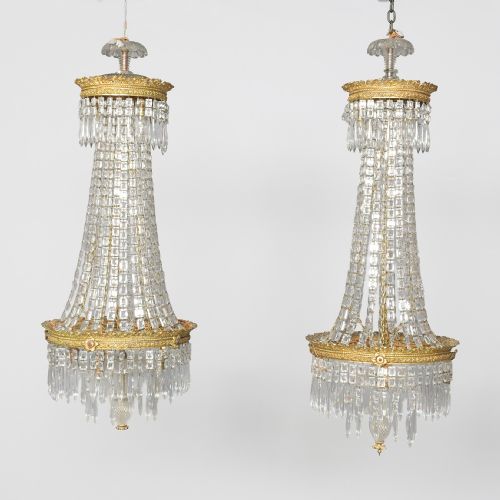
- A chandelier configuration where strings of crystal beads form an upper tent shape that flows down into a cascading waterfall of drops.
- Coffin prism
- A long, flat-faced, wedge-shaped glass pendant suspended from chandeliers to refract light.
- Marie Theresa
- A specific style of flat-strap chandelier originating from Austrian and Italian traditions, characterised by overlapping glass arms and intricate crystal festoons.
- Bag chandelier
- A lighting form where tightly gathered crystal drops create a pouch or bag silhouette beneath the frame.
Clear Crystal Light Fixture: Frequently Asked Questions
How do I hang a crystal chandelier?
Suspension requires securing the fixture to a ceiling joist or appropriate load-bearing bracket using a sturdy chain and canopy. Professional electrical installation ensures the weight of the metal and glass is safely supported.
Heavier multi-branch designs demand reinforced ceiling fixings, while lighter plafonniers attach directly to standard junction boxes.
What rooms suit a plafonnier?
Plafonniers work well in spaces with lower ceiling heights where a hanging chandelier would obstruct movement. Hallways, bedrooms and smaller reception rooms benefit from their flush-mounted profile.
These fixtures provide direct overhead illumination while maintaining the decorative sparkle of cut glass.
How do I clean crystal light fixtures?
Maintenance involves gently wiping individual glass drops and prisms with a lint-free cloth dampened in a mild cleaning solution. Leaving the components attached to the frame prevents accidental breakage during cleaning.
Regular dusting preserves the refractive quality of the cut glass without disturbing the wire fixings.
What defines French Empire style?
French Empire lighting incorporates classical architectural motifs, often using gilded bronze or brass mounts paired with elaborate tent and waterfall crystal arrangements. These pieces project formal grandeur and symmetry.
Originating in the nineteenth century, the style reflects neoclassical influences adapted for interior illumination.