

Vintage Gilt Clock
A vintage gilt clock brings warmth and metallic brilliance to a mantelpiece, offering the timeless ticking of brass, ormolu and gilt bronze.
Vintage Gilt Clock
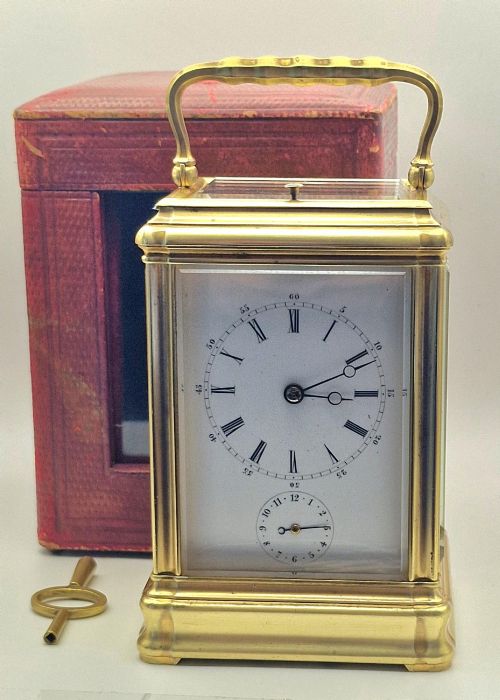
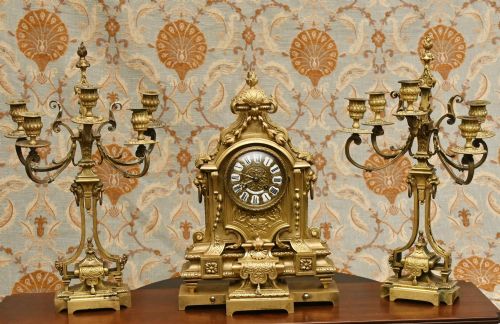
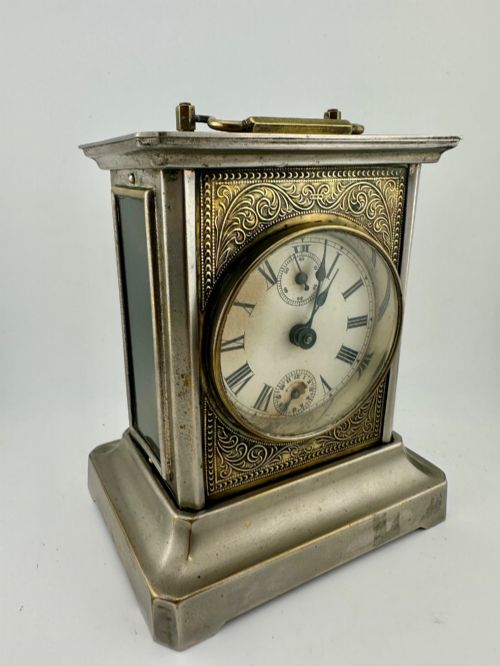
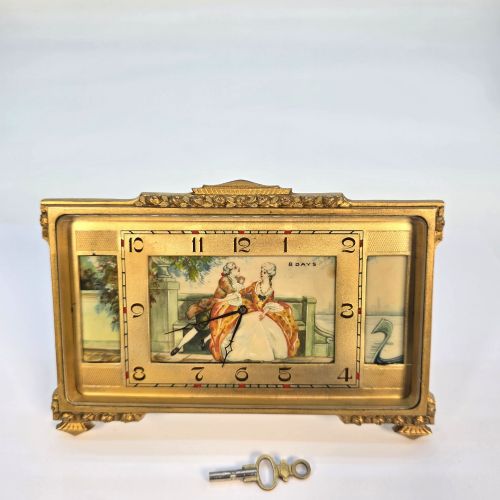
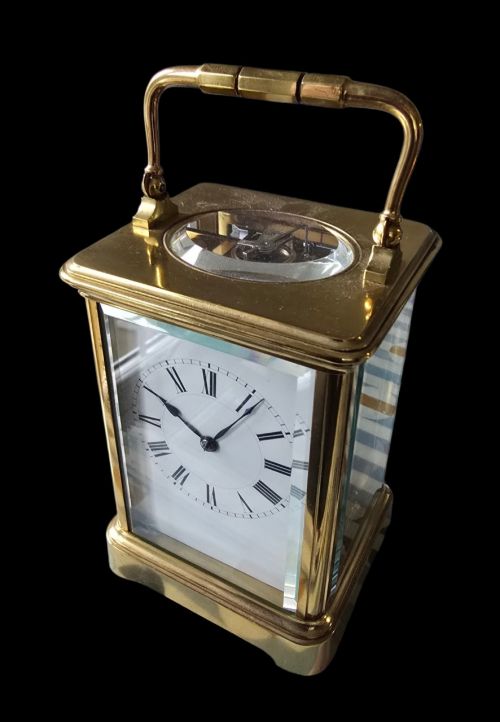
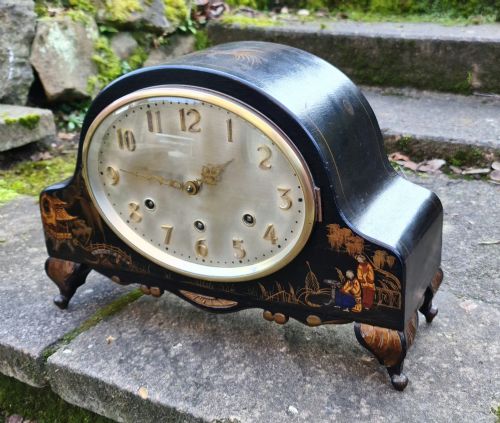
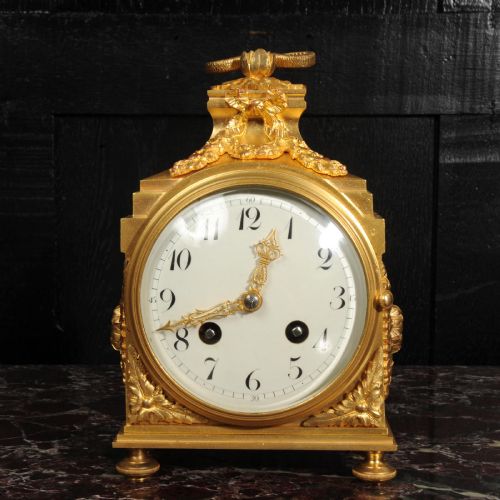
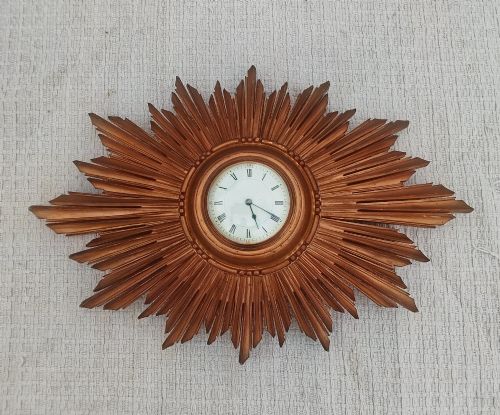
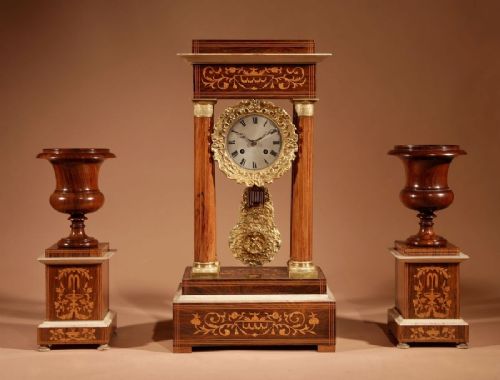
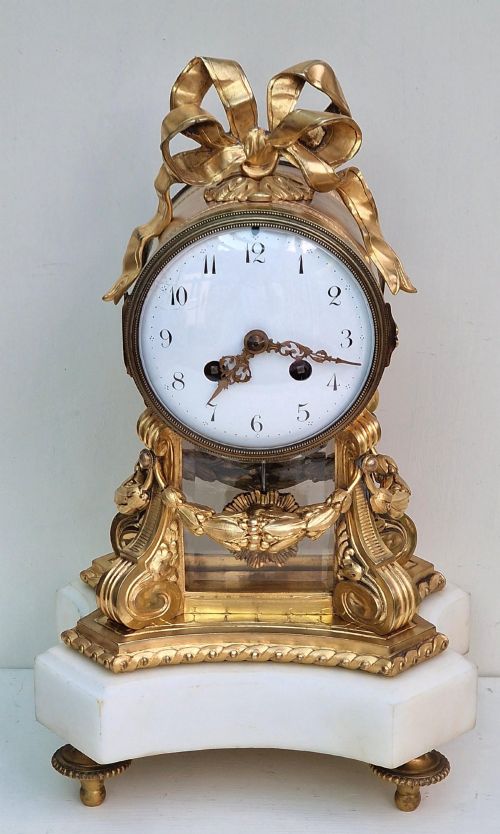
When searching for a vintage gilt clock, a buyer encounters a diverse selection ranging from nineteenth century French carriage clocks to twentieth century Art Deco wall timepieces. These items span periods from the Victorian era through the nineteen-twenties and nineteen-thirties, incorporating styles such as Louis XVI, French Rococo Revival and Chinoiserie.
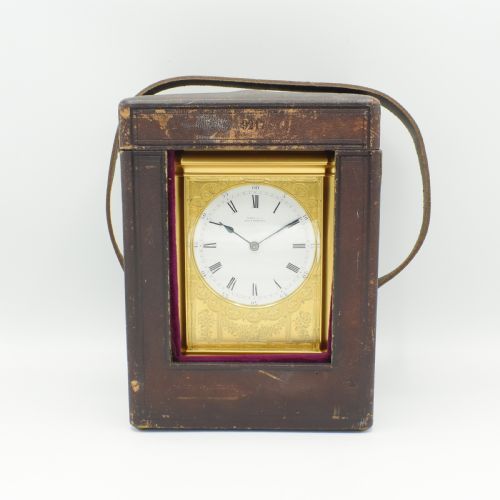
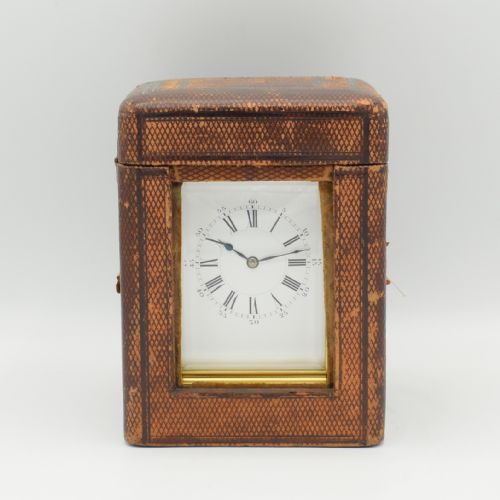
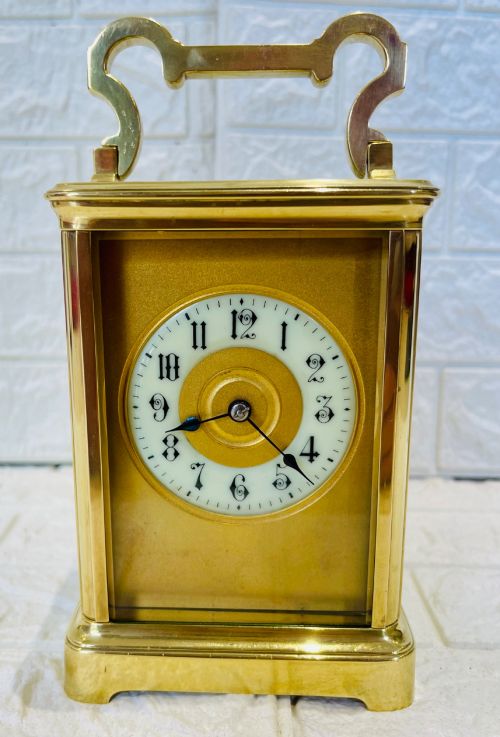
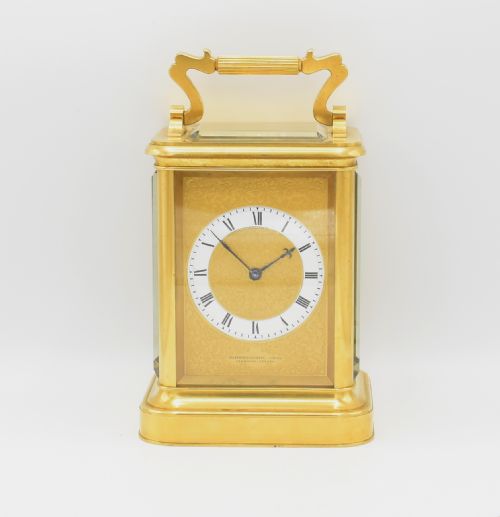
The most common forms on this page include portable carriage clocks housed in glass and brass cases, grand mantel clocks, and striking wall clocks. Pieces frequently originate from French workshops or British makers, appearing alongside specialised items like portico clocks and clock garnitures.
How they were made
Maker workshops utilised heavy brass, gilt bronze, ormolu and giltwood to form the structural cases, often combining these metals with glass panels to expose the internal mechanical movements. Enamel dials, porcelain mounts and painted decorations provide the contrasting white and coloured faces seen across these timepieces.
Advanced techniques included fire gilding, champleve enamel work and fine case engraving, complemented by leather travel cases for portable designs. Movements were engineered for eight-day running, repeating strikes and chime functions.
Vintage Gilt Clock Retail Price Guide 2026
Typical asking prices for vintage gilt clock among the pieces listed under this phrase on Sellingantiques today, from the lower quarter to the upper quarter. They describe what is for sale here now, not the wider market.
Listings feature materials spanning gilt brass, gilt bronze, ormolu, glass, enamel, leather and marble across the nineteenth and twentieth centuries.
What varies in quality
The distinction between standard and exceptional pieces rests upon the crispness of the cast metal ornamentation and the depth of the gilding on the bronze or brass surface. Hand-engraved detail on carriage clock cases and the presence of signed mechanical movements separate ordinary production from superior examples.
Integrity of the original components, including matching travel cases, undamaged enamel dials and fully restored working mechanisms, determines the standing of an individual clock within its period.
Henri Jacot·Goldsmiths Alliance Ltd·Smiths·Brunelot
The Vintage Gilt Clock Glossary
- Ormolu
- Finely ground high-carat gold applied to a bronze base using a mercury amalgamation technique. This historic process creates a durable, warm metallic lustre characteristic of French decorative arts.
- Carriage clock
- A small, portable spring-driven timepiece designed for travel, typically featuring a brass frame fitted with bevelled glass panels. These clocks often include a folding handle on top.
- Garanture
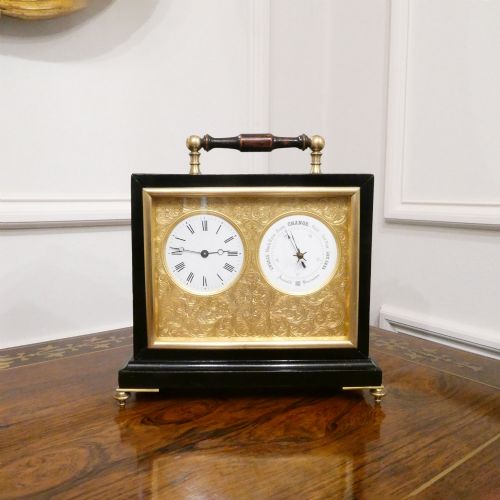
- A set consisting of a central clock flanked by matching decorative objects such as urns, candelabra or barometers. Such matched groupings were designed to adorn a mantelpiece as a cohesive decorative scheme.
- Champleve
- An enamelling technique where troughs or cells are hollowed out of a metal surface and filled with vitreous enamel paste before firing. The resulting design displays coloured patterns flush with the surrounding metal.
Vintage Gilt Clock: Frequently Asked Questions
How do I wind a vintage gilt clock?
Most mechanical pieces require a specific winding key inserted into the dial or backplate holes to tension the mainspring.
Care must be taken not to overwind the mechanism, stopping as soon as resistance is felt.
Where should I place a carriage clock?
These portable timepieces sit securely on flat, level surfaces such as mantelpieces, desks or bedside tables where their glass panels can catch the light.
Protection from direct sunlight and heavy vibrations helps preserve the delicate internal escapement.
How do I identify a French clock?
French examples often feature distinctive case styles like Portico or Rococo Revival, alongside makers' stamps on the brass movement plates.
Enamel dials and gilt bronze or ormolu mounts further indicate nineteenth-century French manufacture.
Can these clocks be repaired?
Professional horologists can service and restore vintage movements, bushings and escapements to ensure accurate timekeeping.
Original components and signed movements should be preserved carefully during any restoration work.