
Vintage Gilt Bronze Lights
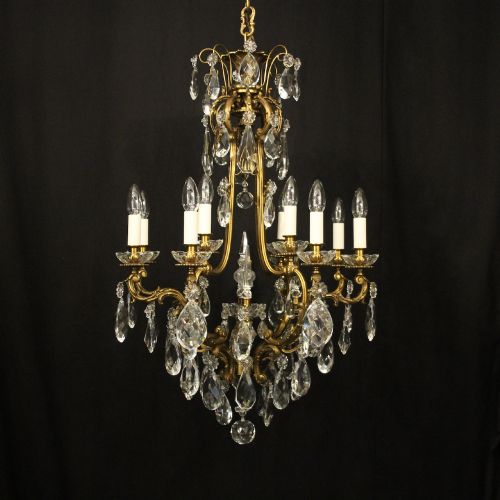
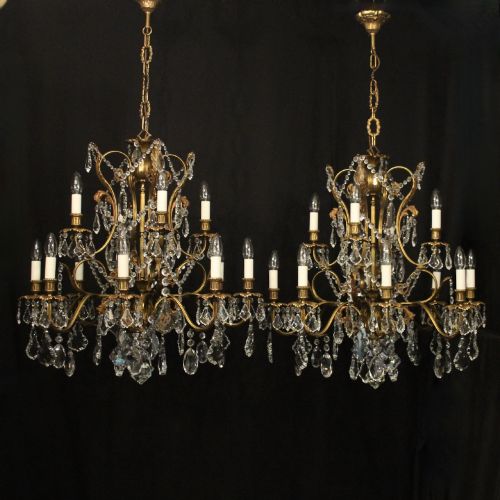
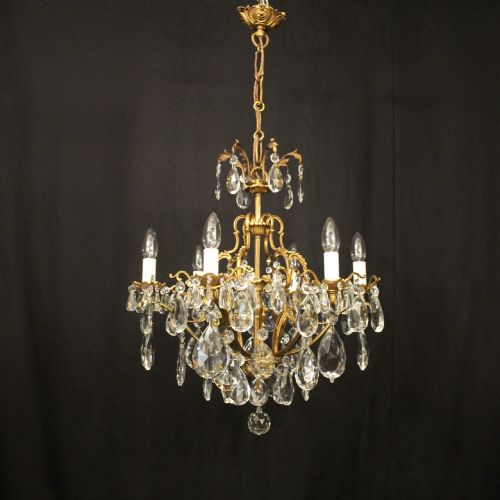
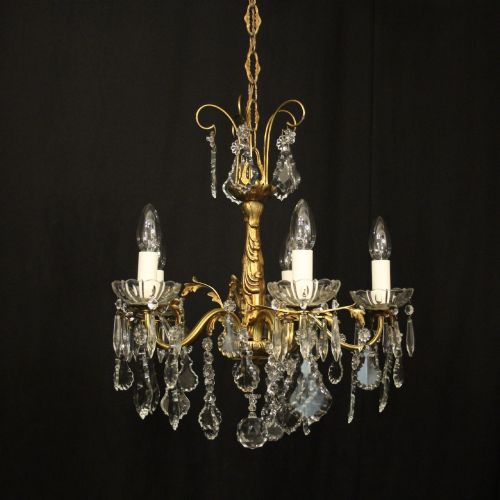
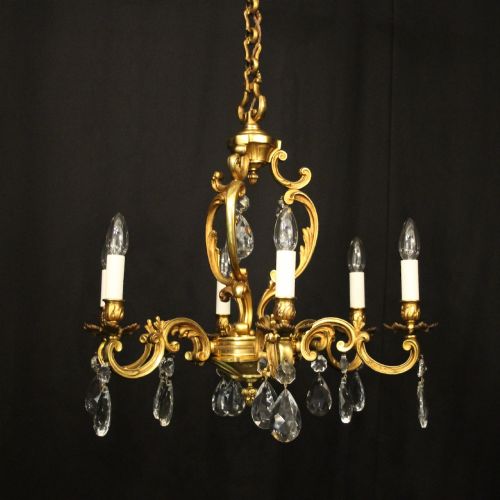
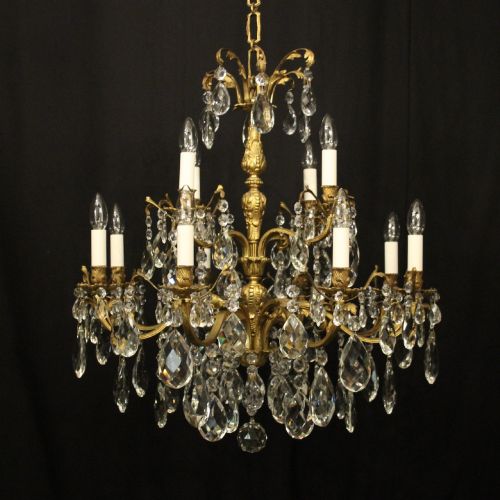
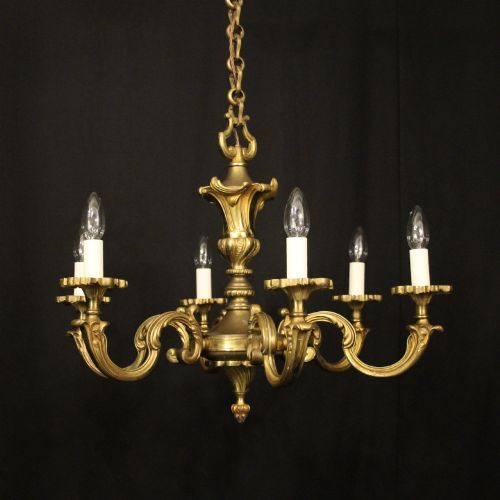
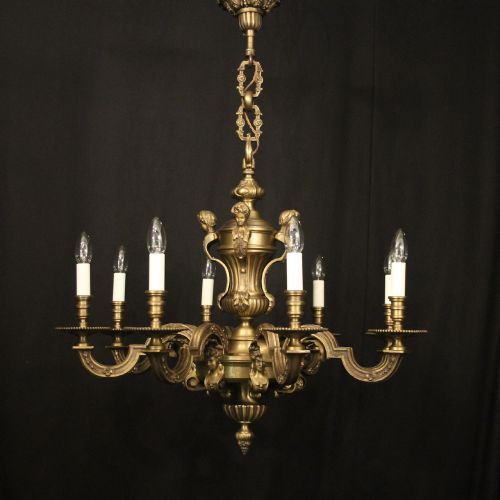
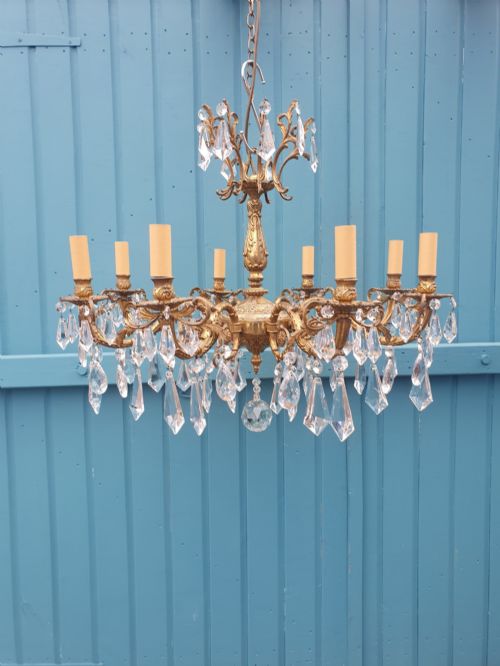
Vintage gilt bronze lights bring heavy French chateau grandeur into a room, combining cast metal and crystal with unmistakable nineteenth and twentieth century presence.
Vintage Gilt Bronze Lights
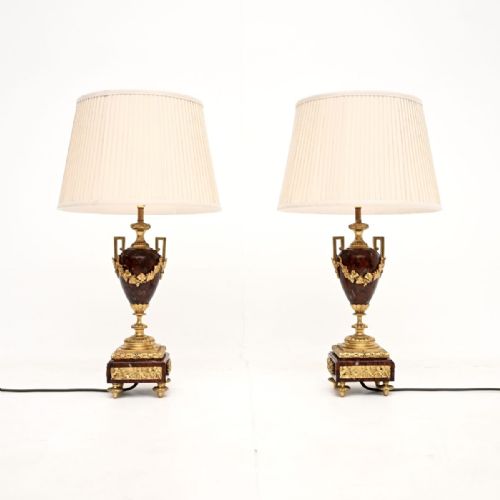
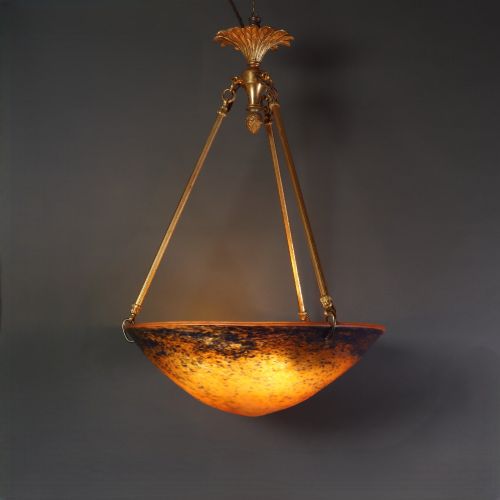
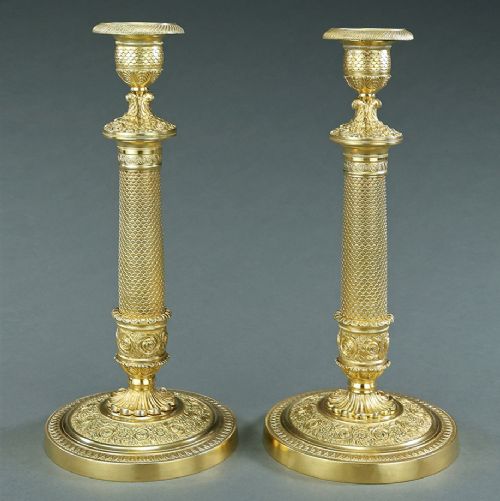
Vintage gilt bronze lights encompass grand multi-arm chandeliers, wall sconces, table lamps and hall lanterns originating largely from French workshops across the nineteenth and early twentieth centuries. A buyer searching this phrase encounters pieces styled in the manner of Louis XVI, French Empire and Rococo Revival, spanning periods from the eighteen-eighties to nineteen-thirty.
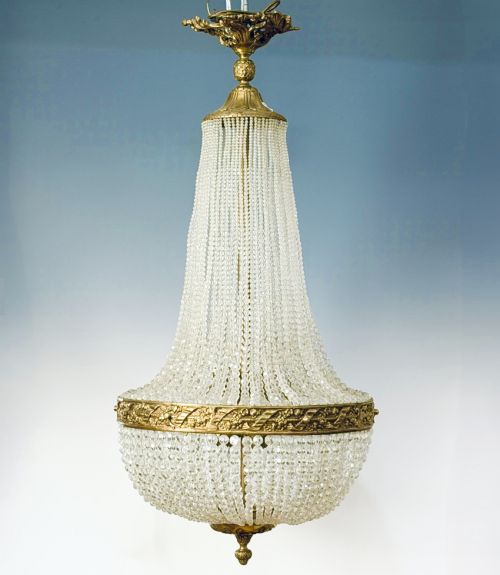
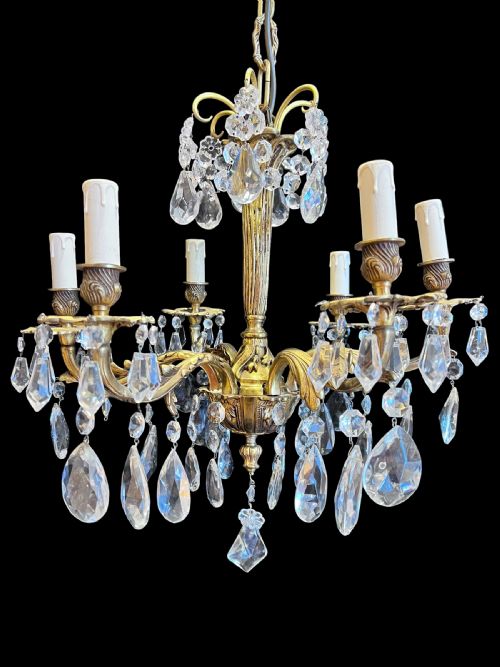
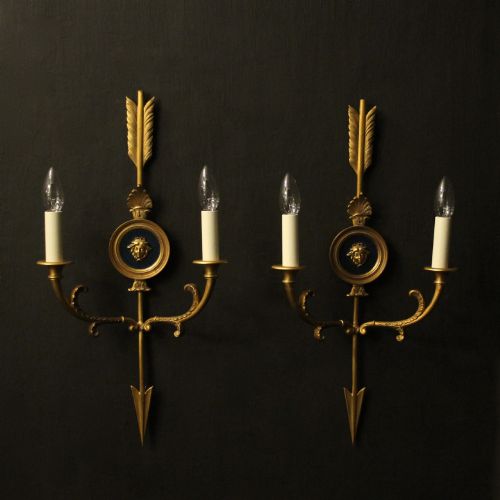
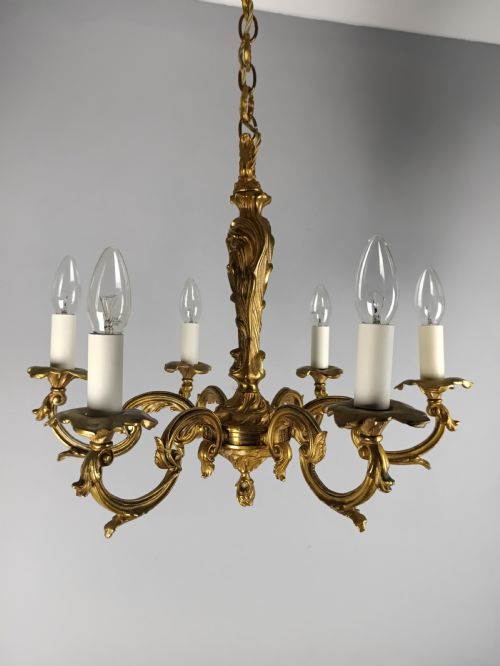
The most common forms on this page are French multi-light chandeliers and matched pairs of twin-arm wall lights, often incorporating crystal drops, glass shades or onyx bases. These pieces reflect historic interior aesthetics, moving from nineteenth century neoclassical restraint toward elaborate birdcage and tent designs in the nineteen-twenties.
Materials and Construction
Makers cast metal using traditional foundry methods, employing gilt bronze, ormolu, brass and gilded metal to form structural frames, arms and decorative mounts. These metal elements are frequently combined with cut glass crystal drops, marble, onyx and porcelain inserts to catch and reflect light.
Surface gilding is applied through mercury or fire-gilding techniques on older pieces, alongside later electroplating methods that impart a bright golden sheen to the bronze or brass substrate. Structural components are assembled using threaded rods, pins and screws, supporting delicate glass elements and wiring adapted for modern use.
Listings span periods from eighteen-fifty to nineteen-thirty, uniting French neoclassical, empire and rococo revival styles across bronze, brass and crystal.
Quality and Execution
Quality rests in the crispness of the metal chasing and the depth of the casting work, where superior examples display sharp botanical motifs, cherubs or classical drapery hand-finished by skilled artisans. Lesser pieces exhibit softer surface detail and simpler mechanical joints where arms meet the central body.
The choice of secondary materials dictates overall weight and presence, with genuine ormolu and heavy gilt bronze outlasting lighter brass or gilt metal alternatives. Original crystal components and integrated porcelain or onyx sections further separate standard production items from exceptional decorative commissions.
E Rousseau·Casier
The Vintage Gilt Bronze Lights Glossary
- Ormolu
- Finely chased gilded bronze produced by applying a mercury-gold amalgam to a copper-alloy base. This historic technique creates a deep, warm metallic lustre that resists tarnishing over centuries.
- Champlevé
- An enamelling technique where troughs are hollowed out of a metal surface and filled with vitreous paste before firing. It appears on nineteenth-century table lamp bases and decorative mounts.
- Chandelier
- A branched suspended lighting fixture designed to hold multiple candles or bulbs. Examples range from simple birdcage frames to tent-and-waterfall configurations hung with crystal.
- Sconce
- A wall-mounted lighting fixture with one or more arms projecting forward to illuminate room perimeters. These pieces are frequently found in matched pairs matching a larger central chandelier.
- Spelter
- A zinc alloy used as a less costly substitute for bronze in decorative figures and lamp bases. It takes a surface bronze or gilt finish quite readily.
Vintage Gilt Bronze Lights: Frequently Asked Questions
How do I clean gilt bronze?
Dust these pieces gently with a soft dry brush to protect the delicate surface gilding from abrasion. Moisture and chemical cleaners strip historic finishes, so professional conservation is advised for heavy grime.
Avoid rubbing or using abrasive metal polish on ormolu or gilded surfaces. Gentle maintenance preserves the original patination built up over decades.
Are these lights rewired for modern use?
Many vintage chandeliers and wall lights arrive with old wiring that requires updating to meet current electrical safety standards. A qualified electrician can easily adapt internal channels for modern fittings.
Rewiring should preserve original sockets and structural hardware where possible. This ensures the antique integrity remains intact while providing safe domestic illumination.
How do I identify French Empire style?
French Empire pieces draw heavily on classical Roman, Greek and Egyptian motifs, featuring symmetrical lines, laurel wreaths and mythological figures. Ormolu mounts contrast sharply with dark patinated bronze or bright gilding.
This style flourished during the early nineteenth century and saw revivals later in the eighteen-eighties. The resulting fixtures project an imposing, architectural presence in any interior.
Can I hang a heavy chandelier safely?
Large gilt bronze and crystal chandeliers require direct ceiling joist support rather than standard plaster fixings. The substantial weight of cast metal and glass demands professional installation using rated steel hooks.
Load-bearing capacity must be verified before hanging multi-light fixtures. Consulting a structural specialist prevents damage to historic ceilings and ensures safe suspension.