

Vintage Gesso Mirror
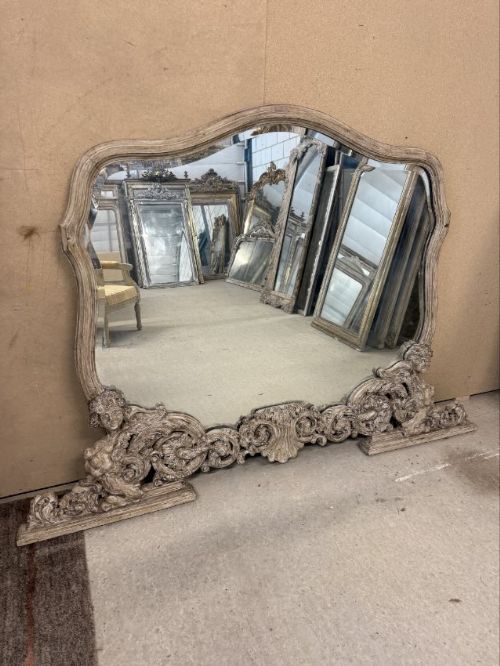
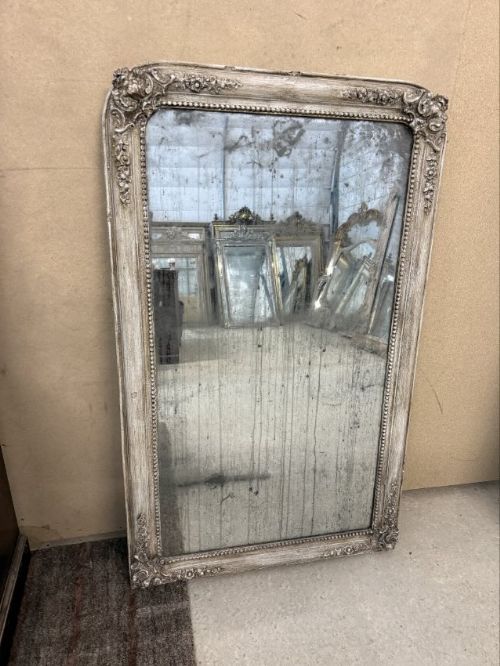
A vintage gesso mirror brings reflective depth and moulded relief to a room, drawing the eye with carved wood and plaster surfaces.
Vintage Gesso Mirror
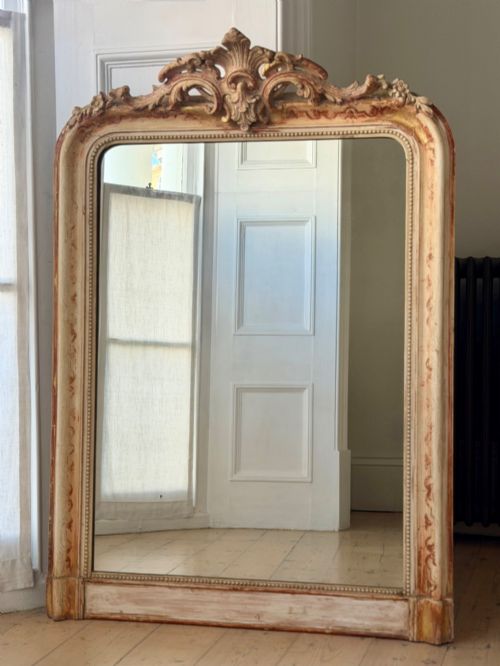
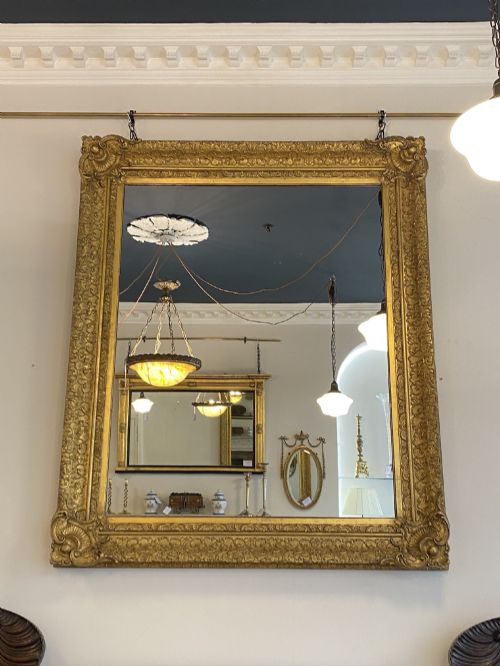
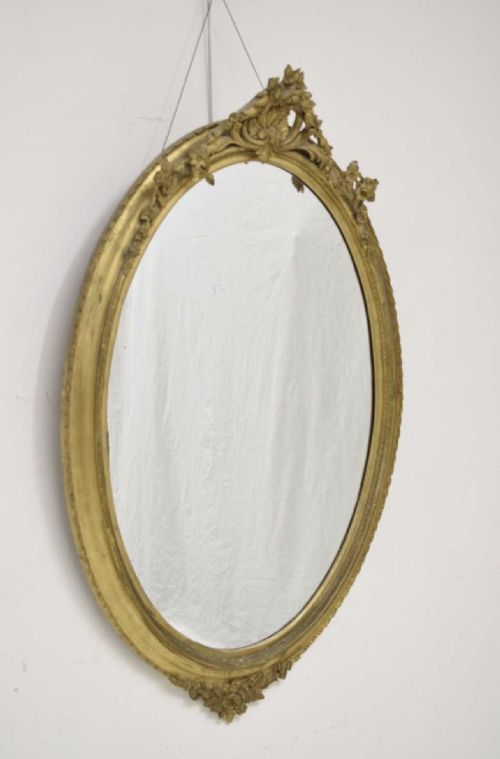
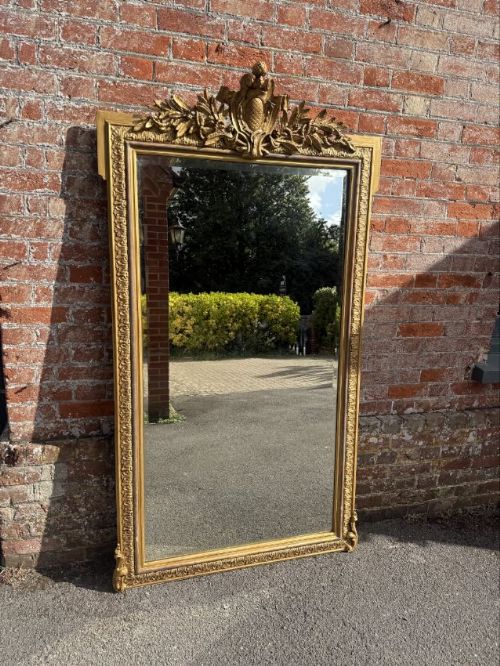
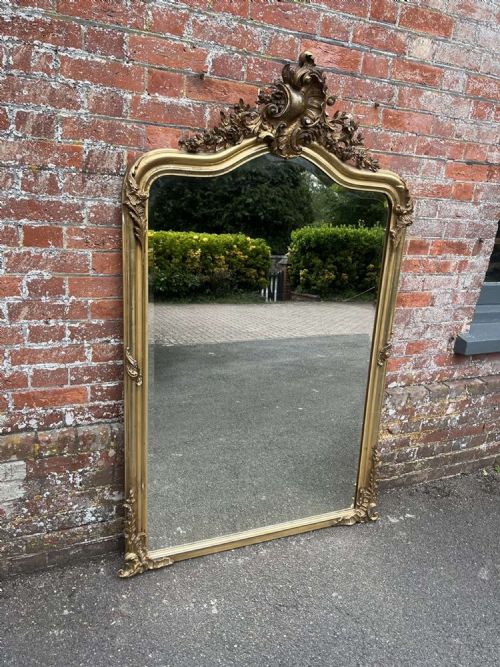
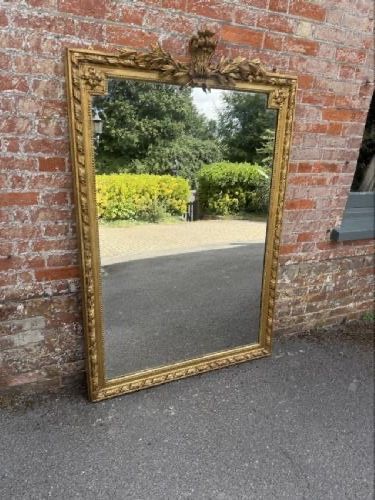
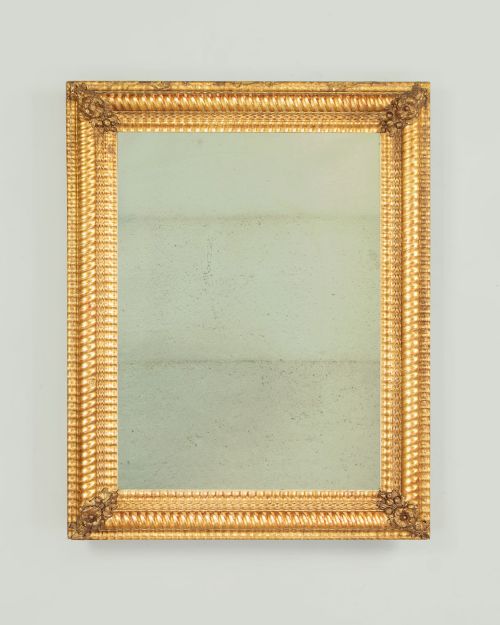
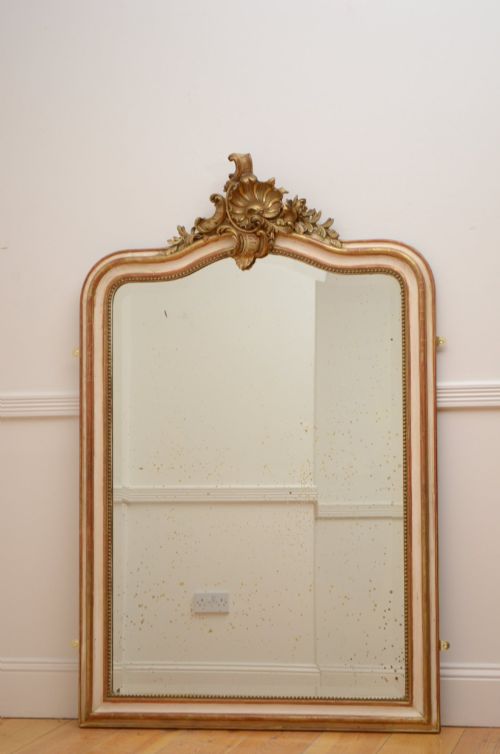
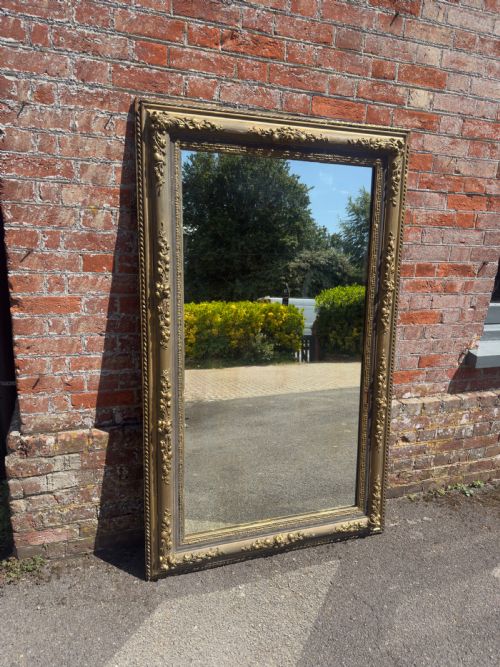
When searching for a vintage gesso mirror, collectors encounter substantial wall mirrors, overmantel mirrors, and oval or circular formats originating primarily from the nineteenth century and the early twentieth century. These pieces combine wooden foundations with plaster-like surface layers, taking shapes that range from simple geometric frames to ornate French and English revival designs.
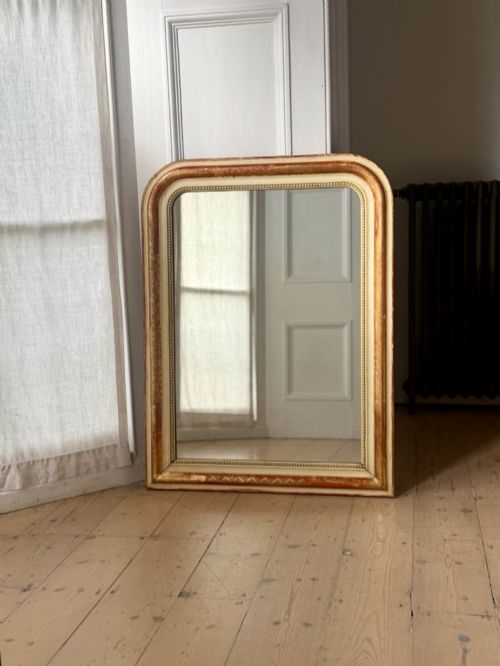
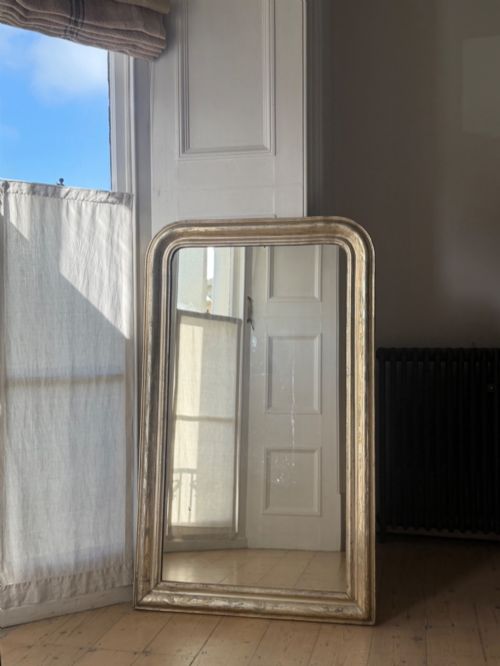
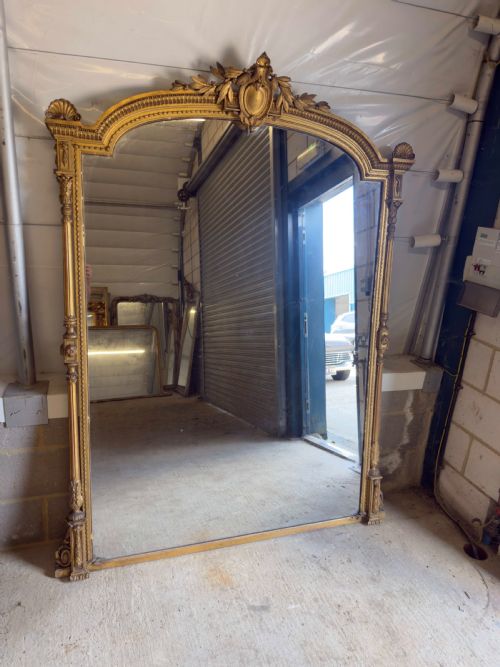
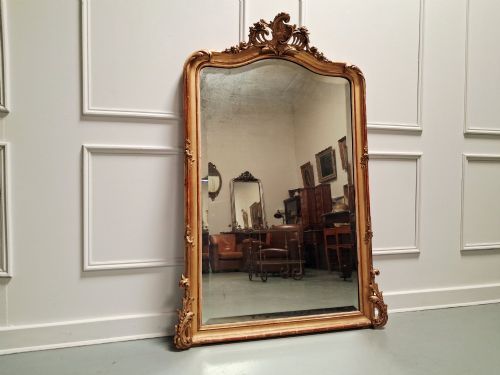
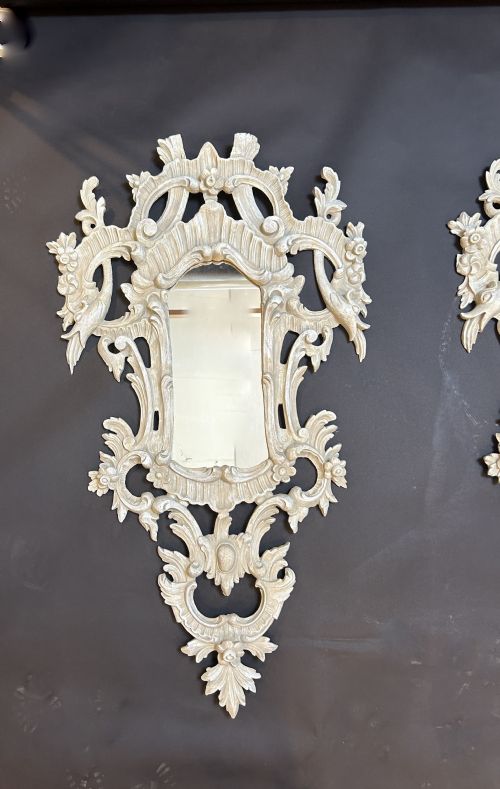
The pieces on this page lean heavily towards nineteenth-century examples, including Victorian and French creations spanning Louis Philippe, Rococo Revival, and Napoleon III styles. Buyers find large architectural overmantles alongside smaller wall hangings, decorated with carved details, gilt finishes, and painted accents.
Origins divide notably between English workshops and French ateliers, each bringing distinct regional character to the carved wood and gesso construction. Whether shaped with arched tops, rope twists, or floral motifs, these mirrors function as dominant focal points in domestic interiors.
How they were made
Makers built these frames using a wooden base - often carved pine or oak - which provided the structural integrity required for heavy glass plates. Artisans then applied gesso, a mixture of plaster and binder, directly onto the wood to form a smooth or buildable surface for relief decoration.
Surface embellishments were either carved straight into the wood or moulded in gesso, capturing intricate scrollwork, leaves, and architectural motifs. Gilding with gold leaf or silver leaf, along with applied paint, finished the surface to mimic solid precious metal or add polychrome depth.
Vintage Gesso Mirror Retail Price Guide 2026
Typical asking prices for vintage gesso mirror among the pieces listed under this phrase on Sellingantiques today, from the lower quarter to the upper quarter. They describe what is for sale here now, not the wider market.
Listings span periods from the eighteenth century through the Edwardian era, featuring materials such as gold leaf, silver leaf, and mirror glass.
What varies in quality
The standard of a piece depends heavily on the crispness of the modelling in the gesso relief and the depth of the underlying wood carving. Finer examples display sharp, hand-finished detailing in the scrolls and crests, whereas lesser pieces rely on simpler, softer mouldings.
The integrity of the original finish also separates categories, with undisturbed gold leaf, silver leaf, or period paint retaining greater character than later overpainting. Furthermore, the presence of period mirror glass, such as original mercury plates, adds substantial weight to the desirability of the object.
The Vintage Gesso Mirror Glossary
- Gesso
- A plaster-like mixture applied to wood frames to create a smooth surface for gilding or to build up three-dimensional moulded relief decoration.
- Giltwood
- Timber that has been coated with a thin layer of gold leaf, providing a bright, reflective metallic finish to the carved frame.
- Overmantle
- A large mirror specifically designed to hang on the wall directly above a fireplace mantelpiece.
- Louis Philippe
- A nineteenth-century French style characterised by understated elegance, simple rectangular forms with rounded upper corners, and restrained ornamentation.
- Rococo Revival
- A nineteenth-century design movement favouring asymmetrical scrolls, naturalistic shell motifs, and exuberant, flowing curves.
Vintage Gesso Mirror: Frequently Asked Questions
How do I clean a gesso mirror?
Dust the carved frame gently with a soft, dry brush to protect the delicate plaster relief work. Avoid using liquid cleaners or abrasive cloths near the gesso surface.
Clean the glass plate separately using a mild glass cleaner applied to a cloth rather than sprayed directly onto the mirror. This prevents moisture from seeping behind the glass and damaging the backing or the wooden frame.
Were these mirrors meant for mantelpieces?
Many large nineteenth-century examples functioned specifically as overmantle mirrors, designed to sit above living room fireplaces and reflect light around the interior. Their substantial proportions and arched or shaped tops suited this architectural placement.
Other variations served as general wall mirrors in hallways and bedrooms, scaling down in size while maintaining the same carved wood and gesso construction.
How can I date a gesso mirror?
Dating relies on stylistic clues such as the presence of Victorian, Regency, or Louis Philippe revival characteristics, alongside construction methods visible on the reverse. Examining the backboards, fixings, and type of wood helps narrow down the period of manufacture.
The nature of the glass plate also offers hints, as older pieces may feature original mercury plates or bevelled edges consistent with nineteenth-century production.
Are these frames made of solid gold?
The frames consist of wood and gesso coated with a very thin application of gold leaf rather than solid precious metal. This traditional gilding technique creates the appearance of solid gold while keeping the structural weight manageable.
Over time, this leaf can wear gently to reveal the warm red bole or the white gesso underneath, adding historic character to the piece.