


Vintage Geometric Cupboard
A vintage geometric cupboard brings striking architectural lines to a room, offering practical storage alongside bold period design.
Vintage Geometric Cupboard
A vintage geometric cupboard centres on pattern and form, drawing heavily from Art Deco design and earlier revival styles. These pieces range from display cabinets and sideboards to compact bedside tables and corner cabinets.
The selections span several decades, with items originating from the nineteenth century, the Edwardian era, and the interwar period up to 1930. Oak and walnut dominate the offerings, often complemented by glass doors and brass hardware.
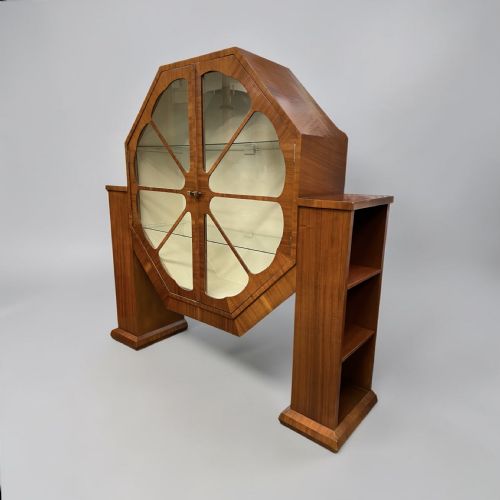
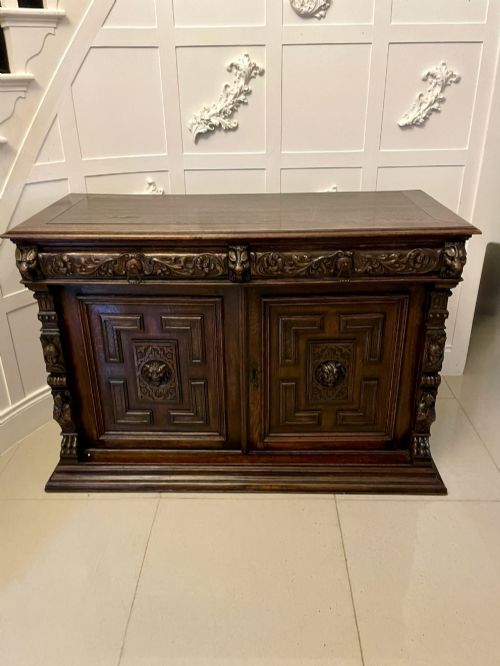
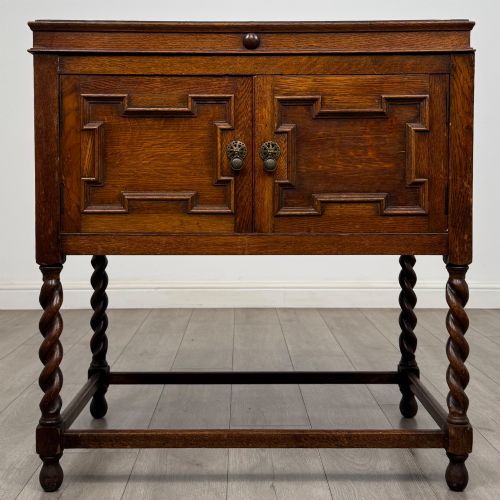
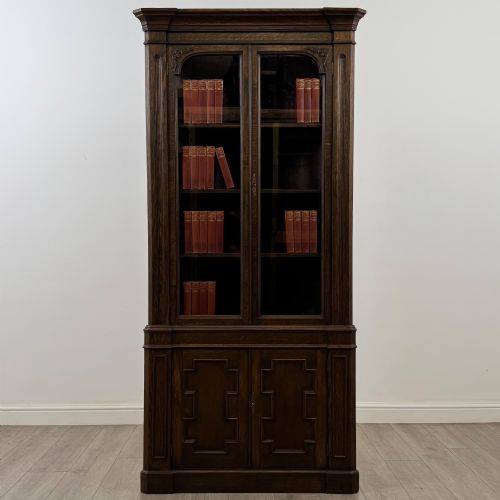
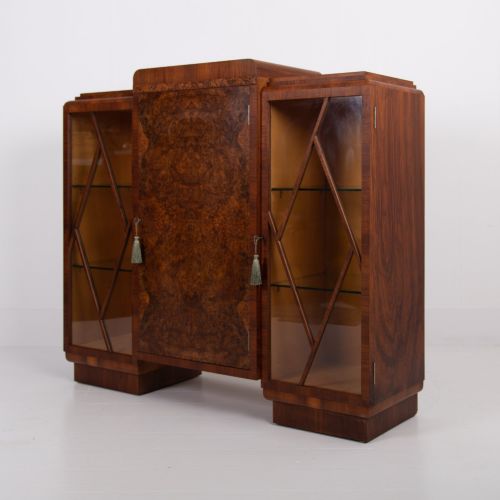
Art Deco examples from around 1930 frequently showcase geometric walnut veneers and hexagonal shapes. Alongside these, Edwardian and nineteenth-century pieces display Jacobean style influences in carved oak.
Materials and construction
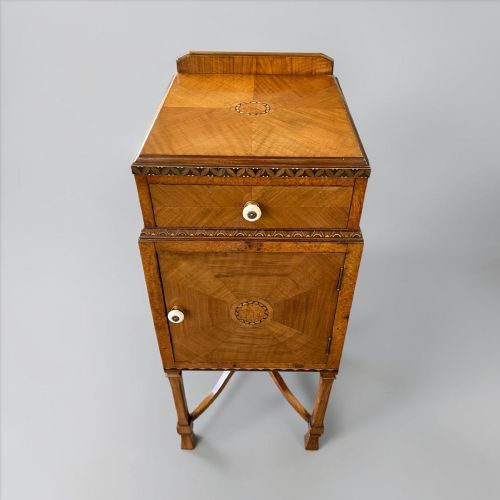
Makers utilised solid timbers such as oak and walnut, frequently applying fine walnut, maple, and mahogany veneers to create distinct surface patterns. Limed finishes and dark staining were also common methods to alter the appearance of the wood.
Lead and clear glass are integrated into doors for display cases, while brass provides structural and decorative hardware. Bone and metal details occasionally appear to accent the primary materials.
Assessing quality and craftsmanship
The standard of timber selection largely dictates quality, distinguishing simple plank construction from carefully matched walnut veneers arranged in geometric patterns. Superior pieces demonstrate precise cabinetmaking in their joints and the alignment of doors and drawers.
Hardware choice and the execution of carved elements further separate standard items from finer works. Original glass, balanced proportions, and well-preserved surface finishes indicate higher craftsmanship.
Heals of London·Rurka
The Vintage Geometric Cupboard Glossary
- Art Deco
- A design style popular in the 1920s and 1930s characterised by sleek geometric shapes and stylised motifs. It heavily influences the walnut display cabinets and sideboards of this period.
- Jacobean Revival
- A style drawing on seventeenth-century motifs, seen in heavy carved oak furniture from the nineteenth century and the Edwardian era. These pieces often feature panelled doors and distinct rectilinear structures.
- Veneer
- A thin slice of superior wood applied to a base timber to create decorative patterns. Walnut and mahogany veneers are common on geometric cabinets.
- Leaded Glass
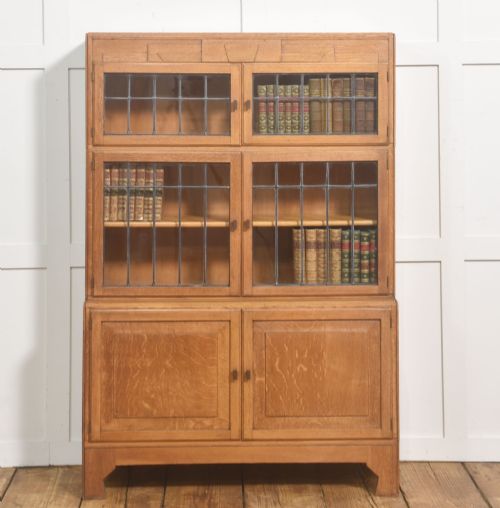
- Small panes of glass held together by strips of lead to form decorative windows within cabinet doors. This technique appears on several bookcases and display units from the early twentieth century.
Vintage Geometric Cupboard: Frequently Asked Questions
What periods do these cupboards date from?
The pieces span from the nineteenth century through the Edwardian era up to the 1930s. Art Deco examples from around 1930 are particularly prominent.
Earlier items draw on Jacobean Revival styles, utilising heavy carved oak across various cabinet forms.
Which woods are most common?
Oak and walnut appear most frequently in the listings, alongside mahogany and maple. Artisans often applied walnut veneers to achieve distinct geometric patterns.
Limed oak and dark oak finishes also recur across sideboards and smaller tables.
How do I identify an Art Deco piece?
Art Deco cabinets typically feature symmetrical geometric veneers, clean lines, and sometimes hexagonal forms. They often incorporate glass doors for display purposes.
These items usually date to the 1920s and 1930s and rely on walnut or exotic wood veneers.
Where should I place a bedside table version?
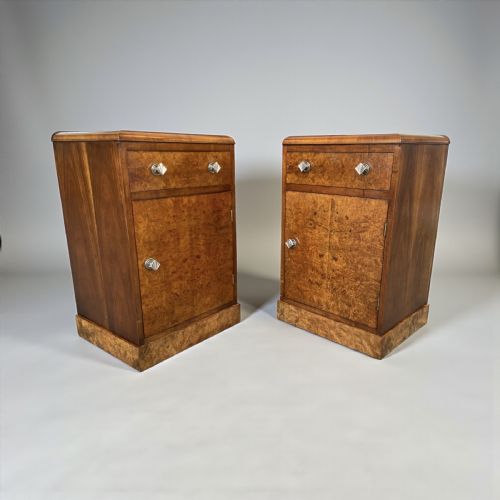
These compact cabinets suit bedrooms requiring period character and surface space for a lamp. Their geometric designs complement both modern and traditional interiors.
Pairs of bedside tables are also available to create a uniform look.