
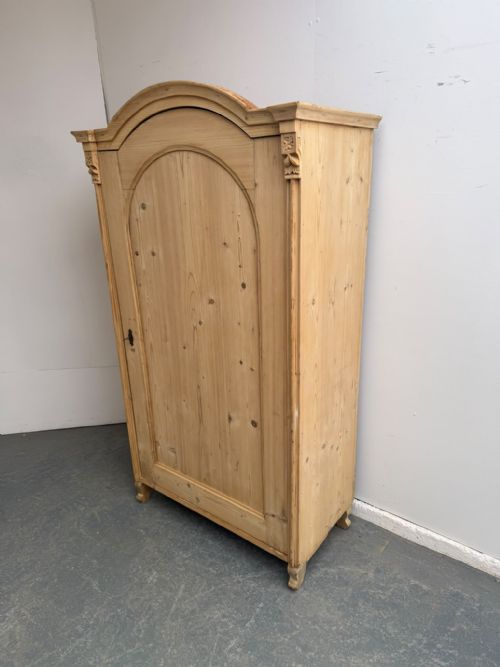
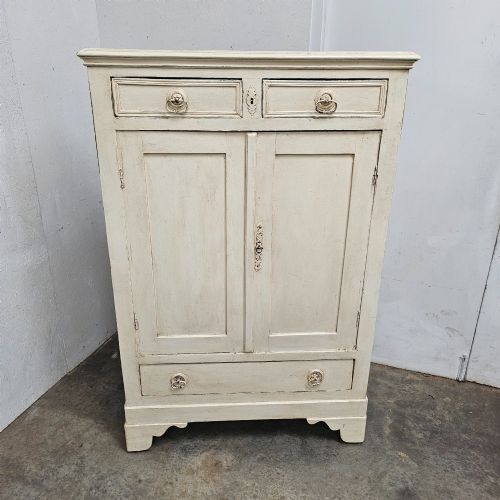
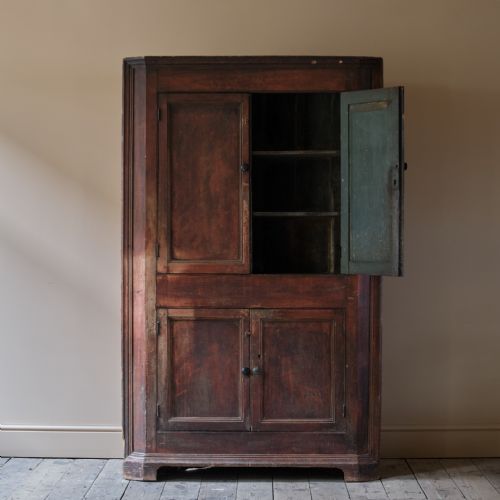
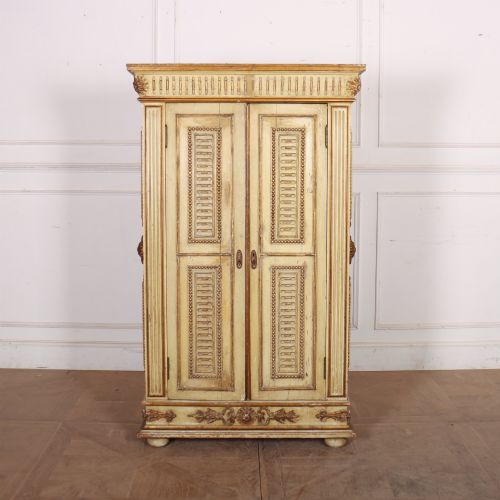
Painted Wood Storage Cabinet
A painted wood storage cabinet brings utility and colour to a room, offering practical concealment finished in decorative paint.
Painted Wood Storage Cabinet
A painted wood storage cabinet encompasses a varied group of utilitarian and decorative furniture designed to hold household goods behind doors or within drawers. When you search for this phrase, you encounter forms ranging from simple country pine cupboards to elaborate imported cabinets.
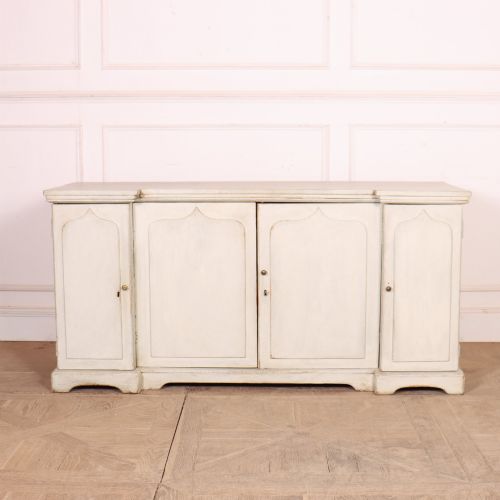
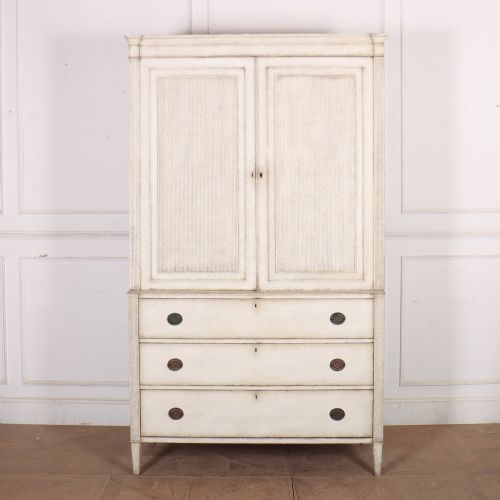
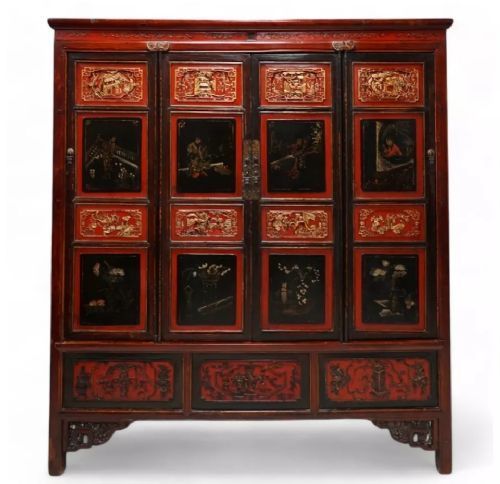
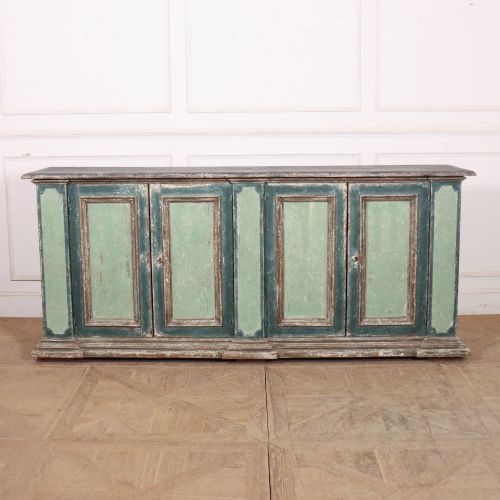
The selection here draws primarily from nineteenth-century European and international workshops, featuring regional pieces such as French provincial linen cupboards, English dresser bases, and Italian side cabinets. Alongside these traditional European items appear distinct imported examples like Chinese lacquer marriage cabinets and Indian almirahs.
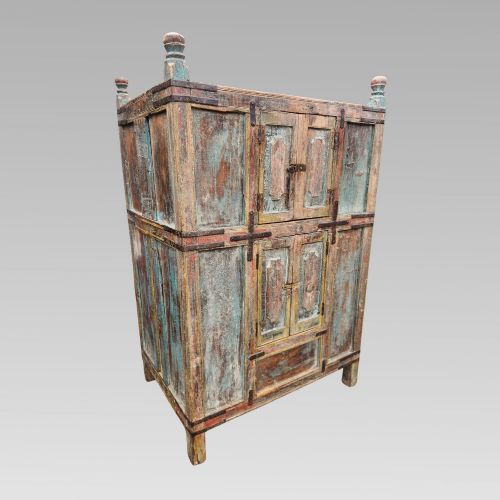
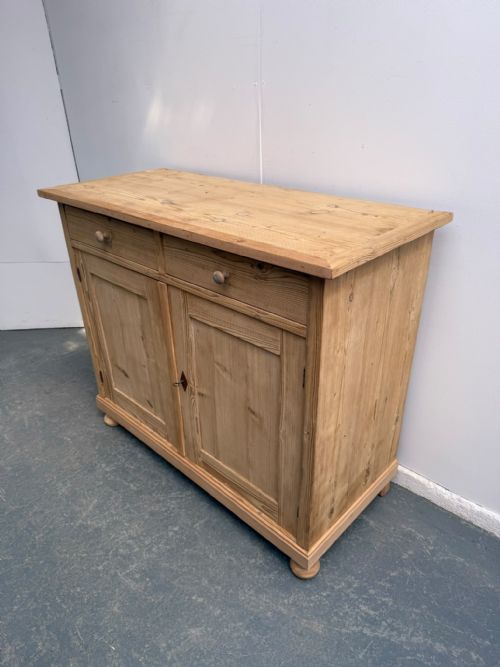
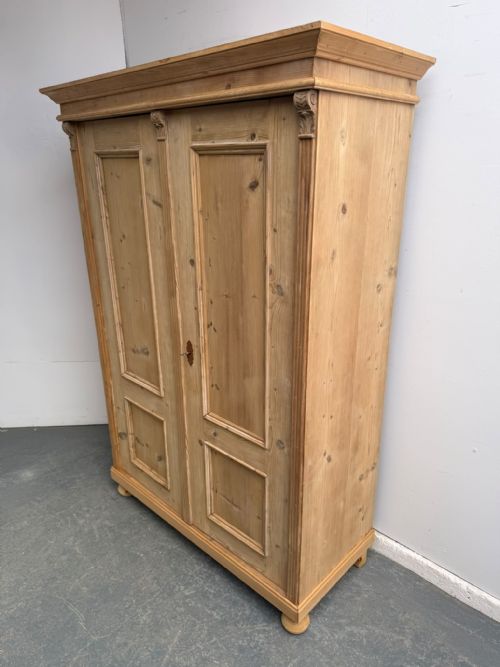
Forms vary from tall wardrobes and school cupboards to corner cupboards and low side cabinets. Many British and continental pieces constructed from pine are presented ready to wax or in their original painted finishes.
How they were made
Construction relies heavily on timber such as pine, elm, teak, cedar, and mahogany, formed into solid carcases with panelled doors and brass or iron hardware. Carpenters utilised traditional joinery techniques to build robust storage furniture intended for daily domestic use.
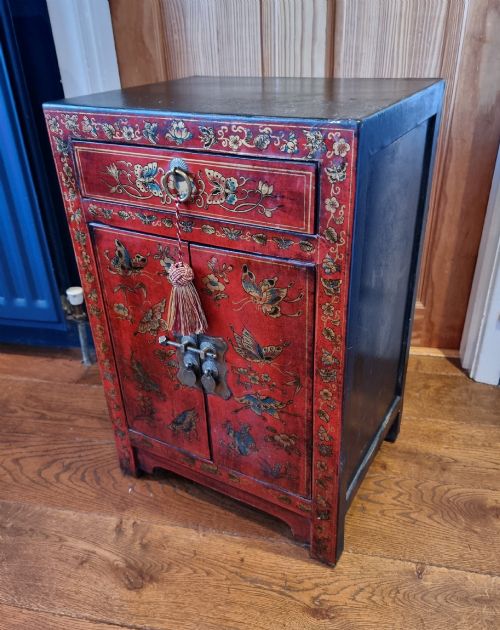
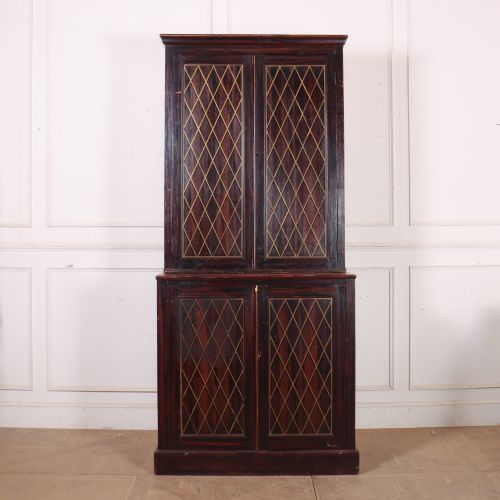
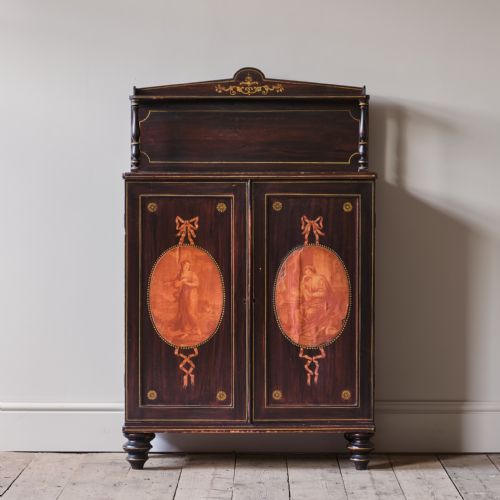
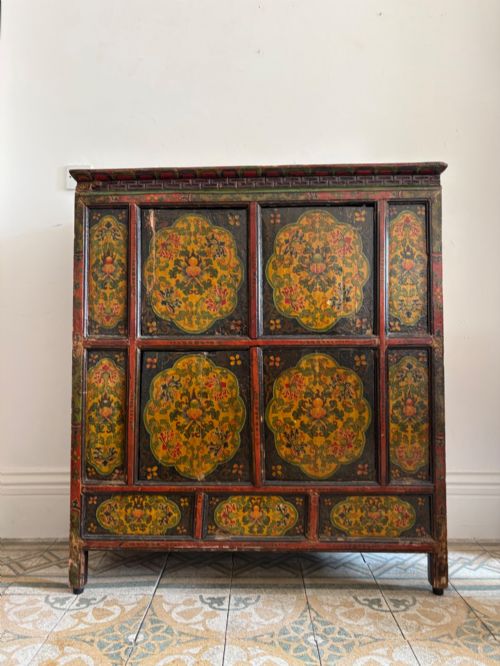
Surfaces are treated with various finishes, including historic layered paint, simulated rosewood graining, polychrome decoration, and oriental lacquer. Decorative techniques range from hand-painted floral motifs on Tibetan and Chinese pieces to plain painted coats applied to school and country cupboards.
The inventory includes items finished in simulated rosewood paint, polychrome decoration, and traditional oriental black and red lacquer.
What varies in quality
The distinction between standard utility items and finer examples rests on the sophistication of the decorative surface and the integrity of the original construction. Pieces retain greater interest when their painted finishes, whether European country layers or Asian lacquer and Chinoiserie details, survive in authentic, uncompromised states.
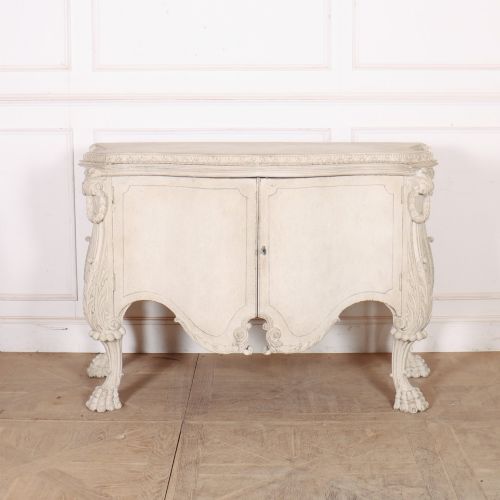
Proportion and execution set individual items apart, from simple vernacular school cupboards to balanced Georgian breakfronts and serpentine commodes. The presence of original brass or iron hardware and untouched interior shelving further distinguishes superior examples.
The Painted Wood Storage Cabinet Glossary
- Chinoiserie
- European decorative style reflecting Chinese artistic influences, frequently seen in lacquerwork and hand-painted motifs on cabinets. This style gained particular popularity during various periods of revival.
- Dresser base
- A lower storage unit featuring cupboards and drawers, historically used in kitchens or dining rooms for domestic organisation. These pieces often provide a wide surface top above enclosed storage.
- Marriage cabinet
- A traditional large storage chest associated with Chinese culture, often finished in red or black lacquer with elaborate hardware. Such pieces were created to hold textiles and personal belongings for newlywed couples.
- Almirah
- An upright freestanding cupboard or wardrobe originating from the Indian subcontinent, typically constructed from dense local timbers. They serve as substantial storage furniture for domestic settings.
- Chiffonier
- A compact sideboard or low cabinet equipped with drawers and doors, developing during the nineteenth century. These items provide accessible surface space alongside concealed storage.
Painted Wood Storage Cabinet: Frequently Asked Questions
Where were painted wood storage cabinets used?
These cabinets served in various domestic and institutional settings, including bedrooms for linen storage, hallways, and schoolrooms for supplies.
Larger variations such as dresser bases functioned in dining spaces, while corner cupboards utilised awkward angles in smaller rooms.
How do I care for a painted surface?
Preserving historic paint requires avoiding harsh chemical cleaners and modern polishes that might lift or soften the original pigments.
Keep pieces away from direct sunlight and excessive humidity to prevent the underlying wood from expanding and cracking the finish.
Are these cabinets suitable for modern clothes storage?
Many of these pieces offer deep shelving and hanging space originally designed for garments, linens, or household provisions.
Dimensions vary considerably between compact bedside cupboards and large wardrobes, so internal capacities require checking against specific requirements.
How can I tell a nineteenth-century piece from a later one?
Examination of the timber, backboards, and interior fixings reveals clues regarding age and method of manufacture.
Hand-cut joints, forged iron or brass fittings, and the composition of the paint layers help distinguish older vernacular furniture from twentieth-century reproductions.