




Vintage Geometric Bracelet
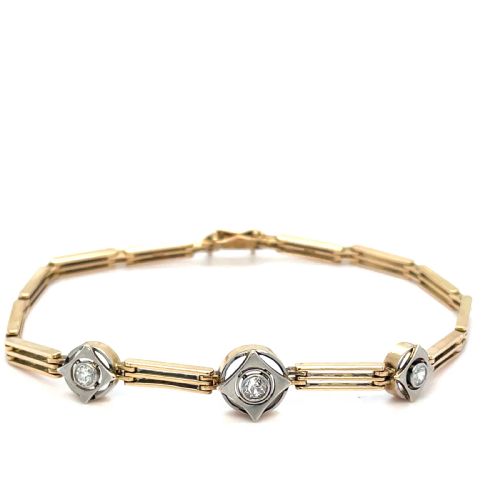
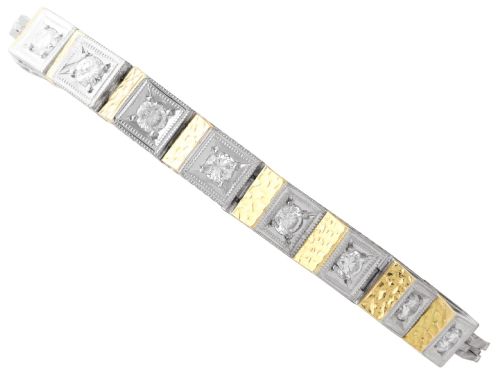
A vintage geometric bracelet brings sharp lines and structured symmetry from the early twentieth century straight to the wrist.
Vintage Geometric Bracelet
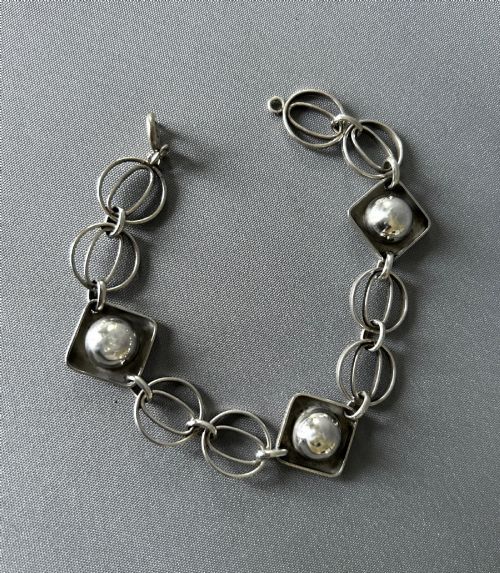
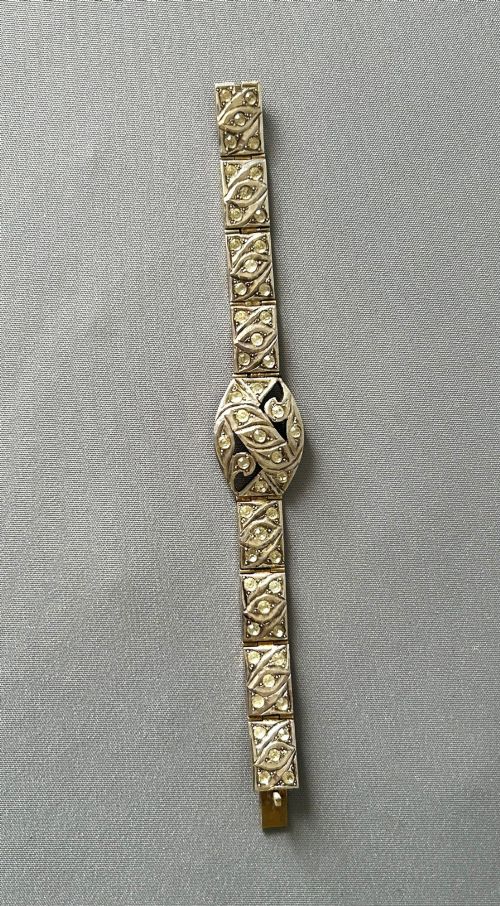
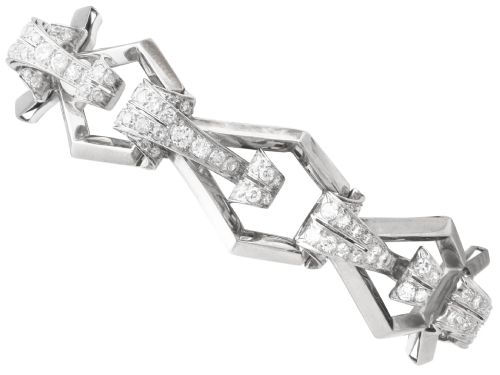
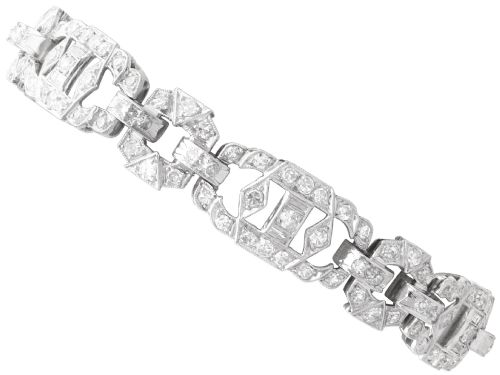
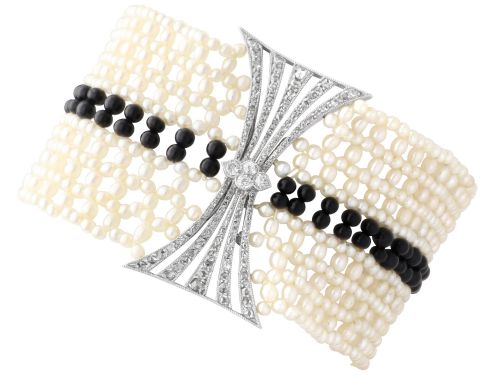
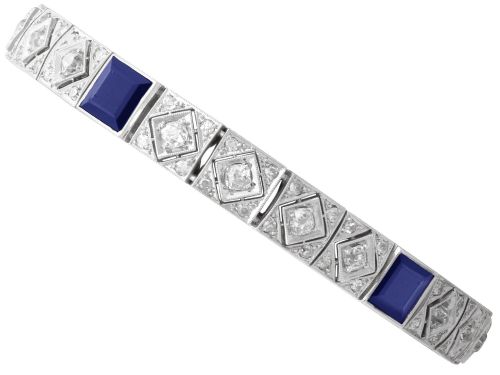
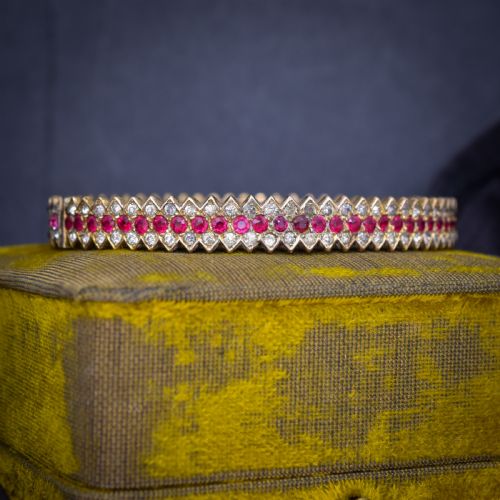
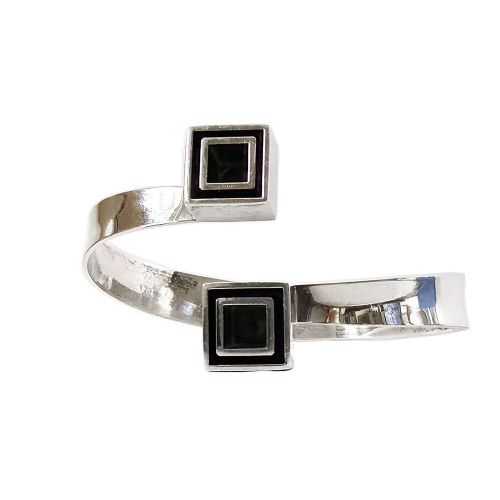
A vintage geometric bracelet draws its character from the rectilinear patterns and structured symmetry of the Art Deco period, alongside later mid-century iterations. These pieces take the form of rigid bangles, articulated line bracelets, panel links, and tank bracelets incorporating square and chevron motifs.
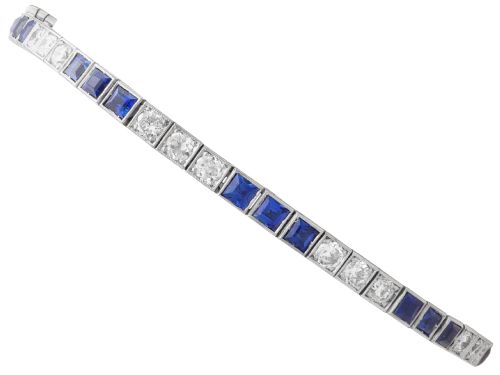
The versions most commonly met here originate primarily from the nineteen-twenties and nineteen-thirties, constructed in platinum or gold alongside industrial metals like chrome. They pair gemstones such as diamonds, sapphires, emeralds, and onyx with disciplined architectural designs.
What varies in quality
The overall standard rests heavily on the precision of the articulation and how tightly the individual geometric links move against one another. Top tier examples maintain fluid flexibility without looseness, while lesser pieces feel stiff or trap the skin during wear.
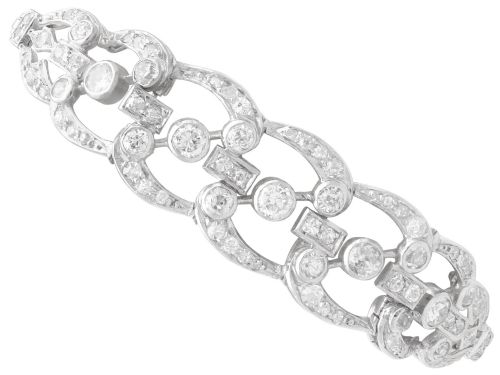
Gemstone selection and the intricacy of the metal engraving further divide the range. Superior items showcase matched old-cut diamonds and calibrated calibre-cut sapphires set flush into heavy platinum frameworks rather than simple stamped metal.
Vintage Geometric Bracelet Retail Price Guide 2026
Typical asking prices for vintage geometric bracelet among the pieces listed under this phrase on Sellingantiques today, from the lower quarter to the upper quarter. They describe what is for sale here now, not the wider market.
The periods represented stretch from the nineteen-tens through to the nineteen-sixties, with a heavy concentration in the nineteen-twenties and nineteen-thirties.
Jakob Bengel·Bucherer·Bulova·Alton
The Vintage Geometric Bracelet Glossary
- Art Deco
- A design style dominant in the nineteen-twenties and nineteen-thirties characterised by sleek geometric shapes, symmetrical patterns, and industrial influences. It marks much of the jewellery from this era.
- Tank bracelet
- A robust articulated bracelet style originating from the interwar period, named after the heavy tracks of military vehicles. These pieces feature thick, overlapping rectangular links.
- Line bracelet
- A flexible bracelet featuring a continuous straight row of symmetrically set gemstones, typically diamonds. They are also frequently referred to as tennis bracelets.
- Calibre-cut
- Small gemstones cut specifically to fit tightly into a precise geometric setting without gaps. This technique defines high-end structured jewellery.
- Paste
- Hand-cut glass used as a substitute for gemstones in vintage jewellery. Quality paste displays deliberate facets and secure foil backings.
Vintage Geometric Bracelet: Frequently Asked Questions
How do I wear a vintage line bracelet?
A vintage line bracelet works well either as a single understated accent on the wrist or stacked alongside modern watches and bangles. The secure clasp and flexible settings allow for everyday wear.
Care should be taken to protect antique settings from harsh impacts, particularly when paired with heavier metallic accessories on the same wrist.
Are these bracelets made of platinum?
Many of the diamond-set pieces from the nineteen-twenties and nineteen-thirties utilise platinum as the primary mounting metal. Platinum provided the necessary strength to hold small stones securely in razor-thin geometric channels.
Other examples use fourteen-carat white or yellow gold, silver, or chrome depending on the workshop and the intended industrial aesthetic of the period.
How do I identify Art Deco geometric pieces?
Art Deco pieces display repeated squares, chevrons, chequerboards, and strict symmetry executed in contrasting materials like onyx and diamonds or enamel and chrome. The forms emphasise straight lines and architectural abstraction.
Examining the reverse reveals the construction methods, such as hand-pierced platinum galleries or riveted chrome plates typical of twentieth-century European workshops.