


Vintage Genre Oil Painting
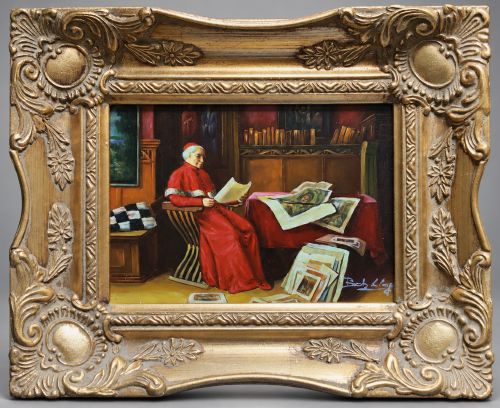
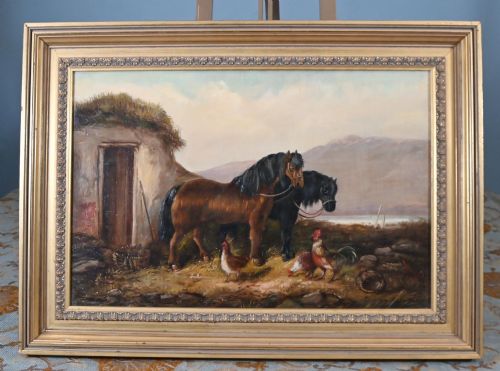
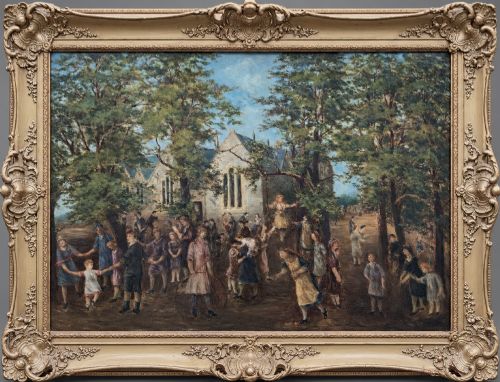
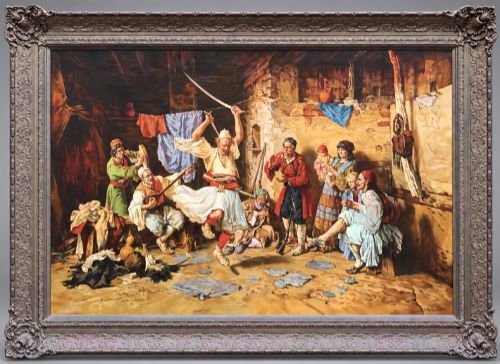
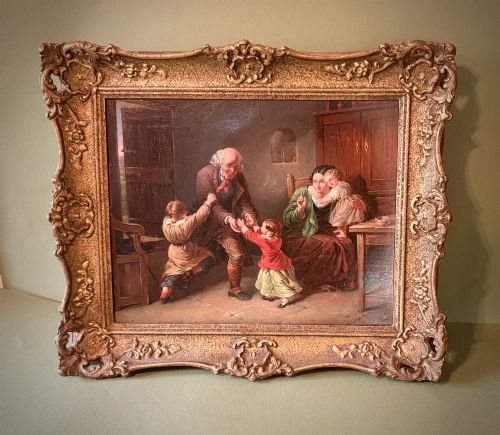
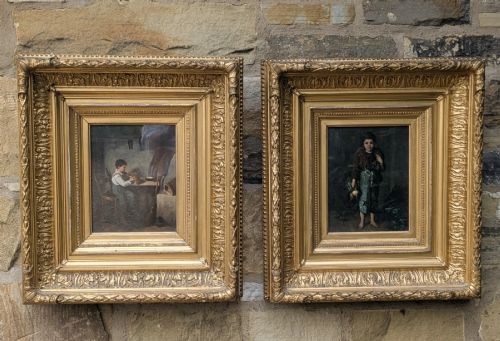
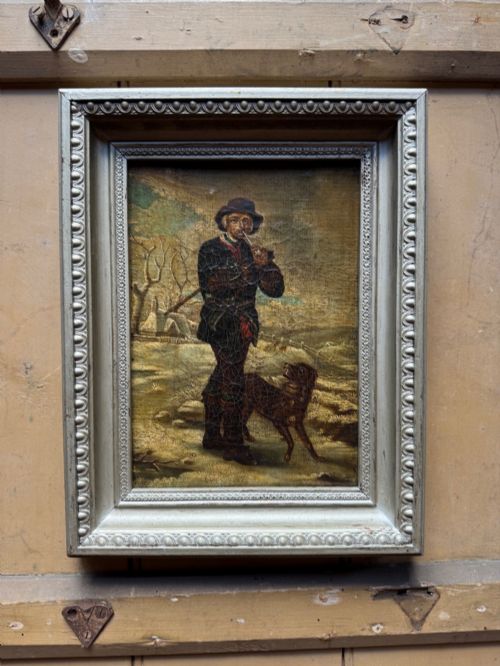
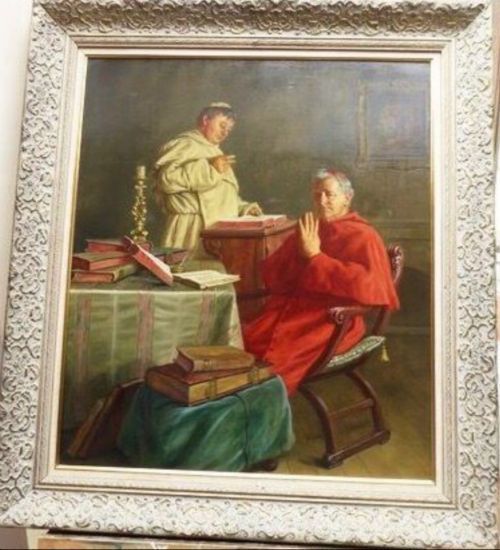
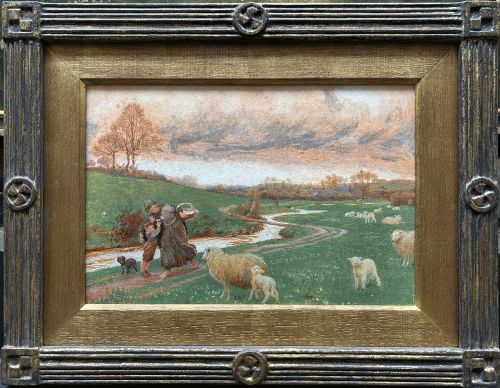
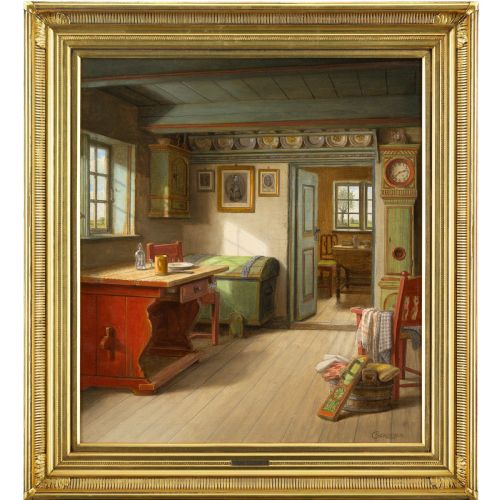
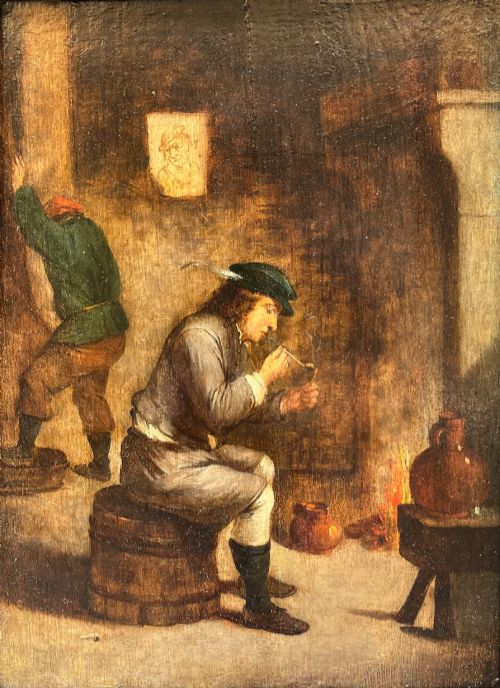
These vintage genre oil paintings capture everyday scenes of human life on canvas and wood.
Vintage Genre Oil Painting
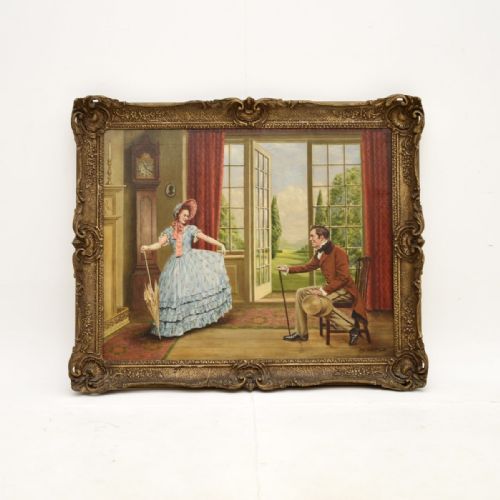
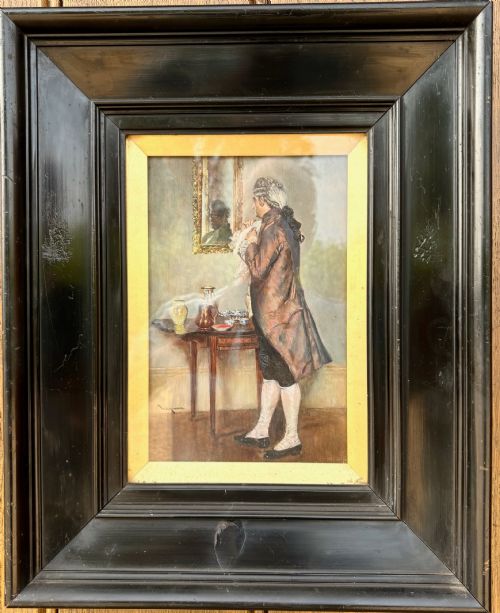
A vintage genre oil painting depicts scenes of everyday life, ordinary people, and domestic interiors rather than grand historical or mythological narratives. You meet domestic scenes, tavern gatherings, and figures at work or play across these examples.
The selections span from nineteenth-century realism and Victorian works through to mid-twentieth-century interpretations. These pieces record human habits, rustic occupations, and quiet domestic moments preserved in pigment.
Most items on this page originate from European traditions, including French, Dutch, and British schools. They take the form of framed paintings, panels, and canvases executed in oil paint.
How they were made
Makers laid oil paint onto stretched canvas, wooden panels, or board supports, often building up rich layers to create depth and texture. Ground pigments mixed with drying oils allowed artists to blend tones smoothly and capture realistic light.
Vintage Genre Oil Painting Retail Price Guide 2026
Typical asking prices for vintage genre oil painting among the pieces listed under this phrase on Sellingantiques today, from the lower quarter to the upper quarter. They describe what is for sale here now, not the wider market.
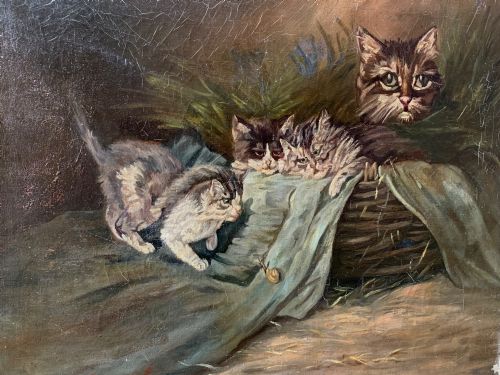
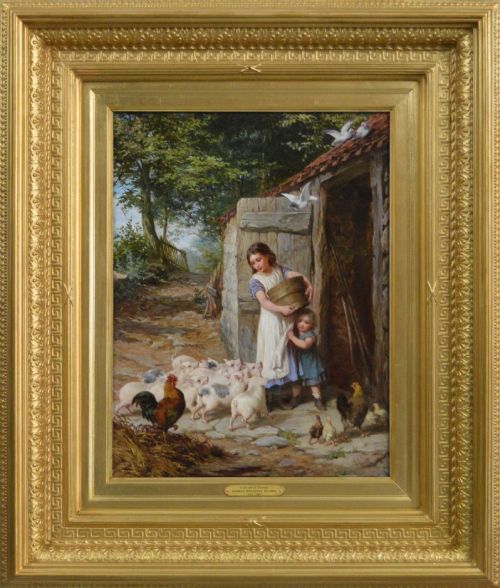
Several canvases capture domestic animals joining in the household routines, from playful kittens to piglets crowding around a meal.
What varies in quality
The capability of the hand behind the brush dictates the life within the scene, separating routine commercial output from works with character and presence. Superior pieces display confident brushwork, expressive faces, and a natural handling of light and shadow.
Material preservation alters the longevity and visual impact of each painting. Intact canvas tension, stable paint layers without heavy craquelure, and well-preserved original frames contribute to the overall integrity of the piece.
Alfred Lyndon Grace·W.D. Almond·George Augustus Holmes·David Teniers·Frederick Walker·Alfred Arthur Brunel de Neuville·Paul Ehrenberg·John Watkins Chapman·John Sanderson Wells·Henry John Yeend King·Léon Joseph Voirin·George Smith·Ferruccio Vitale·Arthur Longley Vernon·Hendricus Joseph Dillens·Frank Moss Bennett·Alfred John Bouchette·Thomas Couture·Godfried Schalcken·James Kyd
The Vintage Genre Oil Painting Glossary
- Genre painting
- Artwork that depicts scenes from ordinary life, such as domestic interiors, markets, and street settings. These subjects focus on the daily routines of ordinary people rather than historical events.
- Chiaroscuro
- An artistic technique that uses strong contrasts between light and dark to give subjects a three-dimensional volume. Painters use this method to create dramatic focus within interior scenes.
- Gesso
- A plaster-like mixture applied to wooden panels or frames to prepare a smooth surface for painting or gilding. It provides a stable base that holds fine detail.
- Canvas
- A heavy woven fabric stretched tightly over a wooden frame to serve as a support for oil painting. It remains the most common ground for nineteenth-century works.
Vintage Genre Oil Painting: Frequently Asked Questions
What is a vintage genre oil painting?
A vintage genre oil painting is a work of art portraying scenes of everyday human life, domestic interiors, or ordinary people. These pieces record moments from daily routines, work, and leisure rather than formal portraits.
Created using oil paints on canvas, board, or wood, these artworks reflect the artistic styles of their respective periods, ranging from nineteenth-century realism to mid-century compositions.
How do I care for an oil painting?
Keep oil paintings away from direct sunlight and fluctuating humidity to prevent the canvas from sagging and the paint from cracking. Display them on stable interior walls where temperature changes remain minimal.
Dust the surface very gently with a soft, dry brush when needed, avoiding any chemical cleaners or damp cloths. Professional conservators should handle any deeper cleaning or restoration work.
How can I tell the period of a painting?
Inspect the materials, canvas preparation, and framing style for clues regarding the era of creation. Nineteenth-century works often feature specific canvas textures and stretcher types distinct from later periods.
Signatures, artist inscriptions, and exhibition labels on the reverse side also help establish a firm date. Comparing the clothing and setting of the figures with historical fashion provides further context.
Where should I hang these paintings?
These artworks suit living rooms, studies, and hallways where adequate wall space allows the composition to be viewed clearly. Traditional frames pair well with classic interior decors and wood paneling.
Ensure the hanging location receives indirect ambient light rather than harsh glare, which can obscure the finer details of the brushwork and varnish.