



Vintage Gas Light
These vintage gas light examples bring robust copper, iron and brass engineering together with hand-blown glass to illuminate period spaces.
Vintage Gas Light
A vintage gas light collection centres on heavy-duty outdoor street lamps, architectural lanterns and indoor gasoliers spanning the Victorian era through the early twentieth century. Buyers seeking this phrase encounter hardy copper and iron street lighting alongside delicate glass shades designed for domestic gas distribution.
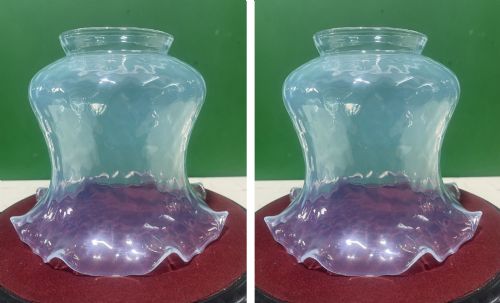
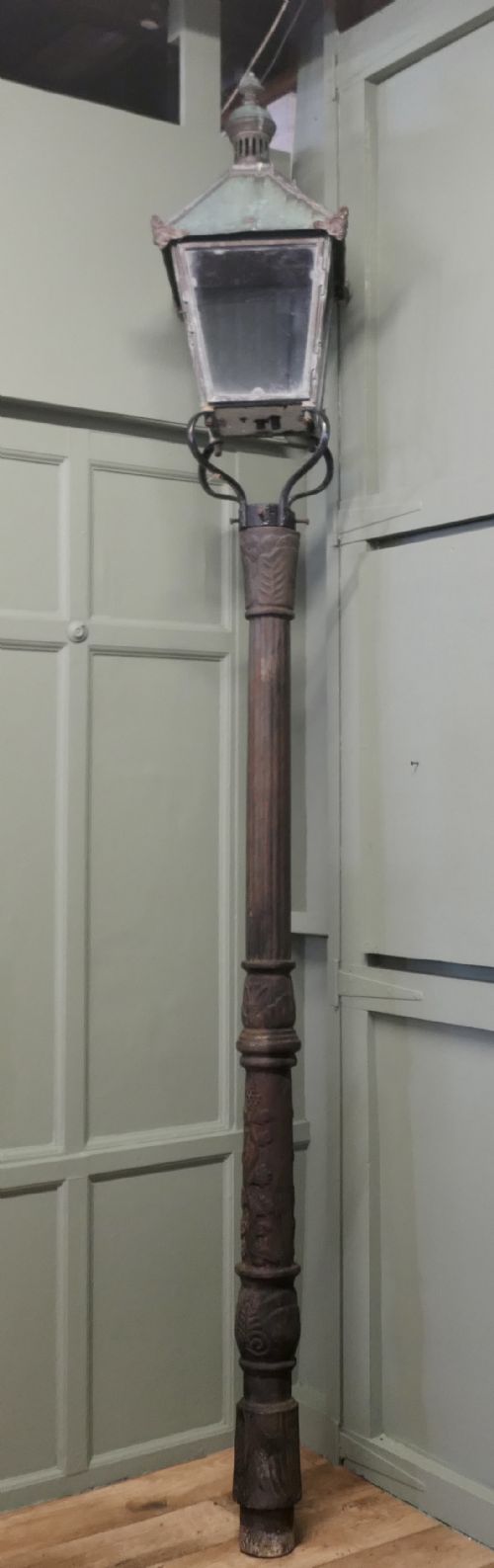
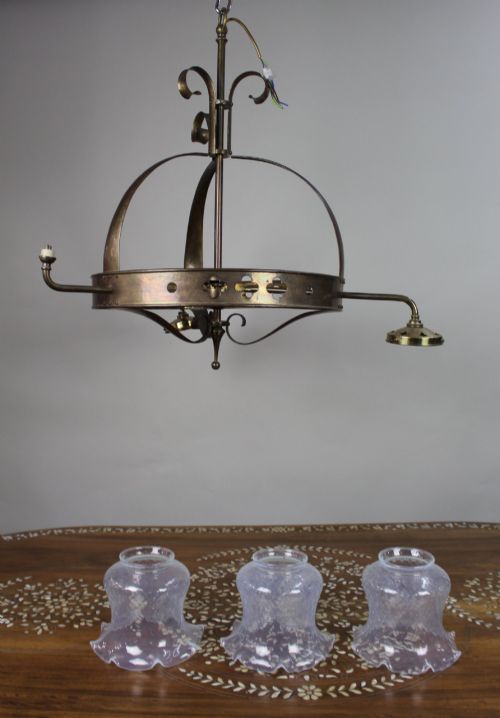
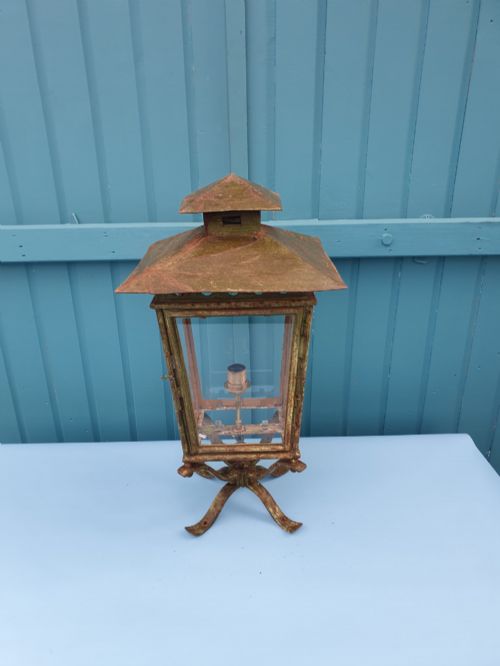
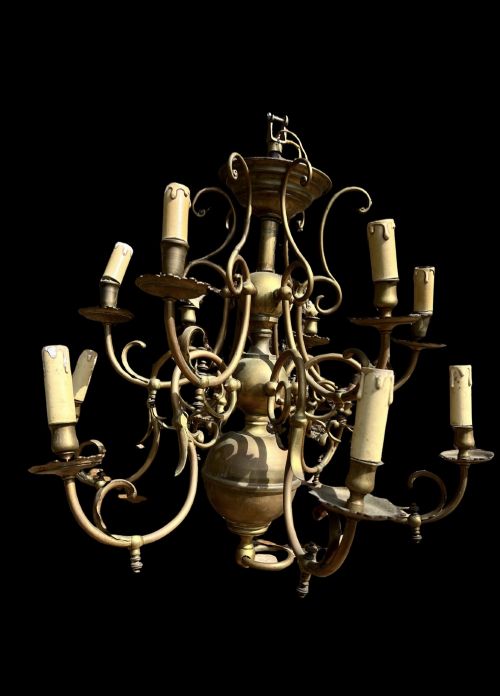
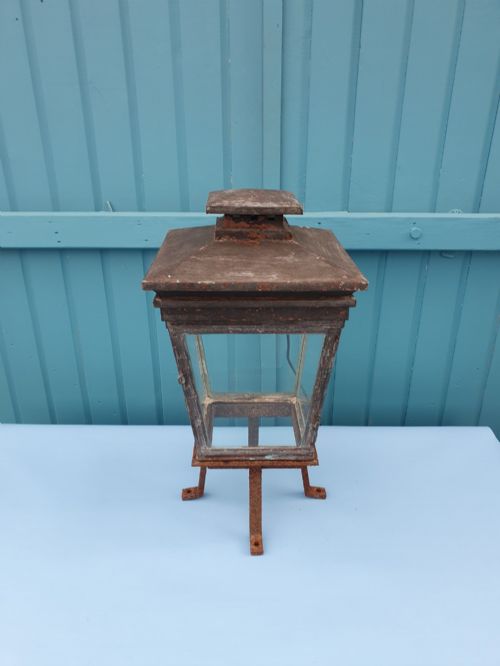
Domestic lighting on this page takes the form of multi-light brass gasoliers fitted with opalescent glass shades from the nineteenth century. Outdoor varieties are dominated by copper and painted metal street lanterns, frequently mounted to iron lamp posts or adapted for modern garden use.
The objects derive largely from nineteenth-century manufacturing traditions, incorporating Gothic Revival design elements alongside industrial street furniture. Most outdoor examples originate as municipal gas street lighting before being decommissioned and converted.
How they were made
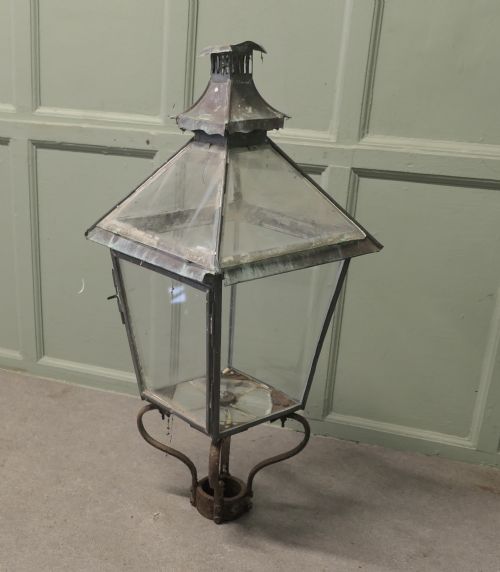
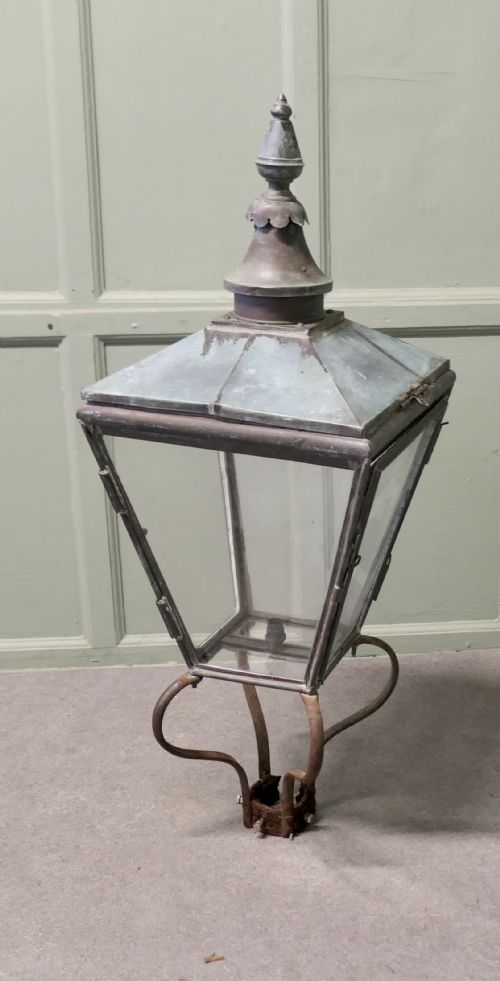
Makers constructed these lanterns using heavy gauge sheet copper joined with folded seams and reinforced by cast and wrought iron frameworks. Brass components were cast for interior gasoliers to handle internal gas routing and support decorative shade configurations.
Glazing relies on thick plate glass or hand-blown opalescent glass panels secured into metal frames with putty or traditional metal glazing bars. Street lamps incorporate heavy iron bases and steel brackets designed to withstand harsh outdoor environments.
Vintage Gas Light Retail Price Guide 2026
Typical asking prices for vintage gas light among the pieces listed under this phrase on Sellingantiques today, from the lower quarter to the upper quarter. They describe what is for sale here now, not the wider market.
Some garden lanterns retain faint traces of old green paint from their municipal days guarding Victorian streets.
What varies in quality
Quality rests on the integrity of the original metal fabrication and the preservation of authentic glass elements. Heavy-gauge copper bodies and intact cast iron structural supports indicate higher grade municipal or domestic commissions.
The presence of original period glass, such as Stourbridge shades or opalescent panels, distinguishes superior examples from later replacements. Fine casting detail in brass gasoliers and well-preserved maker inscriptions elevate the standing of individual pieces.
A Foster And Pullen Bradford
The Vintage Gas Light Glossary
- Gasolier
- A ceiling-mounted chandelier designed to burn coal gas for interior illumination. These fixtures typically feature multiple arms branching from a central gas supply pipe.
- Opalescent glass
- Glass containing milky, translucent properties that diffuse bright light evenly. This material is frequently found in nineteenth-century decorative shades.
- Stourbridge glass
- Glassware produced in the English town renowned for its nineteenth-century glassmaking industry. Pieces from this region often feature in Victorian shade pairs.
- Gothic Revival
- An architectural and decorative style drawing on medieval ecclesiastical forms. This aesthetic influences the ornate brasswork and frame designs of certain period gasoliers.
Vintage Gas Light: Frequently Asked Questions
What is a gasolier?
A gasolier is an indoor ceiling light designed to burn coal gas rather than electricity. These fixtures distribute gas through hollow brass arms to multiple burner nozzles.
They represent domestic lighting technology from the nineteenth century before widespread electrical conversion. Many surviving examples retain their original configuration or have been safely adapted for modern electric bulbs.
How do I install a street lantern?
Street lanterns require secure mounting to sturdy structural supports due to their heavy copper and iron construction. Professional consultation ensures that weight distribution and electrical wiring meet safety standards.
Outdoor placement demands weather-resistant fixings to anchor iron lamp posts or wall brackets firmly. Positioning should account for the considerable scale of nineteenth-century municipal lighting fixtures.
Are these lamps still wired for gas?
Original gas fittings are permanently deactivated during historical decommissioning to ensure safety. Surviving pieces are routinely converted to house standard electrical wiring.
Conversion allows these heavy metal lanterns to function as practical garden or interior lamps. The external gas cocks and internal burners are typically preserved as non-functional decorative details.
How do I date an iron lamppost?
Dating relies on examining the casting techniques, structural proportions and municipal markings found on the iron base. Victorian examples display characteristic nineteenth-century foundry methods and heavier metal gauges.
Stylistic cues such as Gothic Revival detailing or factory stampings help narrow the production window. Comparison with documented civic installations from the same region provides further chronological context.