
Vintage Garden Seating
Vintage garden seating brings character to lawns and terraces through enduring metalwork and weathered timber.

Vintage Garden Seating
Vintage garden seating encompasses functional outdoor furniture designed to endure the elements while providing a place for repose. When searching for vintage garden seating, buyers encounter items ranging from robust metal benches to timber seats and sets.
Originating from English, French, and Italian traditions, these pieces reflect distinct regional design sensibilities. Buyers find Victorian and Edwardian examples alongside Regency strapwork and rustic country styles.
How they were made
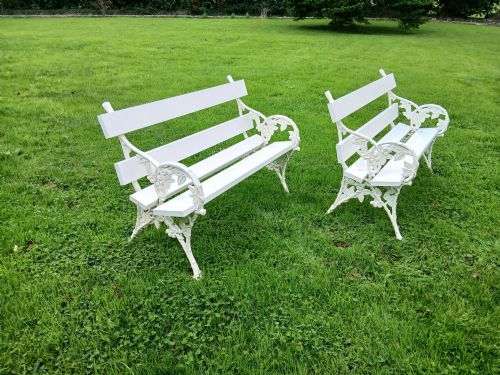
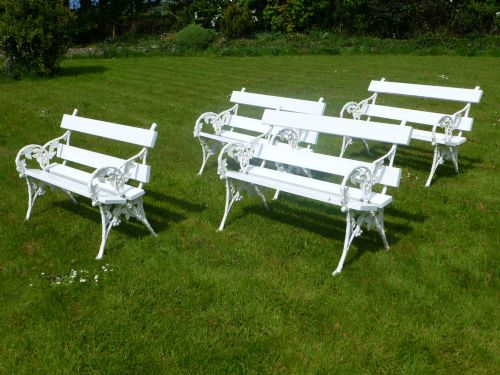
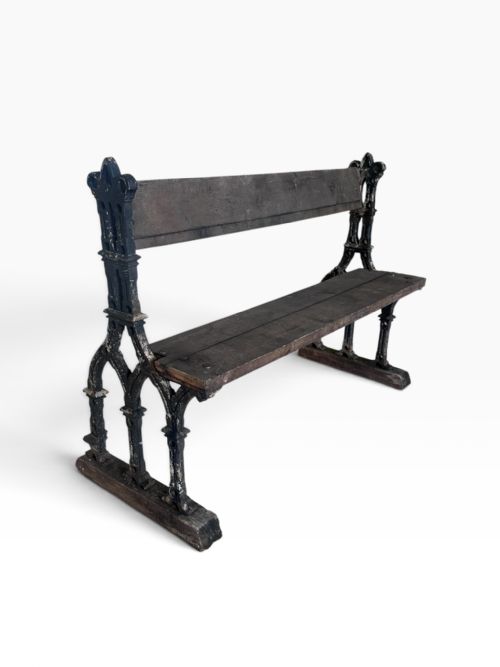
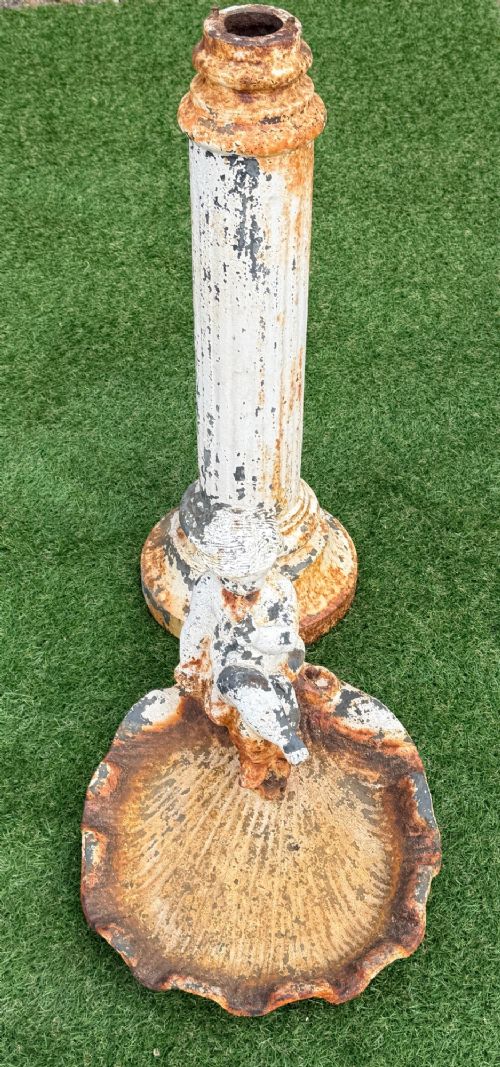
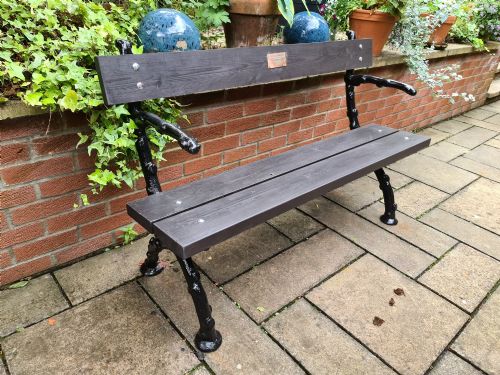
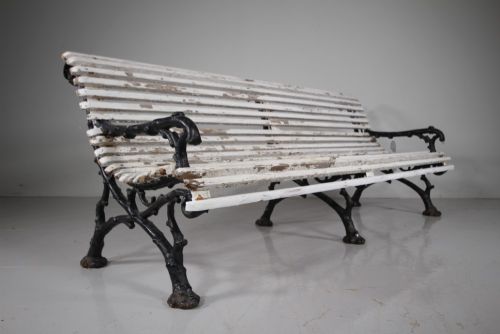
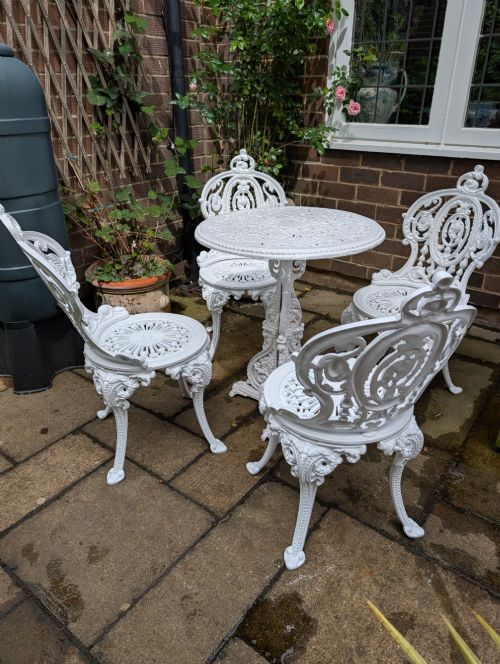
Metal pieces rely on cast iron and wrought iron, frequently shaped into intricate botanical motifs, strapwork, or Gothic arches. Foundries utilised casting techniques to render complex details like blackberry and leaf patterns or lion masks.
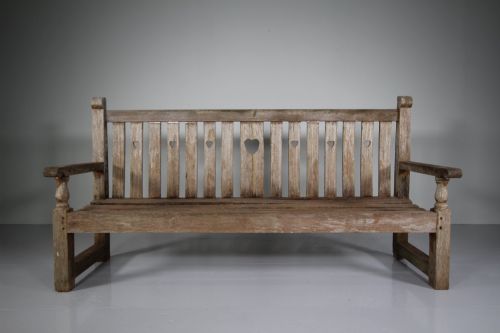
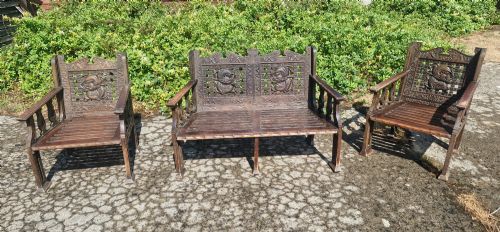
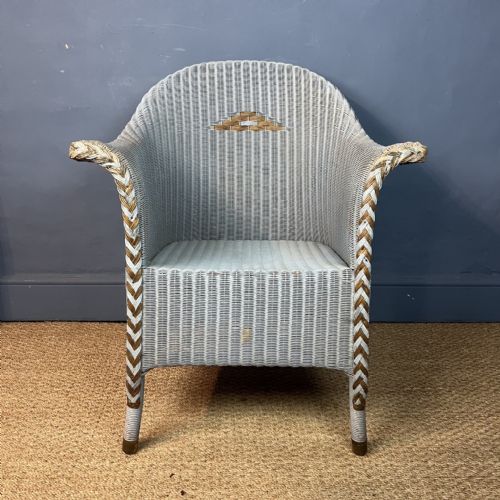
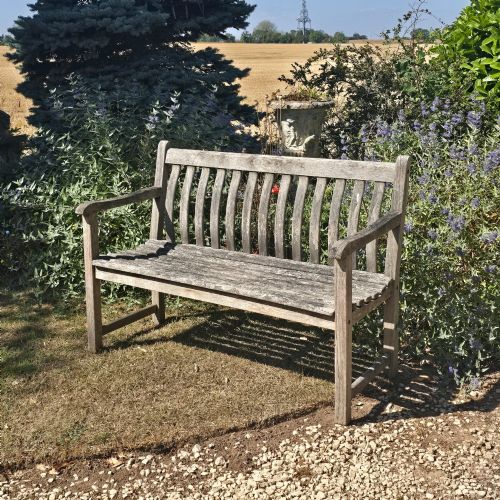
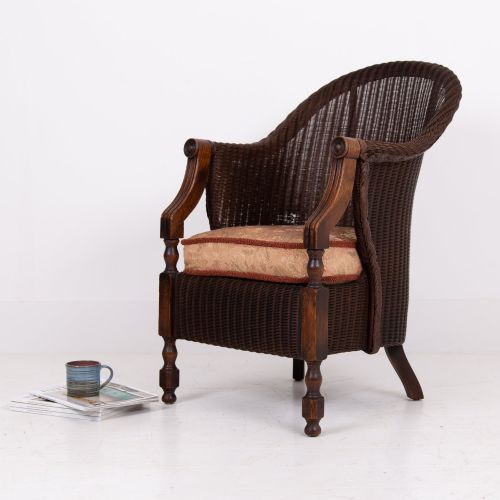
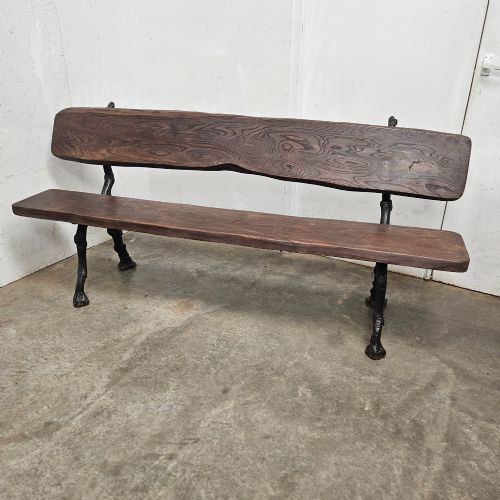
Timber items depend upon hardwoods such as teak and oak, joined to withstand outdoor exposure while developing a silvered patina over decades. Alternative materials include cane, rattan, and elm, often paired with iron frames for structural stability.
What varies in quality
Quality rests in the crispness of the original casting and the integrity of the material used. Fine metalwork displays sharply defined details in foliage or figural elements without the blurring seen in lesser castings.
The choice of timber heavily dictates longevity and physical presence. Denser teak and oak timbers retain structural soundness better than softer woods, and the natural weathering process enhances well-constructed joints rather than compromising them.
Falkirk Carron Foundry·Coalbrookdale·Christopher Dresser·Minton
The Vintage Garden Seating Glossary
- Cast iron
- A strong, rigid alloy poured into moulds to create intricate garden furniture patterns. It provides the heavy weight characteristic of Victorian benches.
- Wrought iron
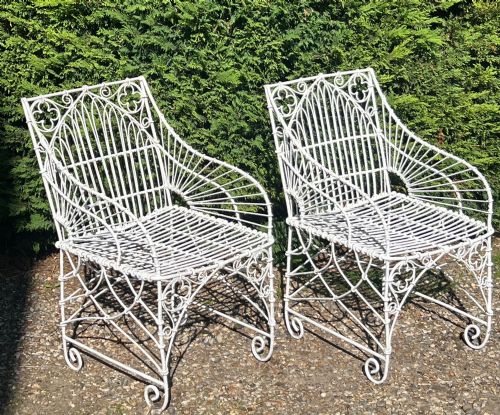
- Iron heated and hammered into shape by hand or machine. This material yields flexible, durable strapwork designs common in Regency seating.
- Teak
- A durable tropical hardwood prized for outdoor use due to its natural oils. It weathers to a silver-grey shade when exposed to the elements.
- Faux bois
- An artistic imitation of wood created in concrete, stone, or metal. Makers utilised this technique to give iron or stone benches the organic appearance of timber branches.
Vintage Garden Seating: Frequently Asked Questions
How do I maintain vintage teak benches?
Teak naturally weathers to a silver-grey patina when left outdoors without treatment. Regular washing with mild soapy water removes surface dirt without harming the wood.
Applying oils is optional and mostly serves to preserve a darker colour rather than protect the timber's core structure.
Can cast iron garden seats stay outside?
Cast iron is heavy and robust, designed specifically to withstand permanent outdoor placement. The metal tolerates rain and sun, though protective paint layers help prevent rust accumulation.
During harsh winter frosts, checking for trapped moisture in hollow sections prevents potential cracking.
How do I identify a Victorian bench?
Victorian seating frequently incorporates heavy cast iron frames with botanical themes such as ferns, leaves, or Gothic arches. These pieces often feature maker marks or registration numbers cast directly into the metalwork.
Timber variations from this era also tend to rely on sturdy oak or early teak construction.
What is Regency strapwork?
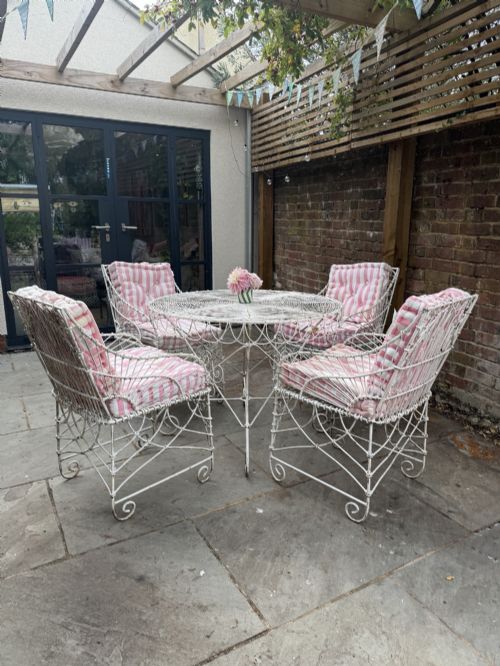
Regency strapwork involves flat bands of wrought iron interwoven to create geometric patterns on seats and backs. This technique produces lighter, more airy visual structures compared to heavy solid castings.
Such designs date to the early nineteenth century and suit formal lawn settings.