

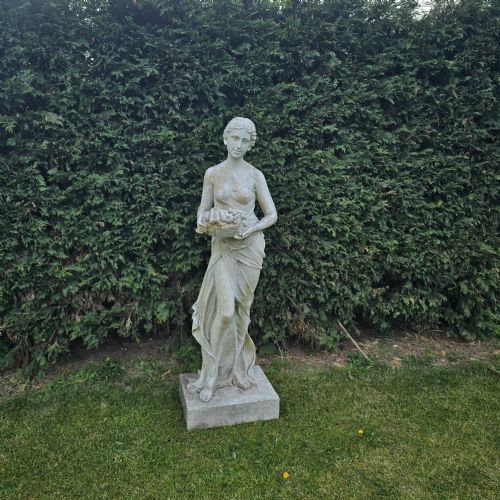


Vintage Garden Ornament Figures
Vintage garden ornament figures bring classical mythology, animal guardians and allegorical characters into the open air.
Vintage Garden Ornament Figures
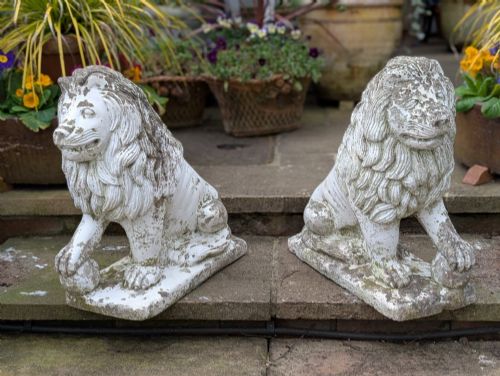
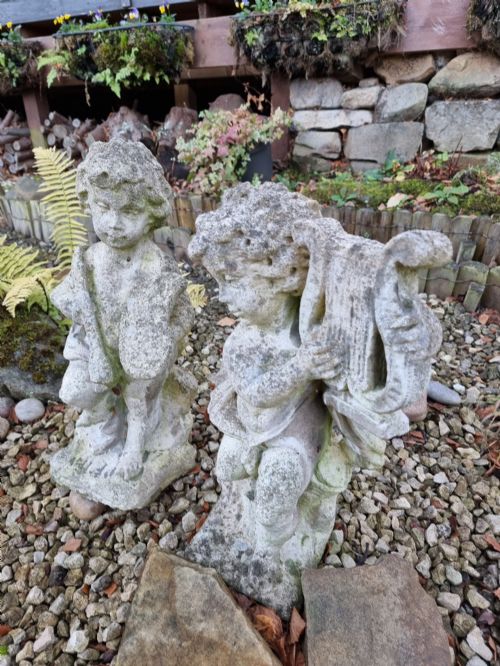
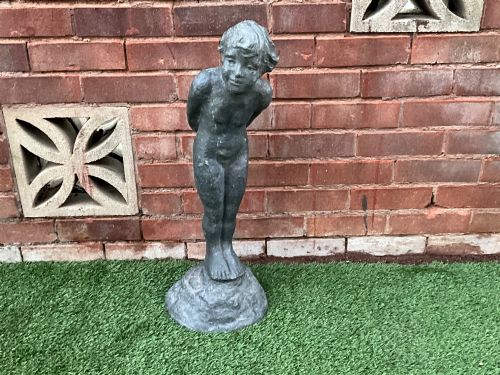
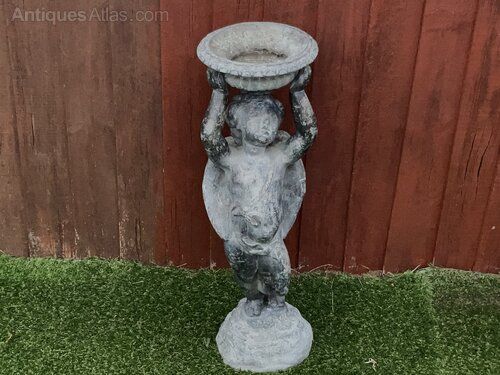
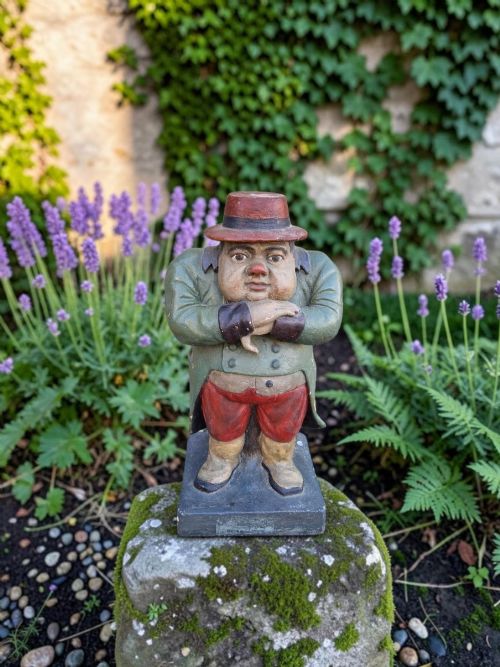
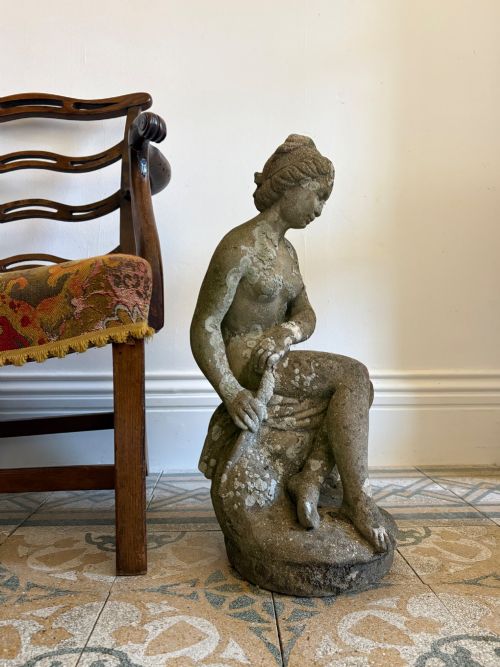
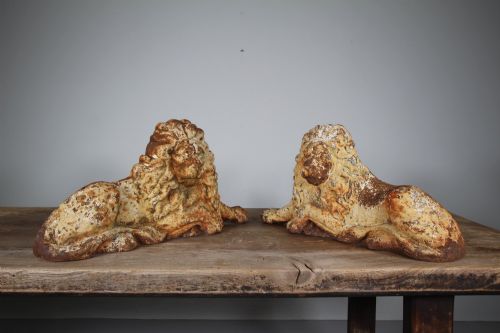
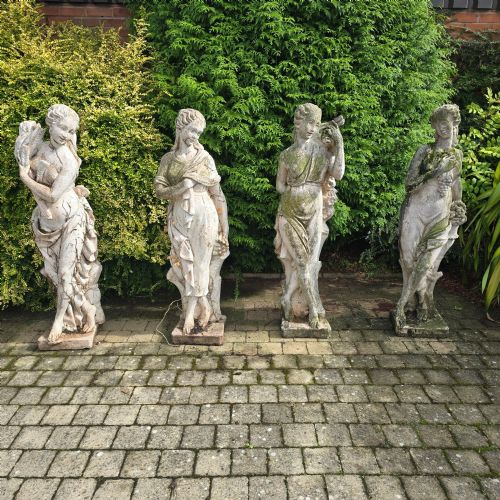
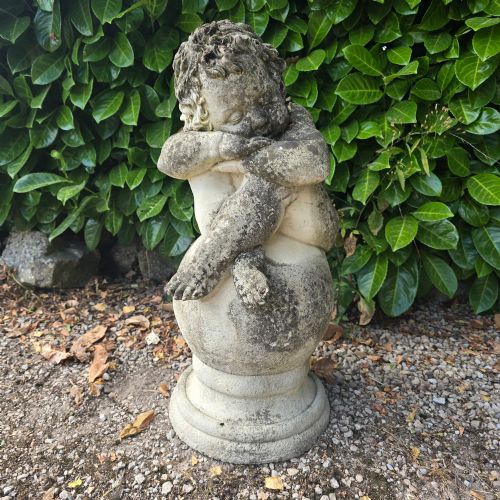
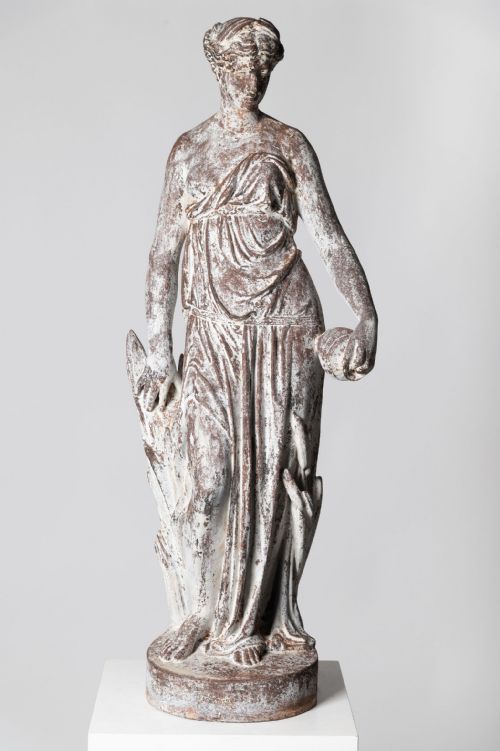
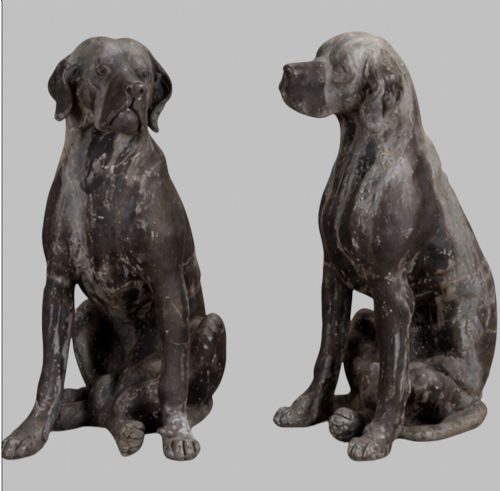
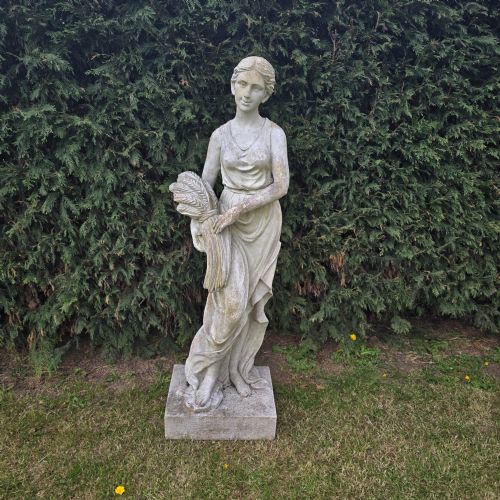
Vintage garden ornament figures span centuries of outdoor sculpture, from nineteenth century interpretations of classical antiquity to mid twentieth century garden statues. When you search for vintage garden ornament figures, you encounter representations of lions, hounds, putti, cherubs, female bathers, satyrs and figures embodying the four seasons.
The material range is wide, taking in lead, cast iron, terracotta, bronze, reconstituted stone and cast stone. Styles move between neoclassical, Victorian, folk art and English country house aesthetics, reflecting changing tastes in landscape design.
The most common form on this page is the stone or lead figure, often standing as a pair or mounted on a plinth. These pieces include boot scrapers, urns, busts and full-scale statues intended to punctuate lawn paths and terrace corners.
How They Were Made
Foundries and workshops shaped these pieces through traditional casting and modeling techniques. Cast iron and lead allowed for sharp detail in animal figures and human statuary, while terracotta and various stone compositions offered durability for exterior display.
Foundries such as Val d’Osne produced substantial cast iron works, while lead figures were cast and sometimes finished with paint. Stone pieces utilised aggregate mixtures shaped in moulds to replicate carved stone or marble.
Vintage Garden Ornament Figures Retail Price Guide 2026
Typical asking prices for vintage garden ornament figures among the pieces listed under this phrase on Sellingantiques today, from the lower quarter to the upper quarter. They describe what is for sale here now, not the wider market.
Listings feature periods spanning from the nineteenth century through to nineteen-fifty, utilising lead, bronze, cast iron, terracotta and stone.
What Varies in Quality
Quality in these figures depends upon the crispness of the casting and the anatomical proportion of the subject. A well proportioned lion or human figure shows correct musculature and balance, whereas lesser examples appear stiff or heavy-handed.
The passage of time creates a desirable patina, but the integrity of the original material remains central. Surface wear on lead or the weathering on cast stone alters the visual weight of the sculpture, distinguishing pieces with genuine age from later reproductions.
Val d’Osne foundry
The Vintage Garden Ornament Figures Glossary
- Putto
- A chubby male child figure, often winged, originating in classical art. These figures appear frequently in lead and stone among garden ornaments.
- Medici Lion
- A representation of the marble lions in the collection of the Medici family in Florence. They are shown guarding a sphere, a popular motif for pair groupings.
- Boot Scraper
- A metal fixture, often cast iron, designed for scraping mud from footwear before entering a house. They occasionally incorporate animal figures.
- Terracotta
- Fired clay used for sculptural garden vessels and large figures. It provides a warm reddish-brown tone that weathers over time.
- Reconstituted Stone
- A composite material made from crushed stone and a binder, cast in moulds to imitate natural stone. It became widely used for twentieth-century garden statuary.
Vintage Garden Ornament Figures: Frequently Asked Questions
What materials are vintage garden figures made from?
These garden figures utilise a range of durable materials including cast lead, cast iron, terracotta, bronze, reconstituted stone and cast stone.
Each material responds to outdoor weathering differently, developing unique surface textures over decades of exposure.
How do I place garden figures outside?
Larger statues and pairs of stone lions or hounds are typically positioned on plinths, flanking steps or marking garden pathways.
Smaller pieces like putti, cherubs or individual figures integrate into flower beds, lawns or conservatory spaces.
Are these garden figures genuine antiques?
The selections span from the nineteenth century through the mid twentieth century, covering Victorian, Edwardian and later periods.
Periods are identified through material composition, casting techniques, foundry marks and characteristic weathering.
What subjects are most common?
Common subjects include classical figures such as Venus and the four seasons, alongside animal guardians like lions, hounds and monkeys.
Mythological characters, cherubs and allegorical representations of autumn or summer also appear frequently.