
Vintage Garden Bistro Table
These vintage garden bistro table examples bring enduring French and Victorian character to outdoor spaces.
Vintage Garden Bistro Table
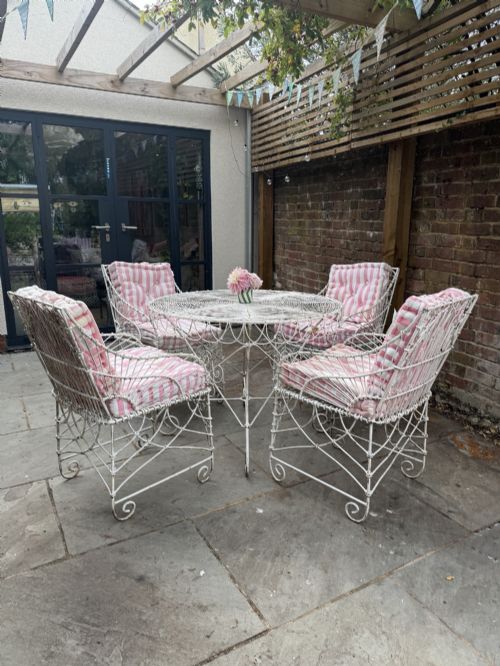
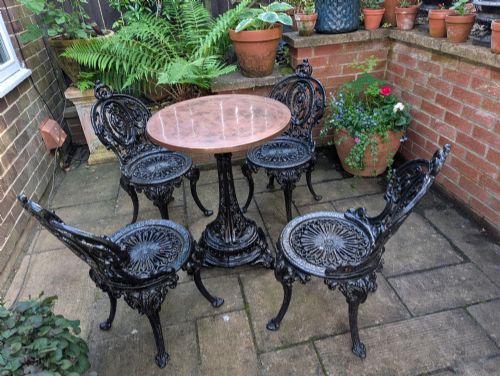
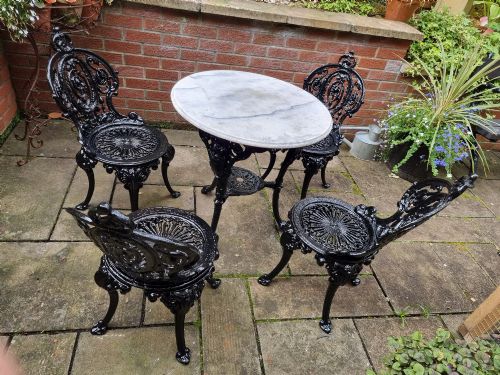
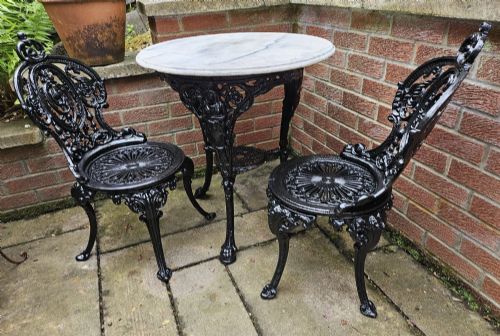
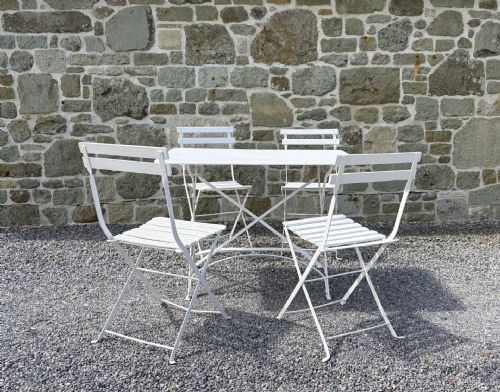
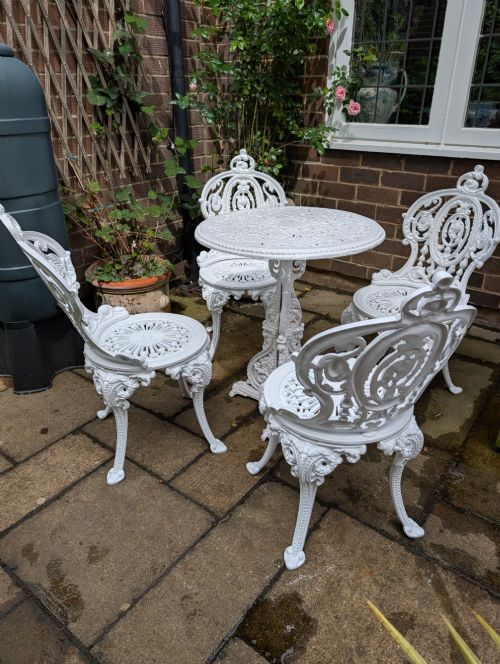
A vintage garden bistro table serves as a compact surface for outdoor dining or socialising, drawing heavily from nineteenth century and early twentieth century French and Victorian traditions. These pieces appear frequently in round or rectangular formats, often accompanied by matching chairs or folding frames suited for smaller terraces and gardens.
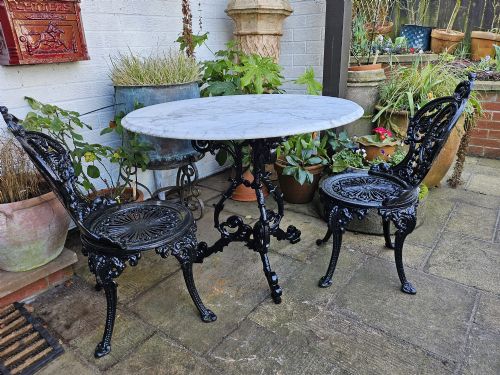
Buyers encounter numerous variations ranging from simple pub tables to elaborate decorative designs influenced by distinct historical periods. The selection spans straightforward café tables to more ornate Victorian examples featuring intricate ironwork and polished stone surfaces.
Origins trace across British and continental workshops, with French provincial and industrial styles dominating the selection alongside traditional English garden pieces. Such tables function effectively both outdoors on patios and inside conservatories or smaller dining areas.
Materials and construction
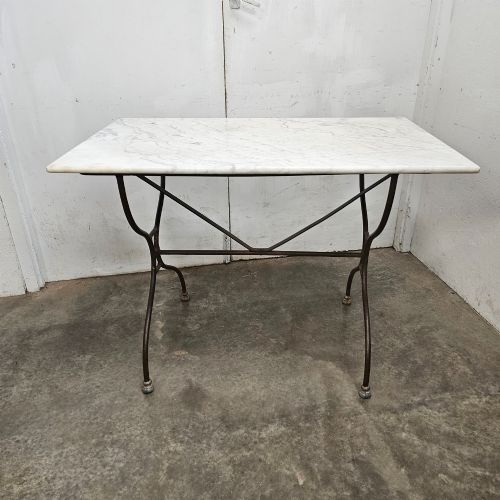
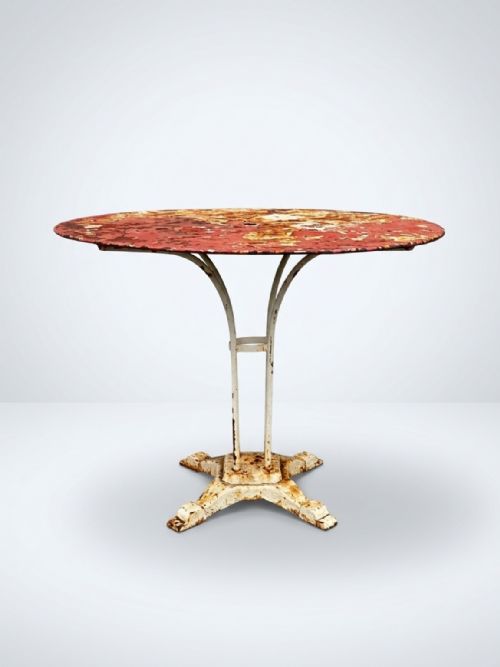
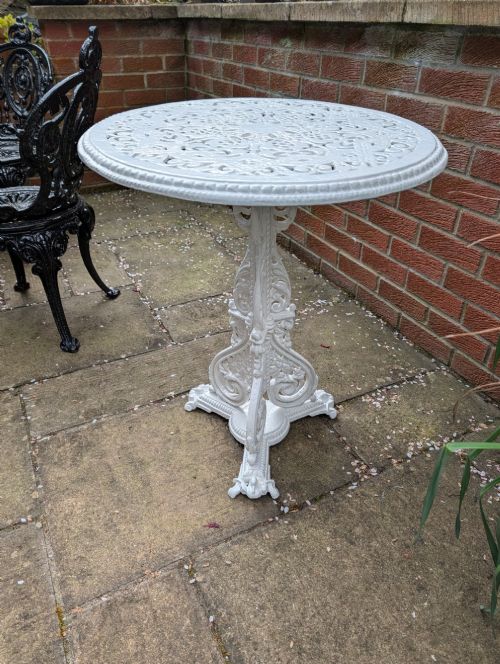
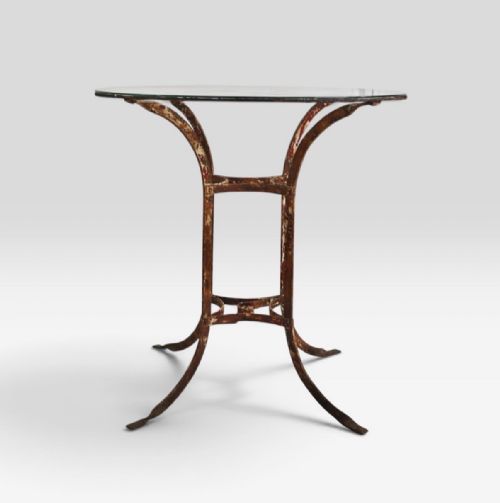
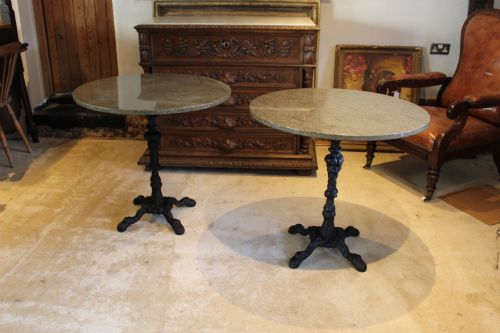
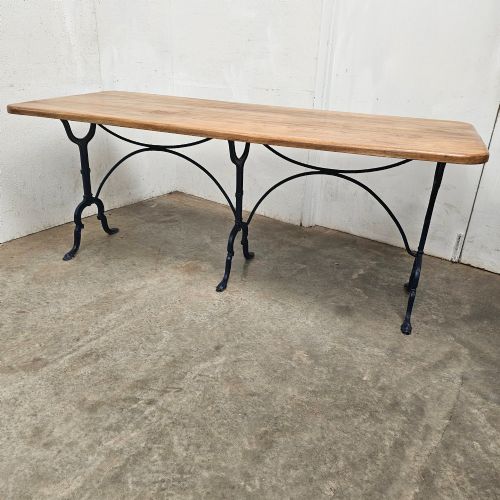
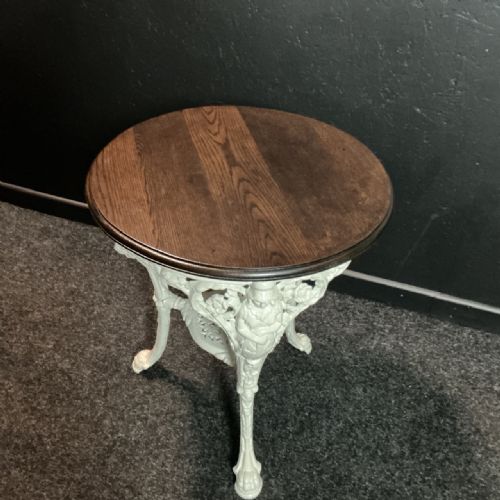
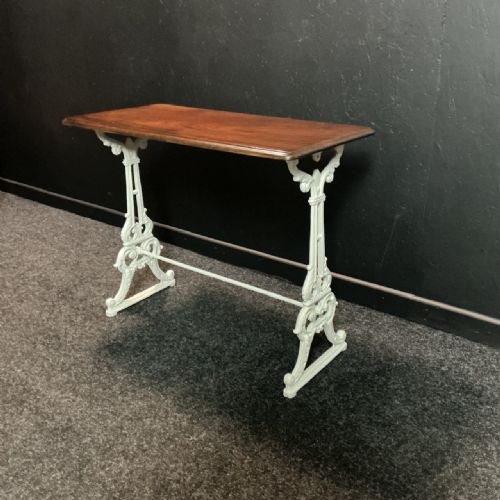
Makers relied primarily on cast iron and wrought iron for sturdy pedestal bases and structural frames, often applying green or neutral paint finishes for protection against the elements. These heavy metal foundations provide the necessary stability to support substantial stone and timber tops.
Table surfaces display a diverse combination of heavy materials, featuring white or green marble, polished granite, zinc, and robust timbers such as French elm and oak. Artisans combined these elements to withstand regular outdoor usage while maintaining a refined decorative appearance.
Some tables hide their weight well, turning a quiet morning coffee into an accidental upper-body workout.
Assessing quality and character
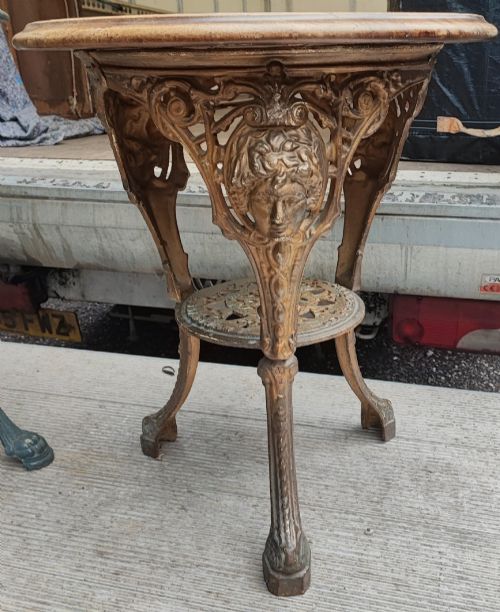
Quality rests in the crispness of the cast iron detailing on pedestals and aprons, where sharper moulding distinguishes superior examples from standard production. Substantial weight and solid structural integrity dictate the durability of both the base and the supporting fixings.
The choice of top material elevates the significance of a piece, with thick specimen marble or polished granite denoting higher craftsmanship compared to simpler wooden or painted surfaces. Original painted patinas and authentic weathering add depth to the overall presentation.
Christopher Dresser
The Vintage Garden Bistro Table Glossary
- Cast iron
- A strong, heavy alloy poured into moulds to create intricate decorative table bases and sturdy legs. This material forms the structural core of many traditional garden tables.
- Gueridon
- A small French round table supported by a single central pillar or pedestal. These tables offer compact surfaces ideal for cafes and intimate seating areas.
- Specimen marble
- A decorative stone top composed of various coloured marbles arranged in geometric patterns or polished slabs. Such tops signal elevated decorative ambition.
- Strap work
- Flat metal strips interwoven or riveted to form decorative structural patterns on table frames. This technique provides both visual interest and physical reinforcement.
Vintage Garden Bistro Table: Frequently Asked Questions
How do I date a vintage garden bistro table?
Dating relies on examining the manufacturing techniques visible in the ironwork, the style of the pedestal base, and the choice of surface materials. Nineteenth century examples often display heavier cast iron components and traditional fastening methods.
Later pieces from the early twentieth century introduce alternative metals, folding mechanisms, and simpler industrial lines. Comparing the design motifs to documented Victorian or French provincial patterns clarifies the era of production.
Can these tables stay outside year round?
Cast iron and painted metal frames tolerate outdoor conditions well, provided they receive basic maintenance and seasonal protection against severe weather. Regular inspection helps preserve painted or treated surfaces.
Marble or wooden tops require more careful management during freezing winter months to prevent cracking or moisture damage. Many owners store sensitive surfaces indoors or use protective covers when the furniture remains outside.
Are these tables heavy to move?
The combination of cast iron bases and stone tops results in considerable weight, making most traditional examples quite heavy and stable. This heft prevents tipping in windy garden environments but requires deliberate effort when rearranging furniture.
Lighter alternatives featuring wooden tops or folding iron frames offer greater portability for those who need to store the furniture regularly. Evaluating the primary materials helps determine whether a piece suits a permanent spot or frequent relocation.
What is the difference between a pub table and a bistro table?
Pub tables traditionally originate from British domestic or commercial tavern settings, featuring robust cast iron bases designed for heavy daily use. They often prioritize straightforward utility and sturdy construction.
Bistro tables lean towards continental café culture, typically incorporating more decorative French provincial styling and refined marble or zinc tops. Both types serve similar functional roles but carry distinct regional design aesthetics.