



Vintage Furniture Pieces
These vintage furniture pieces span grand multi-item suites and intricate miniatures, offering character and practical storage shaped by decades of traditional craftsmanship.
Vintage Furniture Pieces
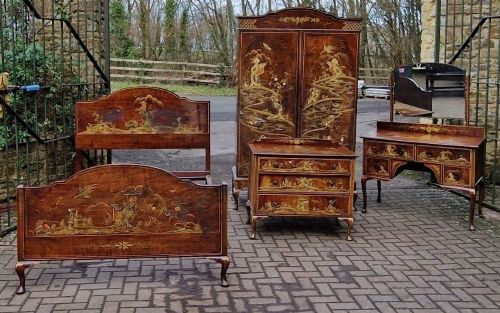
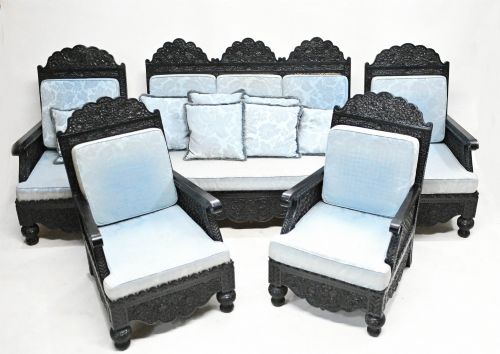
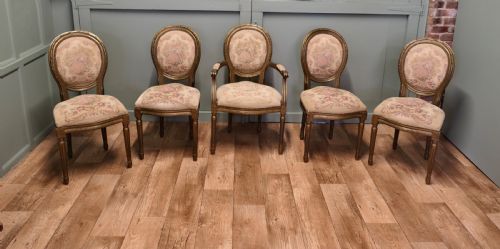
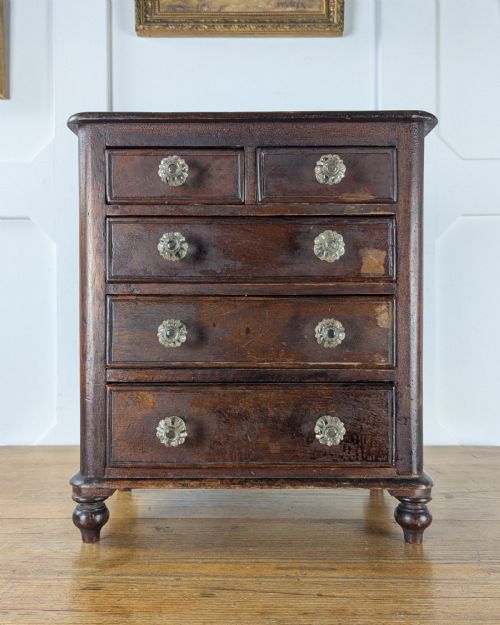
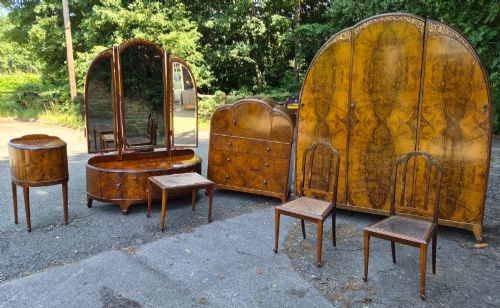
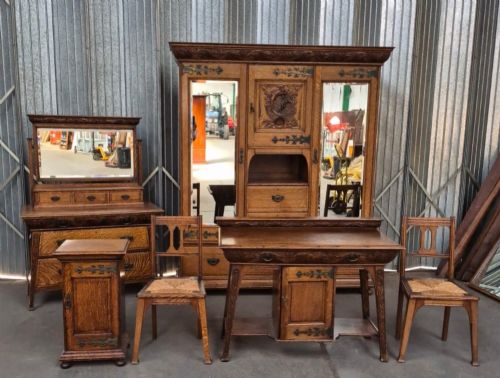
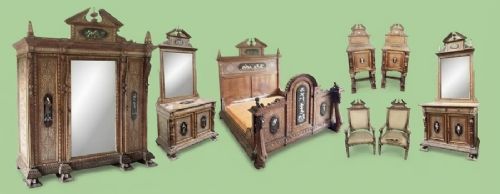
When searching for vintage furniture pieces, buyers encounter an eclectic mix ranging from expansive salon and bedroom suites to diminutive apprentice chests and miniature cabinets. The selection bridges formal periods like the Victorian and Edwardian eras with the streamlined geometry of the Art Deco movement.
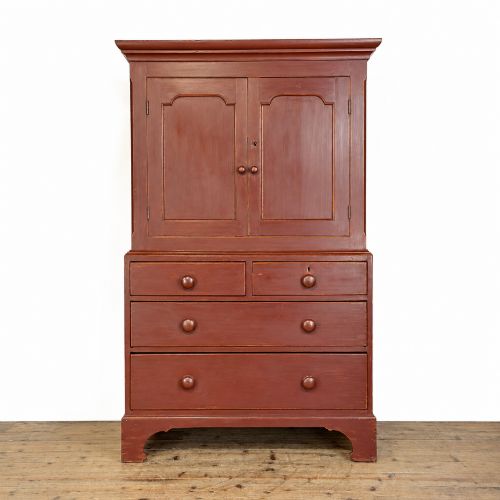
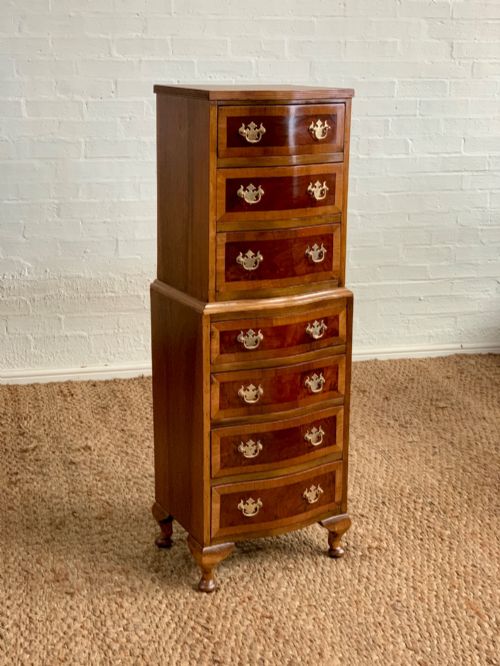
Larger items often manifest as multi-piece seating arrangements, wardrobes, and housekeepers' cupboards constructed from substantial timbers. Conversely, smaller forms include tabletop chests of drawers and delicate display items designed for specialised domestic roles.
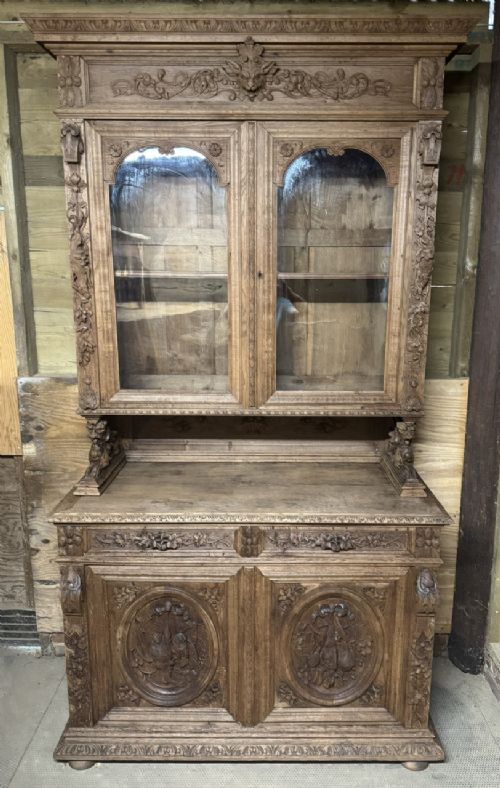
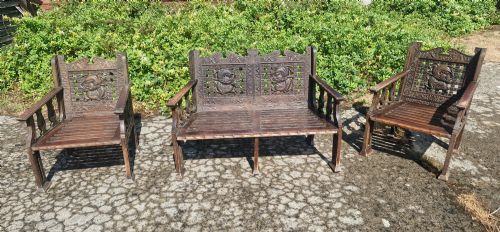
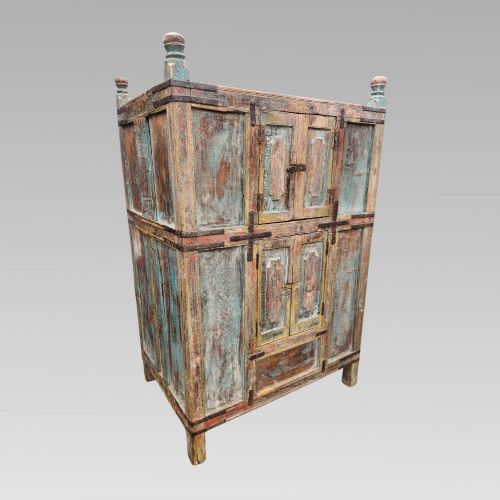
Origins vary widely across these listings, spanning English country workshops, French cabinet makers, and colonial workshops in India. This geographical breadth introduces diverse timber selections and decorative carving traditions to the domestic interior.
Materials and construction methods
Makers utilised a diverse palette of hard and soft woods, relying heavily on figured walnut, dense mahogany, and sturdy oak for primary framework and cabinetry. Exotic materials such as padauk wood and burr walnut veneer appear on specific regional and period pieces, adding visual depth through natural grain patterns.
Construction techniques combine traditional joinery with decorative surface treatments including carved detailing, brass hardware, and specialised leather upholstery. French polishing, wax finishes, and painted surfaces preserve the timber while highlighting the structural integrity of each piece.
Vintage Furniture Pieces Retail Price Guide 2026
Typical asking prices for vintage furniture pieces among the pieces listed under this phrase on Sellingantiques today, from the lower quarter to the upper quarter. They describe what is for sale here now, not the wider market.
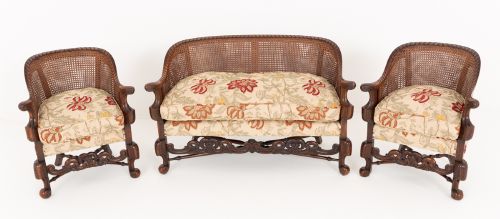
Miniature dollhouse chairs bring monumental ambition to a very small scale.
Distinguishing quality across the range
Quality reveals itself in the selection of timber veneers and the precision of the joinery, particularly where intricate carvings or marquetry meet structural frames. Superior examples display cohesive design across multi-piece suites, matching grain patterns and utilising original brass or glass components.
The degree of hand-carved ornamentation and the preservation of original finishes separate standard utilitarian items from finer decorative pieces. Consistency in timber selection across matching sets indicates the hand of skilled workshops rather than mass production.
Waring & Gillows·Frank Taylor & Co·B Cohen & Sons
The Vintage Furniture Pieces Glossary
- Apprentice piece
- A small-scale item created by a craftsman to demonstrate skill rather than for domestic use. These objects often mirror the proportions of full-sized furniture.
- Suite
- A matching set of furniture designed for a specific room, such as a lounge, bedroom, or salon. They typically comprise seating combinations or coordinated cabinetry.
- Marquetry
- The art of applying decorative veneer pieces to a structure to form intricate patterns or pictures. This technique often employs contrasting timbers.
- Bergere
- A type of enclosed upholstered armchair with a wooden frame and cane panels on the sides or back. Originating in France, it remains popular in period settings.
- Almirah
- A regional term for a freestanding cupboard or wardrobe used for storage. These items frequently originate from colonial or Indian contexts.
Vintage Furniture Pieces: Frequently Asked Questions
How do I care for antique wooden surfaces?
Maintain timber surfaces by applying natural beeswax periodically and avoiding direct exposure to strong sunlight or sudden temperature changes. Gentle dusting with a soft cloth preserves the original polish.
Keep humidity levels stable within the room to prevent timber from warping or splitting over time.
Were miniature furniture pieces made for children?
Most small-scale items served as apprentice pieces or salesman samples rather than toys for children. Master craftsmen built them with genuine joinery to display their technical proficiency.
Cabinetmakers used them to demonstrate skill to prospective clients before undertaking larger commissions.
How can I distinguish Art Deco from Edwardian furniture?
Art Deco pieces favor streamlined geometric forms, smooth burr walnut veneers, and contrasting leather upholstery. They reflect a modern aesthetic focused on clean lines.
Edwardian items tend to lean towards inlaid mahogany, traditional upholstery styles, and revival motifs drawn from earlier historic periods.
Are multi-piece suites always found together?
Many larger suites survive intact, but some sets have been assembled or partially separated over decades of use. Checking timber matches and hardware helps determine if the pieces originated together.
Matching finishes and consistent wear patterns across chairs and sofas usually indicate a unified set.