


Vintage Furniture Books
Vintage furniture books bring together timeless library architecture and domestic storage, offering practical character for your collection.
Vintage Furniture Books
Vintage furniture books and related library pieces encompass a broad range of storage forms designed to house volumes in domestic settings. When exploring vintage furniture books, buyers encounter everything from revolving table-top units to tall library cabinets spanning several periods.
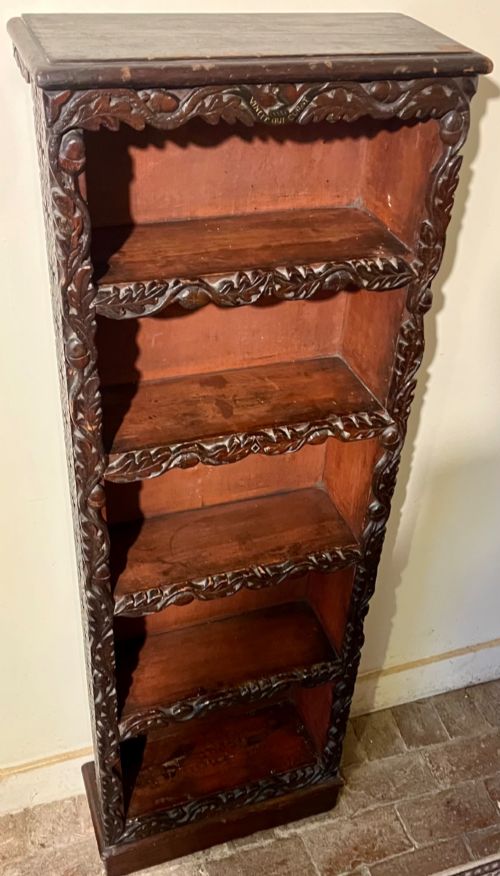
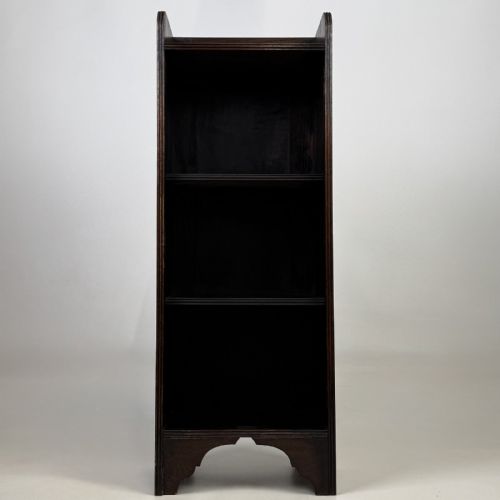
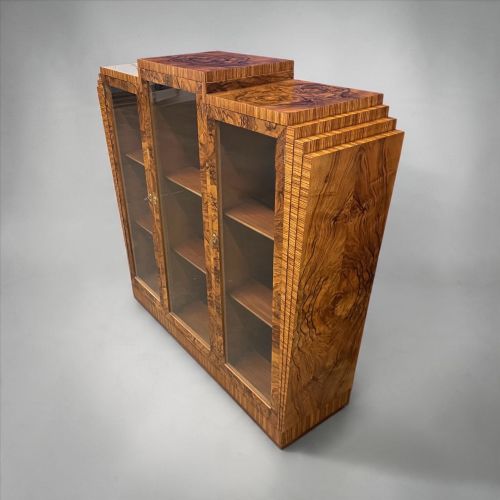
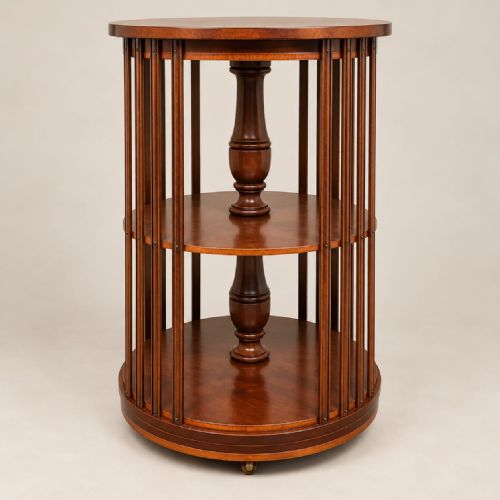
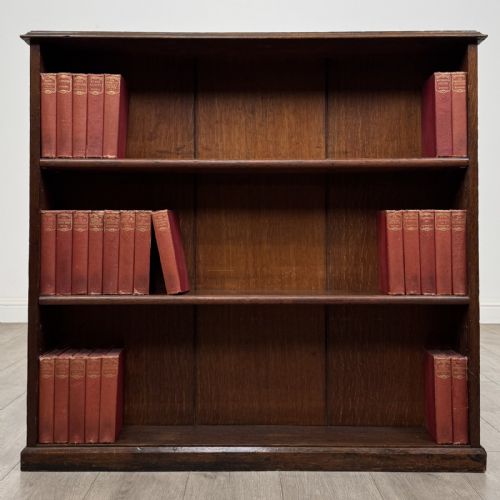
The pieces appearing most frequently in this category include Edwardian and Art Deco revolving bookcases, open oak shelving, and mahogany bookcases from the nineteenth century. These forms reflect changing domestic habits and the increasing accessibility of literature across different eras.
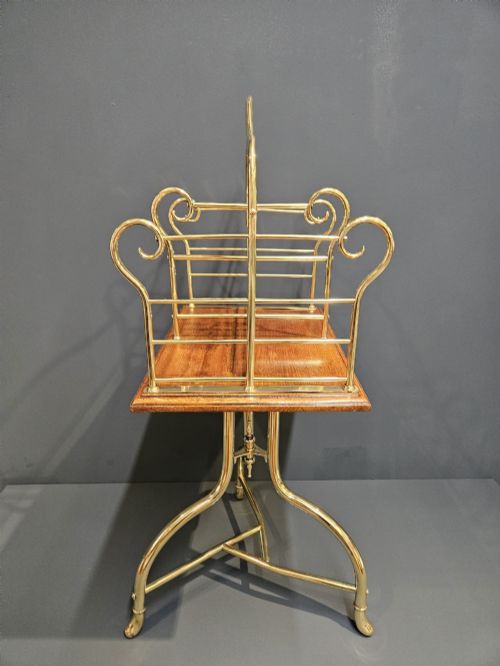
Makers such as Lebus and Finnigans appear alongside unsigned pieces, providing functional variety from sectional designs to magazine racks. The selection demonstrates how period craftsmanship served the practical demands of private libraries and studies.
Materials and Construction
Makers relied heavily on solid oak and mahogany, often pairing them with walnut, burr walnut, and satinwood for decorative effect. These timbers provided the structural integrity required to support heavy rows of books over decades of daily use.
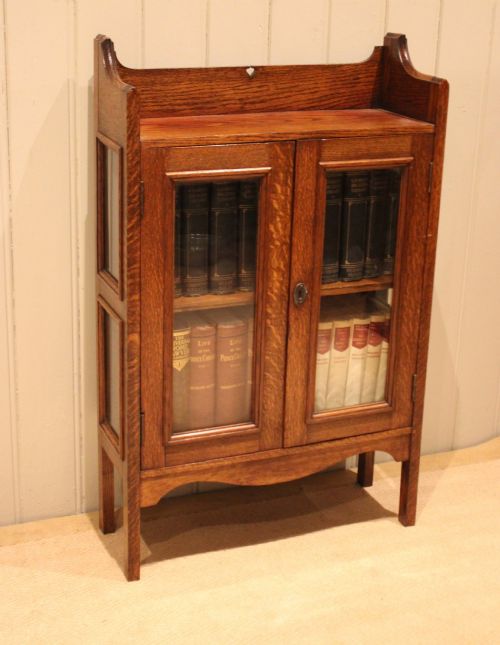
Joinery techniques ranged from traditional dovetailing in drawers to slatted frameworks and revolving mechanisms fitted with brass hardware. Glazed doors utilised leaded glass panels, while desks and reading tables occasionally incorporated leather surfaces into the timber frame.
Vintage Furniture Books Retail Price Guide 2026
Typical asking prices for vintage furniture books among the pieces listed under this phrase on Sellingantiques today, from the lower quarter to the upper quarter. They describe what is for sale here now, not the wider market.
Listings feature oak predominantly, alongside mahogany, walnut, and occasional brass and iron hardware.
Distinctions in Quality
The distinction between standard domestic output and high-end library pieces rests upon timber selection and refinement of detail. Marquetry inlay, figured veneers, and carved oak mouldings elevate specific examples above plain utility pieces.
Mechanical components such as the rotating bases on revolving bookcases demonstrate engineering quality. Smooth operation, original brass fittings, and adjustable shelving indicate superior original manufacture.
Lebus·Finnigans
The Vintage Furniture Books Glossary
- Revolving bookcase
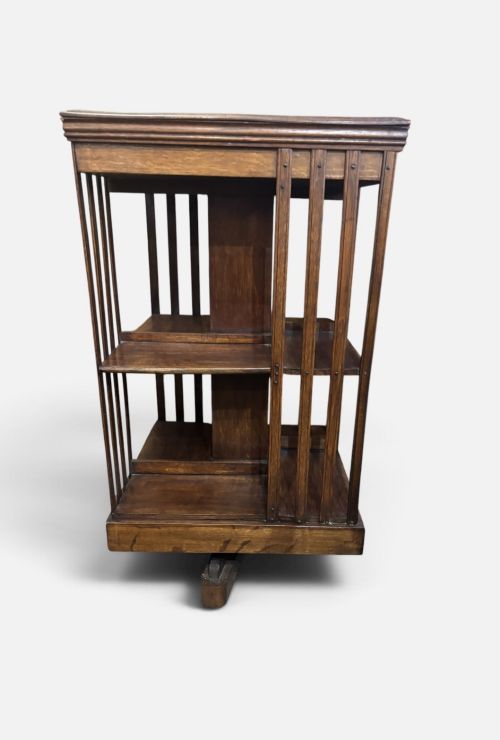
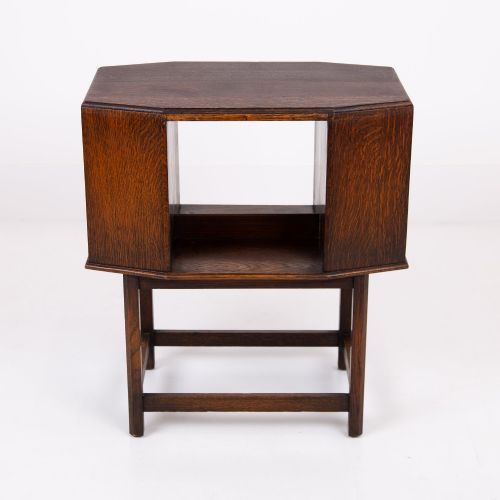
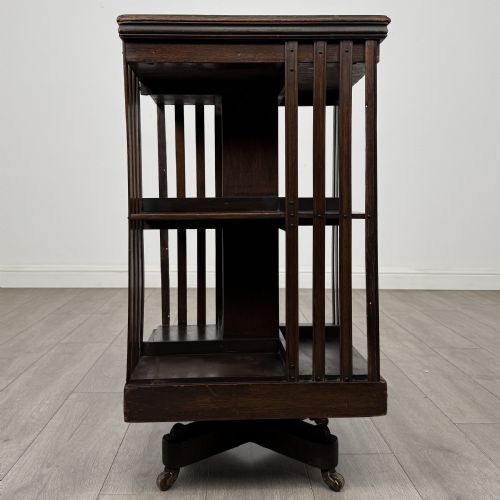
- A low or table-top bookcase built on a rotating mechanism to allow access from all sides. These pieces became particularly popular during the Edwardian period.
- Open bookcase
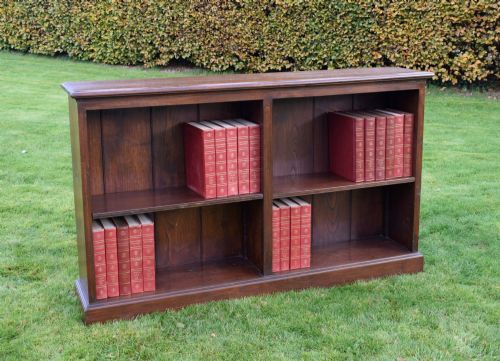
- A shelving unit without doors, designed for easy retrieval of volumes. Many surviving examples feature raised galleries or adjustable wooden shelves.
- Whatnot
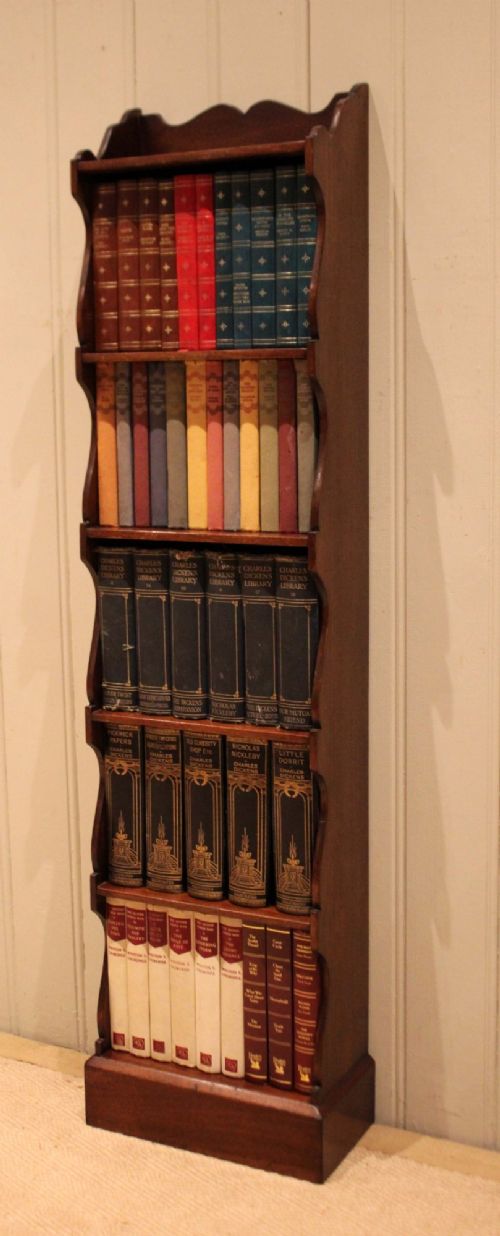
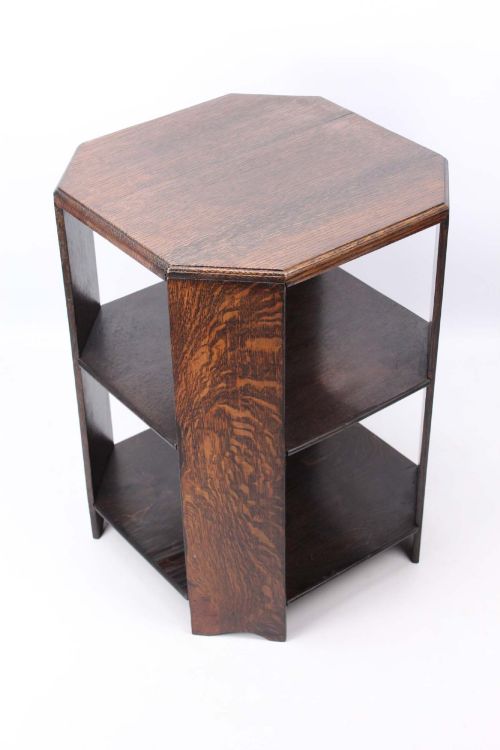
- A set of open shelves supported by slender pillars, utilised for displaying books and ornaments. Examples range from late nineteenth-century mahogany tiers to multi-level occasional tables.
- Sectional bookcase
- A modular storage system composed of stackable units with glass-fronted doors. Lebus produced notable examples of this practical office and home design.
- Waterfall bookcase
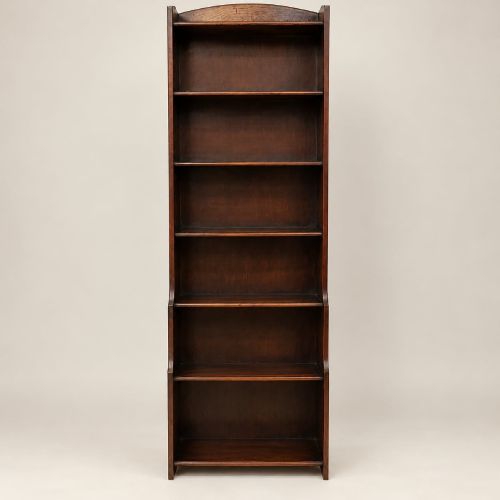
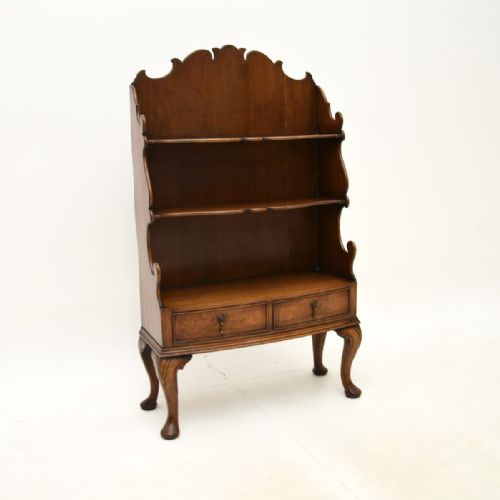
- A set of open shelves stepped back progressively from bottom to top, following a cascading silhouette. Regency and later makers favored this profile for lighter display.
Vintage Furniture Books: Frequently Asked Questions
What periods do these pieces span?
The selection spans from the nineteenth century through the Edwardian era and into the interwar Art Deco period of the 1920s and 1930s.
Buyers encounter various stylistic revivals alongside pieces made during the height of these periods, reflecting shifting interior design tastes.
How do revolving bookcases function?
Revolving bookcases rest upon a concealed central pivot and ball-bearing base, allowing the entire wooden structure to turn smoothly by hand.
This design enabled owners to house a substantial collection of volumes within reach of an armchair or desk.
Are the shelves adjustable?
Many open bookcases feature adjustable wooden shelves supported by traditional wooden ratchets or metal shelf clips.
This adaptability allowed nineteenth and early twentieth-century readers to alter shelf heights for varying folio sizes.
What is a sectional bookcase?
A sectional bookcase consists of individual stackable compartments with upward-lifting glass doors that slide into the unit.
This modular format allowed growing library collections to expand vertically without purchasing an entirely new cabinet.