


Vintage Fruitwood Treen
These vintage fruitwood treen objects are tactile everyday items shaped from close-grained timber that carry the rich patina of centuries of handling.
Vintage Fruitwood Treen
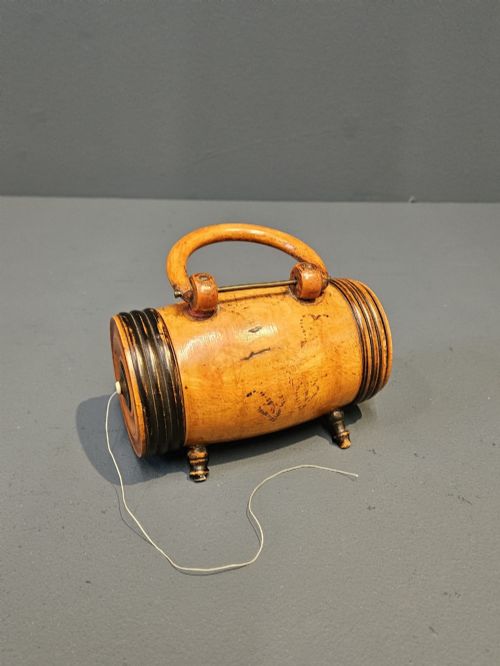
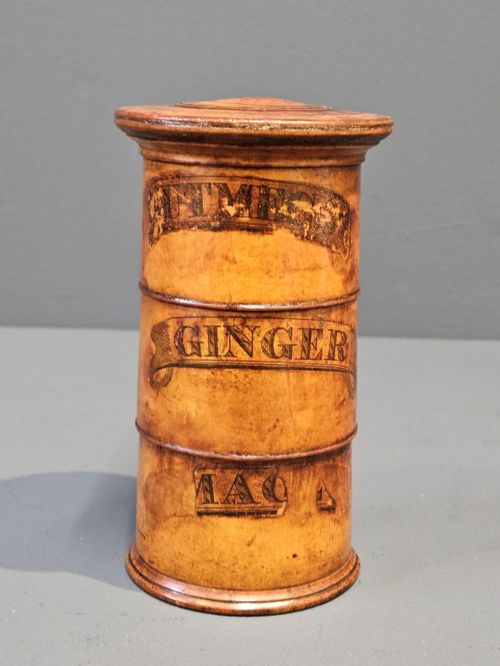
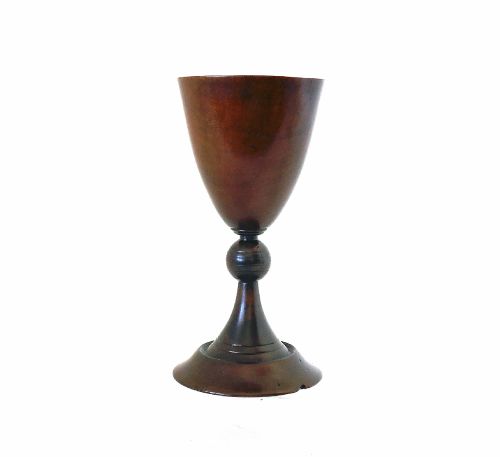
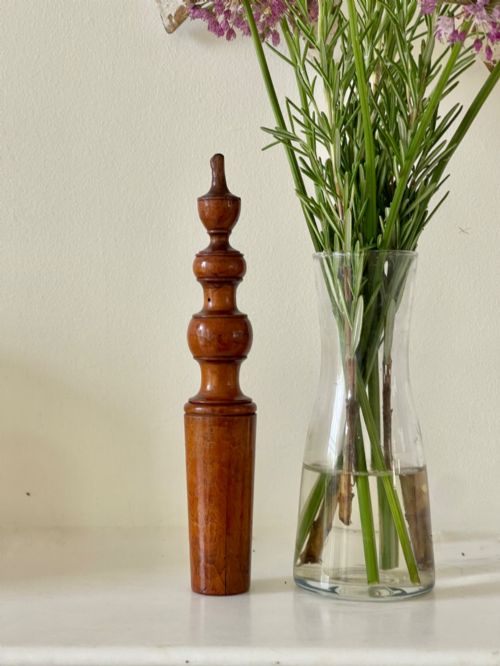
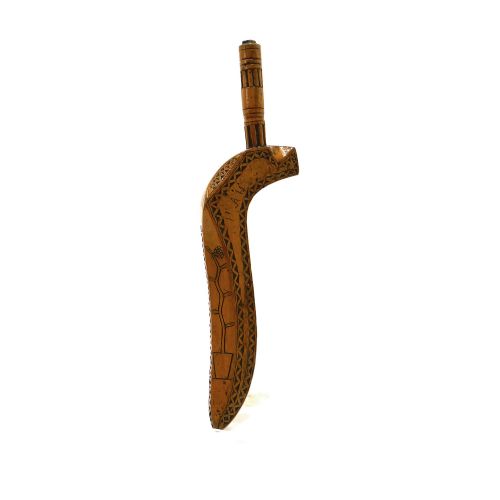
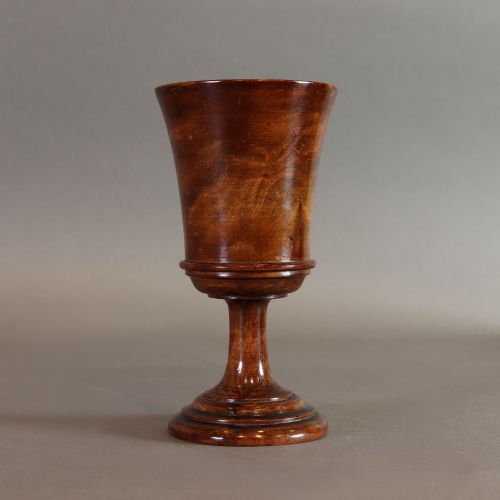
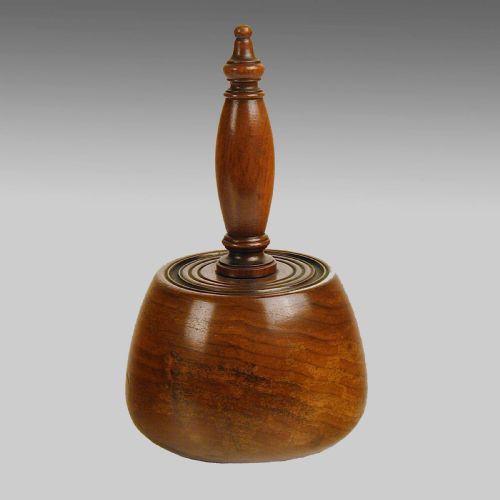
Vintage fruitwood treen encompasses small domestic wooden objects and kitchenware spanning from the seventeenth century through the Victorian era and into the twentieth century. When exploring vintage fruitwood treen, you encounter functional items such as turned goblets, nutcrackers in animal forms, spice towers, and knitting sheaths.
The selections on this page range from utilitarian kitchen collectables like pestles and mortars to folk art items including Welsh lovespoons and shoe snuff boxes. Most examples originate from British workshops, though occasional continental pieces like Swiss condiment spoons appear among the inventory.
How they were made
Craftsmen utilised dense fruitwood timber, prized for its smooth grain and stability under the lathe, to shape vessels, goblets, and spice towers. Turning on a lathe formed the symmetrical profiles of bowls, goblets, and pedestals.
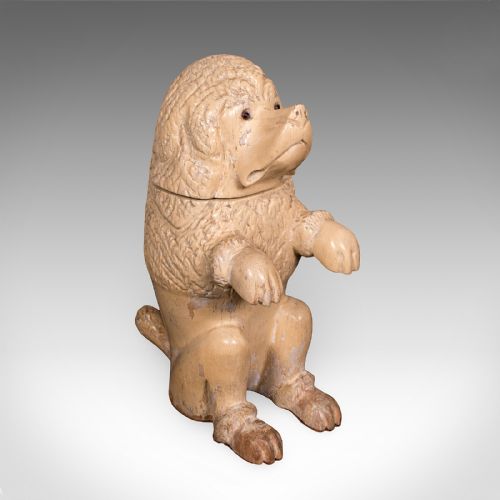
Detailing relied on hand carving and simple metal tools to apply punchwork decoration, figural shapes like poodles and squirrels, and articulated elements such as rattles. Surfaces remained largely untreated by heavy varnishes, developing their sheen instead through decades of oils from human hands.
Carvers turned solid timber into charming domestic companions, immortalising poodles and squirrels as functional nutcrackers.
What varies in quality
The distinction between ordinary and exceptional examples rests upon the crispness of the turning and the ambition of the carving. Items featuring sculptural forms, such as figural nutcrackers or detailed punchwork decoration, demand greater skill from the maker than plain utility pieces.
Preservation of the original surface patina also defines the standing of a piece. Examples retaining their soft, handling-worn character without heavy modern intervention command greater appreciation among collectors than those with stripped or over-polished timber.
The Vintage Fruitwood Treen Glossary
- Treen
- Small handmade wooden objects for domestic use. The term derives from old terminology meaning made of tree.
- Fruitwood
- Timber sourced from fruit-bearing trees such as apple, pear, or cherry. It offers a dense, fine grain suited to detailed turning.
- Knitting sheath
- A traditional device tucked into an apron or belt to hold a knitting needle steady. They often display intricate folk art carving.
- Negus strainer
- A small perforated utensil used to strain spiced wine drinks. These sit across the rim of a glass or jug during pouring.
- Lovespoon
- A carved wooden spoon given as a token of affection. Welsh examples are particularly noted for intricate pierced decoration.
Vintage Fruitwood Treen: Frequently Asked Questions
What is fruitwood treen?
Fruitwood treen comprises small, functional wooden items fashioned from dense orchard timbers like apple or pear. These encompass everything from kitchen utensils to decorative folk art.
Over centuries, handling imparts a distinct warm sheen to the wood. Collectors prize these objects for their combination of utilitarian purpose and vernacular craft.
How do I date treen?
Dating relies on tool marks, timber characteristics, and the evolution of domestic forms. Eighteenth-century pieces often show distinct lathe centring marks and simpler profiles.
Victorian examples can feature more elaborate ornamentation or machinery-assisted turning. Comparing the wear patterns to documented museum pieces helps narrow the decade.
How should I clean treen?
Maintain these wooden surfaces using a dry, soft cloth to remove dust. Avoid water immersion, modern detergents, or harsh chemical polishes.
Occasional application of microcrystalline wax helps protect dry timber. This preserves the historical patina accumulated over generations of use.
Were these items used daily?
Most pieces served practical functions in domestic kitchens, workshops, or parlours. Items like pestles, spice towers, and apple corers saw active daily employment.
Over decades of service, this frequent contact shaped the softened edges and rich surface tones. Even decorative items like lovespoons carried significant cultural roles in daily courtship.