




Vintage Fringed Floor Lamp
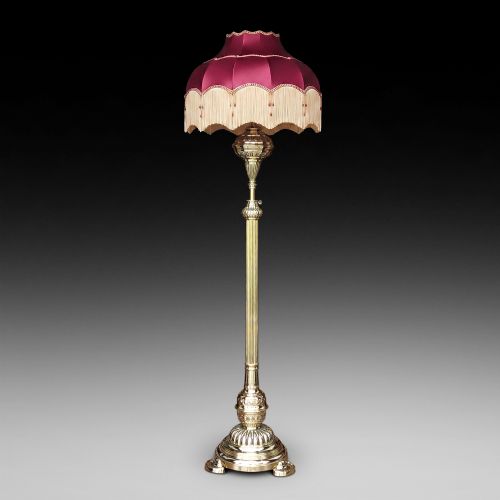
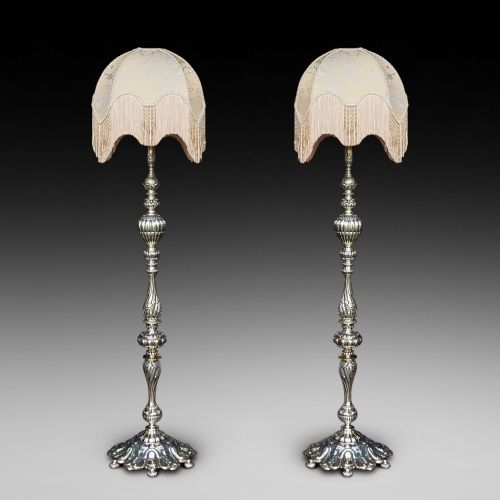
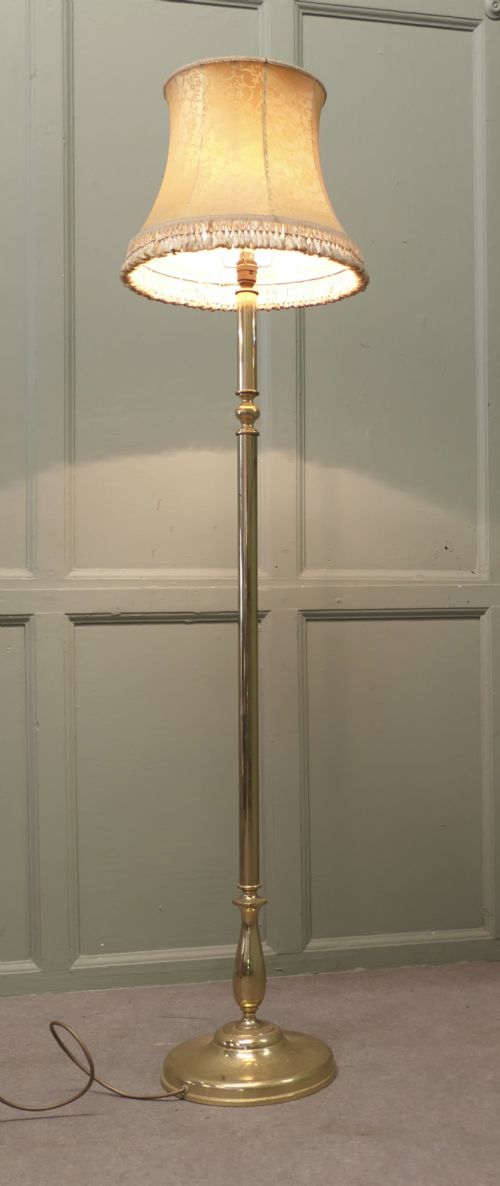
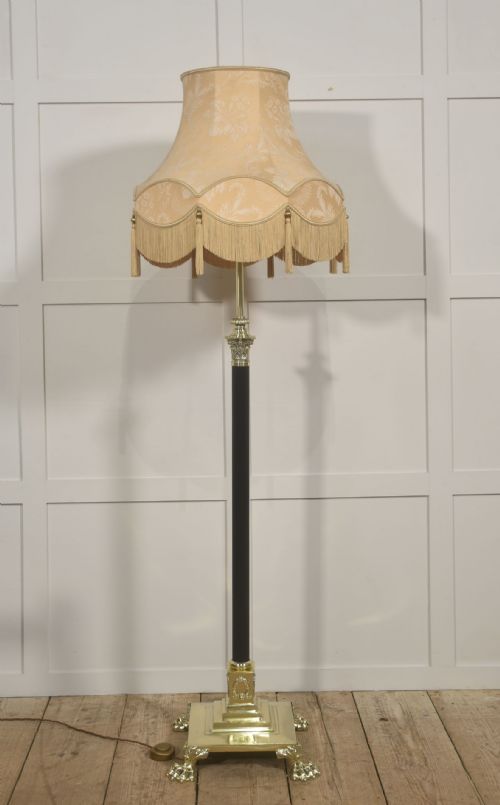
These vintage fringed floor lamps bring height, warmth and period character to a room through traditional lighting forms.
Vintage Fringed Floor Lamp
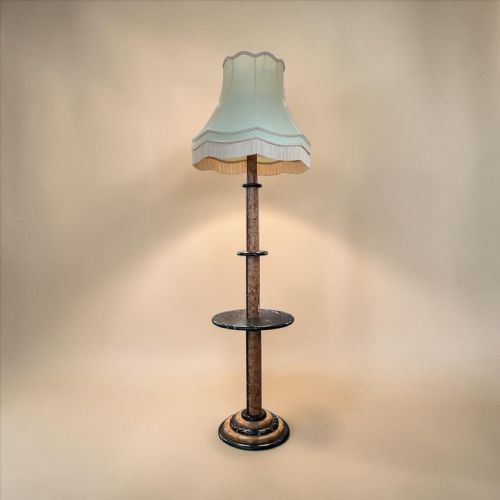
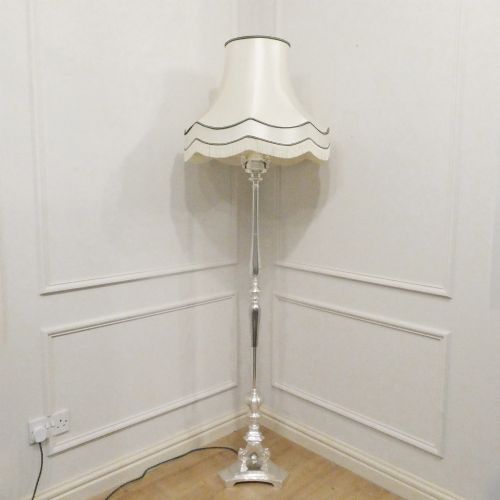
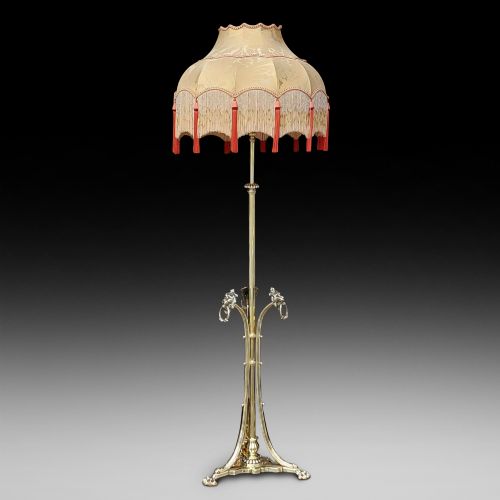
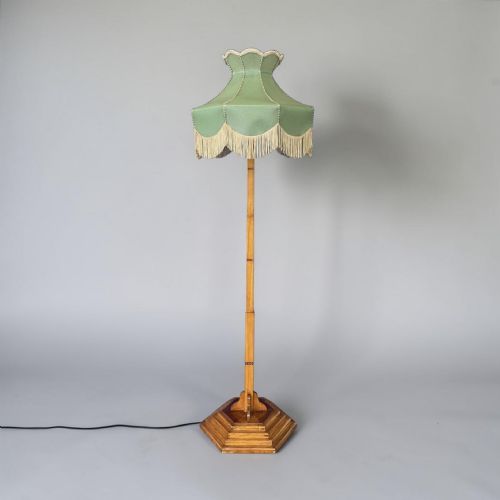
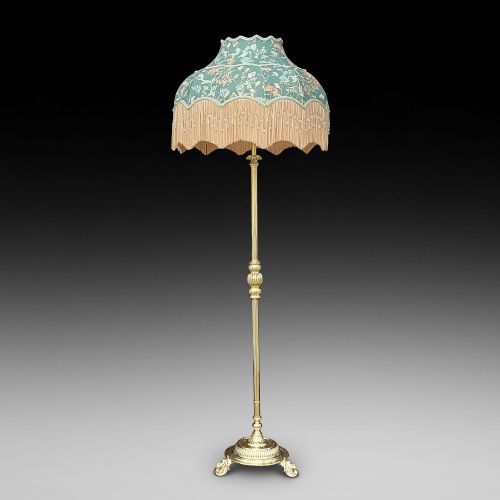
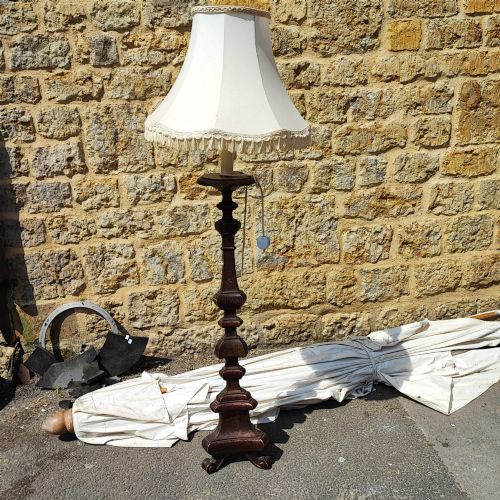
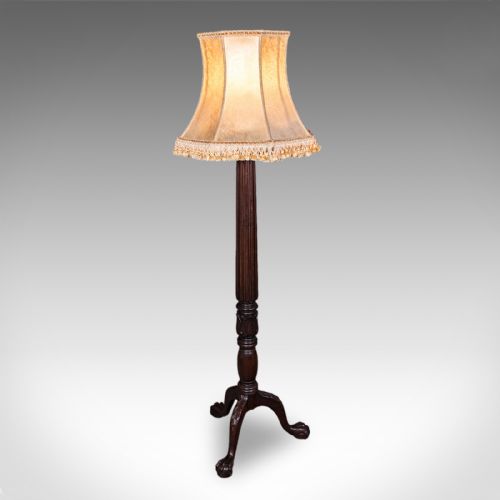
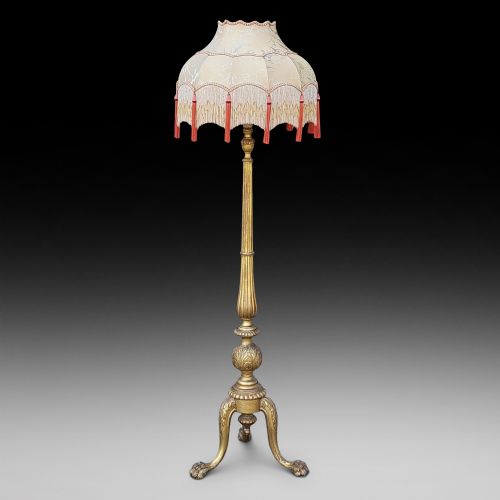
When you search for vintage fringed floor lamp, you encounter tall lighting fixtures designed to stand on the floor and illuminate a space from above. The versions met most often on this page take the form of standard lamps and floor lamps spanning periods from the Victorian era through the Edwardian years and into the 1930s.
These pieces emerge from diverse design traditions, showing influences of Art Nouveau, Art Deco, Neoclassical, and Arts and Crafts styles. They function as both practical light sources and decorative focal points within a room.
How they were made
Makers constructed the upright columns and bases from solid materials such as brass, giltwood, mahogany, and marble, often employing telescopic or adjustable stems. Metal components frequently feature cast or chased detailing, while wooden examples display carved ornamentation.
Lighting shades and decorative elements incorporated fabrics like silk and fringe to soften the illumination. Construction methods combined metalworking, wood carving, and textile assembly to produce sturdy yet ornate floor-standing light fittings.
A Tibetan ceremonial copper horn found a second life as a floor lamp, proving that illumination follows unexpected paths.
What varies in quality
Quality rests upon the weight and purity of the materials, separating solid cast brass or carved mahogany frames from lighter metal alloys or simpler turned woods. The refinement of surface decoration, such as intricate floral openwork on a base or precise carving on giltwood, distinguishes finer examples.
The sophistication of the mechanical parts, including adjustable telescopic stems and original oil-to-electric conversion or mounting mechanisms, dictates the overall execution and enduring capability of the piece.
Hinks of B'ham·Messenger
The Vintage Fringed Floor Lamp Glossary
- Standard lamp
- A term commonly used in British English for a floor lamp or tall upright light fitting designed to stand independently in a room. It usually comprises a heavy base, a vertical column, and a fitting for a bulb and shade.
- Telescopic
- A descriptive term for a lamp stem that extends in height through sliding tubular sections. This mechanism allowed users to adjust the vertical reach of the light source.
- Giltwood
- Timber, such as carved mahogany or other woods, treated with a thin layer of gold leaf or gilt finish. It appears frequently on Neoclassical and French-style bases.
- Corinthian column
- An architectural column design featuring an ornate capital decorated with acanthus leaves. Makers frequently adapted this classical form for the upright shafts of brass standard lamps.
- Canterbury
- A low piece of furniture combining compartments for sheet music or books with an attached lamp standard. These dual-purpose items combine storage with elevated lighting.
Vintage Fringed Floor Lamp: Frequently Asked Questions
What is a standard lamp?
A standard lamp is a tall, floor-standing lighting fixture designed to provide ambient or task illumination without needing a table. These pieces support a lampshade at eye level or above to cast light across a room.
They serve as prominent furniture items that anchor a seating area or corner space, combining structural presence with functional lighting.
How do I date a brass standard lamp?
Dating relies on stylistic details, such as the flowing organic lines of Art Nouveau or the classical proportions of Neoclassical Corinthian columns. Construction methods like telescopic adjustment mechanisms and threaded joins also help determine the period.
Victorian and Edwardian examples often display heavier cast brass components and specific maker signatures, whereas later 1930s pieces reflect simpler geometric trends.
Where should I place a floor lamp?
These lamps suit placement beside armchairs, sofas, or in empty corners where they add height and warm illumination to an interior scheme. Their vertical profile draws the eye upward while freeing up surface space on side tables.
Positioning them near seating allows the shade to direct light downward for reading while the decorative column enhances the room's decor.
What materials were used for bases?
Bases were built from durable materials including solid brass, cast iron, carved mahogany, and marble to ensure stability for the tall upright column. Some examples feature giltwood or wrought iron to match specific historical revival styles.
Heavier materials provided the necessary counterweight to support extending stems and fabric shades safely.