
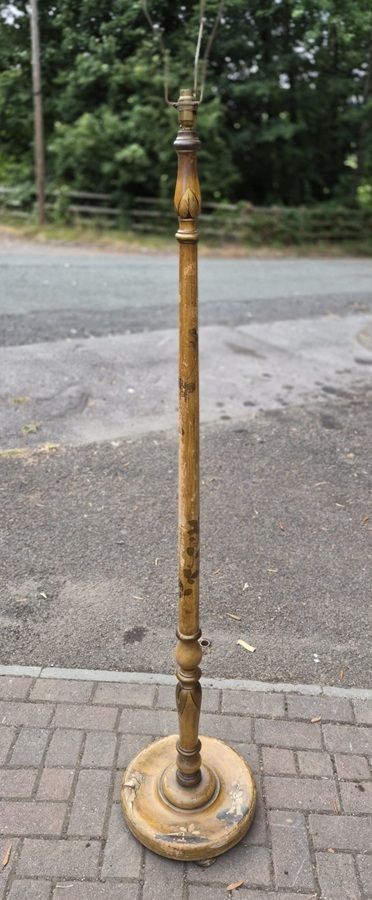
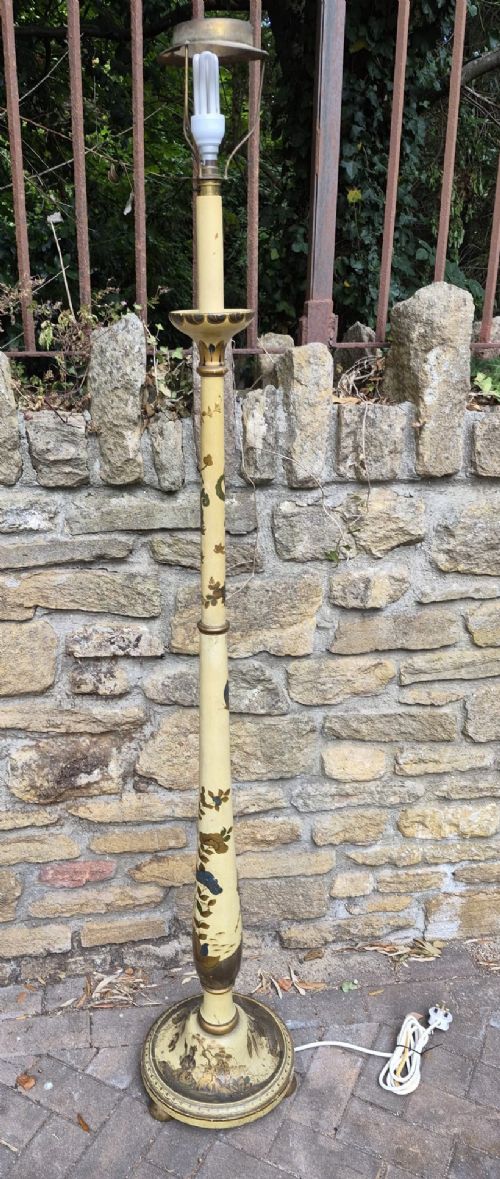
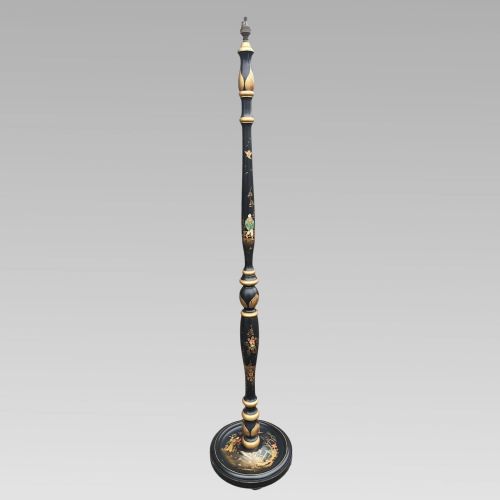
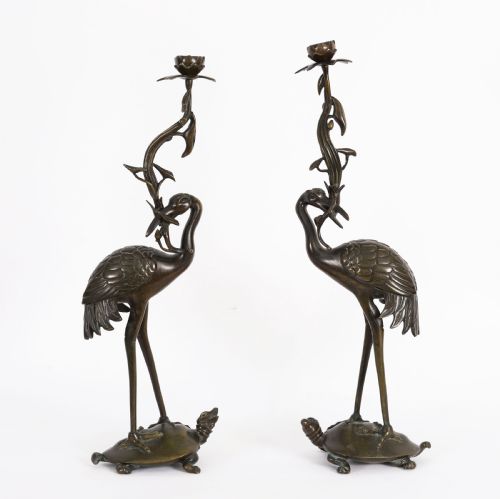


Oriental Standing Light
An oriental standing light brings height and narrative to a room, drawing the eye upwards through decorated lacquer, carved hardwood or patinated bronze.
Oriental Standing Light
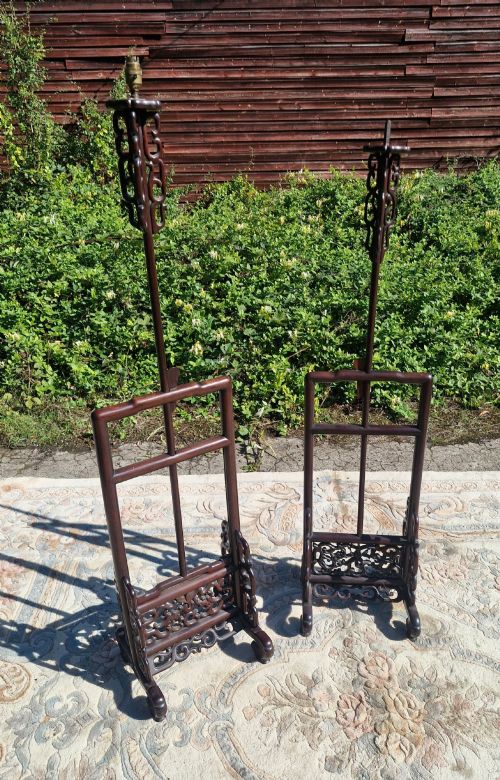
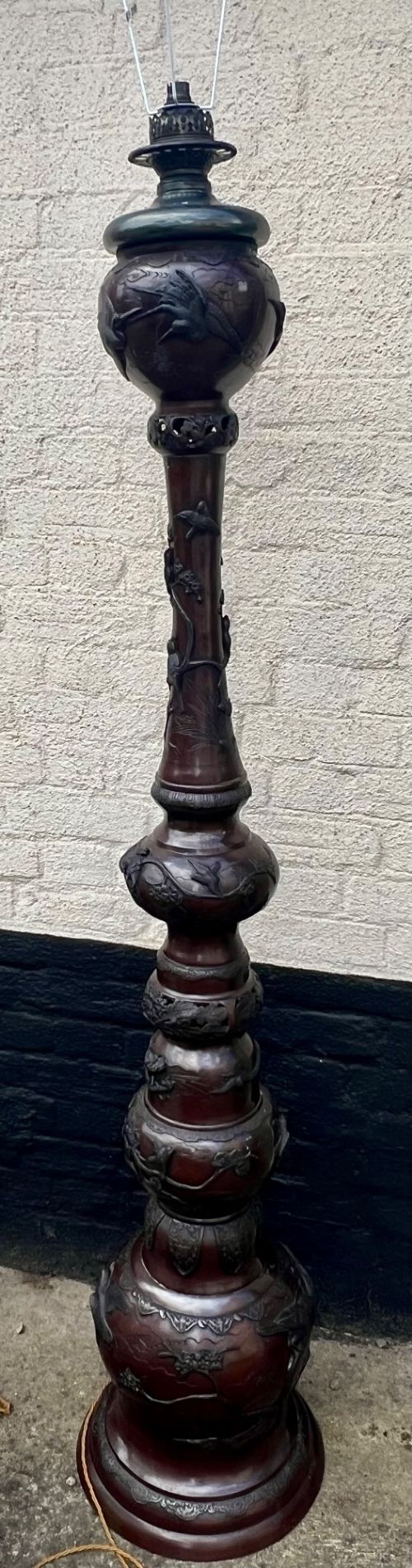
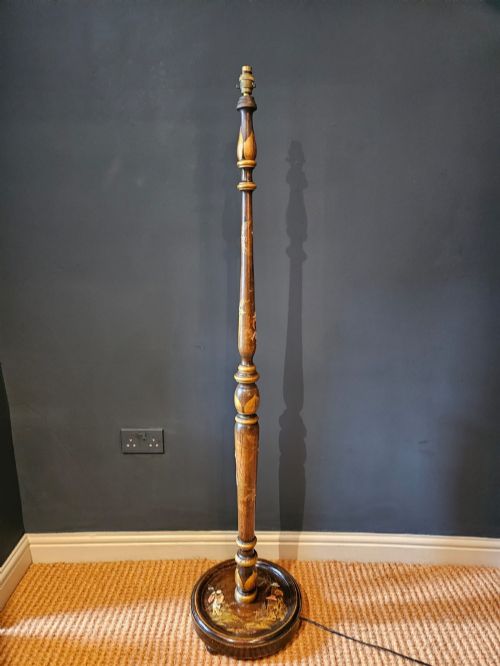
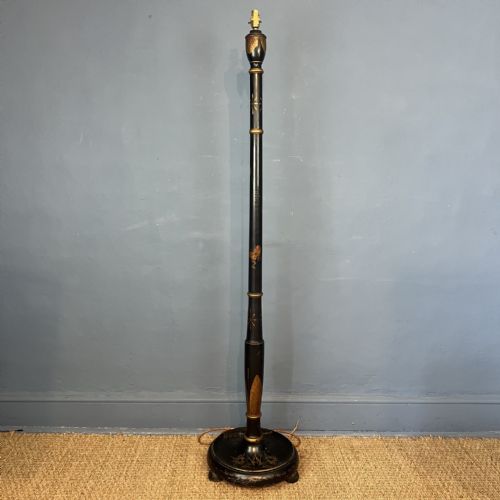
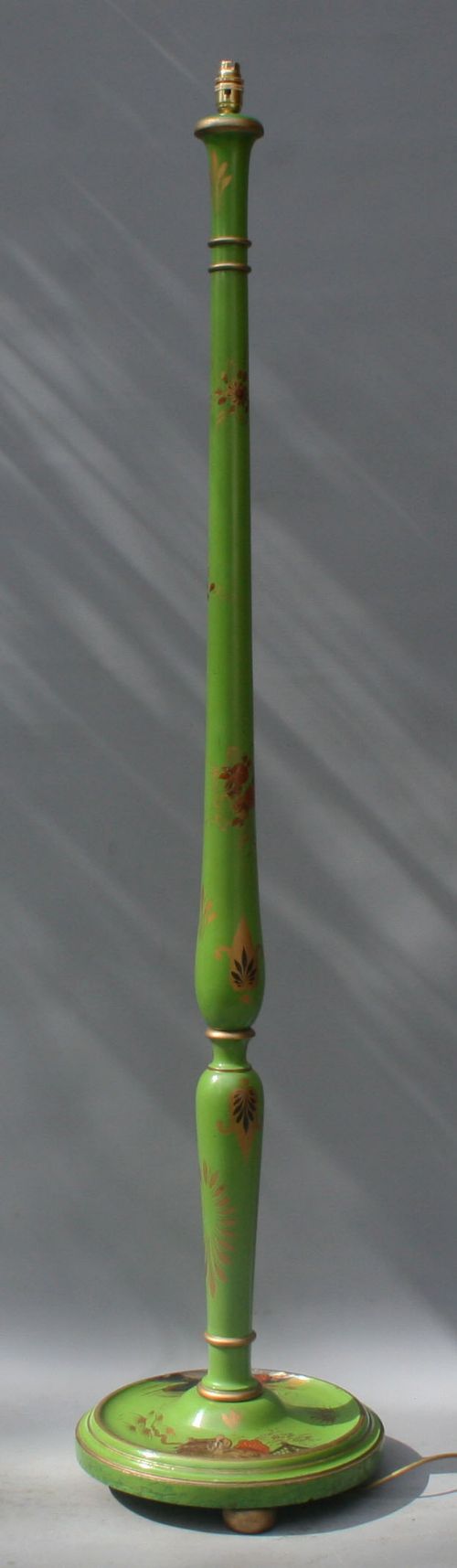
When you search for an oriental standing light, you encounter tall functional pieces designed to illuminate interiors through height. These range from Edwardian and 1920s Chinoiserie standards to 19th-century Japanese bronze floor lamps, torcheres, and lantern stands.
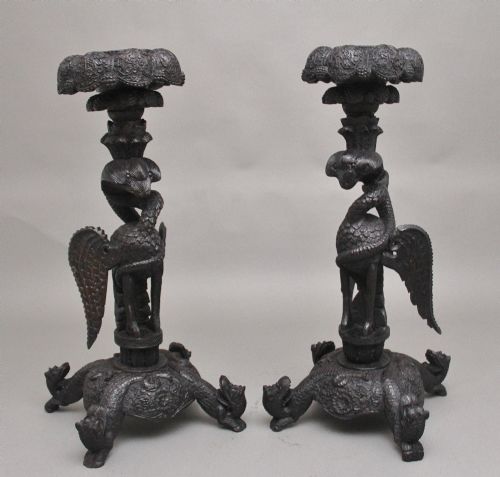
The most common examples on this page are standard lamps and floor lamps finished in black or red lacquer, alongside carved hardwood or padauk wood columns. Candlesticks, table lamps, and side tables also appear, reflecting diverse interpretations of Eastern motifs across the Victorian, Edwardian, and early twentieth-century periods.
What varies in quality
The degree of detail in the carving and the depth of the lacquer finish differentiate examples across the range. Hand-carved dragons and intricate decorative motifs require skilled craftsmanship that elevates the physical presence of the timber.
The material integrity of the bronze, brass, or hardwood foundation determines the structural longevity of the piece. Fine casting in metal works and careful joinery in wood components distinguish superior items.
Listings span the 19th Century, Victorian, Edwardian, and 1920s periods, utilising brass, fabric, hardwood, bronze, and lacquer.
The Oriental Standing Light Glossary
- Chinoiserie
- European decorative style reflecting Chinese artistic influences, seen in lacquered and painted standard lamps. It often incorporates pictorial motifs of landscapes and figures.
- Torchere
- A tall ornamental stand or candlestick designed to hold a light source. Nineteenth-century examples often feature carved wooden columns.
- Padauk
- A dense tropical hardwood valued for its rich colour and durability. It provides a sturdy foundation for carved standard lamps and extending columns.
- Pricket candlestick
- A candle holder featuring a central spike to secure the candle rather than a socket. Japanese examples in bronze appear in nineteenth-century pieces.
- Meiji Period
- A Japanese historical era spanning from 1868 to 1912, associated with skilled bronze casting and decorative arts exported to Western markets.
Oriental Standing Light: Frequently Asked Questions
What is an oriental standing light?
An oriental standing light is a tall illumination piece, such as a standard lamp, floor lamp, or torchere, incorporating Asian artistic styles or materials.
These pieces use forms like carved hardwood columns, lacquered wooden shafts, and bronze figures to provide elevated light within a space.
How were these lamps used historically?
Historically, these tall stands positioned light sources at a useful height to illuminate large rooms before modern overhead electrical systems became standard.
Many started as candle or oil holders, such as pricket candlesticks and lantern stands, before being adapted for electric lighting.
What materials are common in these pieces?
Common materials include hardwoods like padauk and elm, alongside lacquered and painted wood surfaces. Metals such as bronze, brass, and copper also form structural standards and candlesticks.
Fabric elements appear on shades paired with the lamps.
How do I date an antique floor lamp?
Dating relies on stylistic markers, construction methods, and materials associated with periods like the Victorian era, the Edwardian period, or the 1920s.
Records often attribute pieces to specific decades based on the integration of carved detailing, lacquer techniques, and metal casting styles.