


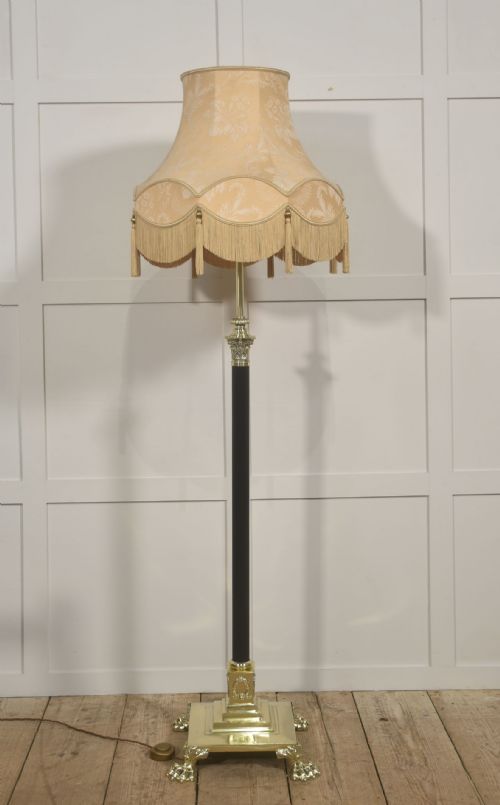


Vintage Fringe Lampshade
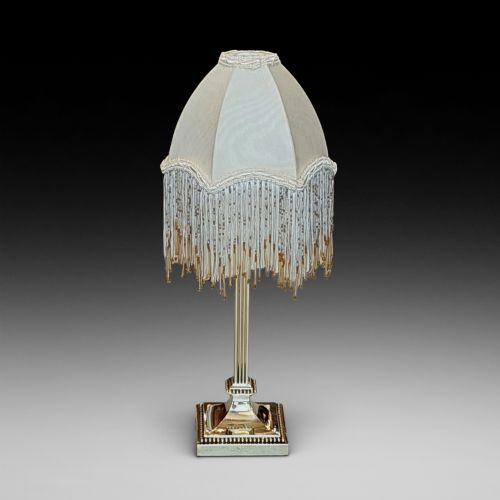
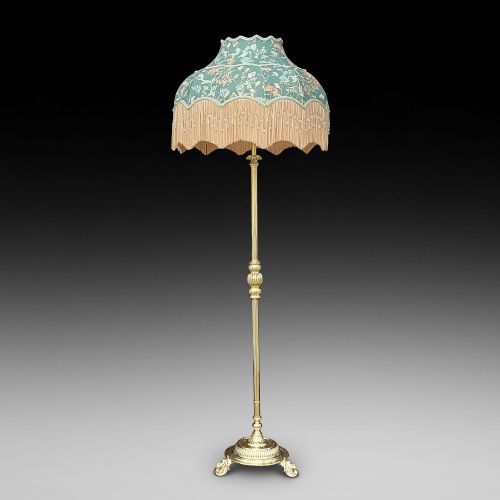
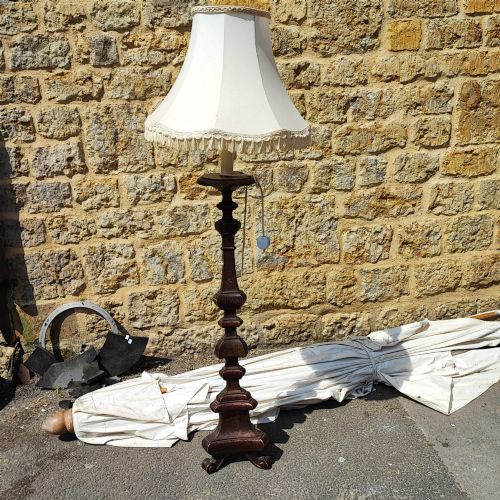
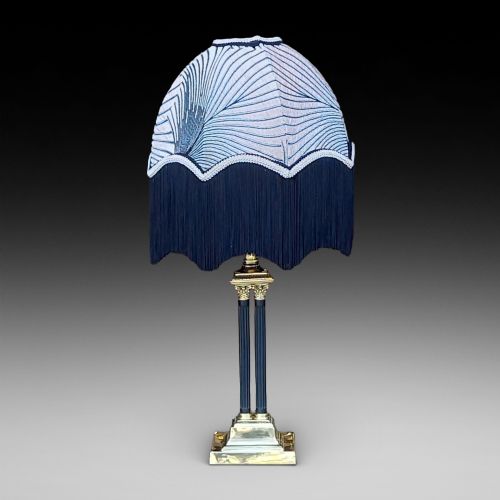
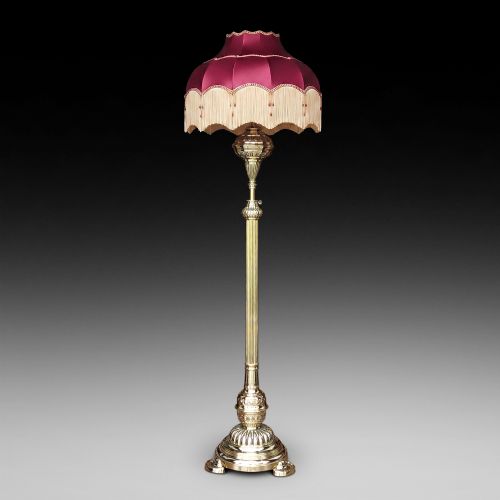
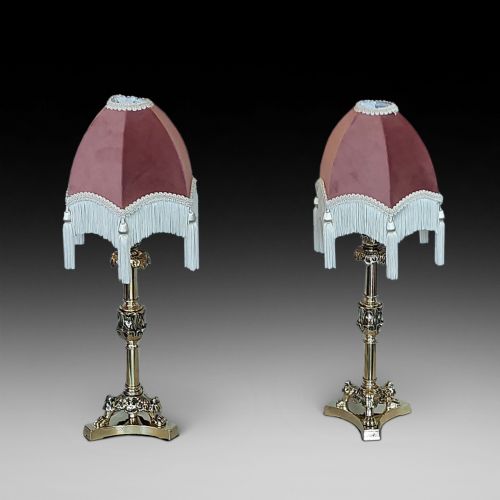
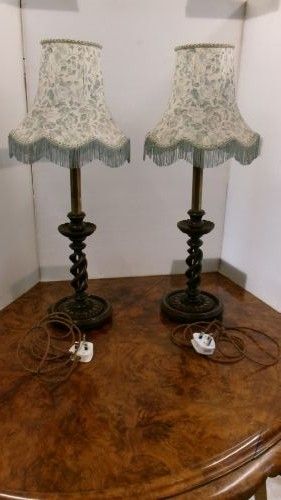
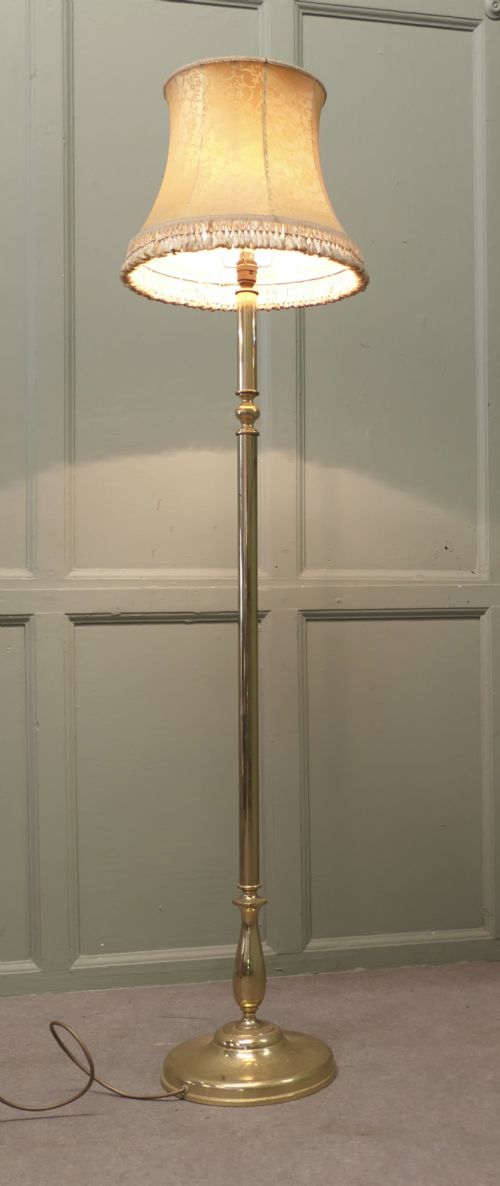
A vintage fringe lampshade sits atop a period light, bringing soft, diffused illumination and tactile textile interest to a room.
Vintage Fringe Lampshade
When you search for a vintage fringe lampshade, you encounter a selection of period lighting bases paired with textile shades, originating from eras such as the Victorian, Edwardian, and 1930s periods. These items encompass table lamps, floor lamps, standard lamps, and oil lamps formed from brass, copper, wood, and ceramic.
The objects listed display diverse stylistic influences, ranging from Art Nouveau and Arts and Crafts to Neoclassical Revival and French Chateau designs. Standard lamps and table lamps dominate the selection, often converted from earlier oil lamps or candlesticks with the addition of fabric shades.
Makers and manufacturers are occasionally identified, such as Hinks of Birmingham, linking standard oil lamps to specific mid-to-late nineteenth-century production centres. The physical forms vary from tall Corinthian columns to smaller boudoir reading lamps.
Materials and construction methods
Brass is the predominant metal found across the listings, utilised heavily for standard lamp columns, adjustable stems, and converted oil lamp bases, frequently complemented by copper and bronze elements. Wooden forms utilise carved mahogany, while ceramic and majolica contribute alternative textural bases.
Shades and decorative elements incorporate fabric, silk, and thread, often finished with glass beads and textile fringes that diffuse light. Construction techniques combine metal casting, beating, and turning with traditional textile assembly for the shades.
Listings feature items from the Victorian, Edwardian, and 1930s periods, utilising brass, fabric, silk, and glass beads.
Distinguishing quality in period lamps and shades
Quality rests upon the integrity of the materials and the refinement of the metalwork, such as crisp casting on Corinthian columns or the hand-beaten surface texture of Arts and Crafts copper. Heavier, substantial brass bases and solid carved timber demonstrate superior substance compared to lighter pressed metal alternatives.
The sophistication of the design, whether an elaborate Art Nouveau standard lamp or a finely detailed Majolica and brass table lamp, dictates the tier of the piece. Retaining original components, such as functional adjusting stems and period-appropriate fabric shades, elevates the integrity of the ensemble.
Hinks of B'ham
The Vintage Fringe Lampshade Glossary
- Standard Lamp
- A tall floor-standing lamp designed to illuminate a room from a standing position. These often feature adjustable stems or converted oil reservoirs.
- Corinthian Column
- An architectural column style featuring an ornate capital decorated with acanthus leaves, frequently adopted for tall brass table and standard lamps.
- Art Nouveau
- A style characterised by flowing, organic lines and floral motifs, seen across various brass and bronze lamp designs from the turn of the twentieth century.
- Majolica
- A type of colourful, tin-glazed earthenware pottery used to form decorative bodies on period table lamps.
- Torchere
- A tall ornamental stand or candlestick, often adapted in the twentieth century to serve as a standard lamp.
Vintage Fringe Lampshade: Frequently Asked Questions
What periods do these lamps come from?
The lighting options span from the 19th century through the Edwardian era, Victorian period, and into the 1920s and 1930s.
Specific styles reflect these dates, including Arts and Crafts, Art Nouveau, and Neoclassical Revival designs.
Were these always electric lamps?
Many standard and table lamps began life as oil lamps or candlesticks before later conversion to electricity.
Adjustable stems and burners from their oil-burning days are frequently retained as part of the converted structure.
What metals are most common?
Brass is overwhelmingly the most frequent metal used for columns, bases, and standard lamp stems.
Copper, bronze, and carved mahogany also appear across the selection of floor and table lights.
How do I identify an Art Nouveau lamp?
Art Nouveau pieces from the early 20th century typically display flowing, organic lines rather than strict classical symmetry.
They often incorporate natural motifs in their brass or bronze casting work.