

Vintage French Urns
Vintage french urns bring classical proportion and rich patination to a room, spanning heavy cast iron garden vessels to delicate porcelain table lamps.
Vintage French Urns
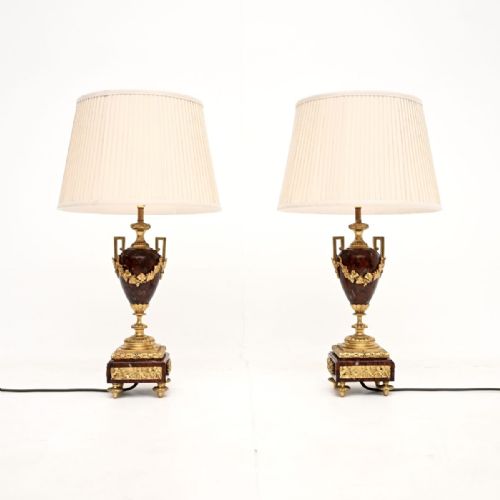
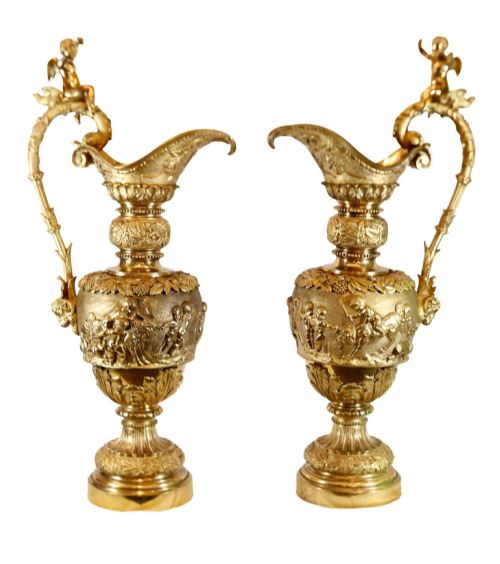
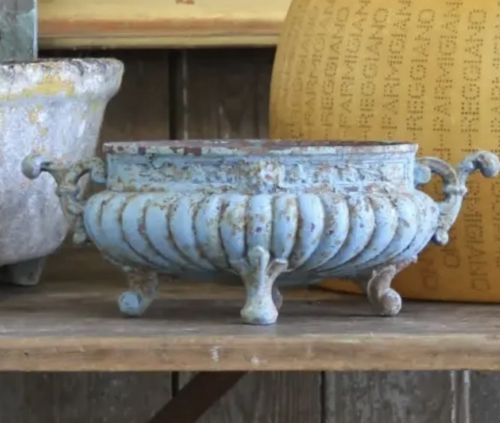
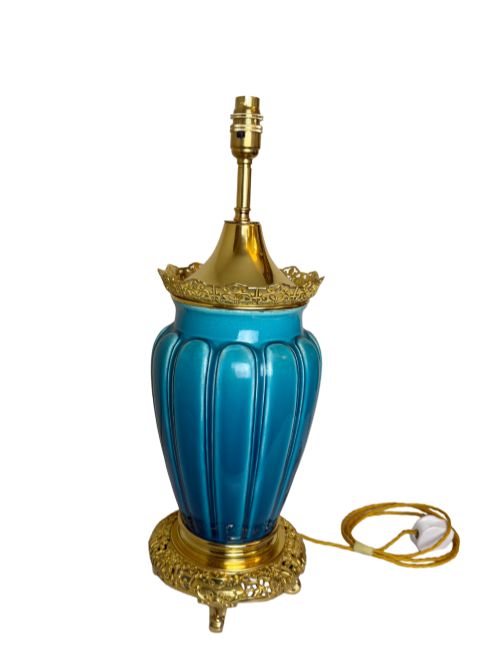
Vintage french urns encompass a diverse selection of decorative vessels, garden planters, and converted lighting fixtures sourced from nineteenth and early twentieth century France. Buyers searching this phrase will frequently encounter cast iron garden urns, glazed ceramic confit pots, and porcelain vessels mounted with gilt bronze.
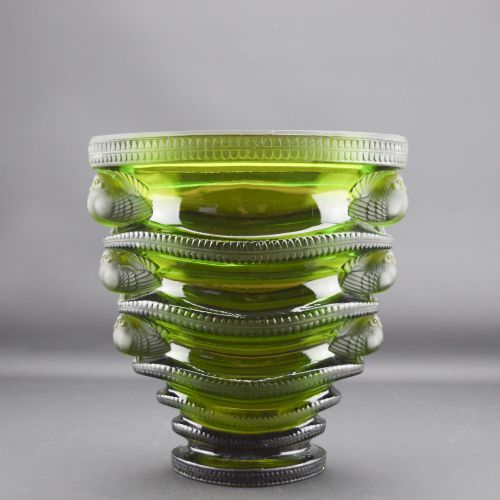
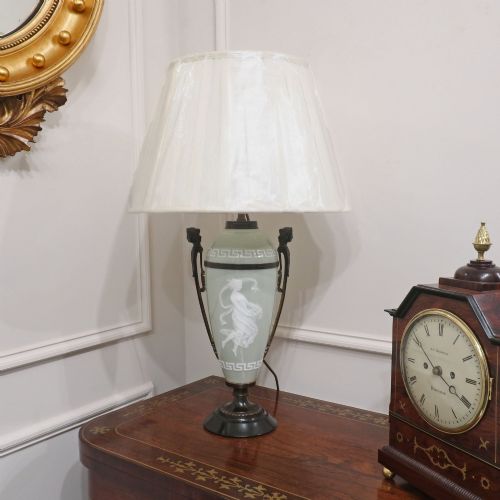
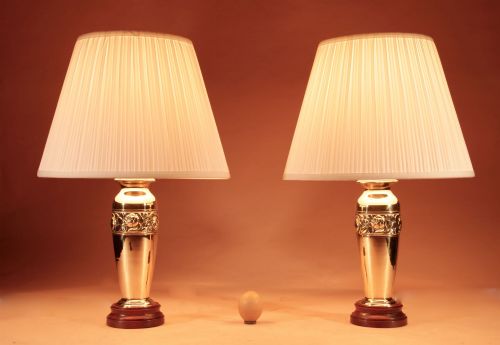
The material vocabulary ranges from rugged terracotta and wrought iron to refined ormolu and champleve enamel. Many pieces reflect classical design influences such as Louis XVI style and Neoclassical motifs, alongside later Art Deco glass and pottery.
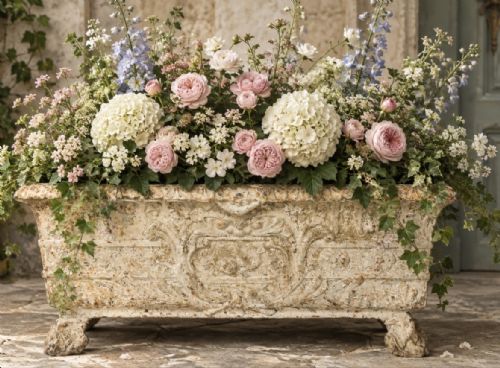
Functional objects like oil pots, mortars, and coffee urns frequently cross over into purely decorative roles within contemporary interiors. These items display the practical origins of french country and chateau living alongside formal decorative arts.
Assessing craftsmanship
The distinction between standard production and superior pieces lies in the crispness of the casting detail and the quality of the finishing work. Finer items exhibit sharply chiselled bronze mounts, balanced proportions, and authentic patination gained through age rather than artificial distress.
Integrity of materials dictates long-term character, where original lids, uncompromised glaze surfaces, and heavy, stable mountings elevate the piece. Mass-produced items lack the subtle hand-finishing and depth of material observed in workshop-produced examples.
Early kitchen apothecaries utilised heavy iron mortars that could double as small cannonballs in an absolute emergency.
Rene Lalique·Daum·Val D Osne Foundry·Casier
The Vintage French Urns Glossary
- Ormolu
- Gilded bronze applied to furniture, clocks, and decorative vessels. This decorative technique became prominent in French luxury goods during the eighteenth and nineteenth centuries.
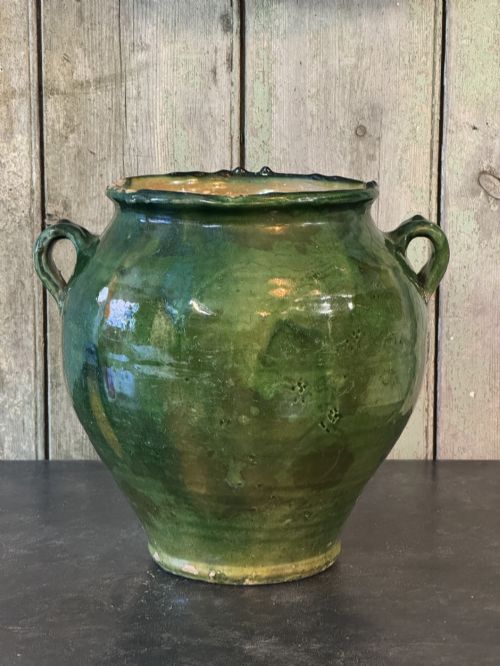
- Confit pot
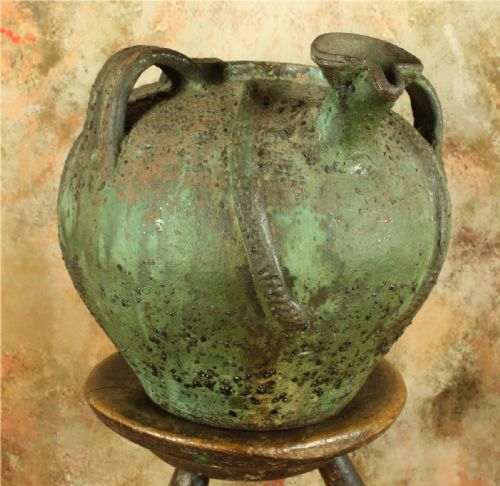
- A glazed earthenware jar historically used in rural France for food preservation. These pots typically feature distinctive handles and partially glazed bodies.
- Champleve enamel
- A technique where troughs are dug into a metal surface and filled with vitreous enamel before firing. It frequently appears on nineteenth-century clock garnitures and decorative hardware.
- Pate-sur-pate
- A ceramic manufacturing method where liquid clay is painted in successive layers onto a dark body to create a low relief cameo effect.
- Garniture
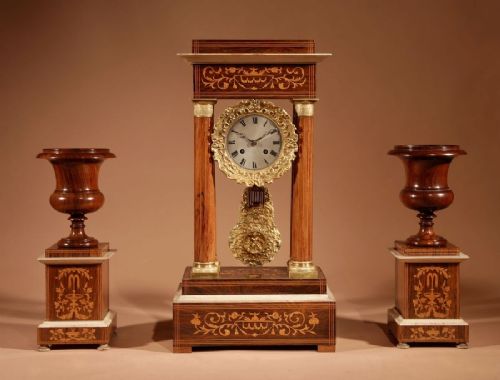
- A set of matching decorative objects, often comprising a clock flanked by candelabra or matching urns, designed for a mantelpiece.
Vintage French Urns: Frequently Asked Questions
How do I clean antique bronze mounts?
Dust gently with a soft dry brush to preserve the underlying metal surface. Avoid abrasive chemical cleaners that strip the historical finish.
Can heavy cast iron urns stay outside?
Cast iron garden pieces tolerate outdoor placement well if protected from severe freezing water accumulation. Regular checks for surface oxidation help maintain the metal.
Are converted lamp urns rewirable?
Most antique urn lamps accept modern wiring standards through professional electrical retrofitting. This allows safe integration into contemporary lighting layouts.
How do I identify Louis XVI style pieces?
Look for straight tapered legs, symmetrical neoclassical geometry, and restrained floral swags. These design indicators separate nineteenth-century revival pieces from earlier eras.