



Vintage French Tableware
Vintage french tableware brings functional elegance to the table through silver plate, earthenware, and porcelain crafted across the nineteenth and twentieth centuries.
Vintage French Tableware
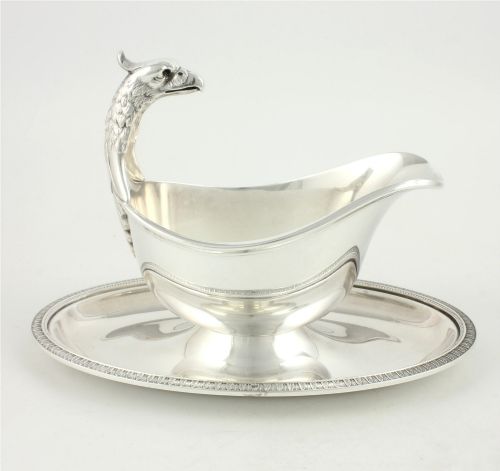
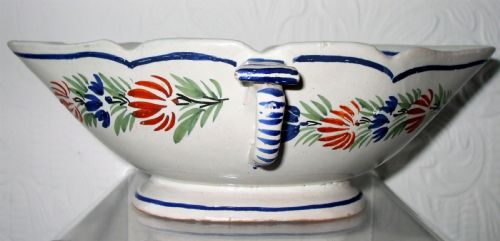
Vintage french tableware encompasses an array of dining accessories and serving pieces, ranging from nineteenth-century faience sauceboats to mid-century silver-plated flatware and glassware.
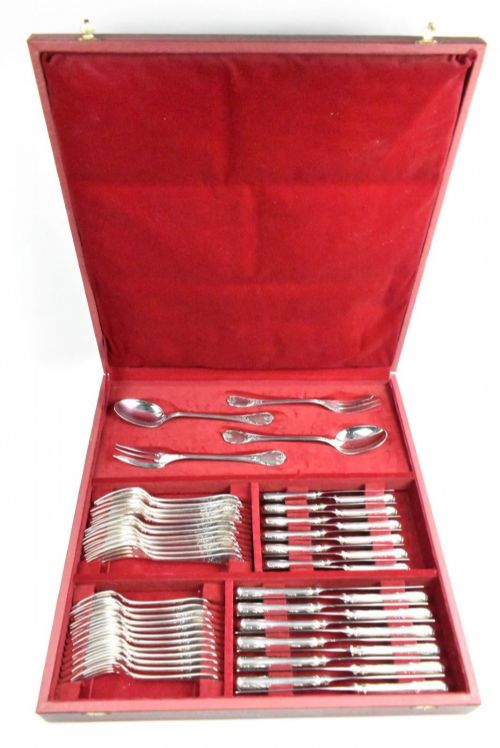
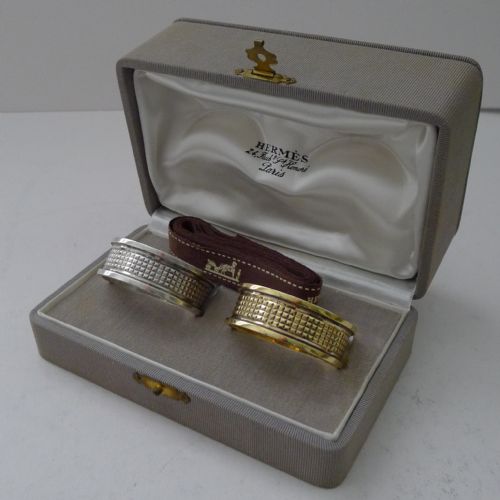
The selections on this page most frequently present pieces from makers such as Christofle and Hermes, alongside regional pottery from Quimper and Limoges.
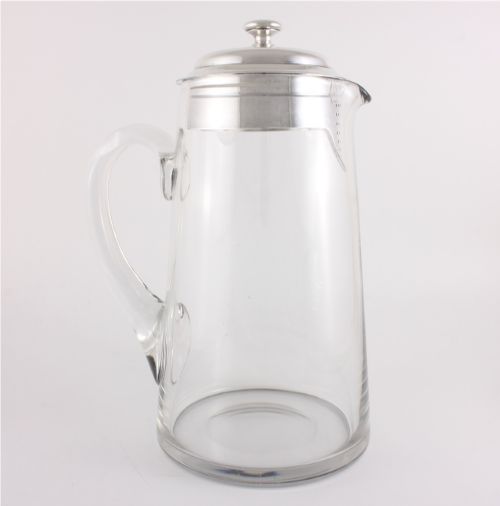
Forms span practical items like pitchers, jugs, and carving accessories as well as decorative dessert spoons, napkin rings, and opaline glass dishes.
How they were made
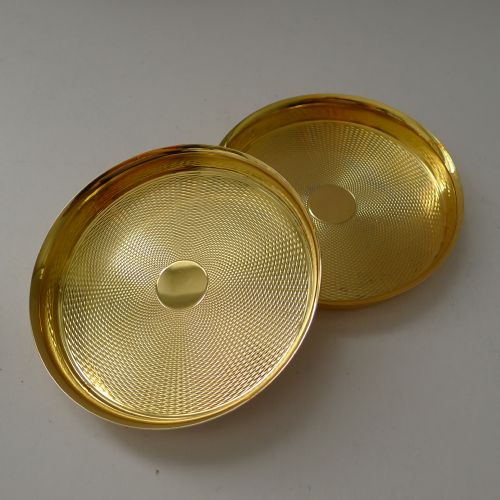
Metal items rely on silver plate, sterling silver, and silver gilt, often shaped into intricate serving vessels and cutlery sets by established French manufacturers.
Ceramic pieces utilise earthenware, hard-paste porcelain, and faience, frequently finished with hand-painted floral designs, glazes, and gold leaf detailing.
Glassware incorporates opalescent and green opaline techniques, moulding shell forms and bowls with characteristic tactile depth.
Materials span hard-paste porcelain, silver plate, earthenware, and opaline glass across periods from the nineteenth century to the 1960s.
What varies in quality
Quality rests upon the crispness of hand-painted details on porcelain and faience, and the preservation of silver gilt and plating on metal wares.
Maker attribution elevates a piece, with recognised signatures from houses like Christofle or Hermes distinguishing standard utility items from distinguished table service.
Hermes Paris·Christofle Gallia·HB Quimper·Rene Lalique·Jacob Petit
The Vintage French Tableware Glossary
- Faience
- Tin-glazed earthenware produced in France, often featuring hand-painted regional motifs. It provides a traditional rustic appearance for tableware.
- Silver Gilt
- Silver covered with a thin layer of gold, also known as vermeil. This treatment adds warmth and protects the underlying silver surface.
- Opaline Glass
- An opaque or translucent glass popular in nineteenth-century France. It appears frequently in delicate tableware dishes and decorative vessels.
- Hard-Paste Porcelain
- A dense, durable ceramic material fired at high temperatures. It forms the body of fine antique dinner sets and decorative vases.
Vintage French Tableware: Frequently Asked Questions
How do I clean silver-plated vintage tableware?
Use a soft cloth and a mild silver cleaner formulated for plated items to preserve the finish.
Avoid harsh abrasives and dishwashers to maintain the integrity of the metallic surface.
Can I use antique porcelain for daily dining?
Many nineteenth-century porcelain and earthenware pieces remain suitable for careful daily use.
Hand washing preserves fragile hand-painted floral designs and gold leaf accents over time.
What is the difference between silver plate and sterling silver?
Sterling silver consists of solid precious metal throughout the entire object, marked for purity.
Silver plate applies a thin layer of silver over a base metal foundation during manufacture.