


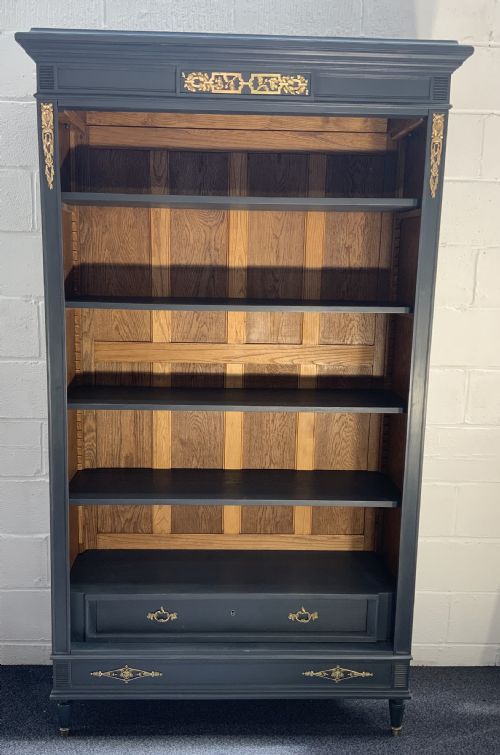

Vintage French Shelving
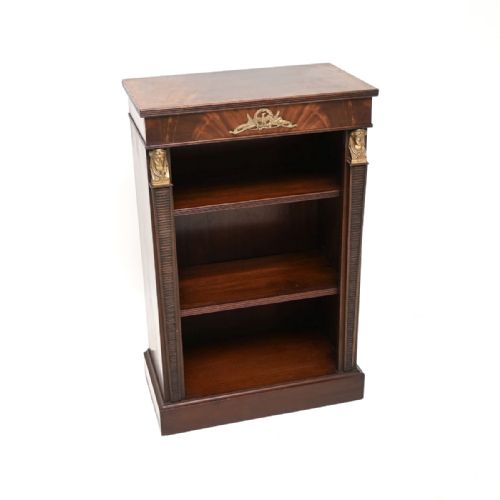
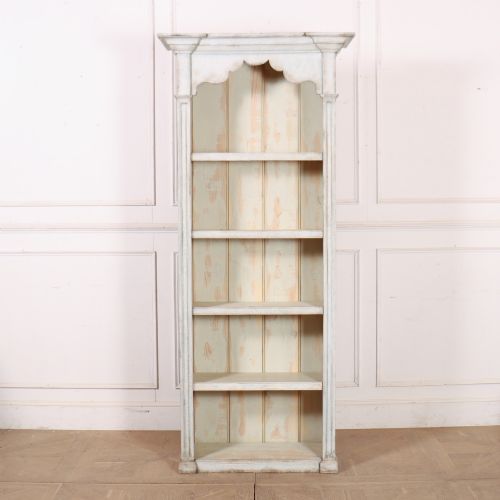
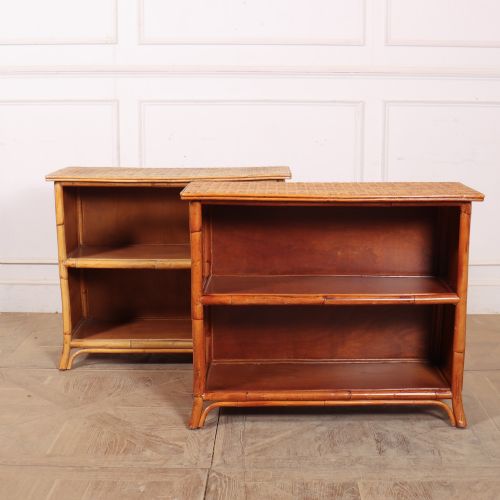
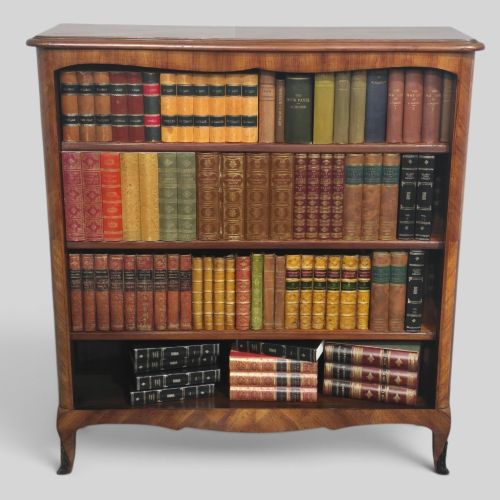
These vintage french shelving pieces bring architectural character and practical storage to a room, ranging from industrial metal bakery racks to refined mahogany bookcases.
Vintage French Shelving
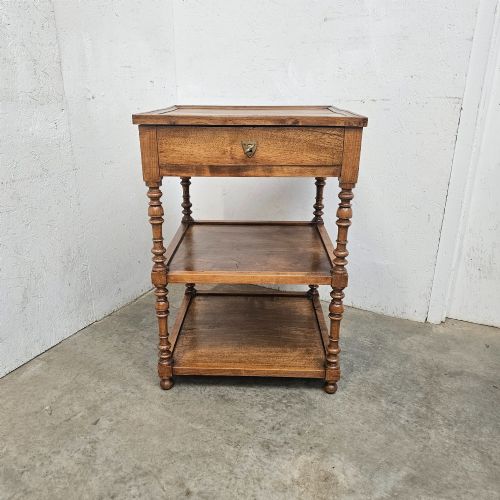
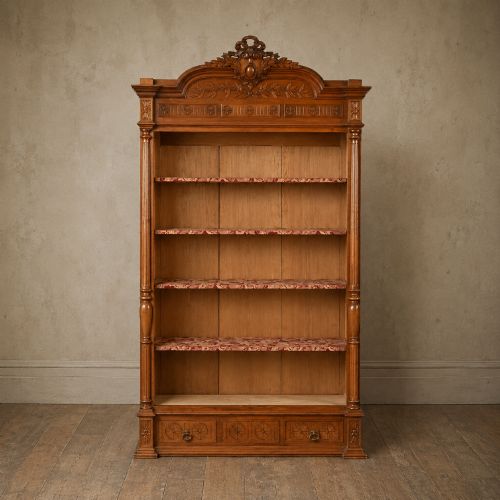
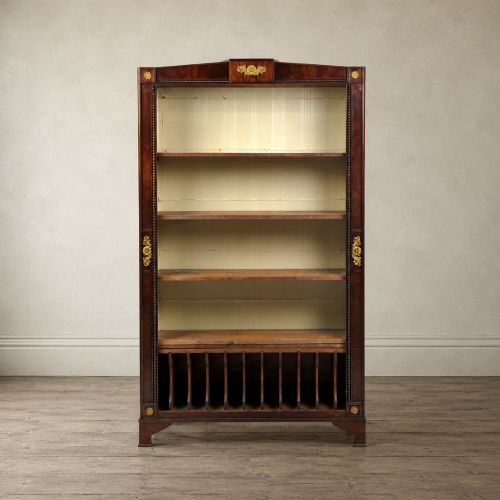
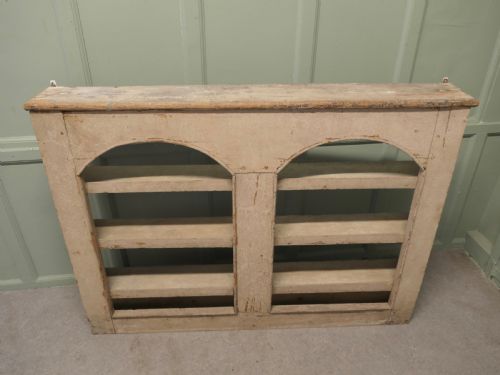
When you search for vintage french shelving, you encounter a diverse range of furniture spanning the nineteenth century through the art deco period. The selection includes open bookcases, wall shelves, bakers racks, and display étagères designed for both domestic and commercial use.
The objects originate from various settings, encompassing provincial country houses, Parisian shops, and grand chateaux. Common forms feature adjustable library bookcases, corner cupboards, wall brackets, and tiered hanging shelves.
Stylistic influences range from French provincial and Rococo revival to empire, neoclassical, and industrial designs. Pieces often integrate practical storage with decorative display functions, utilising diverse woods and metals.
How they were made
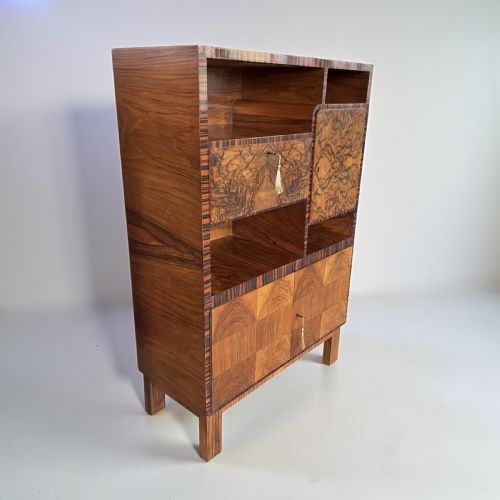
Maker construction relies heavily on solid woods such as walnut, mahogany, oak, cherry, pine, and rosewood, frequently enhanced by veneers, parquetry inlay, or painted finishes. Metal variants utilise wrought iron, brass, steel, and patinated bronze or ormolu mounts.
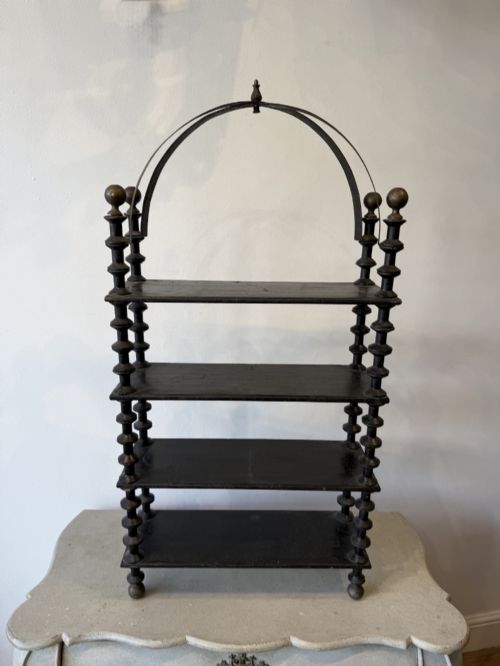
Decorative elements involve hand-carved giltwood, gilded surfaces, turned legs, bobbin turnings, and brass embellishments. Bakers racks and patisserie units combine robust iron frameworks with slatted metal or wooden tiers built for heavy daily use.
Some nineteenth century kitchen dressers retain their original metal drainage slots from days spent draining wet dishes in French field kitchens.
What varies in quality
The standard of execution depends on the integrity of the materials, from solid carved hardwoods and finely cast ormolu mounts to simple softwood and distressed painted finishes. Intricacy in parquetry, gilding, and structural joinery distinguishes standard utility pieces from high workshop output.
Condition and originality dictate the standing of an item, distinguishing untouched patinated surfaces from later overpainting or replaced components. Maker attribution, such as factory stamps on bakers racks, adds documented provenance to the construction.
Dubois of Lyon
The Vintage French Shelving Glossary
- Étagère
- An open piece of furniture with shelves for displaying small objects or books. These typically feature slender upright supports and multiple tiers.
- Bakers rack
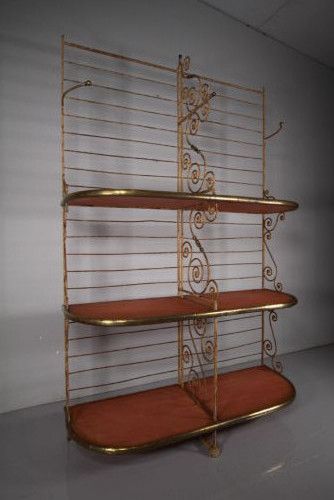
- A sturdy metal or iron shelving unit originally used in commercial bakeries for cooling bread. These often incorporate decorative scrollwork and mesh or slatted metal shelves.
- Whatnot
- A multi-tiered shelving unit used for ornaments and bric-a-brac. This form became popular during the nineteenth century for corner or wall placement.
- Ormolu
- Gilded bronze mounts applied to furniture corners, feet, and friezes. This technique is characteristic of formal cabinet making.
- Parquetry
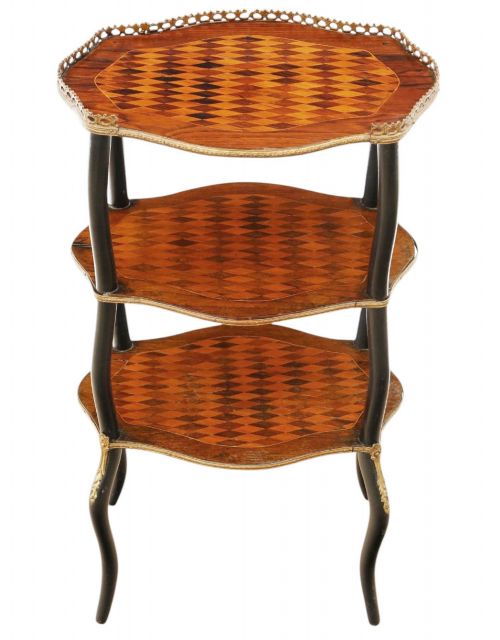
- Geometric wood inlay patterns forming decorative motifs on cabinet surfaces. Craftsmen arrange contrasting timber veneers to create mosaic designs.
Vintage French Shelving: Frequently Asked Questions
What is a boulangerie rack?
A boulangerie rack is a heavy iron bakers rack originating from French commercial kitchens and shops. These units were built to hold bread and pastries during cooling.
Today, they are utilised in domestic kitchens and living spaces as robust open shelving for storage or display.
How do I identify an étagère?
An étagère is defined by its tiered open shelving structure supported by slender vertical columns or legs. They were designed specifically for the display of decorative objects and porcelain.
Versions vary from simple turned wooden frameworks to elaborate Rococo revival carved giltwood designs.
Where were wall brackets used?
Wall brackets and hanging shelves served as compact display surfaces in period interiors. They provided elevated space for clocks, small sculptures, and books without occupying floor area.
Many examples feature mirrored backs or carved giltwood brackets designed to reflect light.
What woods are common in these bookcases?
Library bookcases and cupboards utilise timber species characteristic of French cabinet making. Walnut, mahogany, oak, and cherry appear frequently in solid form or as veneers.
Softer woods like pine and softwood were typically painted or polished for provincial and utilitarian pieces.