
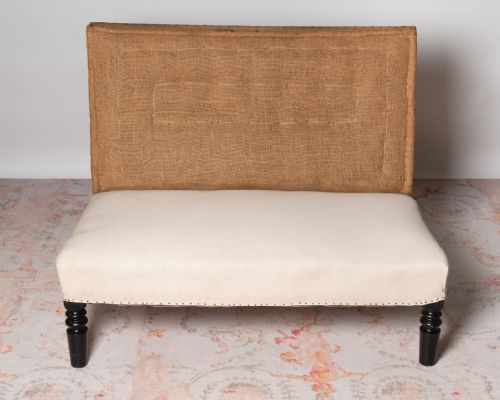

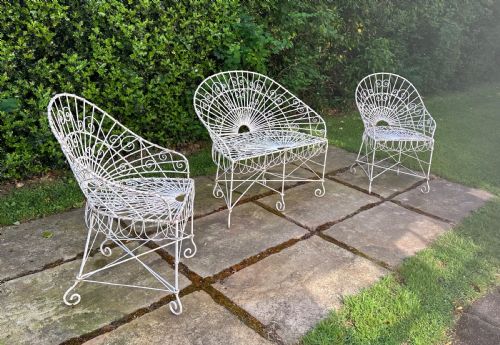


Vintage French Settee Bench
A vintage french settee bench brings formal seating with regional charm to a room, offering carved wooden frames and upholstered or caned seats.
Vintage French Settee Bench
A vintage french settee bench bridges the gap between formal salon seating and domestic comfort, drawing on centuries of seating forms. When exploring this selection, buyers encounter everything from modest painted day beds to grand giltwood sofas. The items recorded here span multiple decades and centuries, showing how makers adapted classic patterns for different rooms.
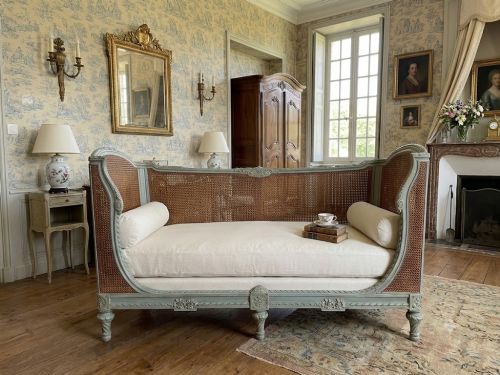
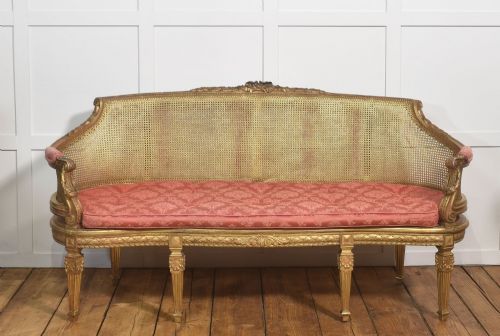
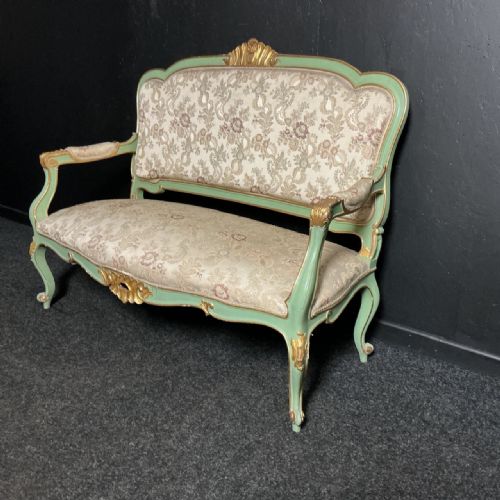
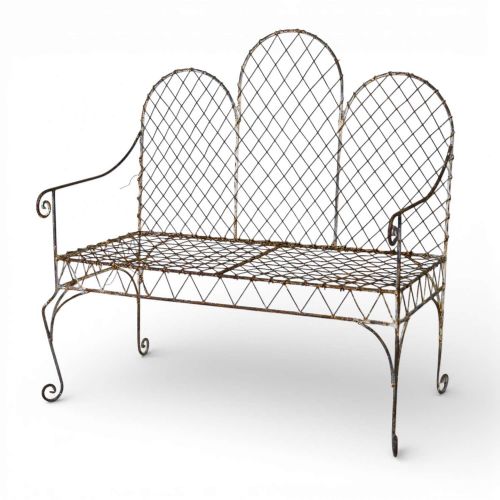
The most frequent examples on this page follow the Louis XVI and Louis XV styles, often constructed with caned panels or painted wooden frames. These pieces typically feature double or triple back designs, cabriole or fluted legs, and compact proportions suited to smaller sitting spaces. Alongside these refined salon seats, the selection includes rustic garden benches and metal outdoor seating.
Object types stretch across settees, banquettes, canapés, daybeds, and simple wooden benches. Dating ranges from the nineteenth century through the mid twentieth century, capturing distinct revival periods alongside working garden pieces. This variety allows a buyer to find either a gilded centrepiece for a drawing room or a practical seat for a conservatory.
Materials and construction methods
Makers relied on hardwoods such as walnut, oak, fruitwood, and giltwood to build the structural frames of these seats. Carving was often executed by hand, producing fluted legs, floral motifs, and scrollwork that defined the aesthetic of the period. Metal also appears in specific garden and outdoor items from the twentieth century.
Surface finishes include traditional paint, gilding, and clear varnishes that highlight the grain of the timber. Canework provides a lightweight seating surface in many salon pieces, while other examples employ velvet, linen, leather, and patterned fabric upholstery. Trim details such as tassels and velvet piping complete the edges of the soft furnishings.
Listings span eight distinct periods, stretching from the early nineteenth century through to the 1960s.
Assessing quality in construction and finish
Quality rests primarily on the crispness of the hand carving and the integrity of the wooden frame. Superior pieces display deep, well-defined detailing on walnut or giltwood, whereas simpler examples rely on applied ornament or plain painted surfaces. The solidity of the joints determines how well a frame withstands daily sitting.
The condition and execution of the secondary materials also separate categories. Hand-woven cane work requires precise tension and intact strands to remain durable over decades. Similarly, the choice of upholstery fabric, from plain linen to trimmed velvet, indicates the intended status of the original commission.
Baumann
The Vintage French Settee Bench Glossary
- Canapé
- A traditional French settee or sofa, typically featuring an upholstered seat and back within an exposed wooden frame. These pieces often reflect formal design periods like Louis XV or Louis XVI.
- Banquette
- A long upholstered bench or small sofa without a full backrest, frequently used in bedrooms or hallways. The listings show examples trimmed with leather and velvet.
- Giltwood
- Timber that has been coated with a thin layer of gold leaf or gilt paint. This finish was favoured for grand salon furniture intended to catch candlelight.
- Canework
- A seating surface woven from rattan or cane strips, offering a flexible and breathable panel. It appears frequently on the backs and seats of French revival chairs and settees.
- Bergère
- An enclosed upholstered armchair or small sofa with solid wooden sides and an integrated cushion. These pieces combine comfort with formal architectural framing.
- Bobbin turned
- Furniture legs or stretchers shaped by a lathe into a series of rounded spheres resembling bobbins. This technique appears on nineteenth-century wooden frames.
Vintage French Settee Bench: Frequently Asked Questions
What is the difference between a settee and a canapé?
A settee is a general English term for a long seat with a back and arms, designed for more than one person. A canapé is the specific French equivalent, usually distinguished by carved wooden framing and stylistic ties to royal design periods.
Both terms describe similar seating arrangements in the current selection, though canapés tend to carry more pronounced regional ornamentation.
How do I date a painted French bench?
Dating relies on examining the timber species, the tool marks beneath the frame, and the style of the painted finish. Nineteenth-century pieces often display hand-mixed pigments and accumulated wear beneath later coats.
Revival pieces from the early twentieth century frequently copy Louis XVI or Louis XV proportions while retaining machine-cut components and tighter joinery.
Where should I place a settee bench at home?
These pieces suit bedrooms, entrance hallways, and living rooms where a full-sized sofa might overwhelm the floor plan. Compact canapés and banquettes work well at the foot of a bed or beneath a window.
Garden benches and metal conservatory seating are better suited to sheltered outdoor areas or sunrooms.
Are caned seats durable for daily use?
Caned panels offer surprising strength and flexibility when the material remains taut and well-maintained. However, they require careful weight distribution compared to fully upholstered sprung bases.
Keeping canework away from direct heat sources helps prevent the natural fibres from drying out and snapping over time.